Understanding What an A7II Lens Is and How to Choose the Right Glass
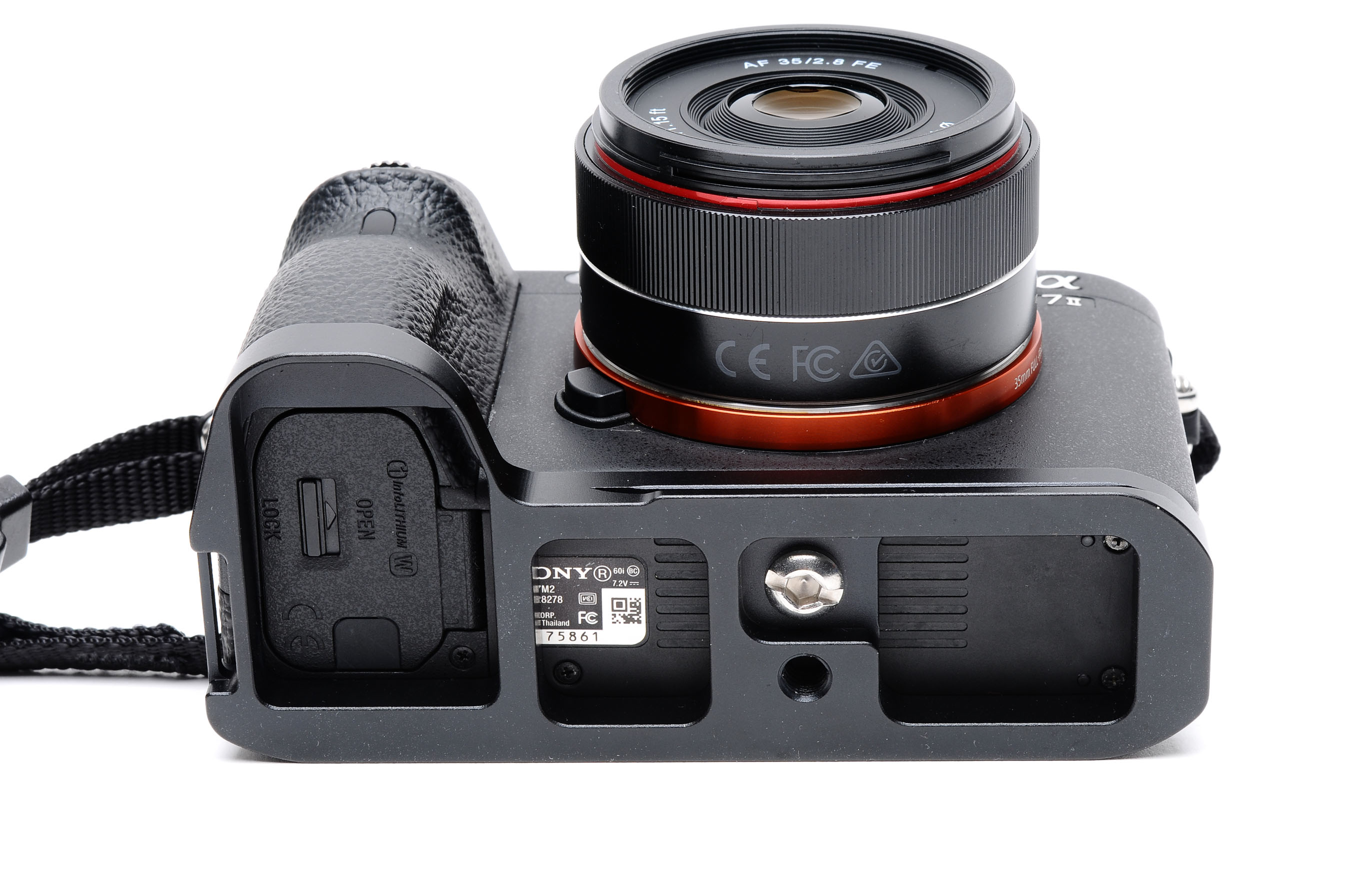
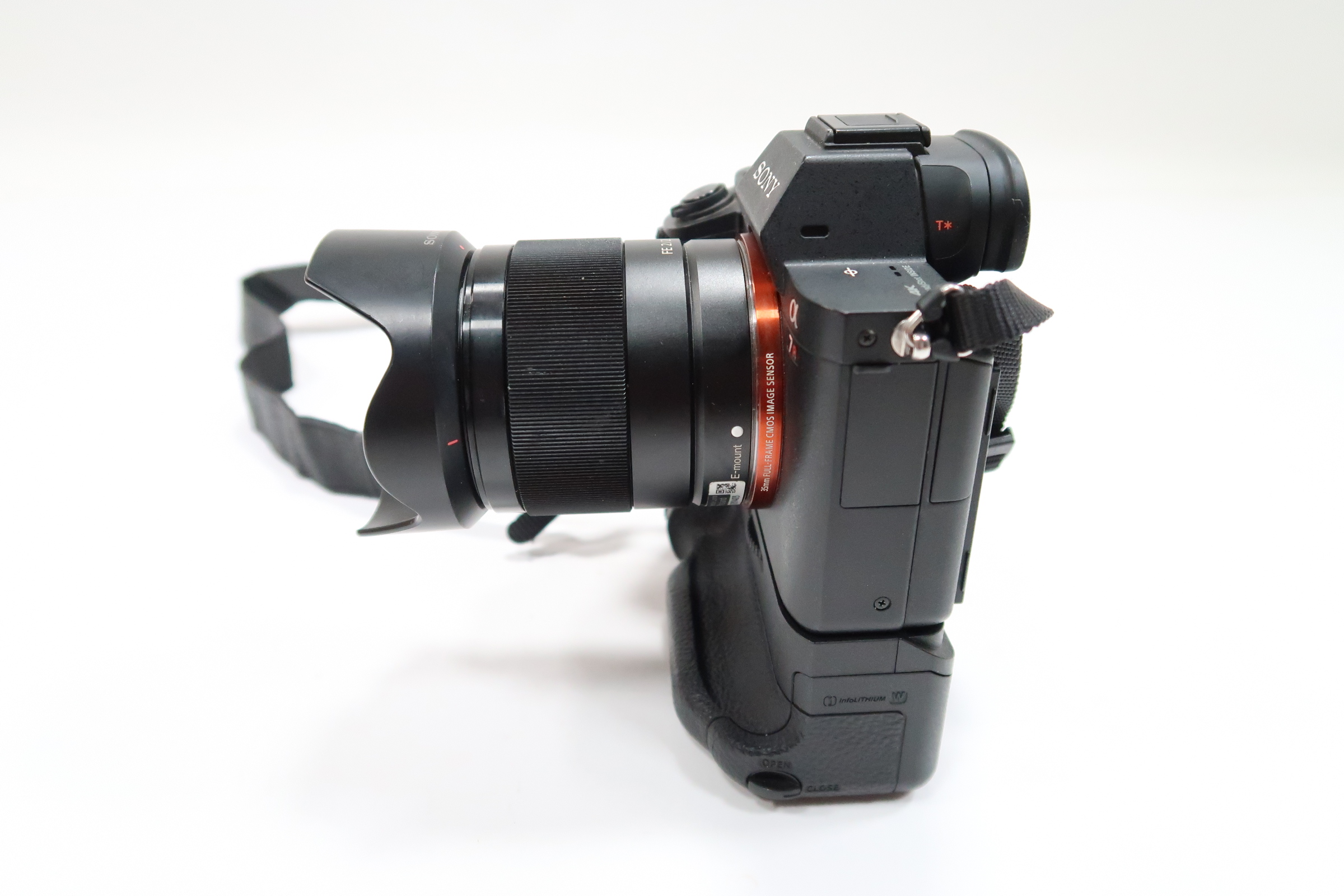
There is no specific product officially named an "A7II lens." The term refers to any lens compatible with the Sony Alpha 7 II (ILCE-7M2), a full-frame mirrorless camera released in 2014. These lenses must utilize the Sony E-mount syste...
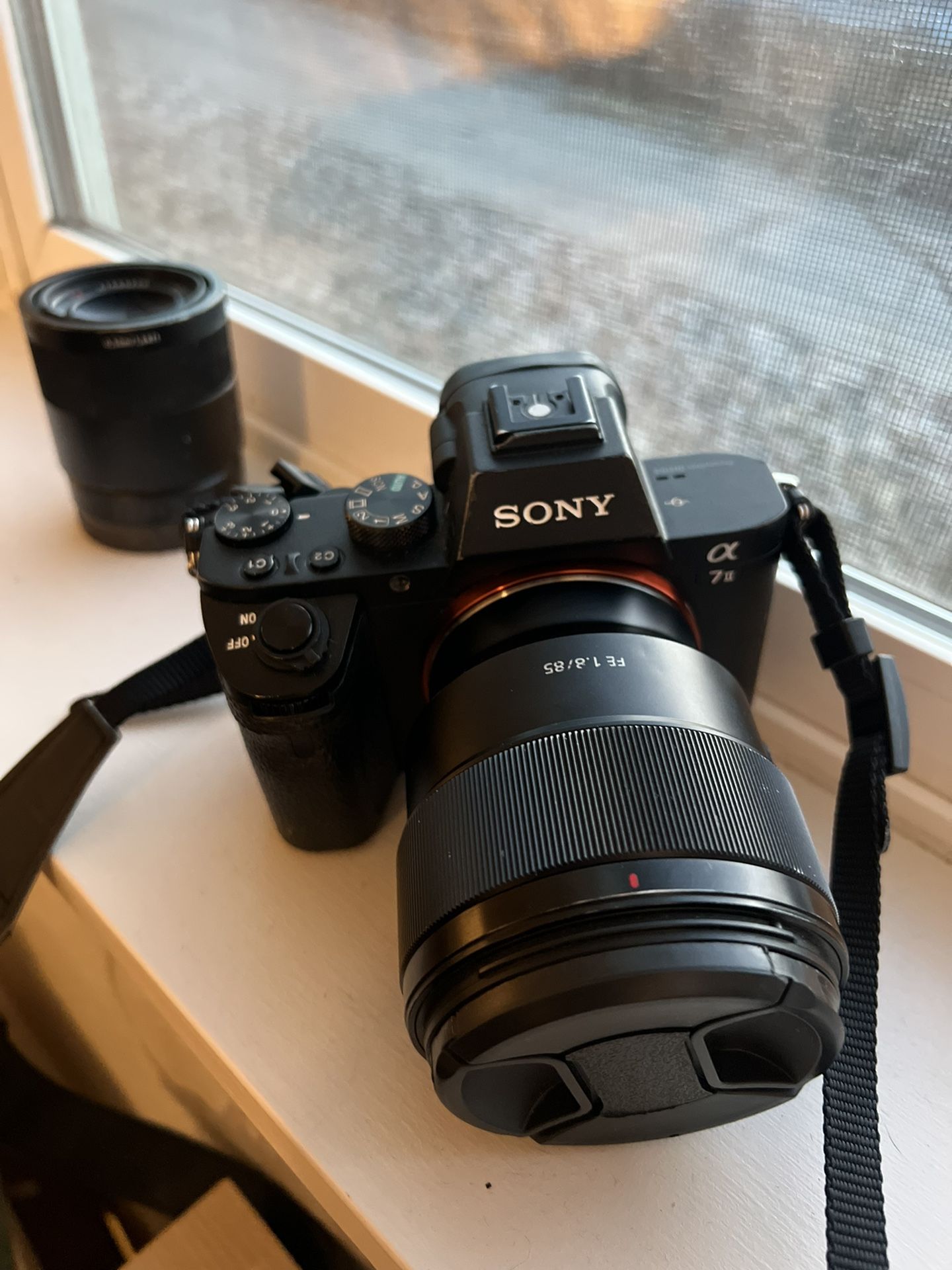
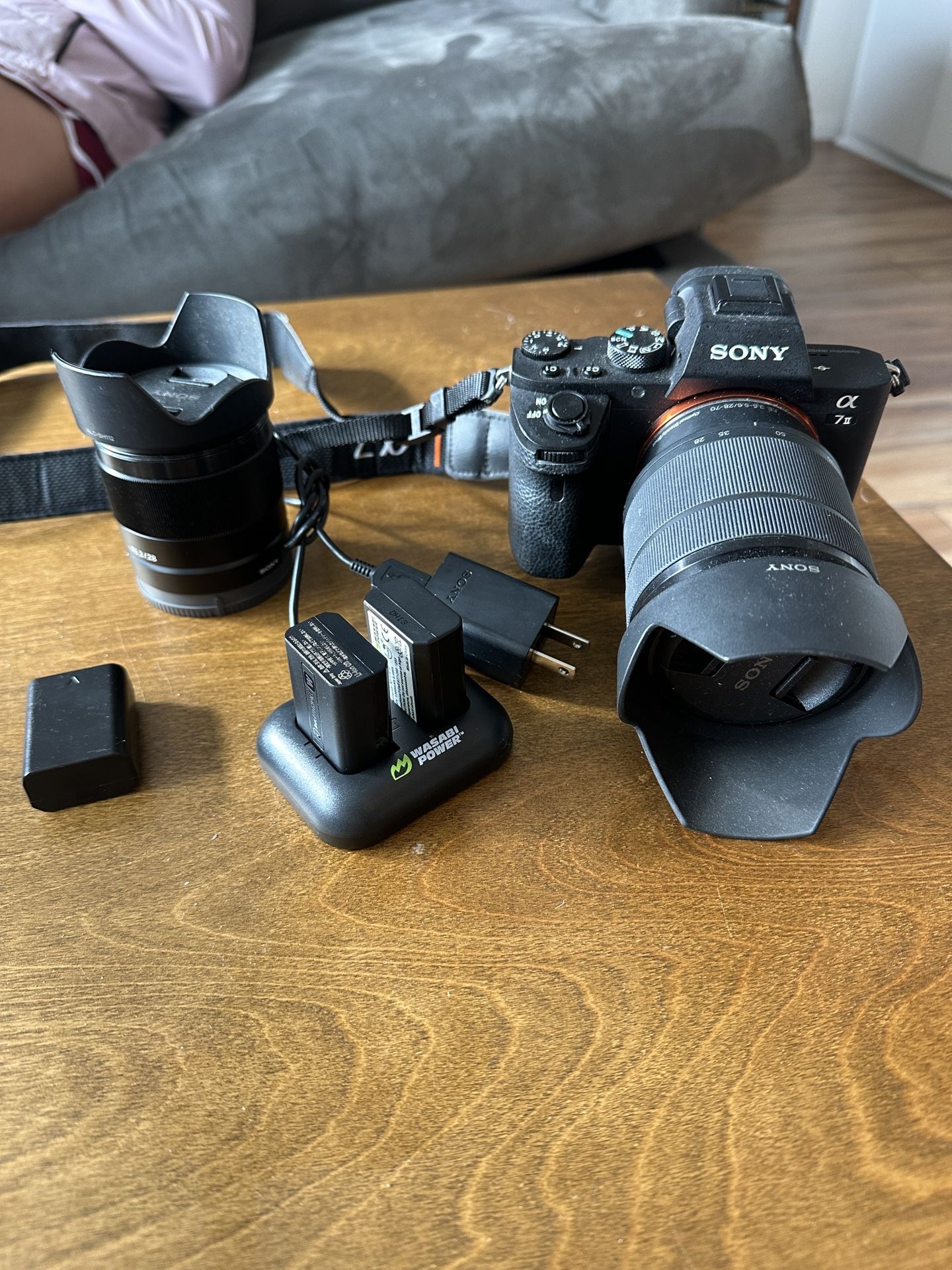
There is no specific product officially named an "A7II lens." The term refers to any lens compatible with the Sony Alpha 7 II (ILCE-7M2), a full-frame mirrorless camera released in 2014. These lenses must utilize the Sony E-mount system, designed specifically for the company's mirrorless architecture, and are optimized for the camera’s 35mm full-frame sensor.
Contents
Decoding the Camera-Lens Relationship
To understand what an "A7II lens" is, you must first understand the relationship between the camera body and the lens mount. The Sony Alpha 7 II utilizes the Sony E-mount. Unlike older DSLR cameras that used legacy mounts, mirrorless systems like the A7II have a much shorter "flange focal distance"—the distance between the lens mount and the sensor. This design allows for more compact lens constructions and the ability to adapt various vintage lenses using electronic or mechanical adapters.
When searching for a lens for your A7II, you are looking for lenses labeled as "E-mount." While Sony produces both APS-C and Full-Frame (FE) lenses for the E-mount, the A7II is a full-frame camera. If you attach an APS-C lens (often designated as "E" rather than "FE") to your A7II, the camera will automatically enter a "crop mode," reducing the resolution of your images significantly. Therefore, for the best performance, you should prioritize lenses branded as "FE."
The Distinction Between Sony FE and Third-Party Lenses
Sony’s proprietary FE-mount lenses offer the highest level of integration with the A7II’s autofocus and electronic aperture control. However, the E-mount ecosystem is open-standard, meaning third-party manufacturers like Sigma, Tamron, and Samyang produce high-quality glass that communicates fully with the A7II’s internal software.
When selecting a lens, consider the following categories:
- Native Sony G-Master (GM): These represent the pinnacle of Sony's optical engineering. They are designed for high-resolution sensors and offer fast apertures, weather sealing, and advanced autofocus motors.
- Third-Party Auto-Focus Lenses: Manufacturers like Sigma and Tamron provide "A7II-compatible" lenses that function identically to native glass in most settings, often at a lower price point.
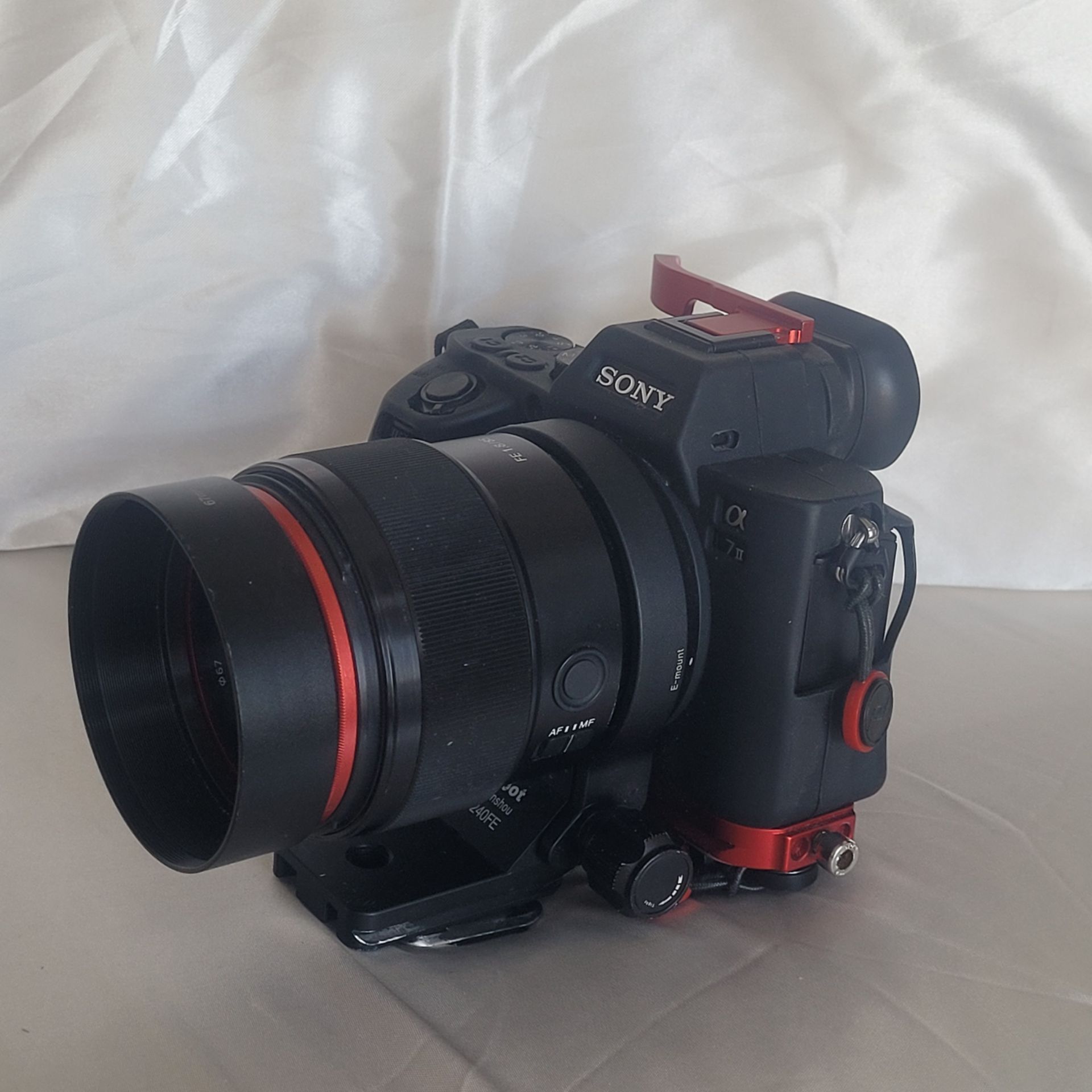
- Manual Focus / Adapted Lenses: Because the A7II is a mirrorless camera, you can use mechanical adapters to mount almost any lens from history, including Leica M-mount or Canon FD lenses. While these do not provide autofocus or electronic aperture control, they are a popular way to achieve specific "looks" or utilize vintage glass.
Technical Specifications to Consider
When shopping for an A7II lens, you must evaluate three core metrics that dictate how your photos will look: focal length, aperture, and stabilization compatibility.
Focal Length and Field of View
The focal length (measured in millimeters, e.g., 24mm, 50mm, 85mm) determines the magnification and angle of view. A 24mm lens is wide-angle, ideal for landscapes, while an 85mm lens is a telephoto prime, ideal for portraits. Since the A7II has a full-frame sensor, a 50mm lens will provide a "normal" view that mimics the perspective of the human eye.
Aperture and Low-Light Performance
The aperture, denoted by the f-stop number (e.g., f/1.4, f/2.8, f/4), dictates how much light enters the lens. A lower f-number means a wider aperture, which is critical for low-light photography and for creating a shallow depth of field (the blurry, soft background known as bokeh).
In-Body Image Stabilization (IBIS)
A critical feature of the Sony A7II is its SteadyShot INSIDE, which is a 5-axis In-Body Image Stabilization system. Because the stabilization is built into the camera body, any lens you attach—even manual focus vintage lenses—benefits from this stabilization. This makes the A7II an exceptionally versatile platform for photographers who enjoy experimenting with different types of glass.
Lens Comparison Guide
| Lens Type | Focal Length | Typical Use Case | Advantage |
|---|---|---|---|
| Wide-Angle Prime | 24mm - 35mm | Landscapes, Street | Compact, sharp, fast aperture |
| Standard Prime | 50mm - 55mm | Portraits, General | Natural perspective, low cost |
| Portrait Prime | 85mm - 135mm | Headshots, Fashion | Excellent background compression |
| Standard Zoom | 24-70mm | Versatile daily carry | One-lens solution for most scenes |
| Telephoto Zoom | 70-200mm | Sports, Wildlife | Versatile reach, professional look |
Common Mistakes When Purchasing Lenses
A frequent error for new A7II owners is purchasing "E" mount lenses instead of "FE" mount lenses. While they fit the mount, an "E" lens is designed for the smaller sensors found in cameras like the A6000 series. If you put an E-mount lens on your A7II, your 24-megapixel sensor will be cropped down to approximately 10 megapixels to match the image circle of the lens, wasting the potential of your full-frame sensor.
Another mistake is ignoring the weight and balance of the lens. The A7II is a relatively small body. Attaching a massive, front-heavy cinema lens without a tripod collar can cause strain on the camera’s lens mount and make the setup difficult to hold steady for long periods. Always ensure the lens size matches your intended use, whether that is handheld street photography or professional studio work.
Maintenance and Care for Your Optics
Because the Sony A7II is a mirrorless system, the sensor is closer to the mount than in a DSLR. When you change lenses, the sensor is more exposed to dust. Always store your camera with the body cap on and your lenses with both front and rear caps attached.
Clean your lenses using only professional-grade lens cloths and cleaning solutions. Never touch the glass with your fingers, as the oils from your skin can degrade the specialized lens coatings designed to reduce glare and improve color contrast. If you are shooting in dusty or humid environments, consider using a high-quality UV or clear filter to provide a physical barrier between the elements and your front lens element.
Frequently Asked Questions
Can I use my old Canon or Nikon lenses on the Sony A7II?
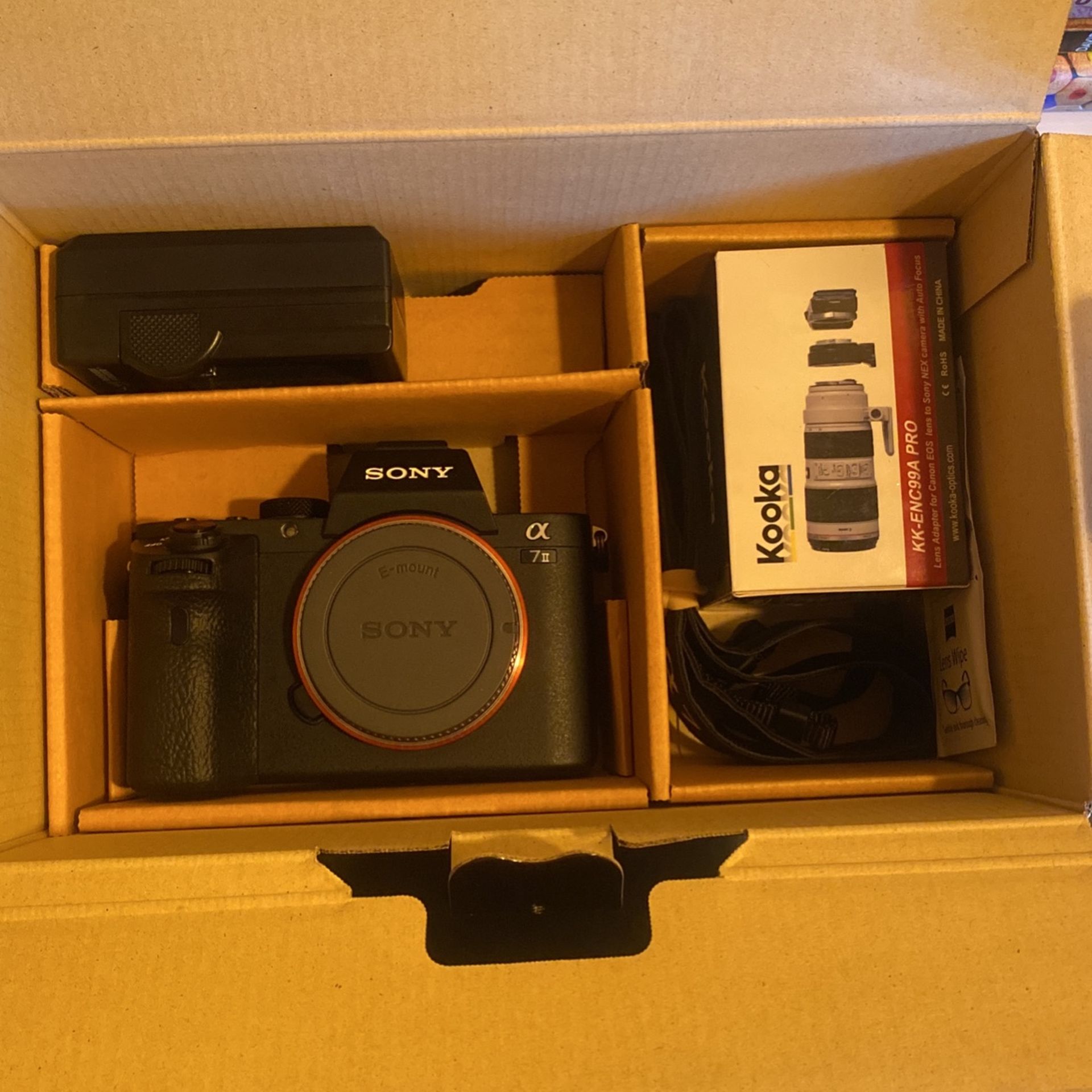
Yes, you can. Because of the short flange distance of the A7II, you can purchase electronic adapters that allow you to use many Canon EF or Nikon F lenses. Note that autofocus performance with these adapters may be slower than using native Sony or Sigma FE lenses.
Is the A7II compatible with all Sony E-mount lenses?
The A7II is physically compatible with all E-mount lenses. However, for full-frame coverage without resolution loss, you should use lenses labeled "FE." Using APS-C "E" lenses will force your camera into crop mode.
Do I need a lens with stabilization if my A7II has IBIS?
Your camera’s internal stabilization works with any lens. However, some long telephoto lenses include "Optical SteadyShot" (OSS). When you use an OSS lens on an A7II, the camera and lens communicate to provide a hybrid stabilization that is often more effective than IBIS alone, particularly at focal lengths over 100mm.
What is the best "starter" lens for the A7II?
A 50mm f/1.8 prime lens is widely considered the best starter lens. It is affordable, sharp, and provides a natural perspective, making it excellent for learning how aperture and depth of field affect your images.
Does the A7II require special firmware for third-party lenses?
Generally, no. However, keeping your A7II firmware updated to the latest version ensures the best possible autofocus speed and compatibility with newer lenses released by third-party manufacturers.
Next Steps for Your Kit
If you are looking to build a versatile kit, start with a "fast" 50mm prime lens. This will teach you the fundamentals of depth of field and low-light performance. Once you determine which focal lengths you enjoy most, invest in a 24-70mm zoom lens for general-purpose shooting or an 85mm prime if you find yourself gravitating toward portraiture. Always verify that any lens you purchase is marked for "FE" to ensure you are utilizing the full potential of your A7II’s full-frame sensor.
Image Gallery