Understanding the Current of a 9V Battery: Capacity, Limits, and Performance
The current a 9V battery can deliver depends on its internal resistance and the electrical load connected to it. While a standard alkaline 9V battery typically provides a continuous discharge of 10 to 50 mA for optimal life, it can mom...
The current a 9V battery can deliver depends on its internal resistance and the electrical load connected to it. While a standard alkaline 9V battery typically provides a continuous discharge of 10 to 50 mA for optimal life, it can momentarily supply higher currents up to 2–3 amps during a short circuit, though this quickly depletes the cell and generates significant heat.
Contents
The Fundamentals of 9V Battery Current
To understand the current of a 9V battery, one must first distinguish between voltage, current, and capacity. In the context of 2026 electronics, where efficiency is paramount, the 9V battery remains a staple for low-power, high-voltage-requirement devices like smoke detectors, guitar pedals, and handheld medical instruments. However, it is often misunderstood as a "powerhouse" when it is actually designed for endurance rather than high-current bursts.
Ohm’s Law and the Role of Resistance
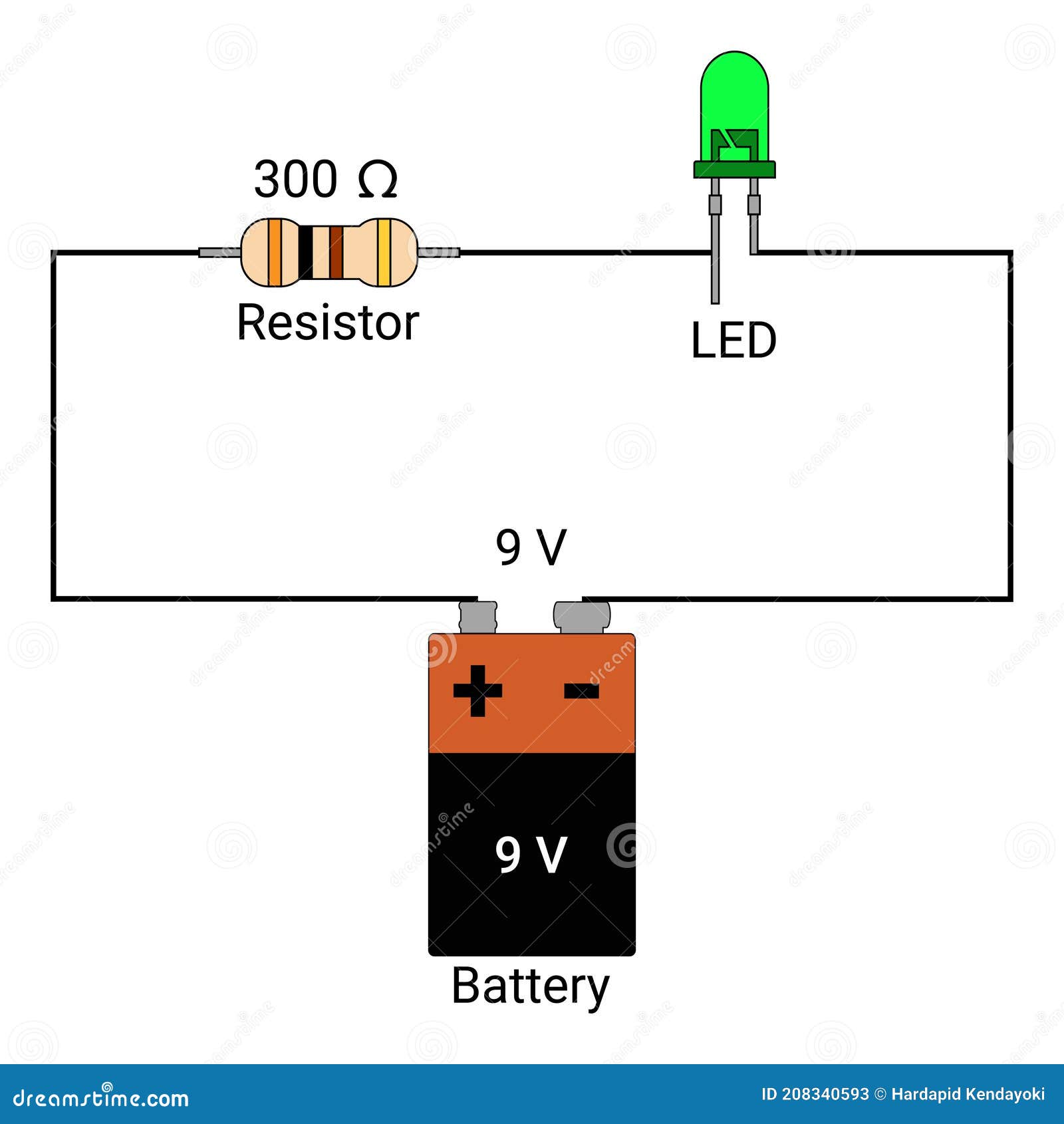
The actual current flowing through a circuit is governed by Ohm’s Law, which states that current ($I$) is equal to voltage ($V$) divided by resistance ($R$). While a 9V battery provides a nominal 9 volts, the amount of current it pushes through a device is determined by the device's own electrical resistance. If you connect a component with very low resistance, the current will spike; if the resistance is high, the current will be a mere trickle.
However, there is a hidden variable: internal resistance. Every battery has an inherent resistance within its own chemical structure. For a 9V alkaline battery, this is typically between 1 and 2 ohms when new. This internal resistance limits the maximum theoretical current the battery can provide, regardless of how low the external resistance is. As the battery ages or discharges, this internal resistance increases, which is why a "dying" battery might still show 9V on a voltmeter but fail to power a device once a load is applied.
Capacity: The Milliamps-Hour (mAh) Metric
When people ask about the "current" of a battery, they are often actually asking about its capacity. Capacity is measured in milliamp-hours (mAh). This represents how much total energy the battery holds. For instance, a battery rated at 500 mAh can theoretically provide 50 mA of current for 10 hours, or 5 mA for 100 hours.
In 2026, standard 9V battery capacities generally fall into these ranges:
- Carbon-Zinc (Heavy Duty): 350–400 mAh
- Alkaline: 500–600 mAh
- Lithium (Primary): 1,000–1,200 mAh
- NiMH (Rechargeable): 200–300 mAh
- Lithium-Ion (Rechargeable): 500–700 mAh
Chemical Variations and Current Discharge Rates
The chemistry of a 9V battery dictates its "C-rate," or how quickly it can safely discharge its stored energy. Not all 9V batteries are created equal when it comes to delivering current.
Alkaline 9V Batteries
Alkaline batteries are the most common. They consist of six 1.5V cells connected in series inside the rectangular housing. Because these cells are small and thin, they have a relatively high internal resistance. They are optimized for low-current, long-duration applications. If you attempt to draw more than 100 mA from an alkaline 9V, the voltage will "sag" significantly, and the battery's effective capacity will drop. For example, a 600 mAh battery might only provide 300 mAh of total energy if discharged at a high 200 mA rate.
Lithium 9V Batteries
Lithium (non-rechargeable) 9V batteries are the premium choice for high-drain or mission-critical devices. They offer much lower internal resistance and higher energy density. A lithium 9V can maintain its voltage more effectively under a heavy load than an alkaline equivalent. This makes them ideal for professional wireless microphones or medical telemetry units used in 2026 healthcare environments. They also perform significantly better in extreme temperatures, where alkaline chemistry often fails to provide sufficient current.
Rechargeable 9V Options (NiMH and Li-ion)
Rechargeable 9V batteries are unique because their internal architecture differs.
- NiMH (Nickel Metal Hydride): Usually consist of 7 or 8 small cells. They have a very high self-discharge rate but can provide decent current. However, their total capacity is often lower than alkaline.
- Lithium-Ion: These are modern marvels that usually contain two 3.7V cells and a boost converter or protection circuit. While they provide very steady current, the electronics inside may "cut off" the power entirely if the current draw exceeds a safe limit (usually around 500 mA to 1 Amp).
Technical Specifications and Performance Comparison
The following table compares the typical current-related specifications for the various 9V battery chemistries available in 2026.
| Battery Type | Nominal Voltage | Typical Capacity (mAh) | Max Recommended Continuous Current | Peak Short-Term Current |
|---|---|---|---|---|
| Alkaline | 9V | 550 mAh | 50 mA | 2.0 A |
| Lithium (Primary) | 9V | 1,200 mAh | 100 mA | 3.0 A |
| Carbon-Zinc | 9V | 400 mAh | 10 mA | 1.0 A |
| NiMH (Rechargeable) | 8.4V - 9.6V | 250 mAh | 150 mA | 2.5 A |
| Li-ion (Rechargeable) | 7.4V - 9V | 600 mAh | 500 mA | 1.5 A (Limited by BMS) |
Factors Affecting Current Delivery
Several environmental and physical factors can prevent a 9V battery from delivering its rated current. Understanding these is vital for troubleshooting electronic projects.
The Impact of Temperature
Chemical reactions within a battery slow down as temperatures drop. At freezing temperatures (0°C / 32°F), an alkaline 9V battery might only be able to deliver 50% of its rated current. Conversely, excessive heat can increase the rate of chemical reaction, potentially leading to "thermal runaway" or leaking if the battery is forced to discharge too much current too quickly.
Voltage Sag under Load
As soon as a load is applied to a 9V battery, the voltage measured across its terminals will drop below 9V. This is known as voltage sag. The more current you draw, the deeper the sag. In high-current applications (like driving a small DC motor), the voltage might drop to 6V or 7V immediately. If the device requires at least 8V to function, it will shut down, even if the battery is technically "full."
Age and Shelf Life
Even when not in use, batteries undergo internal chemical degradation. In 2026, most quality alkaline batteries have a shelf life of 5 to 10 years, but their ability to deliver high bursts of current diminishes long before they are completely dead. Oxidation on the battery terminals can also add contact resistance, further limiting the current flow.
Measuring Current Safely
To determine the current a 9V battery is providing to a device, you must use a multimeter. However, measuring current is fundamentally different from measuring voltage.
- Series Connection: To measure current, the multimeter must be placed in series with the load. This means the current must flow out of the battery, through the meter, and then into the device.
- Avoid Shorting: Never connect the multimeter probes directly to the positive and negative terminals of the battery while the meter is in "Current" (Amps) mode. Because the meter has near-zero resistance in this mode, you will create a short circuit. This can blow the fuse in your multimeter, damage the battery, or cause the battery to overheat and vent.
- Selecting the Range: Most 9V applications operate in the milliamp range. Start with the highest setting (usually 10A) to be safe, then move down to the mA scale for a more precise reading.
Practical Applications and Current Limits
Low-Current Devices (1–10 mA)
Devices like smoke detectors or digital clocks require very little current. In these cases, the "shelf life" of the battery is more important than its current-delivery capability. An alkaline 9V can power a smoke detector for over a year because the average current draw is in the microamp ($\mu A$) range, with only brief pulses of milliamps for self-testing.
Moderate-Current Devices (20–100 mA)
Guitar pedals, handheld scanners, and LED flashlights fall into this category. An alkaline 9V battery is suitable here, typically lasting 5 to 20 hours of continuous use. If you notice "noise" or distortion in audio equipment, it is often a sign that the battery's internal resistance has increased and it can no longer provide the necessary peak current for the audio peaks.
High-Current Devices (>150 mA)
Small RC cars, heated clothing, or high-power transmitters are generally poor candidates for a 9V battery. These devices will drain a standard alkaline battery in under an hour. For these applications, 2026 standards suggest using specialized Li-ion 9V packs or switching to a different power source entirely, such as a Li-Po battery pack, which can handle higher discharge rates.
Frequently Asked Questions
Can a 9V battery kill you?
No, under normal circumstances, a 9V battery cannot deliver enough current through the high resistance of human skin to cause a fatal electric shock. The primary danger of a 9V battery is the heat generated during a short circuit, which can cause skin burns or start fires if the battery comes into contact with metallic objects like keys or coins in a pocket.
Why do some 9V batteries feel heavy while others feel light?
The weight generally corresponds to the chemistry and capacity. Alkaline batteries contain dense manganese dioxide and zinc, making them heavier. Lithium 9V batteries use lithium metal or compounds which are much lighter. Generally, in 2026, a lighter 9V battery is often a high-capacity lithium primary cell, whereas a very light rechargeable might indicate a lower-capacity Li-ion design.
How much current is in a short-circuited 9V battery?
When short-circuited, a fresh alkaline 9V battery can produce between 2 and 5 amps of current. However, this is extremely dangerous. The internal resistance will cause the battery to heat up rapidly, which can lead to the casing rupturing or the battery leaking caustic chemicals.
Can I use a 9V battery to power a 1A motor?
While a 9V battery can momentarily provide 1A, it cannot do so sustainably. The voltage will likely sag below the level required to keep the motor turning effectively, and the battery will be exhausted in just a few minutes. It is better to use six AA batteries in series, which have much lower internal resistance and higher current-delivery capabilities.
Does the current stay the same as the battery dies?
No. As the battery is used, the chemical reactants are consumed, and internal resistance increases. This means the battery becomes less capable of delivering high current as it approaches the end of its life. A "dead" battery might still show 9V on a meter (no-load voltage) but the voltage will collapse to near zero the moment any current is drawn.
Final Recommendation
When selecting a 9V battery based on current needs, always match the chemistry to the application. For low-drain safety devices like smoke alarms, use a high-quality Alkaline or Lithium primary battery for longevity. For hobbyist electronics or devices requiring more than 50 mA of continuous current, opt for Rechargeable Li-ion 9V batteries, as they provide a more stable voltage curve and lower long-term costs. Always store 9V batteries with their terminals covered to prevent accidental high-current discharge and fire hazards.
Image Gallery