Understanding What Is Produced in the Electron Transport Chain
The electron transport chain produces a proton gradient across the inner mitochondrial membrane, which subsequently drives the synthesis of ATP via ATP synthase, while also generating water as electrons are safely transferred to molecu...
The electron transport chain produces a proton gradient across the inner mitochondrial membrane, which subsequently drives the synthesis of ATP via ATP synthase, while also generating water as electrons are safely transferred to molecular oxygen at the terminal end of the pathway.
Contents
Cellular respiration is a foundational metabolic process by which living organisms convert biochemical energy from nutrients into adenosine triphosphate (ATP), releasing waste products in the process. Within aerobic cellular respiration, the electron transport chain (ETC) represents the final and most prolific stage of ATP generation. While glycolysis and the citric acid cycle (Krebs cycle) set the stage by breaking down glucose and capturing high-energy electrons, the electron transport chain converts that potential energy into a usable cellular currency. Understanding what is produced in this complex biochemical pathway illuminates how cells sustain life, manage oxidative stress, and maintain energetic homeostasis.
The Foundation of Cellular Respiration and Electron Carriers
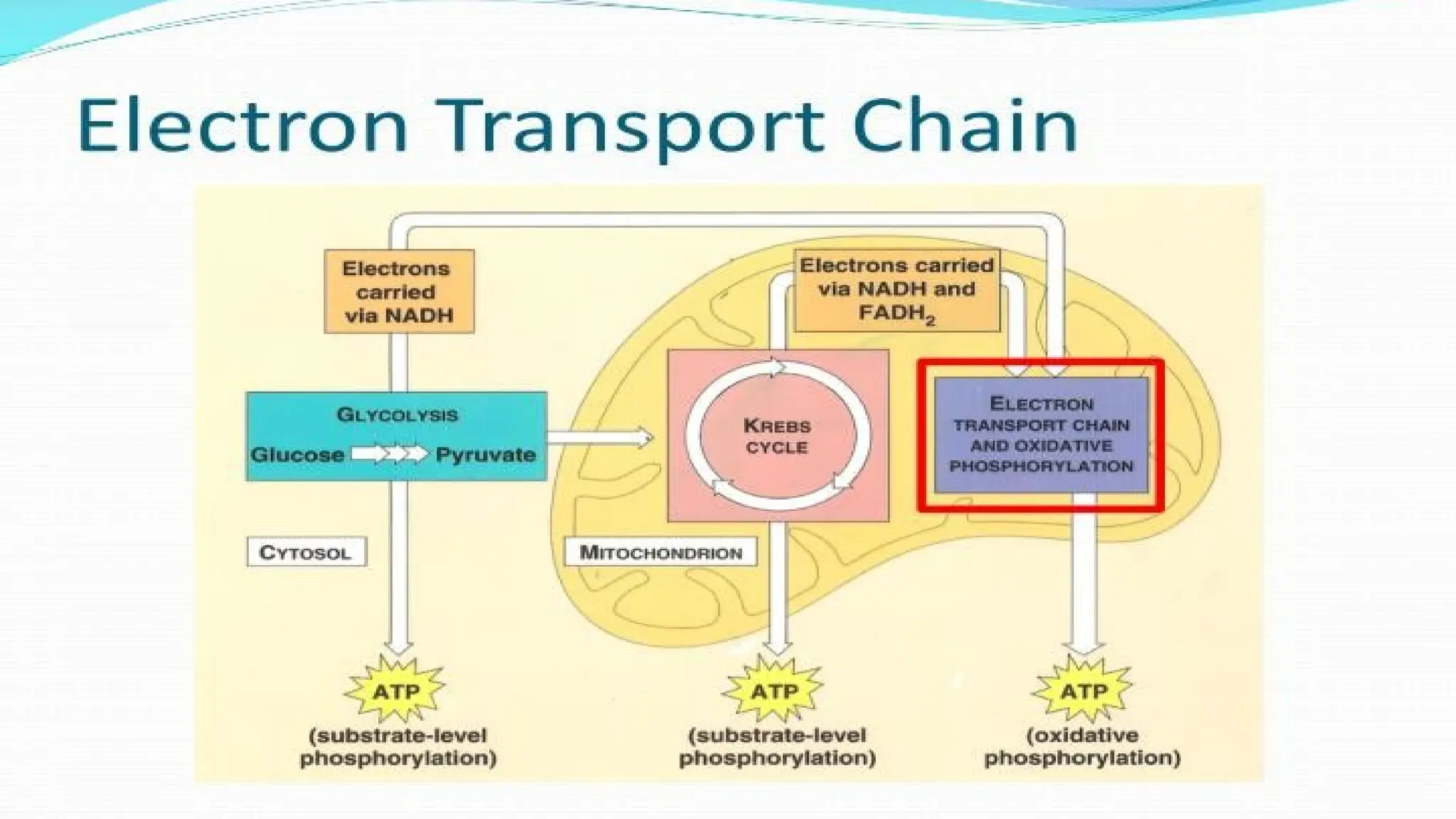
To fully comprehend what the electron transport chain produces, one must first examine the inputs that feed into it. The ETC does not operate in a vacuum; it relies directly on the electron carriers generated during the earlier phases of cellular respiration: glycolysis, the link reaction, and the citric acid cycle.
As glucose and other organic molecules are systematically degraded, coenzymes are reduced by accepting electrons and hydrogen ions. The two primary electron carriers entering the electron transport chain are:
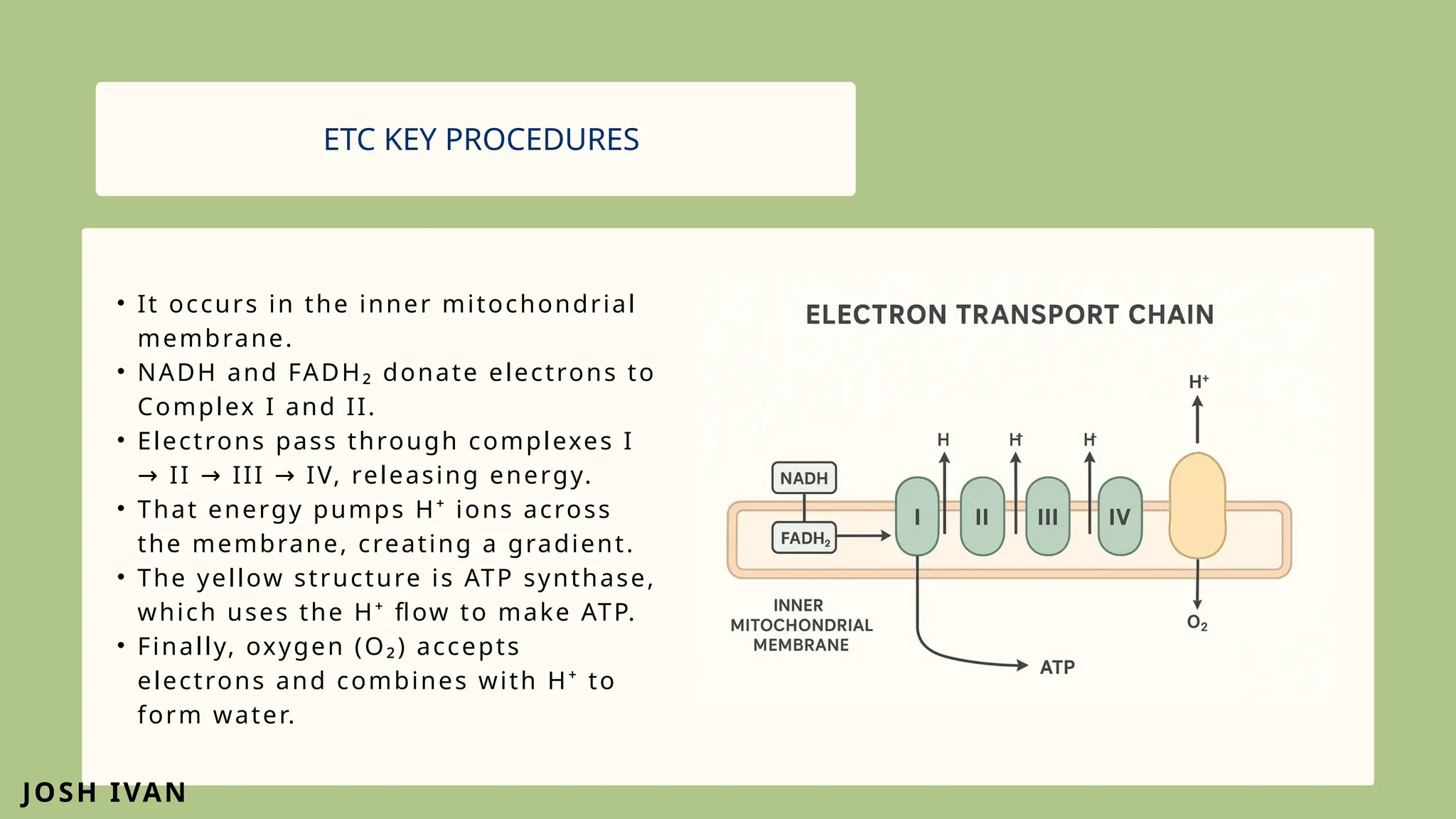
- Nicotinamide Adenine Dinucleotide ($NADH$): Produced in high quantities during the citric acid cycle and glycolysis, $NADH$ carries high-energy electrons to Complex I of the ETC.
- Flavin Adenine Dinucleotide ($FADH_2$): Produced primarily during the citric acid cycle when succinate is converted to fumarate, $FADH_2$ delivers its electrons slightly downstream to Complex II.
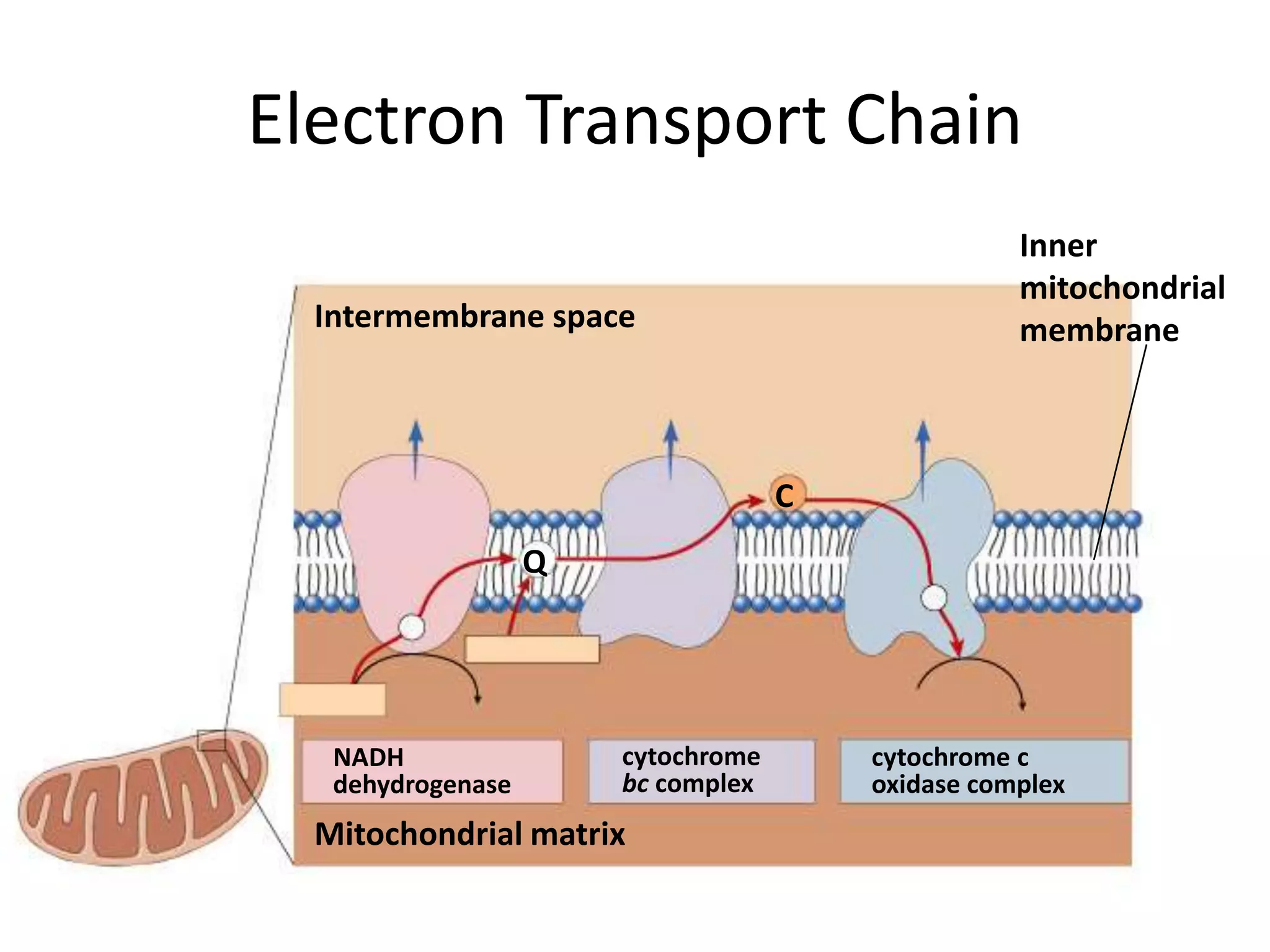
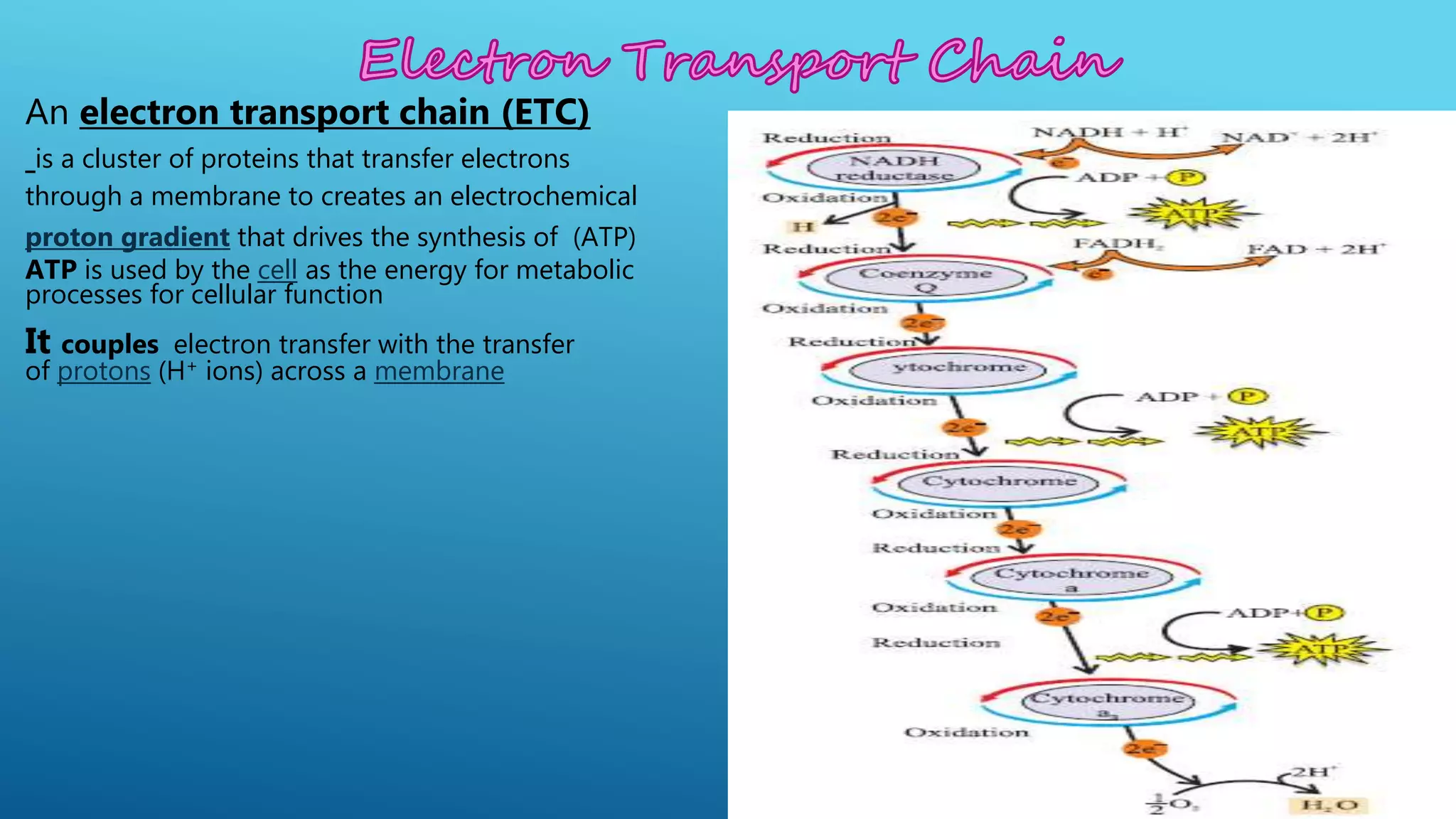
These carriers arrive at the inner mitochondrial membrane laden with electrons stripped from carbon bonds. The primary function of the electron transport chain is to strip these electrons away from $NADH$ and $FADH_2$, reoxidizing them back into $NAD^+$ and $FAD$ so they can return to earlier metabolic pathways and keep cellular respiration running. As the electrons cascade down a series of multi-protein complexes, they release free energy, which is systematically harnessed by the cell.
Primary Product 1: The Proton Gradient (Proton-Motive Force)
The most immediate and critical thermodynamic product of the electron transport chain is not ATP directly, but rather an electrochemical proton gradient, often referred to as the proton-motive force.
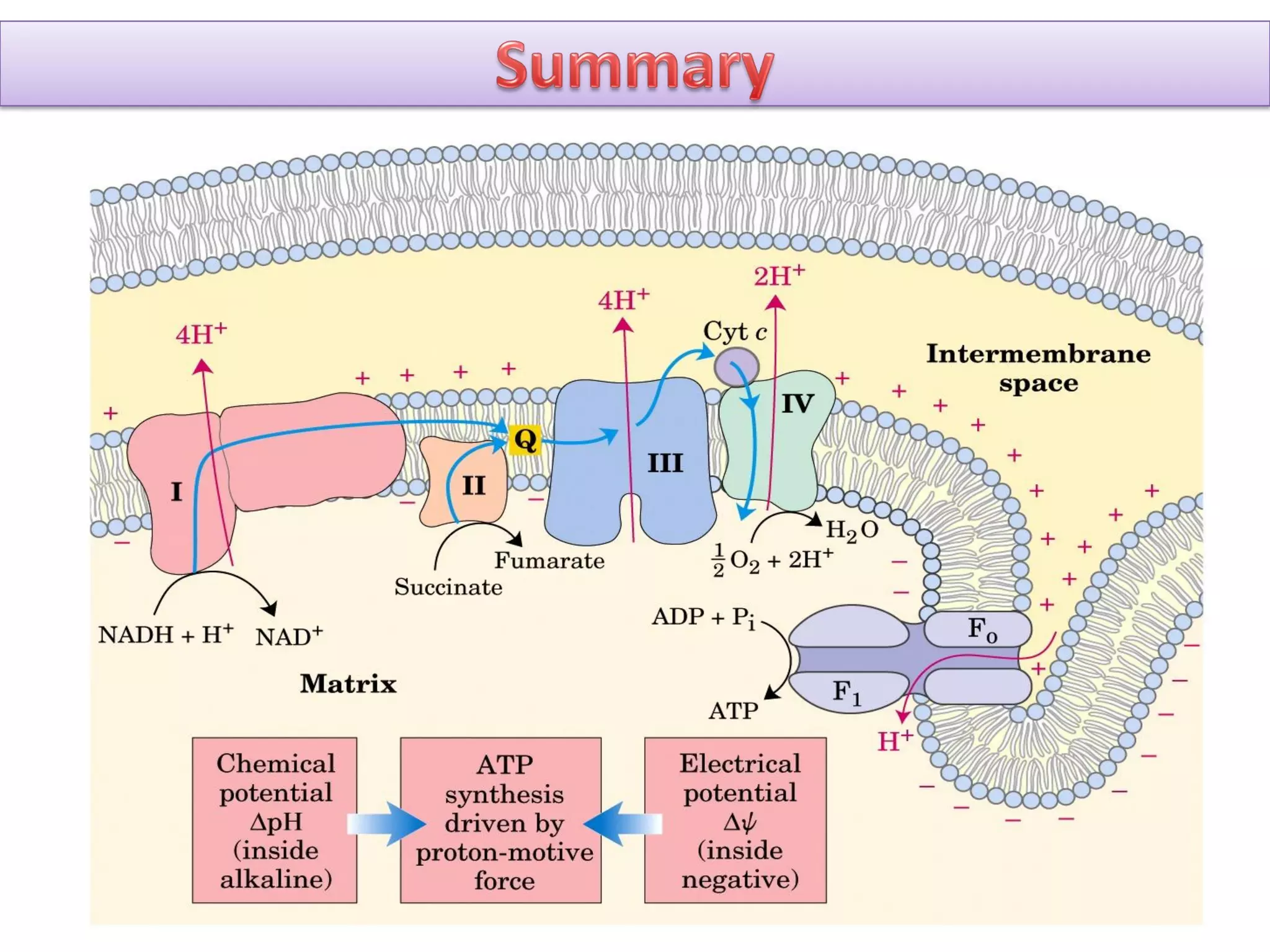
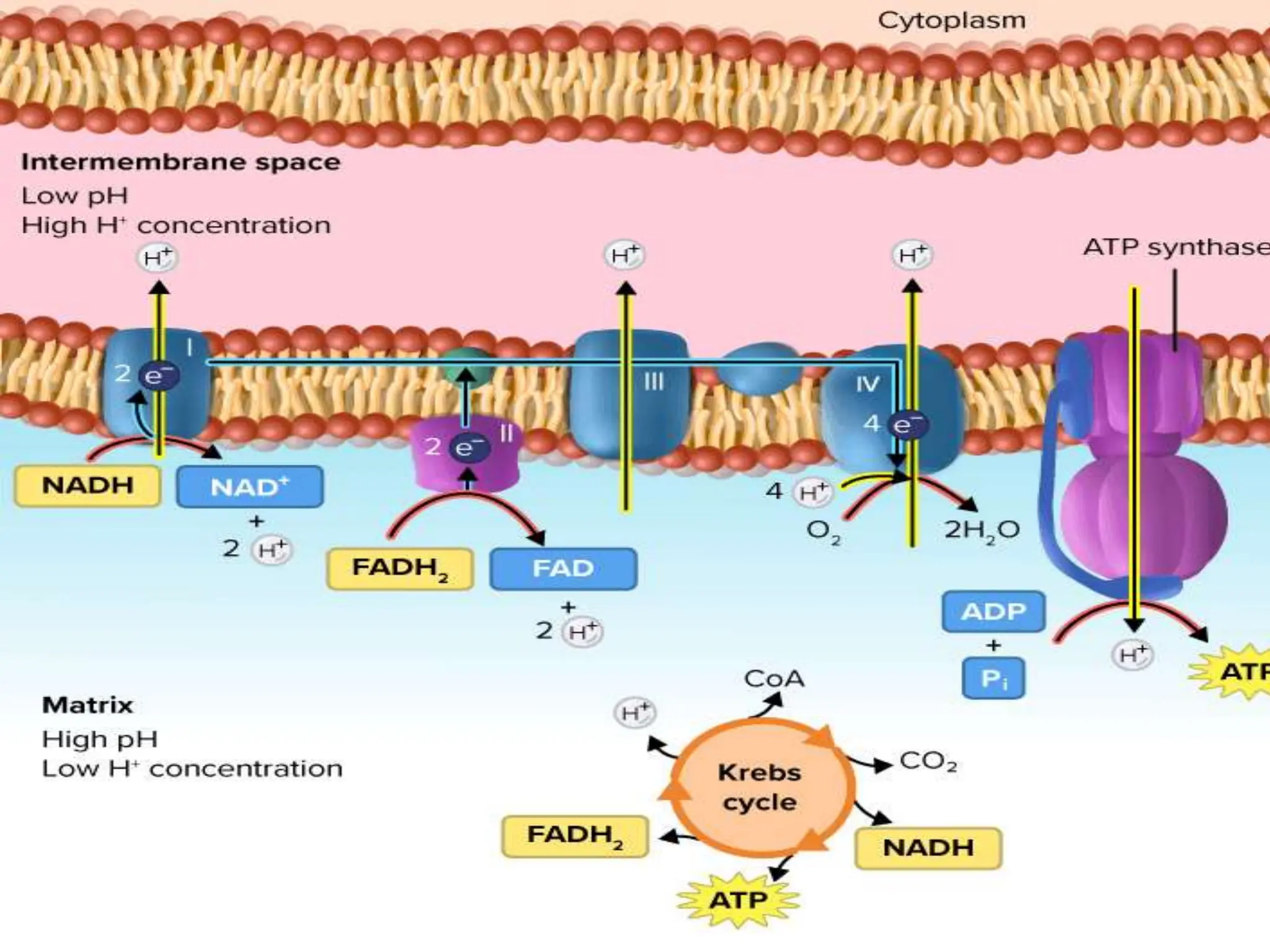
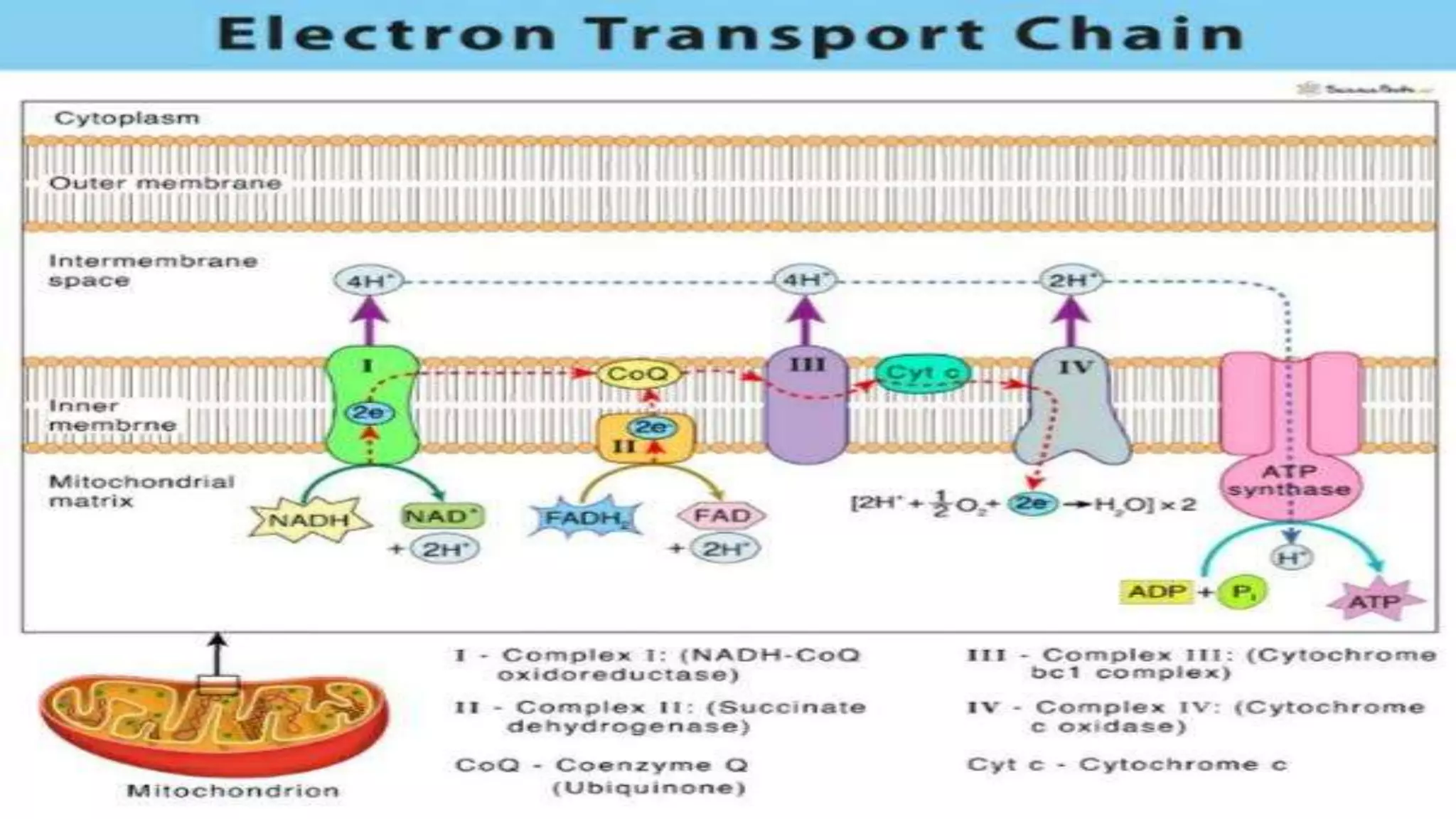
As electrons move through Complexes I, III, and IV of the electron transport chain, their passage releases energy. Protein complexes use this energy to actively pump hydrogen ions ($H^+$ protons) from the mitochondrial matrix across the inner mitochondrial membrane and into the intermembrane space. Complex II does not pump protons, but it contributes electrons to the mobile carrier ubiquinone (coenzyme Q), which feeds into Complex III.
This directional pumping creates a profound chemical and electrical imbalance:
- Concentration Gradient: The intermembrane space becomes heavily concentrated with hydrogen ions, while the mitochondrial matrix becomes relatively alkaline (low in $H^+$ concentration).
- Electrical Gradient: The accumulation of positively charged protons in the intermembrane space leaves the matrix side with a net negative charge.
This combined gradient represents stored potential energy. Without this proton-motive force, the synthesis of ATP via oxidative phosphorylation would grind to a halt. The ETC acts essentially like a biological hydroelectric dam, pumping protons uphill to create a reservoir of potential energy that will be tapped downstream.
Primary Product 2: Water ($H_2O$)
At the very end of the electron transport chain sits Complex IV, also known as cytochrome c oxidase. Here, the depleted electrons must be safely disposed of to prevent electrical backups within the protein complexes.
Molecular oxygen ($O_2$) serves as the terminal electron acceptor in aerobic respiration. When oxygen accepts these low-energy electrons, it immediately combines with free hydrogen ions present in the mitochondrial matrix to form water ($H_2O$). The chemical reaction can be summarized as:
$$O_2 + 4e^- + 4H^+ \rightarrow 2H_2O$$
The production of metabolic water is a vital endpoint. Without oxygen to act as the terminal electron acceptor, electrons would back up through the chain, halting the movement of the proton-motive force, stopping $NADH$ oxidation, and rapidly shutting down cellular respiration. This is why oxygen is strictly required for aerobic organisms; its sole purpose at the molecular level in this pathway is to pull electrons through the chain and safely neutralize them into harmless water molecules.
Secondary Product: ATP via Oxidative Phosphorylation
It is a common misconception that the electron transport chain manufactures ATP directly. Strictly speaking, the ETC produces a proton gradient, and a separate enzymatic turbine called ATP synthase uses that gradient to manufacture ATP. However, because the two processes are coupled in oxidative phosphorylation, ATP production is universally treated as the ultimate functional output of the chain.
As protons flow passively down their electrochemical gradient from the intermembrane space back into the mitochondrial matrix, they must pass through the narrow channel of ATP synthase. This flow of protons drives the mechanical rotation of the enzyme's catalytic subunits, forcing the phosphorylation of adenosine diphosphate ($ADP$) and inorganic phosphate ($P_i$) into ATP.
| Component | Direct Output | Immediate Functional Result |
|---|---|---|
| Complexes I, III, IV | Proton Gradient | Pumps $H^+$ into the intermembrane space |
| Complex IV & Oxygen | Metabolic Water ($H_2O$) | Safely disposes of spent electrons |
| ATP Synthase | Adenosine Triphosphate (ATP) | Provides cellular energy for metabolic work |
| Electron Carriers | Reoxidized $NAD^+$ & $FAD$ | Returns carriers to glycolysis and the Krebs cycle |
Through this mechanism, the oxidation of a single molecule of $NADH$ typically drives the synthesis of approximately $2.5$ ATP molecules, while $FADH_2$ yields approximately $1.5$ ATP molecules due to entering the chain at a lower energy state at Complex II.
Byproducts and Reactive Oxygen Species (ROS)
While the primary products are the proton gradient, water, and ultimately ATP, the electron transport chain also yields unavoidable chemical byproducts. Because electron transfer is remarkably efficient but not entirely perfect, a small fraction of electrons leak out prematurely—usually at Complex I or Complex III.
When stray electrons directly interact with ambient oxygen molecules before reaching Complex IV, they form reactive oxygen species (ROS), such as superoxide radicals ($O_2^{\bullet-}$) and hydrogen peroxide ($H_2O_2$).
While excessive ROS can cause severe oxidative stress, lipid peroxidation, and cellular damage if left unchecked, cells produce endogenous antioxidant enzymes—such as superoxide dismutase, catalase, and glutathione peroxidase—to neutralize these byproducts. Furthermore, regulated amounts of ROS play important physiological roles in cell signaling, immune defense, and gene expression.
Comparison of Electron Transport Chain Products Across Organisms
The fundamental mechanics of the electron transport chain are conserved across vast domains of life, though the specific electron donors, terminal acceptors, and membrane architectures can vary widely between aerobic eukaryotes, anaerobic bacteria, and archaea.
- Eukaryotes (Mitochondria): Utilize inner mitochondrial membranes, taking electrons from $NADH$ and $FADH_2$, pumping protons across the inner membrane, and utilizing oxygen to produce water and maximal ATP yields.
- Aerobic Prokaryotes (Bacteria): Because bacteria lack mitochondria, their electron transport chains are embedded within the plasma membrane. They generate a proton gradient across the cell wall to drive ATP synthesis and flagellar rotation.
- Anaerobic Prokaryotes: Some bacteria do not use oxygen. Instead, they use alternative terminal electron acceptors such as sulfate ($SO_4^{2-}$), nitrate ($NO_3^-$), or carbon dioxide ($CO_2$), producing hydrogen sulfide, nitrogen gas, or methane alongside smaller yields of ATP.
Frequently Asked Questions
What is the final electron acceptor in the electron transport chain?
Molecular oxygen ($O_2$) is the final electron acceptor in aerobic cellular respiration. It accepts the spent electrons at the end of Complex IV and combines with hydrogen ions to form water, preventing clogs in the electron transport chain and allowing continuous ATP synthesis.
Does the electron transport chain produce ATP directly?
No, the electron transport chain itself does not synthesize ATP. Instead, it uses the energy from electrons to pump protons across the inner mitochondrial membrane, creating a proton gradient. ATP synthase then utilizes that gradient to produce ATP through oxidative phosphorylation.
How much water is produced by the electron transport chain?
For every pair of electrons that passes through the chain to oxygen, one molecule of water is formed per half-oxygen molecule ($1/2 O_2 + 2e^- + 2H^+ \rightarrow H_2O$). Over the course of cellular respiration, multiple water molecules are generated as a natural metabolic byproduct.
What happens if oxygen is absent from the electron transport chain?
If oxygen is absent, it cannot accept electrons at the end of Complex IV. The electron transport chain backs up immediately, halting proton pumping, depleting the proton gradient, and stopping oxidative phosphorylation. Cells must then rely on anaerobic pathways like fermentation to survive short-term energy deficits.
What are the recycled products returned to earlier stages of respiration?
The electron transport chain reoxidizes $NADH$ and $FADH_2$ back into $NAD^+$ and $FAD$. These regenerated coenzymes are sent back to glycolysis, the link reaction, and the citric acid cycle to pick up more electrons and keep cellular respiration operational.
Conclusion and Next Actions
The electron transport chain produces a proton-motive force, metabolic water, reoxidized coenzymes, and—coupled with ATP synthase—the vast majority of the ATP required to sustain cellular life. For students and researchers examining bioenergetics, the next logical step is to analyze the quantitative bioenergetic yield calculations per glucose molecule, exploring how metabolic poisons or uncoupling agents disrupt this delicate chain of reactions.
Image Gallery