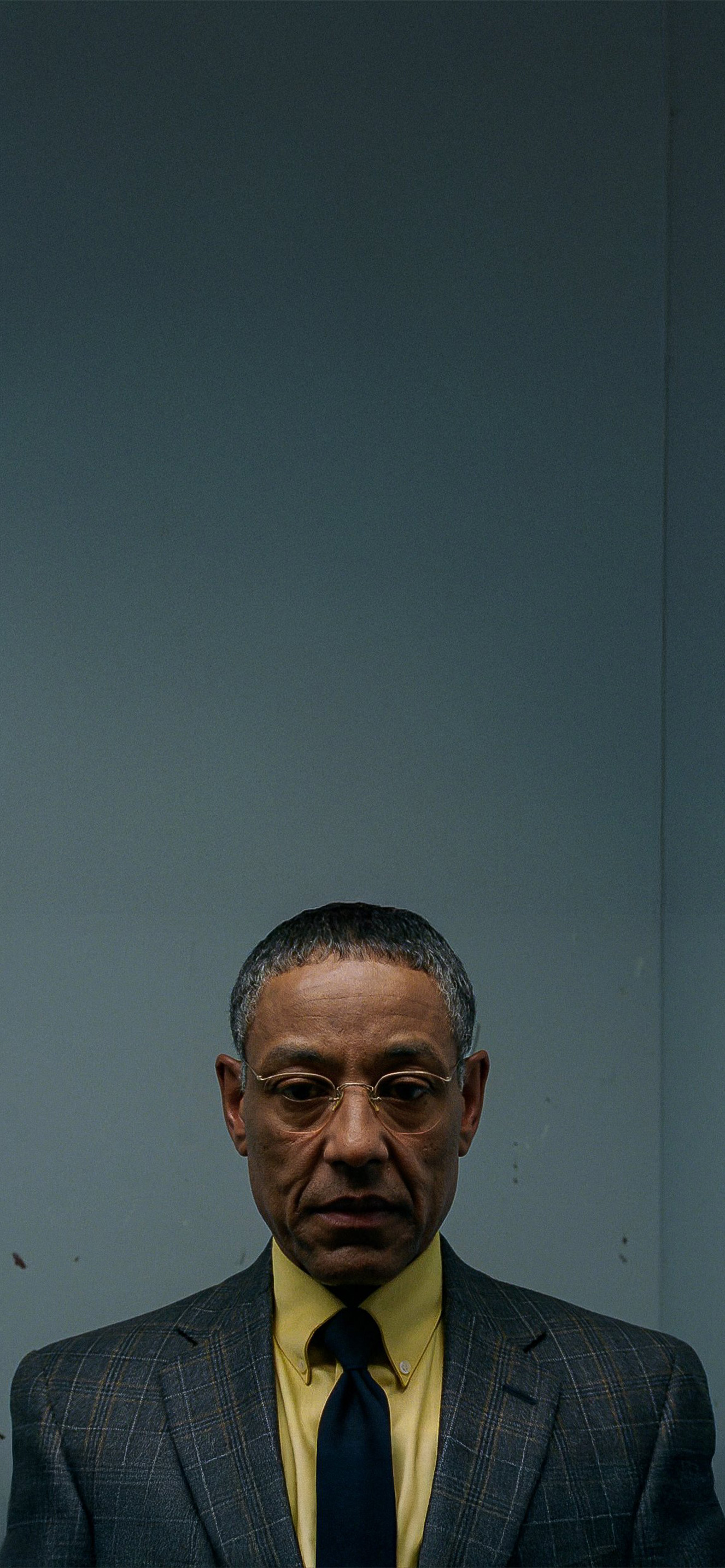
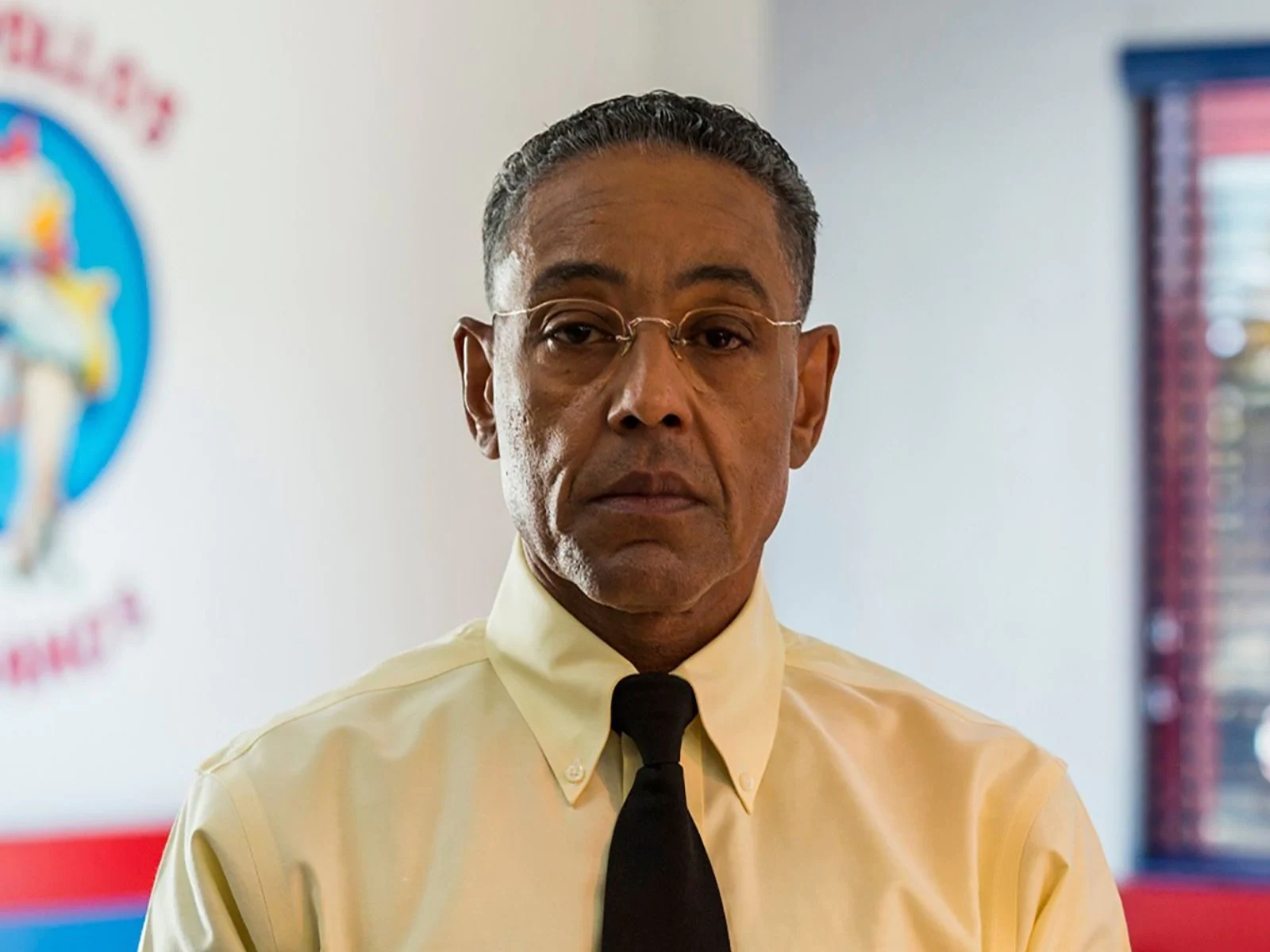
Does Gus Fring Die in the Breaking Bad Finale? The Fate of Gustavo Fring Explained
Gustavo "Gus" Fring does not die in the Breaking Bad series finale. Instead, Gus Fring dies in the Season 4 finale, titled "Face Off" (Episode 13). He is killed in a rigged pipe-bomb explosion orchestrated by Walter White and executed...
Gustavo "Gus" Fring does not die in the Breaking Bad series finale. Instead, Gus Fring dies in the Season 4 finale, titled "Face Off" (Episode 13). He is killed in a rigged pipe-bomb explosion orchestrated by Walter White and executed by Hector Salamanca at the Casa Tranquila nursing home.
Contents
Season 4 Finale vs. Series Finale: Clearing Up the Timeline
A widespread misconception among viewers and searchers is that Gustavo Fring dies in the final episode of Breaking Bad. Because the death of Gus Fring represents one of the most dramatic climaxes in television history, viewers frequently confuse the Season 4 finale with the overall series finale.
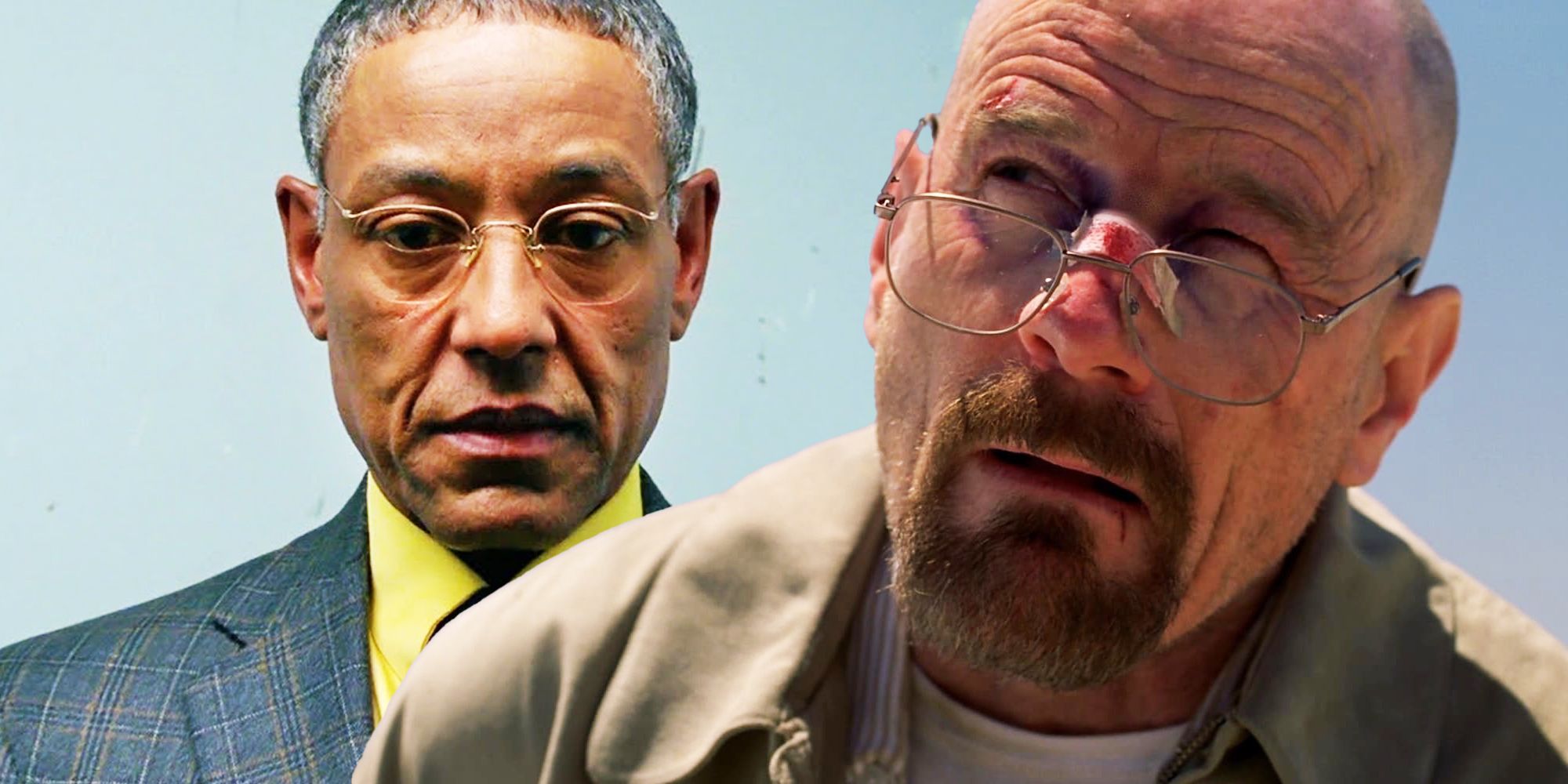
- Season 4 Finale ("Face Off"): Aired in October 2011. This episode concludes the war between Walter White (Bryan Cranston) and Gus Fring (Giancarlo Esposito), ending in Fring's death and the destruction of the underground meth superlab.
- Series Finale ("Felina"): Aired in September 2013 (Season 5, Episode 16). This episode wraps up Walter White's ultimate fate, his confrontation with Jack Welker’s neo-Nazi gang, and the rescue of Jesse Pinkman (Aaron Paul). Gus Fring had already been dead for an entire season by the time "Felina" aired.
Understanding this distinction is vital for analyzing the narrative structure of Breaking Bad. The demise of Gus Fring marks the end of Walt's struggle against an established drug kingpin and sets up the final season, where Walt himself steps into the power vacuum as an unrestrained tyrant.
The Lead-Up to "Face Off": Why Walter White and Gus Fring Reached a Fatal Impasse
The rivalry between Walter White and Gus Fring built steadily across Seasons 3 and 4. Initially, Gus viewed Walt as a disciplined, professional chemist capable of generating millions of dollars in high-purity methamphetamine. However, several critical events shattered their working relationship:
- Saving Jesse Pinkman: Walt murdered two of Gus’s street-level dealers to save Jesse's life at the end of Season 3, forcing Gus to realize Walt prioritized personal loyalty over corporate order.
- Gale Boetticher’s Assassination: To prevent Gus from killing him and replacing him with Gale, Walt instructed Jesse to shoot Gale, leaving Gus with no alternative chemist to operate his $8 million superlab.
- Driving a Wedge Between Partners: Throughout Season 4, Gus attempted to elevate Jesse while isolating Walt. Gus groomed Jesse as a reliable partner, taking him to Mexico to eliminate the Juarez Cartel in "Salud" and proving Jesse could cook at acceptable purity levels alone.
- The Ultimatum: After Walt confronted Gus in the desert in the episode "Crawl Space," Gus fired Walt, threatened to kill Walt's entire family if he interfered, and declared his intention to deal with Hank Schrader (Dean Norris).
Realizing that Gus would eventually eliminate him once Jesse gave full consent, Walt concluded that assassination was his only path to survival.
The Casa Tranquila Plan: How Hector Salamanca Became the Ultimate Weapon
Walt initially attempted to kill Gus using a car bomb attached to Fring's Volvo in the hospital parking garage during the episode "End Times." However, Fring's operational paranoia saved him; sensing something was wrong, Gus walked away from his vehicle without entering it.
Walt needed a trap that Gus could not resist—a situation where Fring's personal hatred would blind his professional caution.
- Walter White supplies a pipe bomb and plan to Hector Salamanca.
- Hector Salamanca fakes DEA snitching to draw in Gus Fring.
- Gus Fring visits the nursing home while Hector Salamanca repeatedly rings his bell.
- The bell triggers the Casa Tranquila bomb, leading to the explosion and demise of Gus Fring.
The Leverage of Old Hatreds
Walt realized that Gus’s sole emotional vulnerability was his long-standing vendetta against Hector "Tio" Salamanca (Mark Margolis), the former Juarez Cartel enforcer who executed Gus’s original business partner, Max Arciniega, decades earlier. Gus had kept Hector alive in a nursing home specifically to mock him as the Salamanca bloodline was systematically eradicated.
Executing the Scheme
- The DEA Feint: Walt visited Hector at the Casa Tranquila nursing home and proposed a joint revenge plot. Hector agreed and arranged to be taken to the Albuquerque DEA office, where he pretended to offer information before insulting Special Agent Hank Schrader and leaving.
- The Intelligence Trap: Gus’s associate, Tyrus Kitt, monitored the DEA office and reported Hector’s visit directly to Gus. Believing Hector had finally turned informant to ruin him, Gus insisted on personally executing Hector with a lethal injection.
- The Rigged Wheelchair: Before Gus arrived, Walt outfitted Hector's wheelchair with a heavy pipe bomb hidden underneath the seat, connected to a mechanical detonator linked to Hector's call bell.
Minute-by-Minute Breakdown of Gus Fring's Death Scene
The climax of "Face Off" takes place in Hector Salamanca’s room at the Casa Tranquila nursing home. The scene is structured to build overwhelming tension before delivering a startling visual payoff.
| Sequence Step | Tactical & Narrative Action |
|---|---|
| 1. Arrival | Gus arrives at Casa Tranquila; Tyrus scans room for audio bugs & threats |
| 2. Preparation | Gus enters, prepares lethal injection, confronts Hector directly |
| 3. Detonation | Hector makes eye contact, repeatedly strikes bell, triggering pipe bomb |
| 4. The Aftermath | Explosion blows out room door & walls; heavy smoke fills corridor |
| 5. Final Moments | Gus walks out unharmed, adjusts tie, reveals destroyed right face, dies |
The Confrontation
Gus enters the room accompanied by Tyrus. Tyrus sweeps the room for listening devices and clears the area. Gus sits opposite Hector, prepares a syringe containing a lethal dose of poison, and addresses his enemy one last time, asking, "What kind of man talks to the DEA? No man at all."
The Detonation
For months, Hector had refused to look Gus in the eye. In this moment, Hector turns, glares at Gus with intense hatred, and begins rapidly ringing the bell attached to his armrest. Gus notices the change in Hector's expression, realizes something is wrong, and stands up shouting "No!" right as the spark detonates the pipe bomb.
The Iconic "Half-Face" Visual Effect
Following the blast, which blows the door off its hinges into the hallway, Gus Fring walks calmly out of the ruined room. The camera initially captures him from his left side, showing his suit intact and his composure seemingly undisturbed as he stops to adjust his necktie.
As the camera pans to his right side, it reveals that the right half of his face has been destroyed down to the eye socket and jawbone by the blast radius. After adjusting his tie, Gus collapses to the floor, dead.
- Left Profile: Calm, intact, adjusting tie.
- Right Profile: Exposed skull, severe blast injury.
- Result: Immediate collapse; confirmed deceased.
Visual Effects and Production
To achieve this iconic visual, showrunner Vince Gilligan collaborated with the visual effects team from The Walking Dead, led by prosthetic makeup artist Greg Nicotero. The crew created a detailed physical mold of Giancarlo Esposito's head, combined practical prosthetics with computer-generated imagery (CGI), and mapped missing tissue onto Esposito's real movement to render a anatomically convincing, horrific injury.
Comparing Key Antagonist Downfalls in Breaking Bad
The elimination of Gus Fring stands as a turning point in the series narrative structure. The following table illustrates how his death compares to other major antagonist downfalls across the franchise:
| Character | Episode / Season | Primary Architect | Method of Elimination | Broader Narrative Impact |
|---|---|---|---|---|
| Tuco Salamanca | S2, E2 ("Grilled") | Hank Schrader | Gunshot wound to head following shootout | Opens Albuquerque territory for Walt and Jesse's expansion |
| Gus Fring | S4, E13 ("Face Off") | Walter White / Hector | Wheelchair-mounted pipe bomb explosion | Eliminates the superlab; leaves Walt as the supreme regional drug boss |
| Mike Ehrmantraut | S5, E7 ("Say My Name") | Walter White | Shot by Walt with his own gun in a fit of rage | Removes the last voice of reason; alienates Jesse permanently |
| Jack Welker | S5, E16 ("Felina") | Walter White | Direct shot to head by Walt via remote turret | Eradicates the neo-Nazi threat and frees Jesse Pinkman |
| Walter White | S5, E16 ("Felina") | Self-inflicted / Shrapnel | Accidental shrapnel wound from automated turret | Concludes the Heisenberg saga; leaves money for his family via Gretchen & Elliott |
The Dramatic and Thematic Aftermath of Gus Fring's Death
Gus Fring's death completely reshaped the power dynamics in Breaking Bad and set off a chain of events that fueled the final season.
1. "I Won"
Immediately following the explosion at Casa Tranquila, Walt meets Jesse at the hospital and proceeds to destroy the underground meth superlab at the industrial laundry facility, executing the remaining guards. When Walt calls his wife, Skyler White (Anna Gunn), and she asks if he was responsible for the explosion, Walt famously replies: "I won."
2. The Rise of Heisenberg
Without Gus Fring's strict structure, corporate shielding, and restraint, Walt takes over local distribution himself. Forming an uneasy alliance with Mike Ehrmantraut and Jesse, Walt uses Madrigal Electromotive executive Lydia Rodarte-Quayle to establish an international supply chain into the Czech Republic. However, Walt lacks Gus's emotional discipline, leading to messy internal conflicts, innocent deaths (such as Drew Sharp), and the eventual collapse of his empire.
3. Law Enforcement Exposure
Gus's violent death exposed his hidden life to the authorities. Hank Schrader and the DEA discovered the destroyed lab, tracked Madrigal's financial ties, seized offshore bank accounts intended for Gus's former employees, and validated Hank's long-ignored theory that Fring was "Losing Pollos Hermanos" founder and a global meth distributor.
Common Misconceptions About Gus Fring's Demise
Misconception 1: Gus Fring Died in the Series Finale ("Felina")
As noted, Gus dies in the Season 4 finale ("Face Off"). By the time the series finale ("Felina") takes place, Gus has been dead for over a year in the show's timeline.
Misconception 2: Gus Survived the Initial Bomb Blast
Because Gus walks out of the room, cleans his suit, and fixes his tie, some first-time viewers initially assume he survived the explosion. His brief walk was an autonomic nervous system response—a momentary physiological reaction before sudden blood loss and cranial trauma caused immediate death.
Misconception 3: Jesse Pinkman Placed the Bomb
While Jesse was an unwitting participant in Walt's larger manipulation (specifically regarding the poisoning of Brock Cantillo, which convinced Jesse that Gus was a monster), Jesse was held by Gus's guards at the superlab during the assassination. Walter White personally assembled the bomb and attached it to Hector's wheelchair.
Frequently Asked Questions
Which episode does Gus Fring die in?
Gus Fring dies in Season 4, Episode 13, titled "Face Off." It is the final episode of the fourth season of Breaking Bad.
Who actually killed Gus Fring?
Gus Fring was killed through a joint effort between Walter White and Hector Salamanca. Walt manufactured the pipe bomb and set the trap, while Hector willingly detonated it by ringing his wheelchair bell to complete his own personal revenge.
Why did Hector Salamanca agree to help Walter White kill Gus?
Hector hated Walter White, but he hated Gus Fring far more. Gus had killed Hector's entire family—including his nephews Marco and Leonel Salamanca (The Cousins), his boss Don Eladio, and his ally Juan Bolsa—and taunted Hector with their deaths. Helping Walt gave Hector a final chance to destroy his greatest enemy before dying himself.
Is Gus Fring in Better Call Saul?
Yes. Giancarlo Esposito reprises his role as Gus Fring in Better Call Saul (Seasons 3 through 6). The prequel series details his early business expansion, his covert construction of the underground meth superlab, his war with Lalo Salamanca, and his complex relationship with Mike Ehrmantraut long before he ever met Walter White.
Viewing Recommendations for Breaking Bad Fans
To gain the complete context of Gus Fring's narrative arc, strategic mind, and eventual downfall, viewers should watch the universe in chronological or production order:
- Watch Better Call Saul (Seasons 3–6): Provides deep background on Gus's rivalry with the Salamanca family, his connection to Madrigal Electromotive, and how he established his Albuquerque drug distribution network.
- Revisit Breaking Bad Season 3, Episode 11 ("Abiquiu") through Season 4, Episode 13 ("Face Off"): Offers the full story arc of Walt and Gus's descent from cautious business partners into lethal warfare.
- Analyze Season 5, Episode 1 ("Live Free or Die"): Demonstrates the immediate tactical aftermath of Gus's death, as Walt, Jesse, and Mike scramble to destroy evidence stored on Gus's encrypted laptop inside a police evidence locker.
Image Gallery