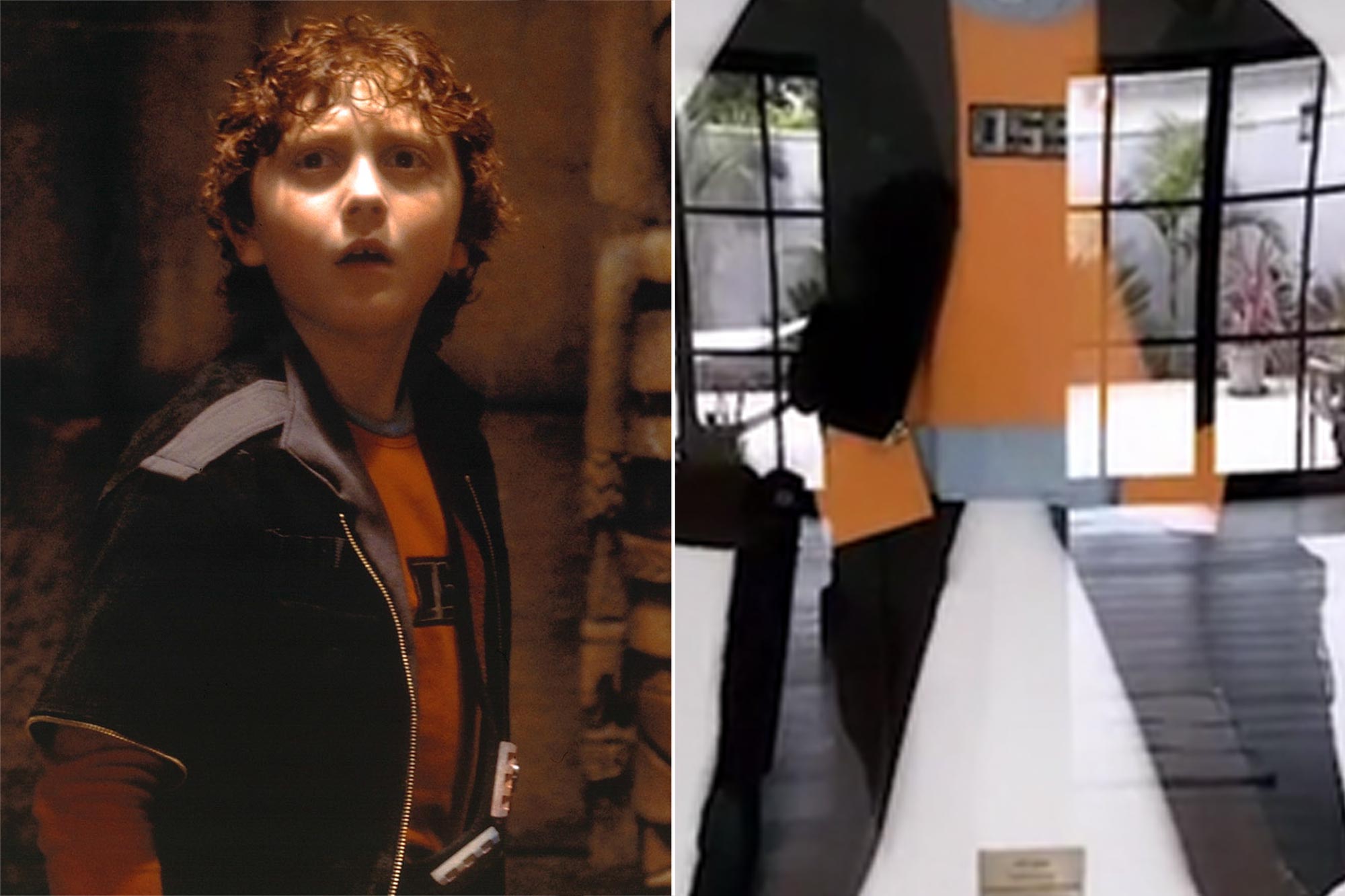
Juni Spy Kids Character Background Explained: The Evolution of Juni Cortez
In the landscape of early 2000s cinema, few characters underwent as radical a transformation as Juni Cortez from the Spy Kids franchise. As of 2026, the series remains a nostalgic touchstone for a generation, with Juni standing out as...
In the landscape of early 2000s cinema, few characters underwent as radical a transformation as Juni Cortez from the Spy Kids franchise. As of 2026, the series remains a nostalgic touchstone for a generation, with Juni standing out as a unique subversion of the traditional "action hero" archetype. Initially introduced as a timid, bullied younger brother, Juni Rocket Bold Cortez evolved into a seasoned agent and eventually a private investigator, demonstrating a character arc defined by emotional intelligence and psychological resilience rather than mere physical prowess.
Contents
Understanding Juni’s background requires a deep dive into his family lineage, his psychological motivations, and his professional progression through the Organization of Super Spies (OSS). This article explains the foundational elements of his character, his pivotal role in the Cortez family, and how he redefined what it meant to be a hero for young audiences.
The Cortez Family Legacy and Early Life
Juni Cortez was born into a world of secrecy, though he remained unaware of it for the first nine years of his life. He is the son of Gregorio and Ingrid Cortez, two of the most formidable secret agents in the history of the OSS. While his parents had retired to a life of domesticity to protect their children, the "spy" DNA was inherent in Juni's upbringing.
Unlike his sister Carmen, who projected confidence to mask her insecurities, Juni’s vulnerabilities were on full display during his early years. He was characterized by several distinct traits:
- Psychosomatic Symptoms: In the first film, Juni suffers from various ailments, including warts and numerous allergies, which were later interpreted as physical manifestations of his anxiety and lack of self-esteem.
- The Victim of Bullying: He was frequently targeted by peers at school, which contributed to his retreat into a world of imagination and his "Floop’s Fooglies" television show.
- The Artistic Soul: Juni displayed a sensitivity that his more pragmatic sister lacked. He was often more concerned with the "why" of a situation than the "how," a trait that would later make him an excellent negotiator and detective.
His name itself—Juni Rocket Bold Cortez—reflects the high expectations of his parents, contrasted against his humble beginnings. The irony of the name "Rocket Bold" for a child afraid of his own shadow was a central theme of his early development.
The Professional Arc: From Recruit to Private Eye
Juni’s career within the OSS is a narrative of rapid ascension followed by a sudden, disillusioned departure. His background as an operative is distinct because he never underwent the formal academy training that characters like Gary and Gerti Giggles received; his skills were forged in the field.
1. The First Mission (2001)
During the incident involving Fegan Floop, Juni was forced to abandon his fears to save his parents. This mission established his primary "superpower": his ability to empathize with his enemies. By recognizing the loneliness in Floop, Juni transformed a villain into an ally. This solidified his status as a Level 1 OSS agent.
2. The Island of Lost Dreams (2002)
As a Level 2 agent, Juni faced professional competition for the first time. His rivalry with the Giggles siblings highlighted the difference between his "instinct-based" spying and the "tech-driven" spying of the new generation. This period of his life was marked by the realization that the OSS was becoming a corporate entity, moving away from the family-centric values he cherished.
3. Retirement and The Private Detective Phase (2003)
Perhaps the most significant part of Juni’s background is his decision to leave the OSS at a young age. By the events of Spy Kids 3-D: Game Over, Juni has struck out on his own as a private investigator.
- Why he left: Juni felt betrayed by the bureaucracy of the OSS and wanted to find a path that didn't involve being a "pawn" for the agency.
- The PI Life: Living in a small office and taking low-stakes cases (like finding a missing cat), Juni attempted to find an identity outside of being a "Spy Kid." This phase of his life is crucial because it shows his need for independence and his rejection of the "family business" when it compromised his morals.
Character Evolution and Growth Comparison
To understand Juni's trajectory, it is helpful to look at his development across the primary timeline. As of 2026, fans often look back at these specific milestones to see how the character matured.
| Feature | Spy Kids (Phase 1) | Spy Kids 2 (Phase 2) | Spy Kids 3 (Phase 3) | Spy Kids 4 (Phase 4) |
|---|---|---|---|---|
| Primary Motivation | Saving his parents | Proving his worth | Saving his sister | Protecting the legacy |
| OSS Status | Civilian / Recruit | Level 2 Agent | Retired / Private Eye | Senior Agent / Mentor |
| Core Conflict | Overcoming Fear | Professional Rivalry | Existential Independence | Reconciling with Carmen |
| Signature Tool | Jetpack / Electrobats | Machete’s Gadgets | The "Guy" Suit | Experience / Leadership |
| Key Relationship | Carmen (Protective) | Alexandra (Romance) | Valentin (Grandfather) | Carmen (Professional) |
The Relationship with Carmen Cortez
The background of Juni Cortez cannot be explained without discussing his sister, Carmen. Their relationship is the emotional anchor of the entire franchise. Initially, they share a classic sibling rivalry, with Carmen viewing Juni as a liability.
However, their background reveals a deep-seated co-dependency. Juni provides the moral compass that Carmen occasionally loses in her pursuit of being a "perfect agent," while Carmen provides the physical protection Juni lacked in his younger years. Their bond is codified in their "family code," a set of rules that prioritizes family safety over mission success. In the later years (as seen in the 2011 film and referenced in later lore), their relationship becomes strained due to professional differences, but they ultimately prove that the Cortez legacy is strongest when they work as a duo.
Psychological Profile: The Power of Empathy
In the world of international espionage, Juni Cortez is an anomaly. While his father, Gregorio, relied on strength and gadgets, and his mother, Ingrid, relied on grace and intellect, Juni relied on emotional intelligence.
He frequently wins his battles through conversation rather than combat. In Spy Kids 3-D, he defeats the Toymaker—a man with god-like power within a virtual world—not by "beating" the game, but by offering forgiveness. This is the defining element of Juni’s background: he is a peacemaker in a profession built on conflict.
This sensitivity is also his greatest burden. His temporary retirement was a result of him "feeling too much" for the people affected by the OSS's geopolitical maneuvers. He represents the "conscience" of the Cortez family.
Physical Skills and Tactical Specialties
While Juni prefers diplomacy, he is a highly capable combatant. His background includes training in various disciplines:
- Hand-to-Hand Combat: Trained by his Uncle Machete, Juni utilizes a defensive style that turns an opponent's momentum against them.
- Technological Aptitude: While not a "gadget geek" like the Giggles, Juni has a unique talent for using tools in unintended ways, showing high levels of lateral thinking.
- Resilience: Perhaps due to his history of being bullied, Juni has a high pain threshold and an incredible capacity to keep moving forward despite overwhelming odds.
- Virtual Navigation: Due to his time spent in the "Game Over" simulation, Juni is one of the world's leading experts in virtual reality environments and digital combat strategies.
Frequently Asked Questions
Why did Juni Cortez leave the OSS in the third movie?
Juni left the OSS because he felt unappreciated and disillusioned by the agency's cold, bureaucratic nature. He wanted to establish an identity that was not tied to his famous parents or his sister. He became a private investigator to help "real people" with "real problems" rather than participating in global spy games.
Who is Juni Cortez's main love interest?
In Spy Kids 2: Island of Lost Dreams, Juni develops a romantic connection with Alexandra, the daughter of the President of the United States. Their relationship is built on mutual understanding of the pressures of living in the public (or secret) eye. While the relationship is not explored deeply in later films, it remains a pivotal moment for his confidence.
What is Juni Cortez's middle name?
Juni's full name is Juni Rocket Bold Cortez. The name was given to him by his parents as a way to encourage him to be brave and adventurous, qualities he eventually grew into as he matured into a lead agent.
Did Juni Cortez appear in the later reboots?
Daryl Sabara, the actor who plays Juni, appeared in Spy Kids: All the Time in the World (2011) as an adult version of the character. In this installment, he is depicted as having been estranged from his sister for several years before they reconcile to help a new generation of spies.
What happened to Juni's warts?
In the context of the first film's lore, Juni’s warts were largely psychosomatic, a physical manifestation of his fear and stress. Once he gained confidence through his first mission and saved his family, the warts disappeared, symbolizing his internal growth and new-found courage.
Summary of the Juni Cortez Legacy
As we look at the character of Juni Cortez from the perspective of 2026, it is clear that he served as a vital role model for "the sensitive hero." He proved that being "bold" did not mean the absence of fear, but rather the ability to act in spite of it. From a boy who found solace in television characters to a man who led the world’s most elite spy organization, Juni’s background is a testament to the power of family, forgiveness, and finding one’s own path.
Image Gallery