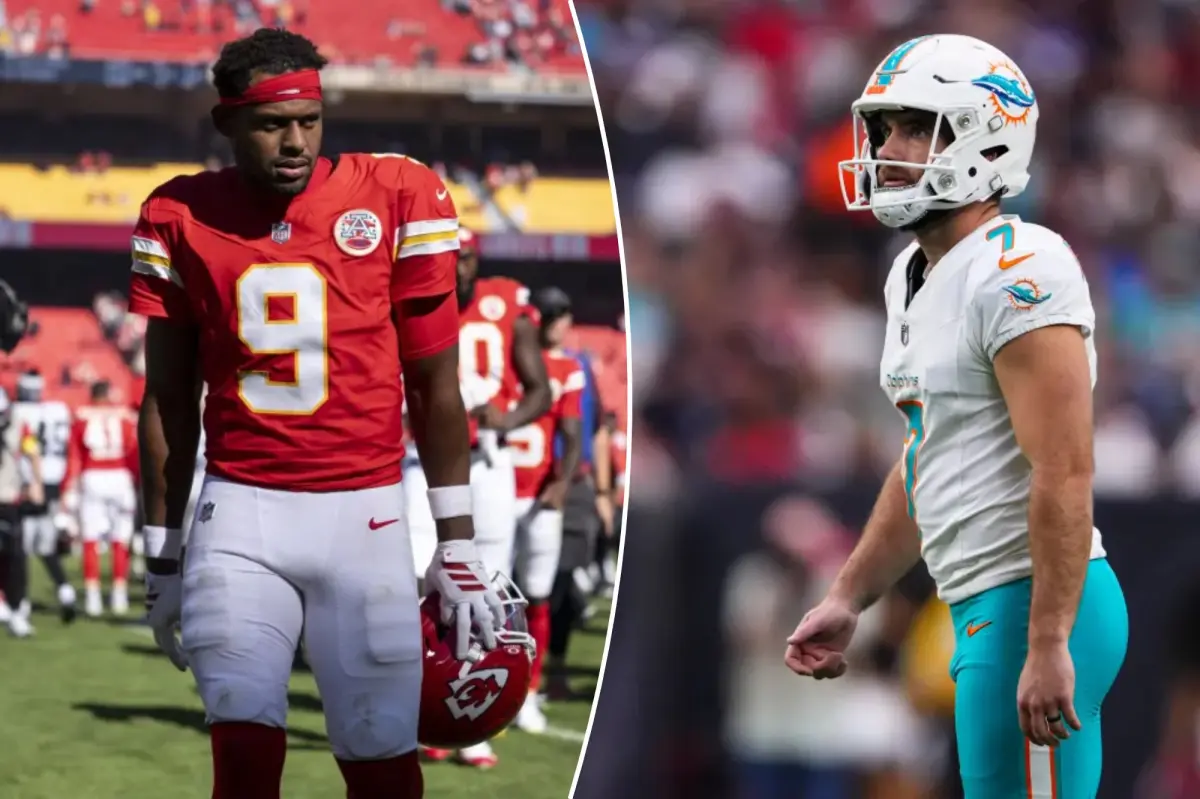
NY Giants Release Kicker and Reshape Special Teams for the 2026 Season
The New York Giants have officially released their primary placekicker, signaling a total transformation of their special teams unit for the 2026 season. This move addresses long-standing consistency issues and salary cap constraints w...
The New York Giants have officially released their primary placekicker, signaling a total transformation of their special teams unit for the 2026 season. This move addresses long-standing consistency issues and salary cap constraints while pivoting toward a roster better suited for the NFL’s "Dynamic Kickoff" era, prioritizing youth, leg strength, and coverage versatility.
Contents
The Strategic Departure: Why the Giants Moved On
The decision to release a veteran kicker is rarely about a single missed field goal; it is a calculated move involving performance metrics, age-related decline, and financial flexibility. In the 2026 landscape, the New York Giants found themselves at a crossroads. The incumbent kicker, who had provided stability during the mid-2020s, began to show signs of diminishing leg strength, particularly on kickoffs where the "landing zone" requirements have become more stringent.
Financially, the release clears significant cap space that the front office intends to reallocate toward the "third phase" of the game. By moving on from a veteran contract, the Giants avoid the escalating costs of an aging specialist. In the modern NFL, where the difference between a win and a loss often rests on a single possession, the Giants' management determined that the marginal utility of a high-priced veteran did not outweigh the potential of a younger, more powerful leg.
This move also reflects a shift in the Giants' organizational philosophy under their current coaching staff. There is a newfound emphasis on "specialists who are athletes." The team is no longer looking for a kicker who simply stands on the sideline until called upon; they are seeking a player who can contribute to the tactical execution of the dynamic kickoff, which requires precise hang time and directional accuracy to pin opponents inside the 20-yard line.
Reshaping the Special Teams Identity
The release of the kicker is only the first domino to fall in what is being described as a total "reshaping" of the Giants' special teams. For years, the Giants have struggled with mediocre return averages and inconsistent punt coverage. By clearing a roster spot and cap room, the team is signaling a commitment to rebuilding these sub-units from the ground up.
The Impact of the Dynamic Kickoff Rules
Since the NFL overhauled kickoff rules to increase return rates while maintaining safety, the requirements for special teams personnel have changed. The Giants are now looking for "hybrid" players—linebackers who have the speed of safeties and wide receivers who possess the tackling physicality of cornerbacks.
The reshaping process involves:
- Recruiting Specialized Gunners: The team is prioritizing players with elite "get-off" speed to beat double teams on punts.
- Size-Speed Profiles: The Giants are moving away from smaller, shiftier returners in favor of players with the size to break arm tackles in the congested "setup zone" of the new kickoff format.
- Schematic Versatility: The coaching staff is implementing a more aggressive blocking scheme that requires offensive linemen to be more mobile when used on field goal protection units.
Finding the Next Kicker: Scouting and Selection Criteria
Replacing a veteran kicker in the New York market is a daunting task. MetLife Stadium is notoriously difficult for kickers due to the swirling winds and cold late-season temperatures. The Giants' scouting department is currently evaluating three primary avenues for a replacement: the veteran free-agent market, the undrafted free agent (UDFA) pool, and the late rounds of the NFL Draft.
The "New York Factor" requires a kicker with a specific psychological profile. The Giants need a player who can remain unfazed by the pressure of the media and the environmental challenges of East Rutherford. Technically, the scouts are looking for a "compact" swing that generates high ball flight, which helps the ball cut through the wind rather than being carried by it.
| Kicker Profile Attribute | Importance Rating (1-10) | Reasoning |
|---|---|---|
| Leg Strength (55+ Yards) | 9 | Essential for scoring in defensive battles common in the NFC East. |
| Directional Accuracy | 10 | Critical for hitting the "landing zone" to avoid touchbacks at the 30-yard line. |
| Weather Resilience | 8 | Necessary for high-stakes games in November and December at MetLife. |
| Post-Kick Coverage | 6 | A new requirement for kickers to act as the last line of defense in the open field. |
| Clutch Performance | 9 | The Giants have played an outsized number of one-score games over the last three seasons. |
The Financial Implications of the Roster Move
By releasing their kicker in 2026, the Giants are navigating the complexities of the NFL's "dead money" and "cap savings" rules. If the player was released after June 1st, the team could spread the remaining signing bonus acceleration over two years, providing immediate relief for the 2026 season.
This financial maneuver allows the Giants to pursue "blue-chip" special teams contributors. Often, these are players who may not start on offense or defense but are elite at blocking kicks or forcing fumbles on punt returns. In a league where the salary cap is a zero-sum game, saving $3–$4 million on a kicker can be the difference between retaining a Pro Bowl gunner or losing them to a division rival.
Furthermore, the reshape involves a re-evaluation of the long snapper and punter positions. Stability at long snapper is the foundation of the kicking operation. The Giants are expected to use some of their saved capital to ensure their "battery"—the snapper, the holder (usually the punter), and the kicker—is synchronized through an intensive off-season program.
Coaching Philosophy and Execution
The "reshaping" of the unit is being led by a coaching staff that views special teams as a primary weapon rather than a secondary phase. The Giants are expected to incorporate more "hidden yardage" strategies, such as baiting opponents into fair catches or using creative formation shifts to force timeouts.
A key component of this reshaped unit is the integration of more starters into special teams roles. While many teams prefer to keep their stars off the "suicide squads," the Giants are moving toward a model where high-impact players participate in high-leverage special teams moments. This creates a culture where special teams are viewed with the same prestige as the starting offense or defense.
Technical specifications for the 2026 unit include:
- Reduced Return Yardage Allowed: Aiming for a league-leading sub-20-yard average on kick returns.
- Net Punting Average: Utilizing a punter who can maximize "hang time" over raw distance to prevent returns entirely.
- Special Teams DVOA: A commitment to finishing in the top 10 of Football Outsiders' (or equivalent 2026 metrics) Defense-adjusted Value Over Average.
Looking Ahead: The 2026 Preseason Battle
With the release of the incumbent, the Giants’ training camp will feature one of the most watched kicking competitions in recent franchise history. The team will likely bring in three or four specialists to compete for the lone roster spot. This "kicking derby" will involve simulated pressure situations, varying weather conditions, and high-volume repetitions to test the durability of the candidates' legs.
Fans should expect the Giants to be active in the "waiver wire" market as other teams make their final cuts. The reshaping of the special teams is an ongoing process that may not be fully finalized until the week leading up to the regular-season opener. The goal is clear: to transform a unit that was once a liability into a disciplined, high-scoring, and field-position-dominating force.
Frequently Asked Questions
Why did the Giants release their kicker now instead of waiting for the draft?
Releasing the kicker early allows the team to assess their true cap space before the primary free-agency period begins. It also gives the released player an opportunity to find a new team while rosters are still being formed, showing a level of veteran respect while prioritizing the team's need to "reset" the special teams room as early as possible.
How does the 2026 kicking game differ from five years ago?
The primary difference is the "Dynamic Kickoff" rule set, which moved the kickoff and return units closer together to reduce high-speed collisions. This has made the "landing zone" (between the goal line and the 20-yard line) the most important area of the field. Kickers now need more control over the ball's trajectory and spin than they did in the era of the "standard" touchback.
Will the Giants use a draft pick on a new kicker?
It is highly possible. Given the importance of the position and the specific environmental challenges of their home stadium, the Giants may use a sixth or seventh-round pick to "lock in" a top collegiate prospect with a powerful leg, rather than fighting for them in the undrafted free-agent market.
What happens to the special teams' leadership after such a big move?
The Giants are likely to lean on their veteran long snapper and punter to provide continuity. Reshaping a unit doesn't mean removing every player; it means changing the core strategy and upgrading the performance floor. The remaining specialists will be expected to mentor the new additions and maintain the "battery" chemistry.
Does this move suggest the Giants are in a "rebuilding" phase?
Not necessarily. In the 2026 NFL, "reshaping" units is a sign of aggressive roster management. Contending teams often cycle through specialists to find the perfect fit for their schemes. By addressing special teams now, the Giants are attempting to fix a specific weakness to bolster their overall playoff aspirations.
Next Actions for Fans and Analysts
To stay updated on the Giants' special teams overhaul, monitor the official NFL Transaction Wire and the New York Giants official roster page. The next major milestone will be the announcement of the rookie minicamp invites, which will reveal the first wave of potential replacements for the kicking vacancy. Keep a close eye on "Net Punting" and "Kickoff Touchback Percentage" during the preseason as these will be the primary indicators of whether the reshaping strategy is succeeding.
Image Gallery