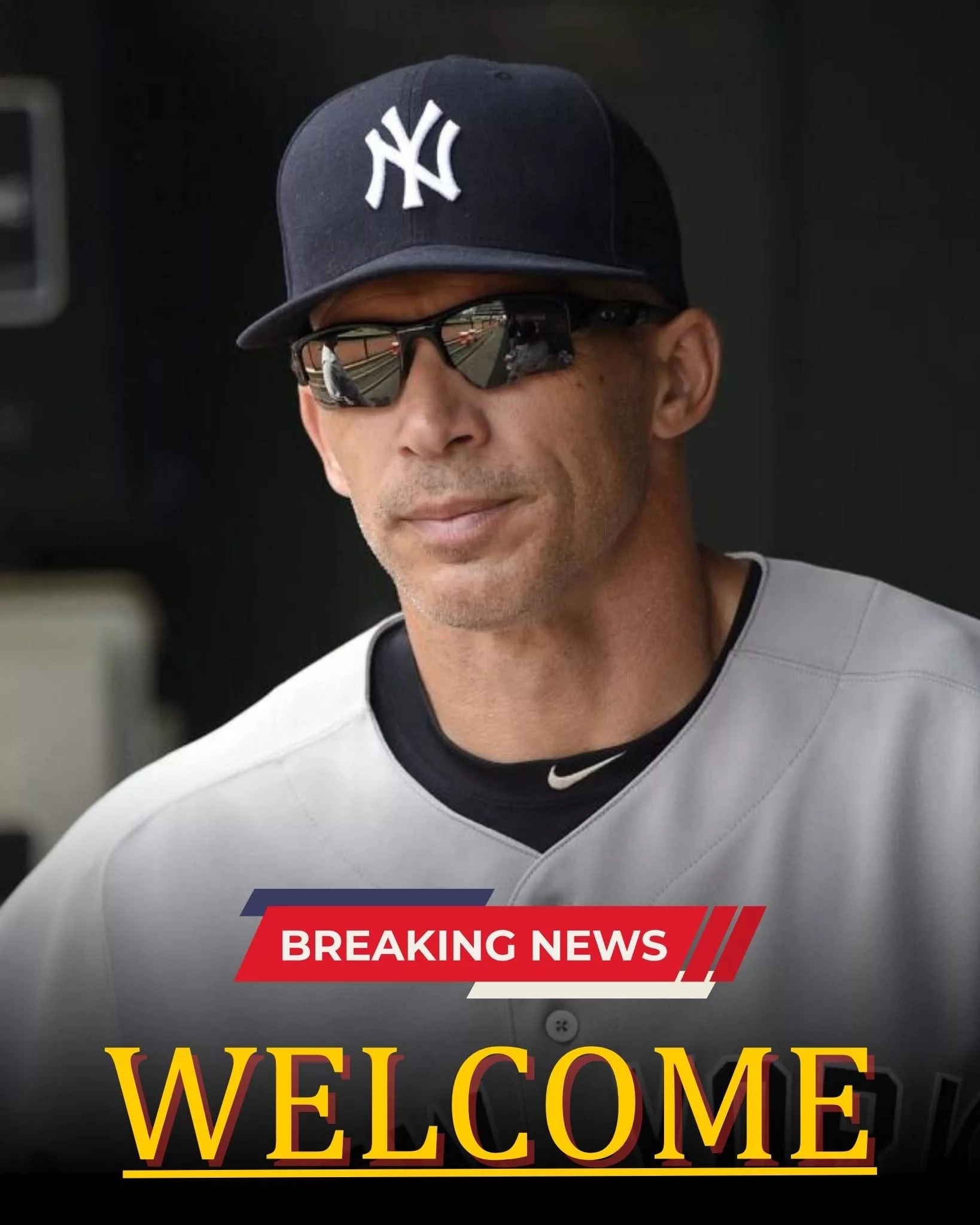
The Joe Girardi Record and Its Impact: A Definitive Analysis of a Modern MLB Managerial Career
Joe Girardi’s managerial record stands at 1,120 wins and 935 losses across 14 seasons with the Marlins, Yankees, and Phillies. His impact is defined by the 2009 World Series title and his pioneering reliance on data-driven decision-mak...
Joe Girardi’s managerial record stands at 1,120 wins and 935 losses across 14 seasons with the Marlins, Yankees, and Phillies. His impact is defined by the 2009 World Series title and his pioneering reliance on data-driven decision-making, which effectively bridged the gap between traditional scouting and modern baseball analytics.
Contents
As of 2026, Joe Girardi remains one of the most polarizing and scrutinized managers of the early 21st century. While his win-loss percentage ranks among the upper echelon of modern leaders, his legacy is a complex blend of tactical precision, intense clubhouse management, and the evolutionary shift toward what fans famously dubbed "The Binder." To understand the impact of his record, one must dissect the three distinct phases of his career: the overachievement in Florida, the high-pressure dynasty in New York, and the challenging final chapter in Philadelphia.
The Statistical Foundation: Breaking Down the 1,120 Wins
The raw numbers of Joe Girardi’s career provide a clear picture of a manager who consistently kept his teams in contention. Over 2,055 regular-season games, Girardi maintained a .545 winning percentage. This is a significant figure in Major League Baseball, as a .545 pace equates to roughly 88 wins in a 162-game season—a threshold that typically puts a team in the hunt for a Wild Card spot or a division title.
Girardi’s record is characterized by its stability. During his ten-year tenure with the New York Yankees, he never finished a season with a losing record. This level of consistency is rare in an era of "rebuilding" and "tanking." Even in seasons where the Yankees' roster was depleted by injuries or aging stars, Girardi’s tactical approach ensured the team remained relevant until September.
| Team | Years | Games | Wins | Losses | Win % | Postseason Appearances |
|---|---|---|---|---|---|---|
| Florida Marlins | 2006 | 162 | 78 | 84 | .481 | 0 |
| New York Yankees | 2008–2017 | 1,620 | 910 | 710 | .562 | 6 |
| Philadelphia Phillies | 2020–2022 | 273 | 132 | 141 | .484 | 0 |
| Career Totals | 14 Seasons | 2,055 | 1,120 | 935 | .545 | 6 |
The Florida Marlins (2006): A Blueprint for Overachievement
The impact of Joe Girardi began in 2006 with the Florida Marlins. Entering the season with the lowest payroll in the league and a roster comprised almost entirely of rookies and unproven players, the Marlins were expected to lose 100 games. Instead, Girardi led them to a 78-84 record, keeping them in the Wild Card race well into August.
This season was critical because it established Girardi’s identity as a rigid, disciplined leader. He demanded high standards of fitness and mental preparation, which resonated with a young squad. His work earned him the National League Manager of the Year award, making him the first manager in MLB history to win the award while finishing with a losing record.
However, the Florida tenure also highlighted the friction that would follow Girardi throughout his career. Despite his success on the field, his relationship with ownership—specifically Jeffrey Loria—was fraught with tension. His firing after just one season, despite winning Manager of the Year, was a harbinger of the high-friction environment that often surrounded his leadership style.
The New York Yankees (2008–2017): Pressure and Silverware
Following the departure of Joe Torre, Girardi stepped into the most high-pressure role in professional sports. The impact of the "Joe Girardi record" is most visible here. Replacing a beloved figure like Torre required a different approach, and Girardi provided it through meticulous preparation.
The 2009 World Series Championship
The pinnacle of Girardi’s record came in 2009. Armed with a massive influx of free-agent talent (CC Sabathia, Mark Teixeira, and A.J. Burnett), Girardi navigated the Yankees to 103 regular-season wins and a World Series title. His management of the bullpen during the 2009 postseason—specifically his heavy reliance on Mariano Rivera and the strategic use of a three-man rotation—showcased his ability to adapt under pressure. This championship remains the Yankees' only World Series title in the 21st century as of 2026.
The "Bridge" Years and 2017
Perhaps more impressive than the 2009 title was Girardi’s record during the transition years of 2013–2016. As the "Core Four" (Jeter, Rivera, Pettitte, Posada) aged and retired, Girardi managed to keep rosters filled with journeymen and aging veterans above .500.
His final season in New York (2017) was a masterpiece of overachievement. Predicted to be a rebuilding year, the "Baby Bombers" (led by a rookie Aaron Judge) came within one game of the World Series, losing to the Houston Astros in a seven-game ALCS. Despite this, the Yankees chose not to renew his contract, citing a need for a "new voice"—a decision that many fans and analysts still debate today.
The Philadelphia Phillies (2020–2022): The Limits of Discipline
The third chapter of the Girardi record occurred in Philadelphia. Hired to bring discipline and a "winning culture" to a talented but underperforming Phillies roster, Girardi’s impact was ultimately underwhelming. His tenure was hampered by a historically poor bullpen in 2020 and a lack of defensive fundamentals across the board.
In Philadelphia, the "impact" was more about the disconnect between Girardi’s old-school intensity and a modern clubhouse. When he was fired in June 2022, the team immediately went on a winning streak under interim manager Rob Thomson and eventually reached the World Series. This led to a re-evaluation of Girardi’s record: was he the cause of the success in New York, or was he a rigid tactician whose style had a shelf life?
The Tactical Impact: "The Binder" and Data Integration
No discussion of Joe Girardi’s impact is complete without mentioning "The Binder." Long before every manager had an iPad in the dugout, Girardi was famous for his thick binder of statistical matchups. He was an early adopter of advanced metrics, using them to dictate pitching changes, defensive shifts, and pinch-hitting appearances.
This approach changed the way managers were viewed. Girardi shifted the role from a "gut instinct" leader to a "data implementation" specialist. His impact on bullpen management was particularly profound; he popularized the "Joba Rules" (strict pitch counts and rest requirements for young pitchers) and the use of specialized relievers for specific innings. While these moves were often frustrated fans, they became the standard operating procedure for the entire league by the 2020s.
Historical Comparison and Hall of Fame Outlook
When comparing Girardi to his peers, his 1,120 wins place him in the top 60 of all-time managerial wins. However, the modern era values postseason success and longevity.
- World Series Titles: 1 (2009)
- Pennants: 1
- Manager of the Year Awards: 1 (2006)
- Winning Seasons: 11 out of 14
Compared to contemporaries like Bruce Bochy or Terry Francona, Girardi has fewer titles, but a higher regular-season winning percentage than many Hall of Fame managers. His impact on the game is felt through the "coaching tree" of assistants who worked under him and his transition into a high-level broadcaster, where he continues to influence public perception of baseball strategy in 2026.
Frequently Asked Questions
What was Joe Girardi’s final career record?
Joe Girardi finished his managerial career with a record of 1,120 wins and 935 losses, resulting in a .545 winning percentage. He managed 2,055 games in total across three different organizations: the Marlins, Yankees, and Phillies.
Did Joe Girardi ever win Manager of the Year?
Yes, Joe Girardi won the National League Manager of the Year award in 2006. He achieved this with the Florida Marlins, making history as the first manager to win the award with a team that finished the season with a losing record (78-84).
How many World Series did Joe Girardi win as a manager?
Joe Girardi won one World Series championship as a manager, leading the New York Yankees to victory in 2009. However, it is important to note that he also won three World Series titles as a player with the Yankees (1996, 1998, 1999).
Why was Joe Girardi fired from the Yankees in 2017?
Despite a successful 91-win season and an ALCS appearance, the Yankees chose not to renew Girardi's contract because the front office felt the team needed a "different communication style." Reports at the time suggested a growing disconnect between Girardi’s intense personality and the younger players in the clubhouse.
What was "The Binder" in reference to Joe Girardi?
"The Binder" was the nickname given to the large book of statistical data and scouting reports Girardi kept in the dugout. It became a symbol of his commitment to analytics-based decision-making, particularly regarding pitcher-batter matchups and defensive positioning.
How does Girardi's record compare to Joe Torre's?
While Joe Torre has significantly more wins (2,326) and four World Series titles, Girardi’s winning percentage with the Yankees (.562) was highly competitive. Torre is often viewed as a "player's manager" who excelled at ego management, whereas Girardi was viewed as a "tactician" who prioritized data and discipline.
Practical Recommendation for Further Study
To fully appreciate the impact of the Joe Girardi record, students of the game should examine the 2009 New York Yankees season as a case study in high-pressure management. Specifically, analyze his use of a three-man pitching rotation in the World Series, which is a rare tactical maneuver in the modern era. For those interested in the evolution of baseball analytics, researching the shift from Girardi's "Binder" to the current use of integrated dugout technology provides a clear lineage of how data has transformed the sport. You can find detailed game-by-game breakdowns of his tactical decisions on Baseball-Reference and the MLB Official Record.
Image Gallery