Is the Bahamas a Safe Place to Travel? An Updated Guide for 2026
The Bahamas remains a popular destination for international travelers, though safety varies significantly by location and activity. While most tourist visits pass without incident, travelers should exercise heightened caution regarding...
The Bahamas remains a popular destination for international travelers, though safety varies significantly by location and activity. While most tourist visits pass without incident, travelers should exercise heightened caution regarding property crime in urban centers, specifically New Providence, and remain vigilant about water safety and local regulations to ensure a secure experience.
Contents
Understanding the Safety Landscape in The Bahamas
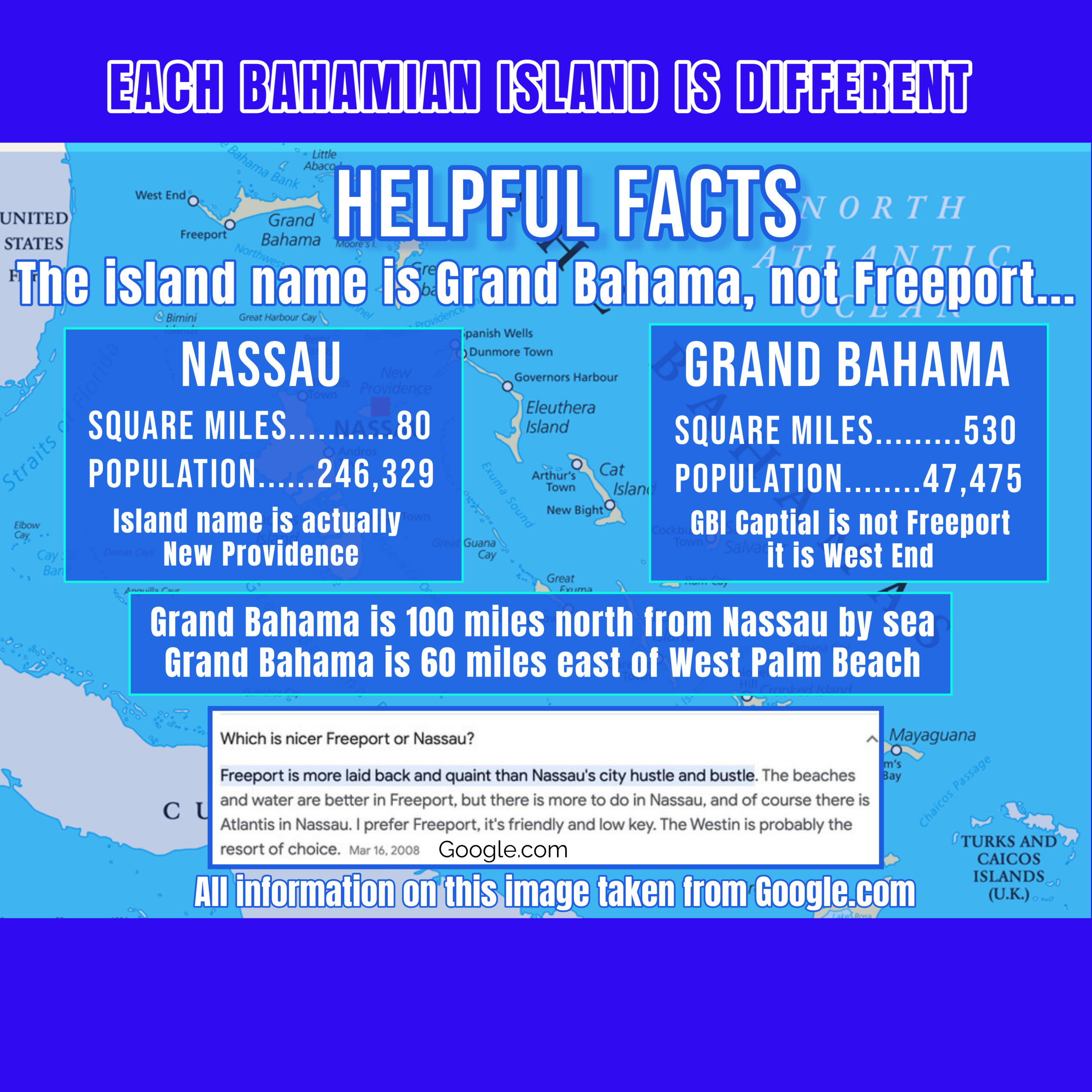
When evaluating whether The Bahamas is a safe place to travel, it is essential to distinguish between the experiences of resort guests and the risks present in local residential areas. The archipelago consists of over 700 islands and cays, each with its own demographic profile and crime statistics.
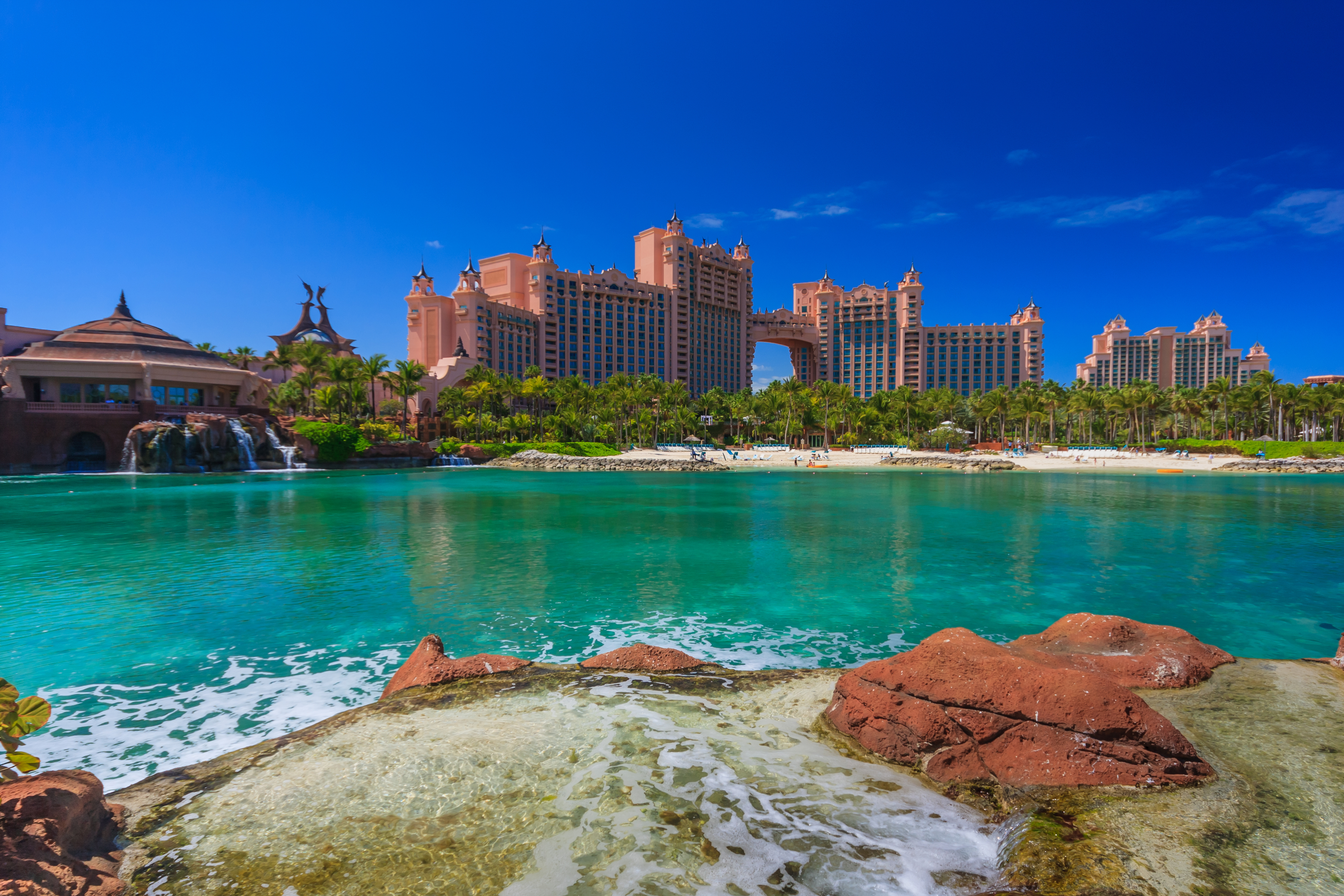
Most visitors to The Bahamas head to highly developed tourist hubs, such as Paradise Island or the various all-inclusive private resorts. These areas are typically well-patrolled, featuring gated access, private security, and a heavily monitored environment. In contrast, downtown Nassau and certain residential neighborhoods of New Providence have experienced elevated levels of crime, including armed robbery and petty theft. The U.S. Department of State and other international travel advisory bodies frequently emphasize that the majority of violent crime occurs in non-tourist areas, often linked to local gang activity or domestic disputes that rarely intersect with the transient tourist population.
Geographic Distinctions: Where You Stay Matters
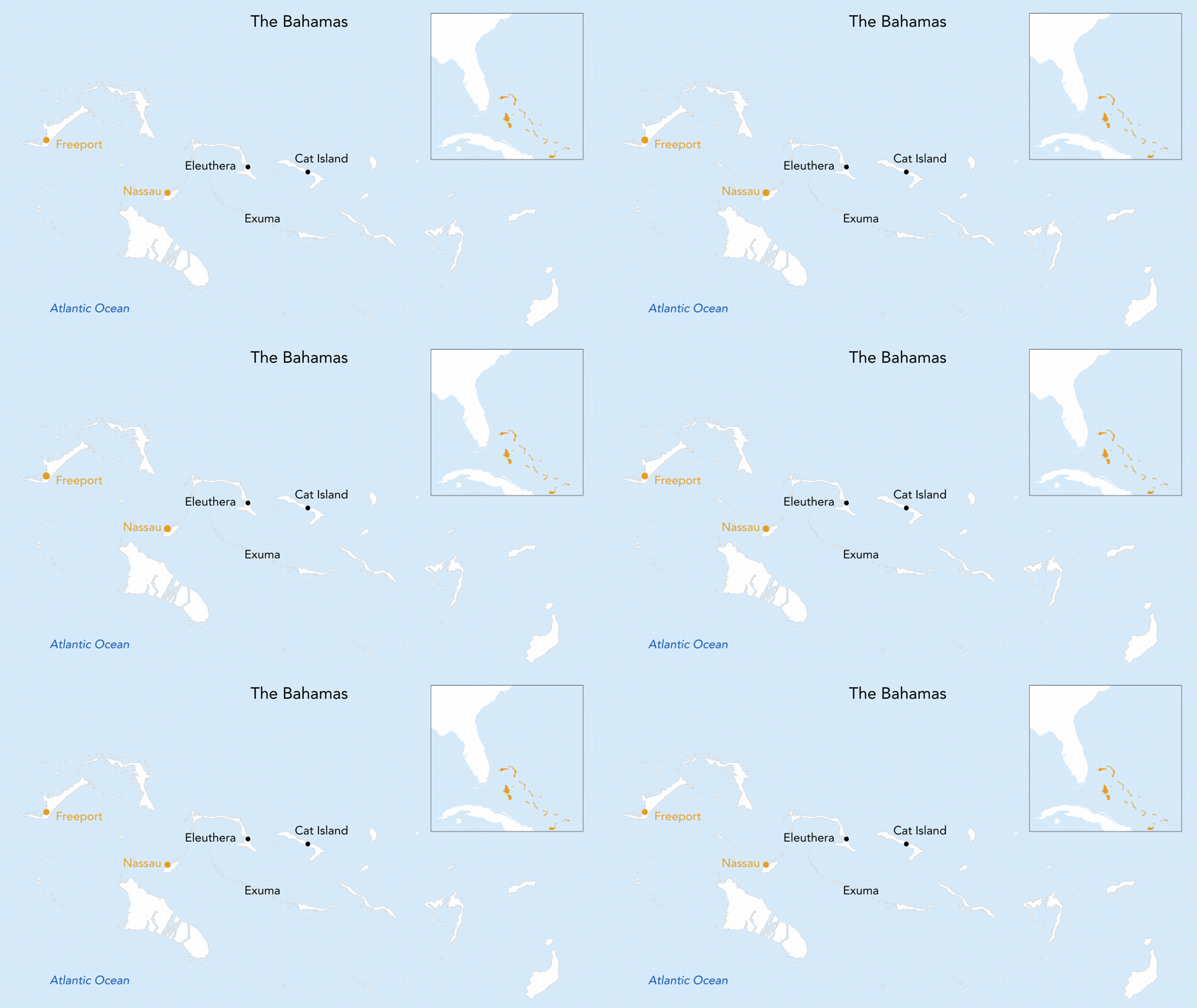
Safety is not uniform across the country. The "Out Islands" or "Family Islands"—such as the Exumas, Eleuthera, and Abaco—generally report lower crime rates compared to the densely populated capital, Nassau.
Travelers planning an itinerary should consider the following geographic nuances:
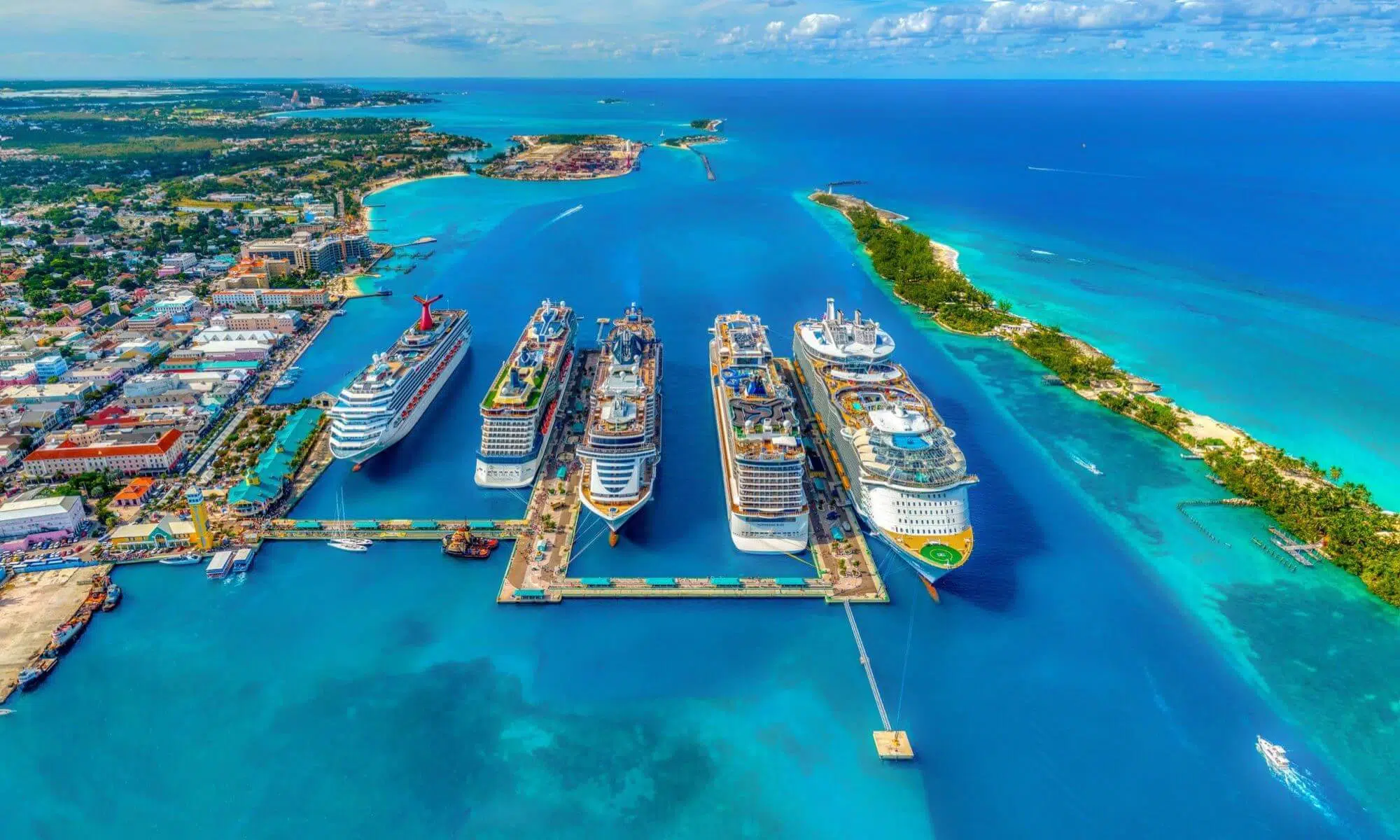
- New Providence (Nassau/Paradise Island): As the center of commerce and the primary cruise port, this island has the highest concentration of both tourists and criminal activity. Tourists are encouraged to stay within established resort zones or reputable tour group environments.
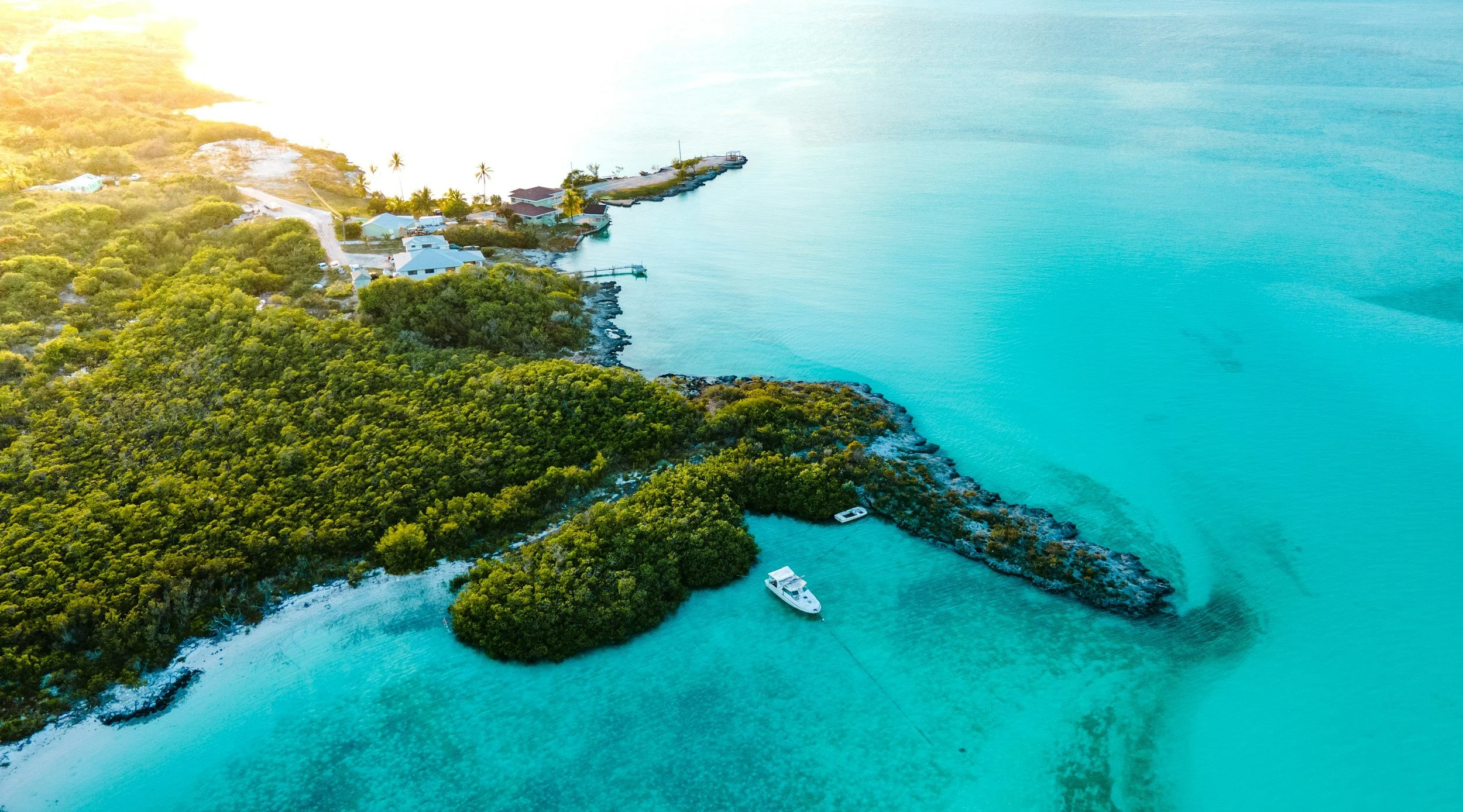
- The Family Islands: These areas are quieter, more isolated, and generally considered safer from a criminal standpoint. However, the lack of infrastructure means that emergency medical services and law enforcement response times may be significantly slower than in the capital.
- Private Resorts: Many of these function as self-contained ecosystems. Security measures here are robust, often employing professional security teams, high-definition surveillance, and strict access control for non-guests.
Assessing Crime Risks and Personal Security
Personal safety in The Bahamas relies largely on situational awareness. The most common threats to travelers are opportunistic property crimes—such as pickpocketing, bag snatching, or vehicle break-ins—rather than targeted violence.
To mitigate these risks, follow standard security protocols:
- Valuables: Do not leave electronics, jewelry, or cash unattended on beaches or inside unlocked vehicles. Even in "safe" areas, opportunistic theft can occur.
- Transportation: Utilize official taxis or pre-arranged transfer services provided by your hotel. Avoid walking alone at night, particularly in downtown Nassau or poorly lit residential streets.
- Nightlife: When frequenting bars or clubs, keep an eye on your beverage at all times. Drink spiking is an infrequent but serious risk in high-density nightlife areas.
- Financial Safety: Use ATMs located inside banks or secure lobby areas. Avoid machines on isolated street corners, which are more susceptible to tampering.
Water Safety and Environmental Hazards
For many, the primary risk in The Bahamas is not human-related but environmental. The country is an ocean-based destination, and maritime accidents or injuries are common.
- Marine Hazards: Jellyfish, sea urchins, and strong rip currents are persistent risks. Always check the color-coded flag system at public beaches regarding swim safety. If you are not a strong swimmer, avoid snorkeling or swimming in areas with significant tidal movement.
- Water Sports Regulations: Ensure that any tour operator you hire for jet skiing, parasailing, or boat charters is licensed by the Bahamas Port Department. Unregulated operators are more likely to have poorly maintained equipment or insufficient safety gear, such as life jackets.
- Hurricane Season: From June through November, the Atlantic hurricane season poses a seasonal risk. Monitor the National Hurricane Center updates regularly if your travel dates fall within these months.
Comparative Safety Overview
| Location/Activity | Risk Level | Primary Safety Consideration |
|---|---|---|
| All-Inclusive Resorts | Low | Maintain standard room security |
| Family Islands | Low-Moderate | Limited access to medical care |
| Downtown Nassau | Moderate-High | Risk of theft and street crime |
| Public Beaches | Moderate | Water safety and unattended belongings |
| Commercial Boat Tours | Low | Verify licensing and safety equipment |
Essential Travel Prerequisites for 2026
Before departing, travelers should organize their documentation to minimize complications. Ensure your passport is valid for at least six months beyond your departure date. While The Bahamas does not require a visa for many nationalities for short stays, always verify the specific entry requirements based on your citizenship through official government portals.
Carry a secondary form of identification, such as a photocopy of your passport or a driver’s license, and store the physical document in a hotel safe. It is also prudent to register your travel itinerary with your home country’s embassy or consulate. This ensures that you receive timely alerts regarding civil unrest, weather warnings, or other local emergencies.
Medical Infrastructure and Health Coverage
Medical facilities in The Bahamas range from high-quality private clinics in Nassau to more limited medical stations on the remote islands. If you experience a significant medical emergency, evacuation to the United States is often the standard procedure.
- Insurance: Verify that your health insurance provides international coverage. If it does not, purchasing a travel insurance policy that includes medical evacuation coverage is highly recommended.
- Medications: Bring sufficient quantities of prescription medications in their original containers, accompanied by a copy of the prescription. Attempting to fill complex prescriptions at a local pharmacy can be time-consuming or impossible.
Frequently Asked Questions
Is it safe to walk around downtown Nassau at night? It is generally advised to avoid walking in downtown Nassau after dark. Stick to well-traveled areas, use official transport, and remain in groups. If you are returning to a cruise ship, ensure you allow ample time to clear the port area before the terminal closes.
Are there specific areas in the Bahamas I should avoid? Travel advisories consistently point to the "Over-the-Hill" area of Nassau as having a higher incidence of criminal activity. Most tourists have no reason to visit these neighborhoods, and local tour operators will avoid them.
What should I do if I am a victim of a crime? Immediately contact the Royal Bahamas Police Force by dialing 911 or 919. Notify your hotel management and your country’s embassy as soon as you have secured your physical safety.
Is it safer to book through a travel agent or independently? Booking through reputable, vetted travel agents or established resorts can add a layer of safety, as they often utilize tested transfer services and offer 24/7 support. Independent travel offers more flexibility but requires you to perform your own due diligence on transport and accommodation providers.
Does the Bahamas have a high rate of violent crime against tourists? While violent crime exists, it is statistically rare for visitors to be targeted. The majority of violent crimes occur in the context of domestic or gang-related disputes in areas outside of the tourism corridor.
Final Recommendation
The Bahamas is safe for travelers who exercise the same level of street smarts they would employ in any major global city. By staying in managed resorts, utilizing official transportation, and remaining mindful of your surroundings in public areas, you can significantly reduce your risk profile. Before you finalize your booking for 2026, check the latest travel advisories provided by your government and ensure your travel insurance is comprehensive, specifically regarding medical evacuation and trip cancellation.
Image Gallery