Why the Best Foundation Repair Services Matter for Your Home
Your home’s foundation serves as the primary structural anchor for your entire property. Investing in the best foundation repair services is critical because early, professional intervention prevents minor cracks from escalating into c...
Your home’s foundation serves as the primary structural anchor for your entire property. Investing in the best foundation repair services is critical because early, professional intervention prevents minor cracks from escalating into catastrophic structural failure, protects your property’s resale value, and ensures the long-term safety of the building’s inhabitants.
Contents
The Role of Professional Expertise in Structural Integrity
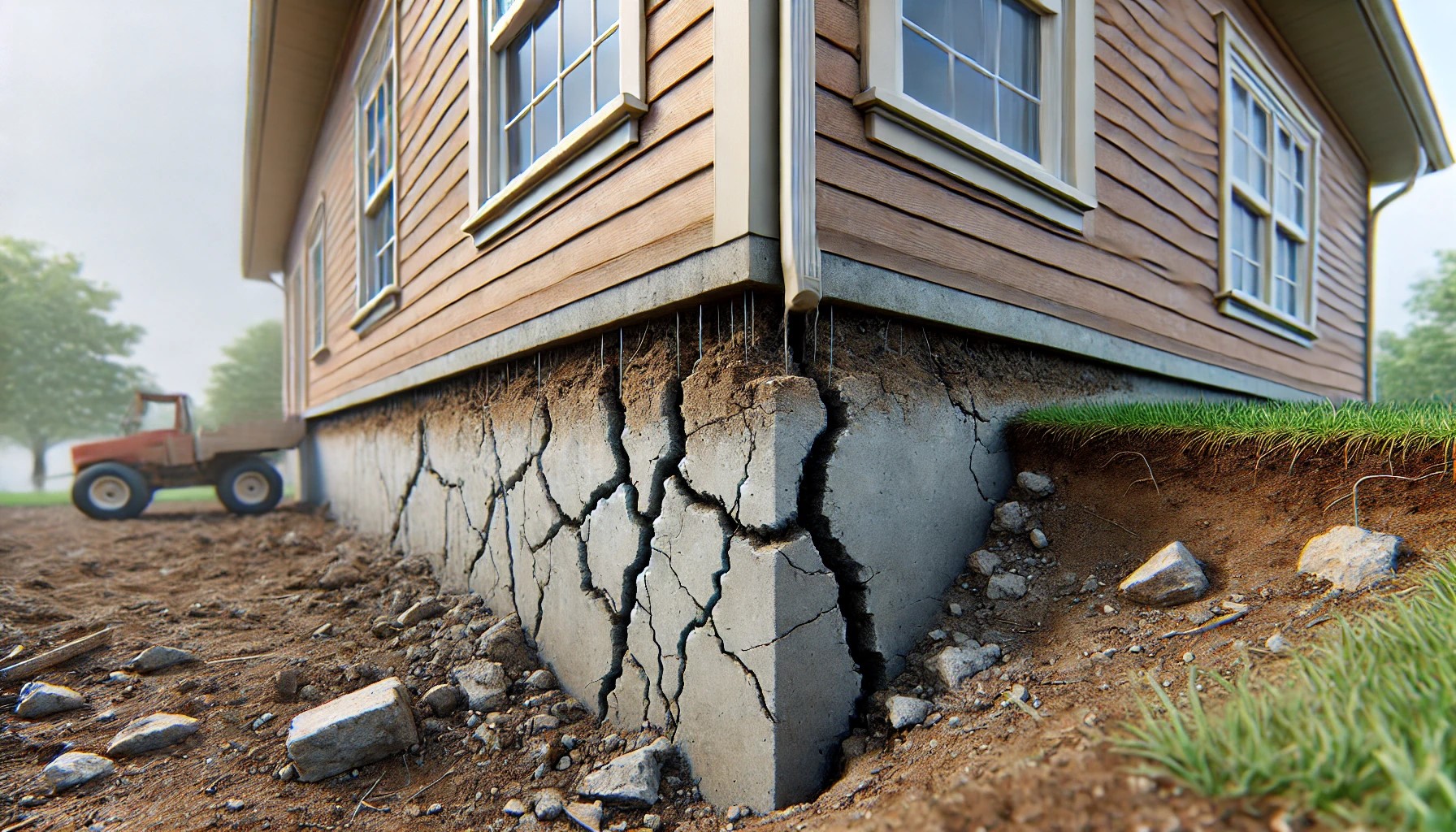
A residential foundation is more than just a concrete slab or a basement wall; it is a complex engineering component designed to distribute the weight of the structure into the soil. Soil composition, moisture levels, and seasonal temperature fluctuations exert constant pressure on these structures. When the ground shifts—a common occurrence due to natural settling, drought, or excessive rainfall—the foundation may crack, bow, or settle unevenly.
Choosing the best foundation repair service is not merely a matter of convenience; it is a risk-mitigation strategy. Licensed professionals utilize diagnostic tools such as laser levels, hydraulic pressure sensors, and geotechnical soil analysis to identify the root cause of the damage. Amateur repairs often address the symptom—the crack itself—using surface-level fillers that fail to accommodate ongoing structural movement. In contrast, top-tier services identify whether the issue is caused by hydrostatic pressure, soil erosion, or tree root encroachment, allowing them to implement a permanent, engineer-backed solution.
Identifying the Signs of Foundation Failure
Homeowners rarely catch foundation issues at the point of origin. By the time visual signs appear, the movement has already altered the load-bearing capacity of the structure. Recognizing these warning signs is the first step toward engaging professional help:
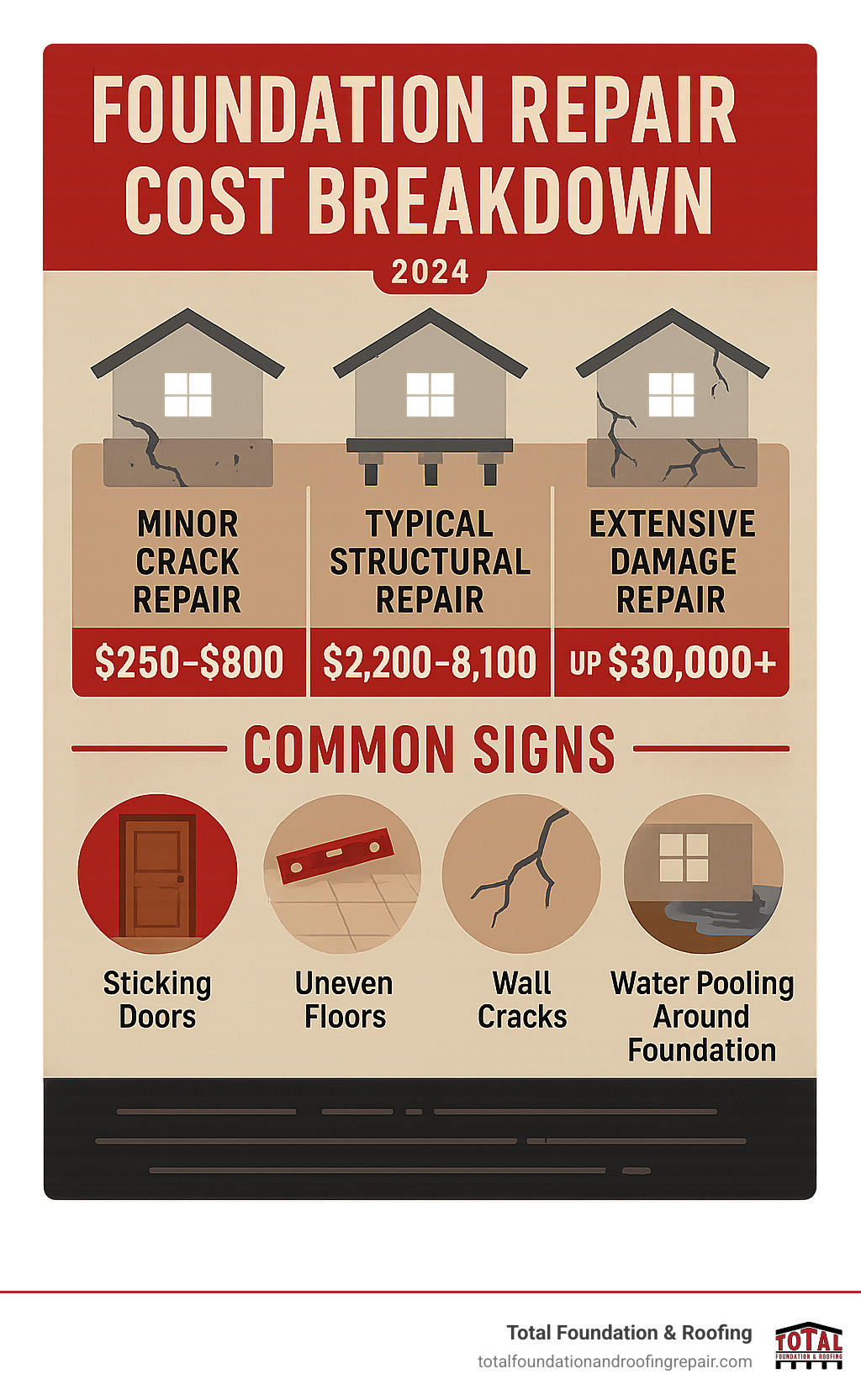
- Door and Window Alignment: If doors or windows start sticking, jamming, or failing to latch, it often indicates the frame has shifted because the foundation has moved.
- Stair-Step Cracks: Cracks that resemble a staircase in masonry or brickwork are classic indicators of differential settlement, where one section of the foundation sinks faster than others.
- Floor Slope: A noticeable tilt in the floor can be detected by placing a marble on the surface. While some older homes have minor settling, a significant slope indicates a deeper structural concern.
- Gaps in Exterior Trim: When the foundation shifts, exterior trim, siding, and door frames may pull away from the wall, creating gaps that invite water intrusion and pests.
Comparing Repair Methodologies
Not all foundation repairs are equal, and the "best" service provider is one that matches the repair method to the specific geological and architectural needs of the home.
| Method | Best Used For | Mechanism |
|---|---|---|
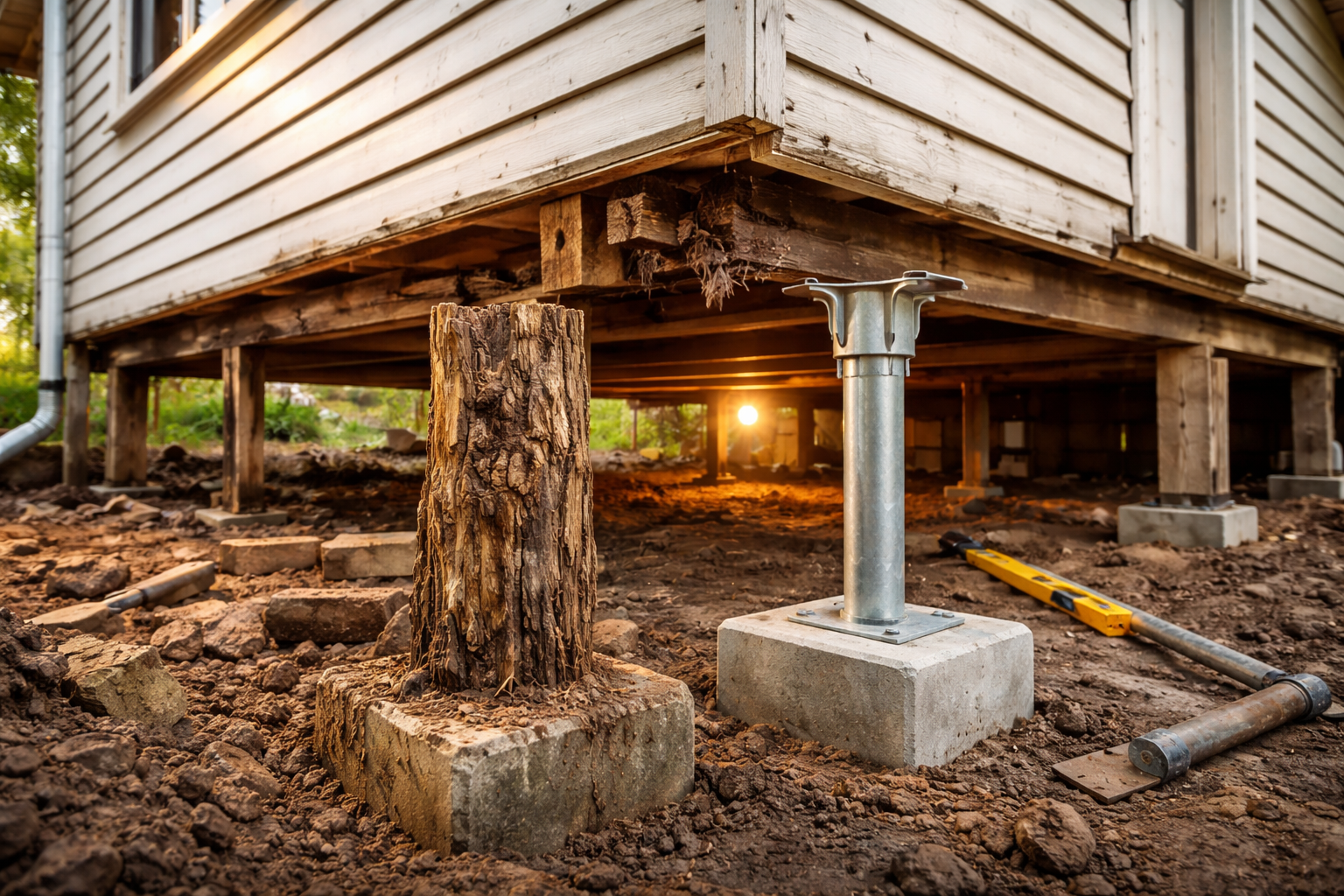
| Steel Piers | Deep settlement in unstable soils | Driven deep into load-bearing strata to provide permanent support. |
| Helical Piers | Smaller, lighter structures; limited access | Screwed into the ground to provide anchorage and lift. |
| Mudjacking | Minor slab settlement | Pumping a grout mixture beneath the slab to raise it to level. |
| Carbon Fiber Straps | Bowing basement walls | High-tensile strips bonded to walls to prevent further inward movement. |
Selecting the right method requires an expert site assessment. Applying a heavy-duty pier system where simple stabilization would suffice is a waste of capital, while choosing a cosmetic patch for a deep-seated structural shift can lead to further, more expensive damage.
The Financial and Safety Implications
The financial impact of neglecting foundation repairs is significant. Beyond the immediate cost of the repair, a compromised foundation devalues the property and can prevent a successful real estate transaction. In 2026, many mortgage lenders require a structural inspection report for older properties; if a foundation issue is identified, the sale may be delayed or cancelled unless professional repairs are verified.
Safety remains the most vital consideration. A failing foundation can lead to ruptured plumbing lines, cracked gas pipes, and compromised electrical conduits housed within the walls. Furthermore, large fissures can lead to water intrusion, which, if ignored, provides a breeding ground for mold and mildew, potentially impacting the indoor air quality and the long-term health of the residents.
Evaluating Professional Repair Companies
When vetting contractors, prioritize companies that provide transparent documentation. The best foundation repair services offer:
- Engineering Reports: A structural engineer should provide a stamped assessment detailing why the repair is necessary and the specific methodology proposed.
- Permit Management: Reputable companies manage the local building permit process, ensuring the work meets current municipal safety codes.
- Transferable Warranties: Look for long-term or lifetime warranties that stay with the house, not just the owner. This is a critical asset when it comes time to sell the property.
- Site Safety Protocols: Professional crews utilize standardized safety equipment and insurance coverage to protect both the workers and the homeowner from liability.
Avoid contractors who provide "estimates" without an in-person, detailed inspection or those who push high-pressure sales tactics for temporary cosmetic fixes.
Common Mistakes to Avoid
Many homeowners make the mistake of assuming that foundation repair is a DIY project. While patching a hairline crack in a basement floor might seem straightforward, failing to diagnose the pressure behind the crack often leads to the issue recurring within months. Another common error is prioritizing the cheapest bid. Foundation repair is a highly specialized trade where the cost of materials and professional labor is high. An unusually low quote often signals the use of inferior-grade piers or, worse, a company that lacks the appropriate bonding and licensing to be held accountable for future failures.
Frequently Asked Questions
Is it normal for a foundation to have cracks? Some hairline cracks are common due to the initial curing process of concrete. However, any crack wider than a dime or one that shows evidence of movement (widening over time) should be evaluated by a structural engineer to rule out foundation failure.
Does my homeowner’s insurance cover foundation repair? Standard homeowner’s insurance policies typically exclude damage caused by soil movement, settling, or earth pressure. Coverage usually only applies if the foundation damage is a direct result of a "covered peril," such as a burst pipe that causes sudden soil erosion. Always check your specific policy or consult with your insurer.
How long do foundation repairs typically take? The duration depends on the severity and the chosen method. Minor stabilization might take one to two days, while extensive pier installations or major drainage corrections could take a week or more. A reputable contractor will provide a clear timeline before starting work.
Can I fix a foundation crack myself? You can repair minor surface cracks for aesthetic reasons using epoxy or polyurethane injections. However, if the crack is a symptom of structural movement, self-repair will not stop the foundation from continuing to shift, potentially leading to more severe damage later.
Do I need a structural engineer? Yes, involving a licensed structural engineer is highly recommended. Their objective assessment ensures that the repairs proposed by a contractor are actually necessary and effectively address the underlying structural deficiency.
Moving Forward with Professional Repairs
If you suspect foundation issues, do not wait for the symptoms to worsen. Start by documenting the cracks or shifts you observe and contact a reputable, licensed foundation specialist for an inspection. By commissioning a professional assessment and choosing a repair method based on verified engineering requirements, you protect your home’s structural future and preserve its market value for years to come. Ensure that any agreement includes a written, transferable warranty and proof of professional liability insurance before work begins.
Image Gallery