What Changed After the Austin Target Shooting?
Following the tragic March 2023 shooting at a Target store in North Austin, significant changes were implemented across corporate security protocols, Texas state legislative priorities, and local law enforcement response strategies. Th...
Following the tragic March 2023 shooting at a Target store in North Austin, significant changes were implemented across corporate security protocols, Texas state legislative priorities, and local law enforcement response strategies. These shifts prioritized "active shooter" prevention training for retail staff, enhanced mental health funding at the state level, and the integration of real-time surveillance technology within the Austin Police Department to reduce emergency response times.
Contents
The incident that occurred on March 25, 2023, at the Target location off Research Boulevard near the Arboretum, fundamentally altered the conversation regarding retail safety in Central Texas. Because the perpetrator was a former employee, the event specifically triggered a national re-evaluation of workplace violence prevention and how large corporations manage the off-boarding and monitoring of disgruntled staff. As of 2026, the ripple effects of this tragedy remain visible in the way Texans shop, how businesses protect their premises, and how the legal system addresses the intersection of mental health and firearm access.
The March 2023 Austin Target Shooting: Context and Immediate Impact
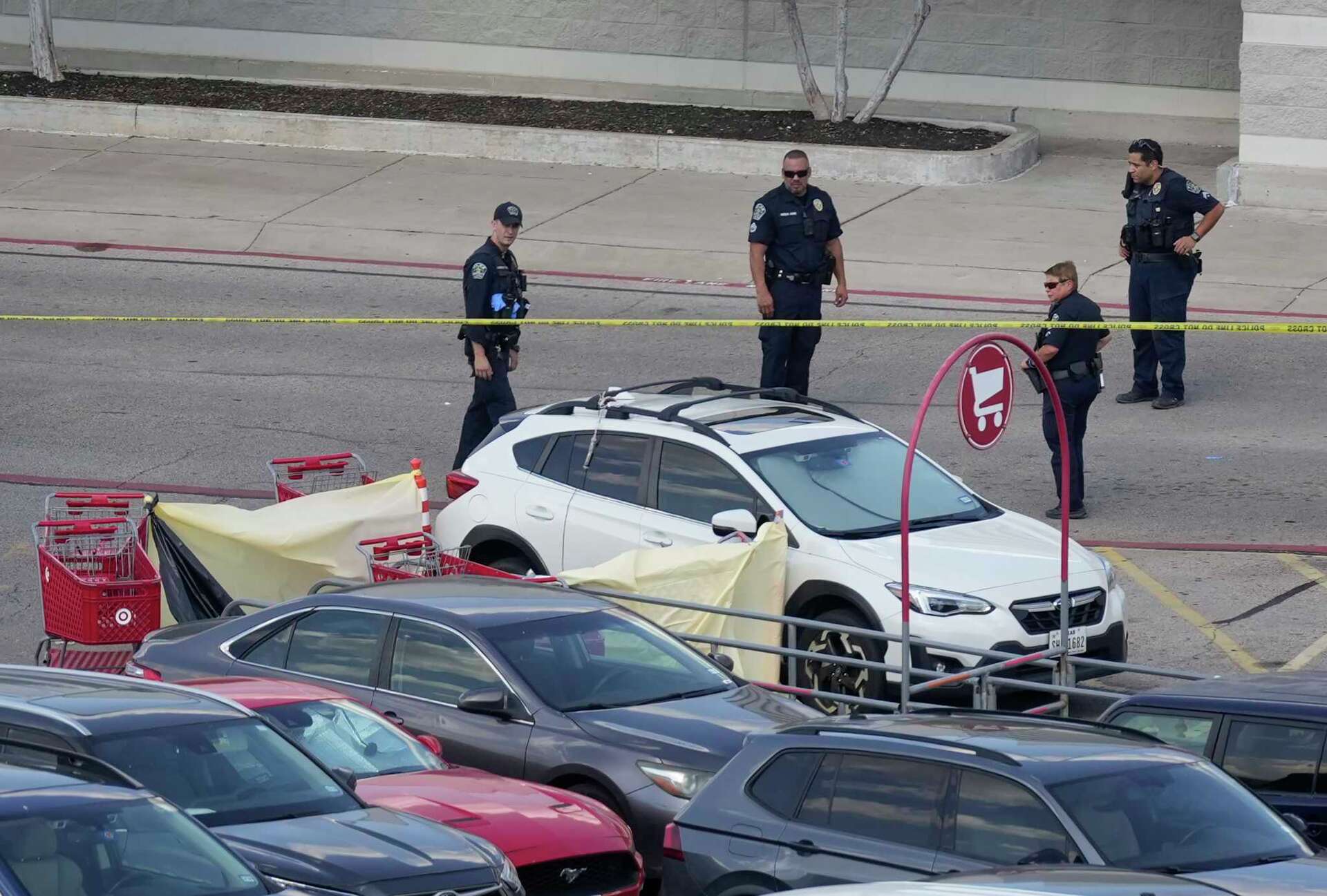
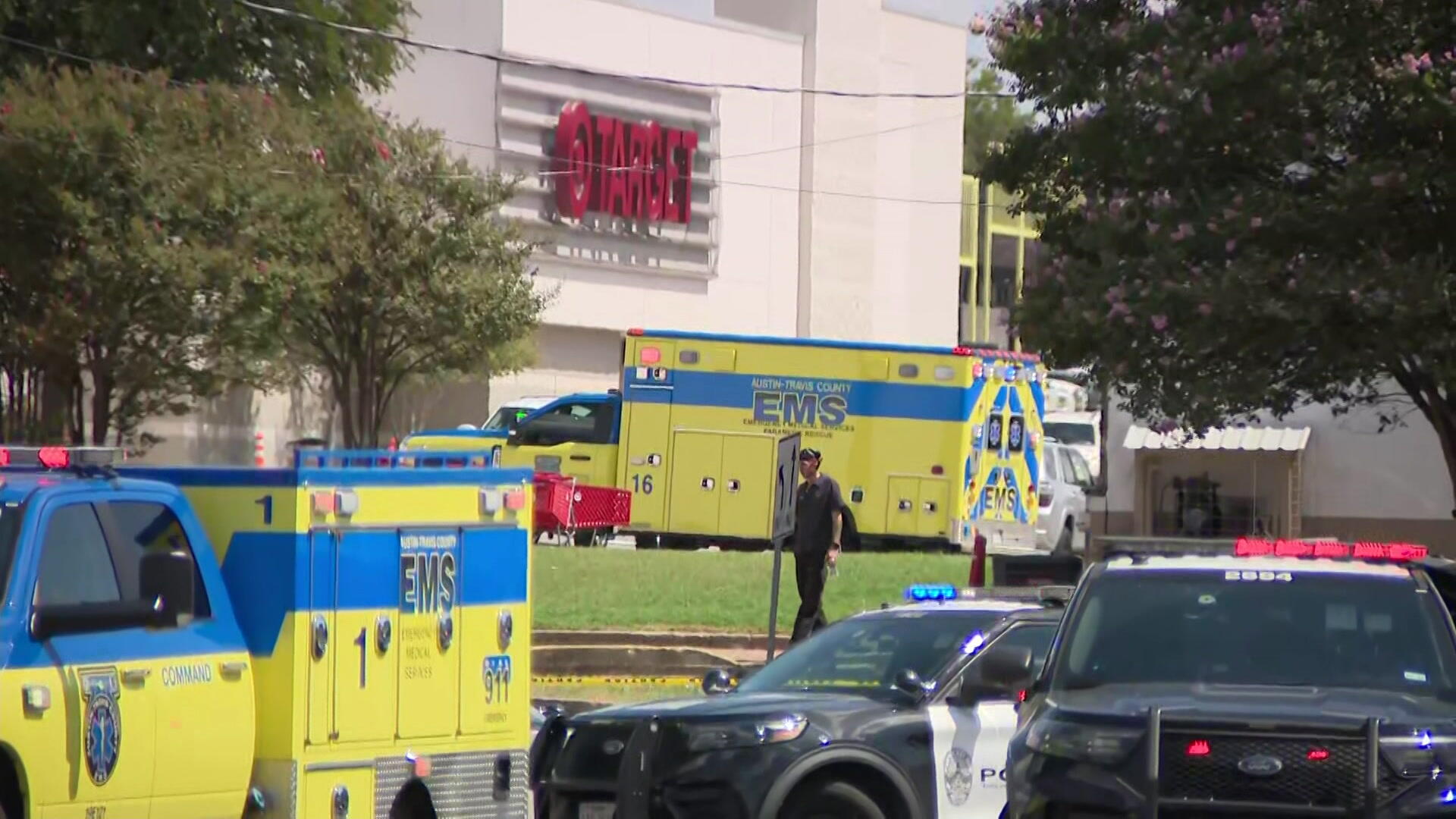
To understand the changes that followed, one must first look at the specific nature of the event. On a Saturday morning in late March 2023, a former employee entered the Target store at 10107 Research Blvd. The shooter targeted a specific individual, Katherine "Katie" Roumasset-Newhall, before taking his own life. While the event was classified as a murder-suicide rather than a random mass shooting, its occurrence in a high-traffic retail environment during peak hours sent shockwaves through the community.
The immediate impact was a localized crisis of confidence in public safety. Shoppers who were present described a scene of chaos as the "active shooter" protocol was initiated. The proximity of the store to other major retail hubs like the Arboretum and the Domain meant that the lockdown procedures affected hundreds of nearby patrons. In the weeks that followed, the conversation focused heavily on why a former employee with known grievances was able to enter the premises undetected and carry out a violent act.
Corporate Security Evolution: How Target Updated Safety Protocols
In the wake of the shooting, Target Corporation, which operates nearly 2,000 stores across the United States, underwent a rigorous internal review of its security posture. By 2026, several of the pilot programs initiated in the year following the Austin shooting have become standard operating procedure across their Texas locations.
Enhanced Employee Off-boarding and Threat Assessment
One of the most critical changes involved the creation of specialized "Threat Assessment Teams" within the Human Resources and Global Security departments. Previously, employee terminations followed a standard administrative track. Post-2023, Target implemented a risk-scoring matrix for departing employees who exhibited signs of volatility or made threatening remarks.
If an employee is flagged as high-risk, their biometric data (where legally permissible) and photographs are immediately updated in the store’s security database. In Austin-area stores, security personnel now receive "BOLO" (Be On the Look-Out) alerts through handheld devices if a flagged individual is spotted near the premises.
Technological Upgrades: AI Surveillance and Silent Alarms
Target invested heavily in AI-integrated surveillance systems. By 2026, many Austin locations have transitioned to cameras capable of recognizing specific "aggression markers"—such as raised voices or sudden violent movements—and alerting the store's "LOD" (Leader on Duty) before a weapon is even drawn. Additionally, "silent alarm" buttons have been moved from fixed locations at registers to wearable devices for floor managers, allowing for an instantaneous police call without the need to reach a stationary terminal.
Legislative and Policy Shifts in Texas Following 2023
While the Austin Target shooting was a private-sector incident, it occurred during the 88th Texas Legislative Session, providing momentum for several bills related to public safety and mental health.
Mental Health Funding and Crisis Intervention
In late 2023 and throughout 2024, Texas allocated record-breaking sums toward mental health services. Specifically, Senate Bill 26 and House Bill 3 focused on expanding the capacity of state hospitals and providing more resources for community-based mental health clinics. The goal was to provide "off-ramps" for individuals in crisis before they turned to violence. In Austin, this resulted in the expansion of the Integral Care crisis teams, which work alongside police to handle calls involving mental health breaks.
Retail Security Mandates
There has been an ongoing debate in the Texas Legislature regarding whether large-scale retailers should be required to staff at least one armed security guard during peak hours. While a statewide mandate failed to pass in 2025 due to concerns about liability and cost for smaller businesses, many "big-box" retailers in Austin—including Target, Walmart, and H-E-B—voluntarily increased their private security presence. Most 2026 shopping experiences in North Austin now include the visible presence of "TCOs" (Tier 1 Security Officers) who are trained specifically in de-escalation and active shooter neutralization.
Law Enforcement and Emergency Response Enhancements in Austin
The Austin Police Department (APD) faced intense scrutiny regarding response times in 2023. Since then, the department has undergone structural changes to ensure that retail corridors receive faster intervention.
Integration with the Real-Time Crime Center (RTCC)
The APD Real-Time Crime Center has been a primary beneficiary of post-2023 policy changes. Large retailers can now opt into a program that allows APD to access their external camera feeds during an active emergency. This "Live-Link" capability means that as officers are dispatched to a location like the Research Blvd Target, dispatchers can provide real-time updates on the shooter’s description, weapon type, and last known location inside the building.
Tactical Training for First Responders
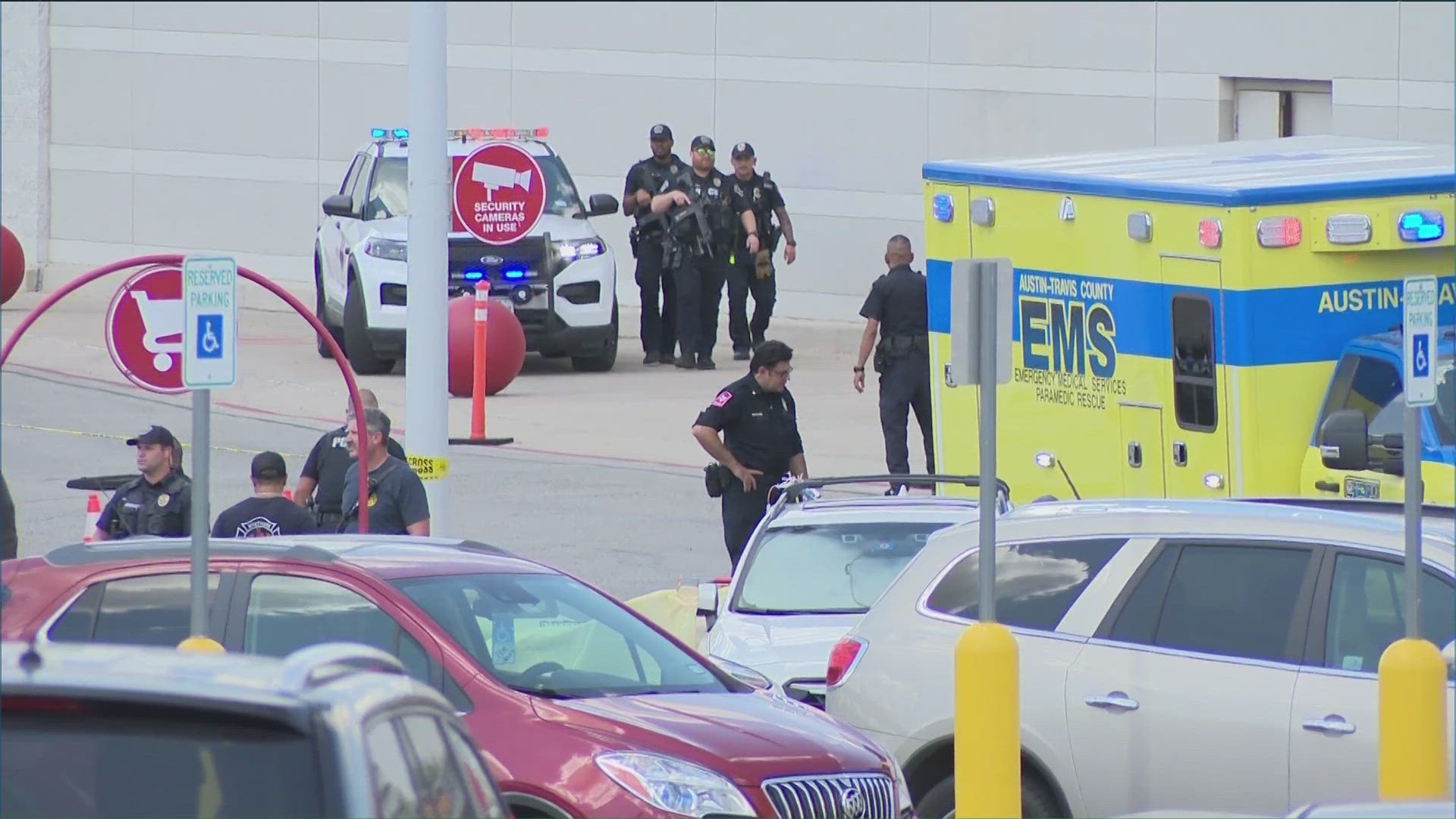
Since 2024, APD has increased the frequency of "Joint Agency Drills" involving the Austin Fire Department and EMS. These drills specifically simulate shootings in high-density retail environments. The "Rescue Task Force" model—where paramedics enter a scene under police protection before the building is fully cleared—was refined using the lessons learned from the Arboretum-area incident to ensure that victims receive life-saving medical care within the "golden hour."
Comparing Retail Safety Measures: 2023 vs. 2026
The following table outlines the technical and operational differences in how retail safety is managed in Austin today compared to the timeframe of the 2023 shooting.
| Security Feature | 2023 Standards (At Time of Incident) | 2026 Standards (Current Implementation) |
|---|---|---|
| Surveillance Tech | Passive recording (reviewed after the fact). | Active AI monitoring for behavioral anomalies. |
| Staff Training | Annual "Run, Hide, Fight" video training. | Quarterly interactive simulations and de-escalation drills. |
| Police Connectivity | Phone-based 911 dispatch. | Direct digital integration with APD Real-Time Crime Center. |
| Off-boarding | Standard exit interviews; key/badge return. | Comprehensive risk-assessment for all involuntary separations. |
| Physical Security | Unarmed "Loss Prevention" officers. | High-visibility, armed private security at major hubs. |
| Emergency Alerts | Store-wide PA announcements. | Geofenced mobile alerts to shoppers via store apps. |
Workplace Safety Advocacy and Mental Health Resources
The Austin Target shooting highlighted a specific sub-category of gun violence: workplace violence committed by former employees. This has led to a surge in advocacy for "Red Flag" laws and better employer-employee communication.
Identifying Red Flags in Former Employees
Occupational safety experts now emphasize the "Pathway to Violence" model. In the years following the 2023 shooting, Austin-based HR consultants have seen a 40% increase in requests for workplace violence prevention audits. Businesses are being taught to look for specific indicators in disgruntled former staff, such as:
- Fixation: An obsessive focus on a specific supervisor or co-worker.
- Identification: Expressing admiration for previous perpetrators of workplace shootings.
- Leakage: Telling third parties about their intent to "get even" or cause harm.
The "Katie Newhall" Legacy and Community Support
The victim of the 2023 shooting, Katie Newhall, was a beloved member of the community. In the years since, her family and friends have worked to ensure her death was not in vain. The "Katie’s Law" initiative—while still in the legislative proposal stage in 2026—seeks to mandate that employers notify local law enforcement when a terminated employee makes credible threats during or after an exit interview.
Community support groups in North Austin also established the "Arboretum Healing Project," which provides free trauma counseling for retail workers who have witnessed violence. This acknowledges that the psychological impact of such events extends far beyond those physically injured.
FAQs About the Austin Target Shooting Changes
Was the Austin Target shooting a mass shooting?
Technically, the March 25, 2023, incident was classified by law enforcement as a murder-suicide because the shooter targeted one specific person and then himself. However, because it occurred in a public space and triggered active shooter protocols, it is often discussed in the context of mass violence and retail safety reforms.
Did Target change its gun policy after the incident?
Target’s official policy has remained consistent since 2014, requesting that guests not bring firearms into their stores, even in states where "open carry" is legal. However, post-2023, the enforcement of this policy became more proactive in Texas, with increased signage and security personnel trained to politely ask patrons to secure their firearms in their vehicles.
What are the "Rescue Task Forces" mentioned in Austin’s safety updates?
A Rescue Task Force (RTF) is a team of EMS and Fire personnel escorted by police into "warm zones"—areas that have been cleared but not yet fully secured. This allows medical professionals to treat life-threatening injuries like severe hemorrhaging much faster than waiting for a "cold zone" (full clearance), which can take hours.
Has the Research Blvd Target remained open?
Yes, the store reopened shortly after the investigation concluded in 2023. It has since undergone significant interior remodeling, which included the installation of updated security kiosks and improved line-of-sight layouts to eliminate "blind spots" where an intruder could hide.
Are there new laws for former employees who make threats?
While there is no specific federal law, Texas has strengthened its "Terroristic Threat" statutes. Making a threat of violence against a former place of employment is now more likely to result in immediate arrest and the issuance of a "Protective Order" that bars the individual from coming within a certain distance of any company property.
Practical Recommendations for Retail Safety
For retail managers and business owners in the Austin area, the lessons of the 2023 shooting suggest several actionable steps to improve safety in 2026:
- Conduct an Audit: Engage a third-party security firm to evaluate entry points, camera coverage, and "safe room" locations within your facility.
- Refine Off-boarding: Never conduct a high-risk termination alone. Ensure security is present and that the individual is escorted off the property immediately.
- Encourage Reporting: Foster a workplace culture where employees feel safe reporting "creepy" or threatening behavior from colleagues without fear of retaliation.
- Stay Integrated: Reach out to the Austin Police Department’s community liaison to see if your business qualifies for the Real-Time Crime Center integration program.
By focusing on these proactive measures, the Austin community continues to honor the memory of those lost by building a more resilient and prepared retail environment.
Image Gallery