Understanding the New Songs in Wicked Part 1: Analyzing the Cinematic Adaptation's Musical Additions
When Universal Pictures adapted the beloved Broadway musical Wicked into a two-part cinematic event, directed by Jon M. Chu, fans immediately wondered how the transition to film would expand the material. While the original stage produ...
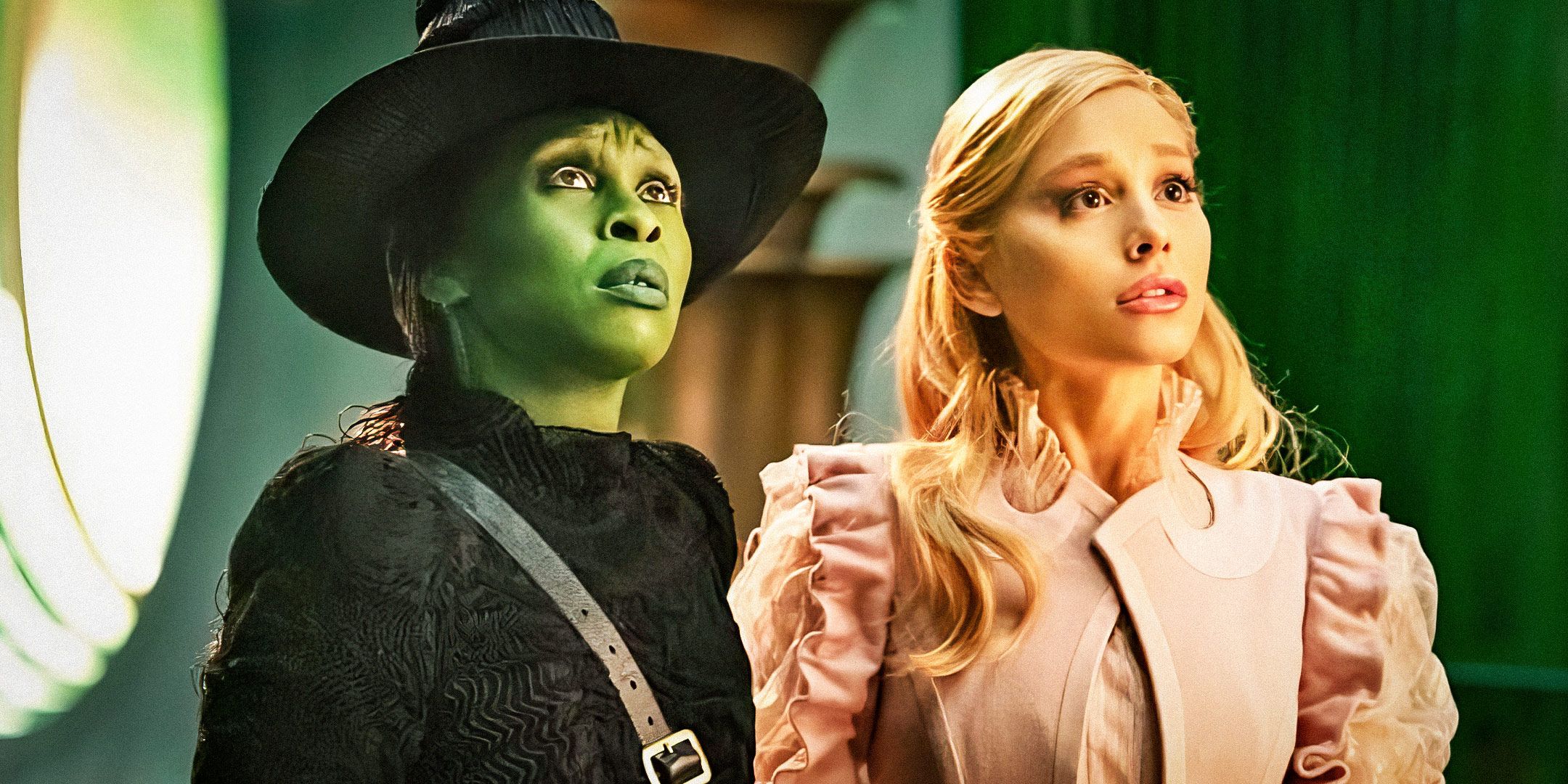
When Universal Pictures adapted the beloved Broadway musical Wicked into a two-part cinematic event, directed by Jon M. Chu, fans immediately wondered how the transition to film would expand the material. While the original stage production by Stephen Schwartz and Winnie Holzman remains a theatrical powerhouse, Wicked Part 1 (released in 2024) utilizes the expanded runtime of a feature film to deepen character motivations and world-building. Rather than inventing entirely new musical themes out of nowhere, the production team, working alongside original composer and lyricist Stephen Schwartz, integrated subtle motifs and focused on maximizing the emotional resonance of Elphaba and Glinda's journey at Shiz University.
Contents
Analyzing the musical landscape of Wicked Part 1 requires looking closely at how Stephen Schwartz adapted his iconic score for the screen. While stage productions must maintain a brisk, continuous momentum to keep live audiences engaged, cinematic adaptations allow for breathing room, instrumental underscoring that recalls classic film scoring, and vocal performances tailored for intimate close-ups. By examining the musical arrangements, structural changes, and how the score functions within the broader Oz mythology, viewers gain a clearer picture of how the film honors its source material while carving out its own distinct identity.
The Musical Blueprint of the Broadway Stage Versus the Cinematic Screen
The original 2003 Broadway production of Wicked stands as one of the most successful musicals of the twenty-first century. Stephen Schwartz built a cohesive score where musical themes recur to represent specific emotional states, moral philosophies, and character arcs. The most prominent of these is the "Unlimited" theme, which later transforms into the defiant anthem "Defying Gravity," as well as the haunting opening notes of "No One Mourns the Wicked."
When transitioning this score to Wicked Part 1, the primary objective was not to rewrite the narrative from scratch with a completely new tracklist, but rather to expand the sonic world. On stage, a pit orchestra handles the entire score under strict time constraints. For the film adaptation, orchestrations were massively expanded for large symphonic forces, allowing for sweeping cinematic textures that elevate the material from theatrical pop-rock to grand cinematic fantasy.
Furthermore, the vocal arrangements were adjusted to match the cinematic medium. Stage actors must project to the back of a 2,000-seat theater; film actors can whisper, belt, or play with delicate micro-dynamics into a microphone. Cynthia Erivo (Elphaba) and Ariana Grande (Glinda) brought vocal styles that honor the original Broadway recordings by Idina Menzel and Kristin Chenoweth while infusing the numbers with new emotional interpretations and intricate harmonic variations.
Key Musical Sequences and Their Cinematic Expansion
While Wicked Part 1 covers roughly the first act of the stage musical—ending with the iconic sequence of "Defying Gravity"—the way individual songs are presented on screen offers fresh perspectives on the plot.
Shiz University and the Arrival at Emerald City
The introduction to Shiz University establishes the contrasting worlds of Galinda and Elphaba. Songs like "Dear Old Shiz" and "What Is This Feeling?" are staged with massive choreographic set pieces that would be physically impossible in a traditional theater. The use of practical sets, thousands of extras, and dynamic camera movements by Jon M. Chu turn these campus numbers into sprawling cinematic spectacles.
In "What Is This Feeling?", the mutual loathing between Galinda and Elphaba is amplified through visual comedy and rapid-fire editing that mirrors the rhythmic staccato of Schwartz's score. The physical comedy of their shared dormitory room becomes a masterclass in synchronizing visual gags with musical beats.
The Evolution of "Popular" and "The Wizard and I"
Solos such as "The Wizard and I" and "Popular" serve as character defining moments. In "The Wizard and I," Elphaba's desperate hope for acceptance and her dream of meeting the Wizard are captured in wide, sweeping shots of the Oz landscape, contrasting her internal isolation with the vastness of her ambitions.
Conversely, "Popular" becomes a masterclass in physical performance and comedic timing. Ariana Grande’s interpretation of Galinda leans into bubblegum pop aesthetics while maintaining the precise comedic phrasing established on Broadway. The expanded visual framing allows for elaborate sight gags involving wardrobe changes, hair styling, and the complete makeover of Elphaba's dorm room, giving the song a narrative weight that extends far beyond a simple musical interlude.
| Song Title | Stage Function | Cinematic Adaptation Focus | Key Emotional Arc |
|---|---|---|---|
| No One Mourns the Wicked | Opening prologue establishing the public celebration of the Wicked Witch's death. | Grand choral arrangements and sweeping camera pans across Munchkinland. | Shifts perspective from public celebration to private tragedy. |
| The Wizard and I | Elphaba's soaring 11-oclock style number of hope and ambition. | Intimate close-ups paired with expansive natural vistas of Oz. | Establishes Elphaba's desperate desire for validation and purpose. |
| What Is This Feeling? | Comedic duet highlighting the immediate rivalry between Elphaba and Galinda. | Elaborate campus choreography and synchronized dormitory physical comedy. | Codifies their forced proximity and mutual disdain. |
| Popular | Galinda's upbeat attempt to socially transform Elphaba. | High-concept wardrobe sequences and detailed comedic performance. | Demonstrates Galinda's superficial vanity masking genuine affection. |
| Defying Gravity | Act I finale showcasing Elphaba's absolute rebellion and newfound freedom. | Large-scale flying sequences, dramatic lighting, and thunderous orchestral swells. | Marks the definitive break from societal norms and the birth of the Wicked Witch. |
The Climax: Reimagining "Defying Gravity" for the Big Screen
No discussion of the music in Wicked Part 1 is complete without examining the Act I finale, "Defying Gravity." On stage, this song serves as the adrenaline-fueled climax that brings down the curtain, leaving audiences breathless as Elphaba rises above the stage on a hydraulic lift.
For the cinematic adaptation, this moment required a scale that only film could provide. The sequence builds systematically throughout the second half of the film, utilizing leitmotifs introduced during Elphaba's time with the Wizard in the Emerald City. When the betrayal is revealed—that the Wizard is a fraud exploiting the animals of Oz—the emotional stakes reach a boiling point.
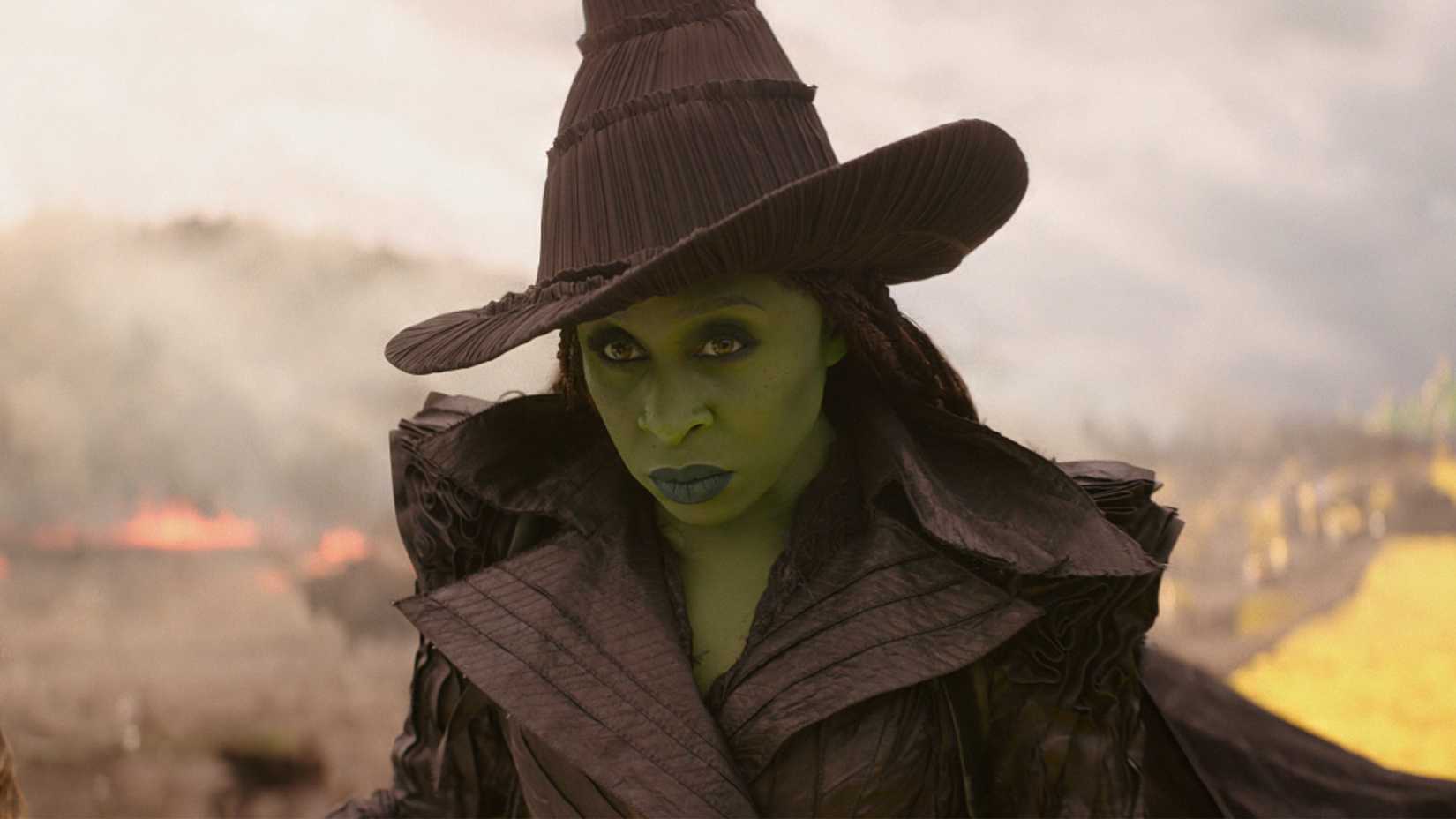
As Elphaba begins to sing the opening lines of "Defying Gravity," the orchestration swells with brass and percussion, moving away from the whimsical tones of Shiz University into a dark, driving rock-opera fury. The visual realization of her flight incorporates practical wirework, sweeping drone shots, and breathtaking visual effects that capture the sheer vertigo of her liberation. Cynthia Erivo’s vocal delivery anchors the sequence, blending raw emotional vulnerability with earth-shattering belt power that defines the emotional peak of the film.
Orchestral Motifs and Sound Design Integration
Beyond the vocal tracks, the sonic landscape of Wicked Part 1 relies heavily on John Powell’s overarching musical score, which weaves Stephen Schwartz’s original melodies into a continuous cinematic soundscape. Where stage transitions are often filled with brief vamp music or silence as set pieces move, the film utilizes complex orchestral underscoring.
This underscoring acts as a psychological guide for the audience. Whenever the mysterious Grimmerie spellbook appears, low brass and eerie choral chants signal its corrupting influence. When themes relating to the animals of Oz are referenced, woodwinds take center stage, evoking a pastoral, naturalistic connection to the land before the Wizard's authoritarian rule begins to strip away their speech and freedoms.
Furthermore, the integration of Dolby Atmos and advanced cinematic sound mixing allows theatergoers to experience the spatial dimension of Oz in unprecedented ways. Sound effects—from flying monkeys swooping overhead to the heavy mechanical hum of the Wizard's inner sanctum—are layered directly into the musical mix, blurring the line between diegetic sound and musical score.
Common Questions Regarding the Music of Wicked Part 1
Are there completely new songs written for the movie adaptation?
Stephen Schwartz and the production team chose not to write entirely new standalone songs for Wicked Part 1. Instead, they expanded existing musical numbers, added intricate instrumental themes, and extended certain sequences musically to fit the narrative pacing of a two-part feature film.
Does Wicked Part 1 include all the songs from Act I of the Broadway show?
Yes, the film encompasses the entirety of Act I from the stage musical, featuring all major numbers such as "The Wizard and I," "Dancing Through Life," "Popular," and concluding with "Defying Gravity."
Who arranged the vocals and orchestrations for the film?
The musical supervision and arrangements were handled by seasoned Broadway and film music directors, ensuring that the integrity of Stephen Schwartz's original compositions was preserved while scaling up the orchestrations for a full symphonic film orchestra.
How do Cynthia Erivo and Ariana Grande's performances compare to the original cast?
While honoring the vocal melodies established by Idina Menzel and Kristin Chenoweth, Erivo and Grande bring distinct stylistic choices to their roles. Erivo utilizes a rich, soul-infused belt with immense control over micro-dynamics, while Grande brings a bright, agile soprano combined with virtuosic comedic timing.
Will Wicked Part 2 feature new songs?
Part 2, scheduled for release following the first film, covers Act II of the stage musical. Like the first installment, it adapts the existing Schwartz score with cinematic expansions, though specific details regarding any newly penned musical cues remain under wraps by the studio.
Practical Next Steps for Fans and Music Enthusiasts
For those looking to dive deeper into the musical world of Wicked Part 1, several resources and listening strategies can enhance appreciation of the craft:
- Listen to the Official Soundtrack Album: Compare the cinematic arrangements track-by-track against the 2003 Original Broadway Cast Recording to identify subtle changes in orchestration, tempo, and vocal styling.
- Examine the Lyric Motifs: Pay close attention to how lyrical callbacks function across different songs—such as how lines from "The Wizard and I" are subverted by the time Elphaba reaches the Emerald City.
- Explore Behind-the-Scenes Featurettes: Look for official studio documentaries detailing the live-singing recording process on set, which reveals how Erivo and Grande performed their vocals live rather than relying solely on pre-recorded studio tracks.
Image Gallery