Comprehensive Guide to Option Selling Strategies: Generating Income Through Time Decay
Option selling, also known as writing or shorting options, is a financial strategy where an investor receives an upfront payment, called a premium, in exchange for taking on a potential obligation to buy or sell an asset at a predeterm...
Option selling, also known as writing or shorting options, is a financial strategy where an investor receives an upfront payment, called a premium, in exchange for taking on a potential obligation to buy or sell an asset at a predetermined price. This approach shifts the investor's role from a buyer of "lottery tickets" to the "house," profiting primarily from the passage of time and the erosion of extrinsic value.
Contents
In the current 2026 trading landscape, option selling has become a cornerstone for institutional and retail investors seeking consistent income in various market conditions. Unlike traditional stock buying, which requires the price to move in a specific direction to profit, option selling allows for profitability even when the underlying asset stays flat or moves slightly against the position.
Understanding the Mechanics of Option Selling
When you sell an option, you are entering into a contract where you are the "writer." There are two primary types of options you can sell:
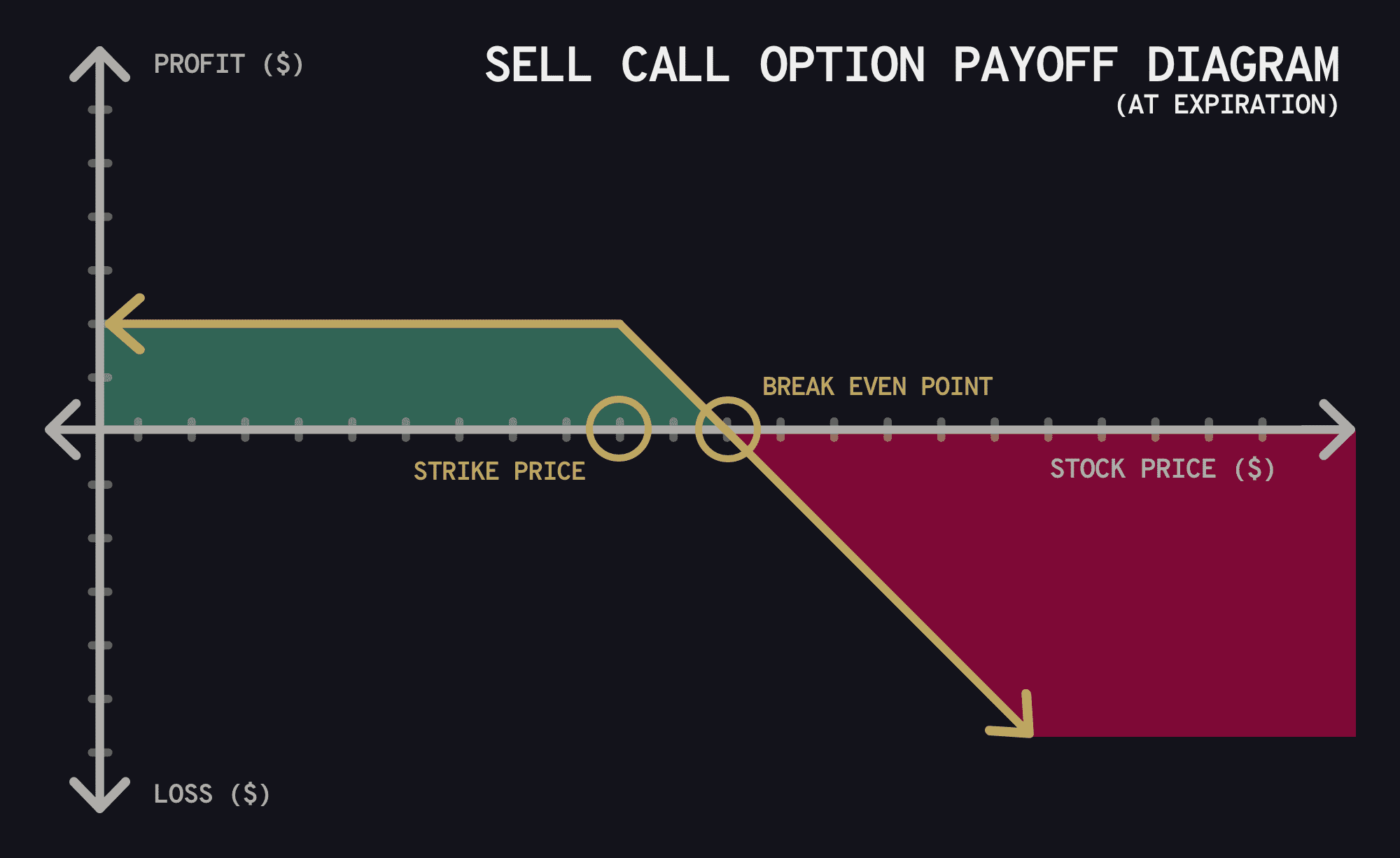
- Call Options: Selling a call gives someone else the right to buy shares from you at a specific price (the strike price).
- Put Options: Selling a put gives someone else the right to sell shares to you at a specific price.
In both scenarios, the seller receives the premium immediately. This premium represents the maximum profit potential for the trade. The buyer of the option is paying for the right to control the asset, while the seller is being paid to take on the risk of that asset's price movement.
The Role of Time Decay (Theta)
The most significant advantage of option selling is Theta, or time decay. Every option contract has an expiration date. As that date approaches, the "extrinsic value" or "time value" of the option decreases. For an option buyer, this is a constant headwind. For an option seller, this is a tailwind.
As of 2026, automated trading systems and increased market liquidity have made the capture of Theta more efficient. Sellers aim to position themselves so that the options they sell expire worthless, allowing them to keep the entire premium collected at the start.
Implied Volatility (IV) and the Seller’s Edge
Implied Volatility represents the market's expectation of how much a stock will move. When IV is high, option premiums are expensive. Strategic sellers often look for "high IV rank" or "IV percentile" environments. Historically, implied volatility tends to overstate the actual realized move of a stock. By selling when IV is high, the seller is essentially selling "overpriced" insurance, benefiting when volatility reverts to its mean.
Core Option Selling Strategies
Success in option selling depends on selecting the right strategy for the specific market outlook and risk tolerance.
1. Covered Calls
The covered call is perhaps the most common entry point for option sellers. It involves selling a call option against shares of a stock you already own. For every 100 shares of stock, you can sell one call option.
- Objective: To generate additional income from a long-term stock holding.
- Best Case Scenario: The stock stays just below the strike price. You keep the stock and the premium.
- Risk: If the stock price skyrockets, your profit is capped at the strike price, and you may be forced to sell your shares.
2. Cash-Secured Puts
Selling a cash-secured put involves selling a put option while keeping enough cash in your brokerage account to buy the underlying stock if it is assigned to you.
- Objective: To acquire a stock at a lower price than the current market value or to simply collect the premium if the stock stays above the strike price.
- The "Wheel" Strategy: Many investors in 2026 use the "Wheel." They sell cash-secured puts until they are assigned the stock, then they sell covered calls on those shares until the stock is called away. This cycle repeats to generate continuous cash flow.
3. Credit Spreads (Vertical Spreads)
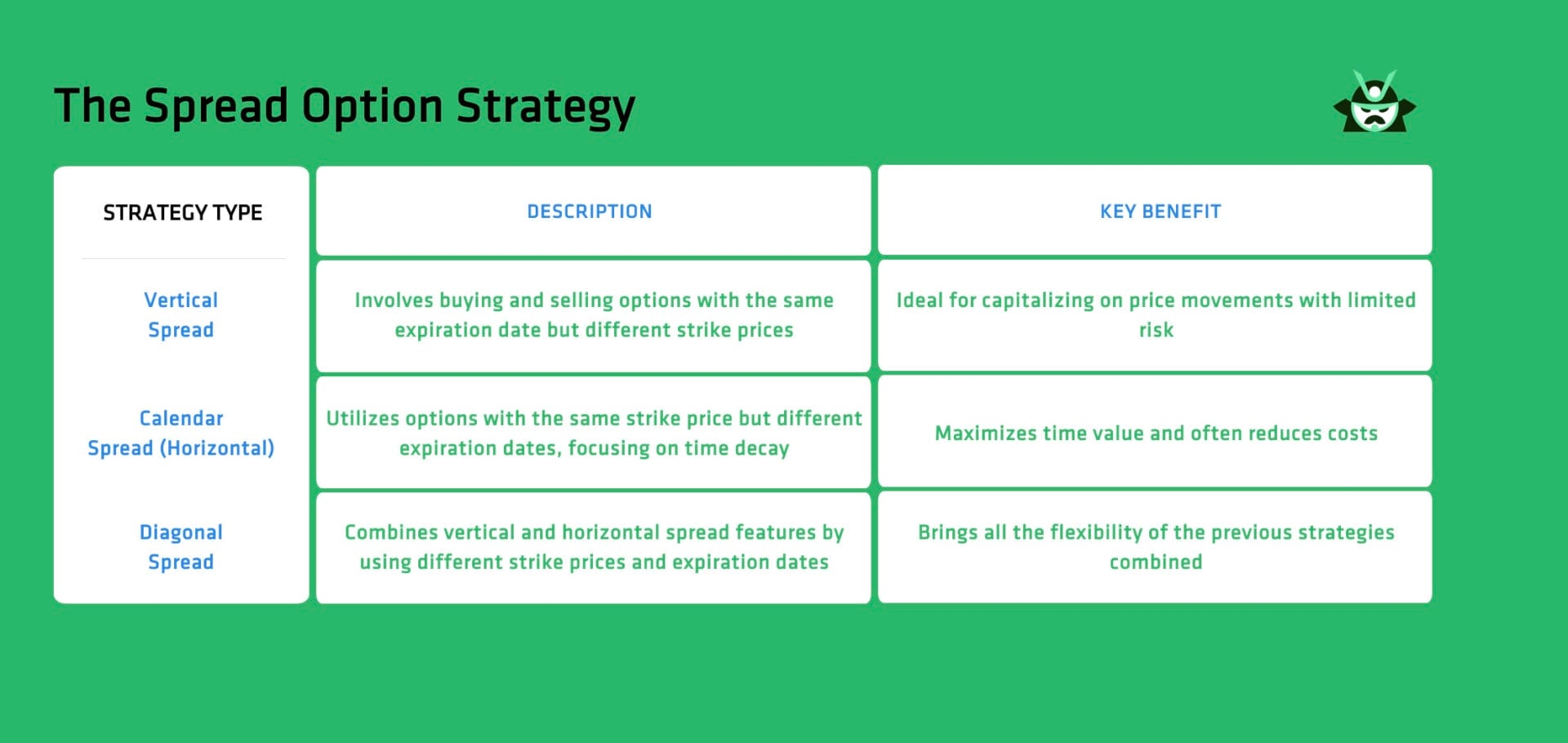
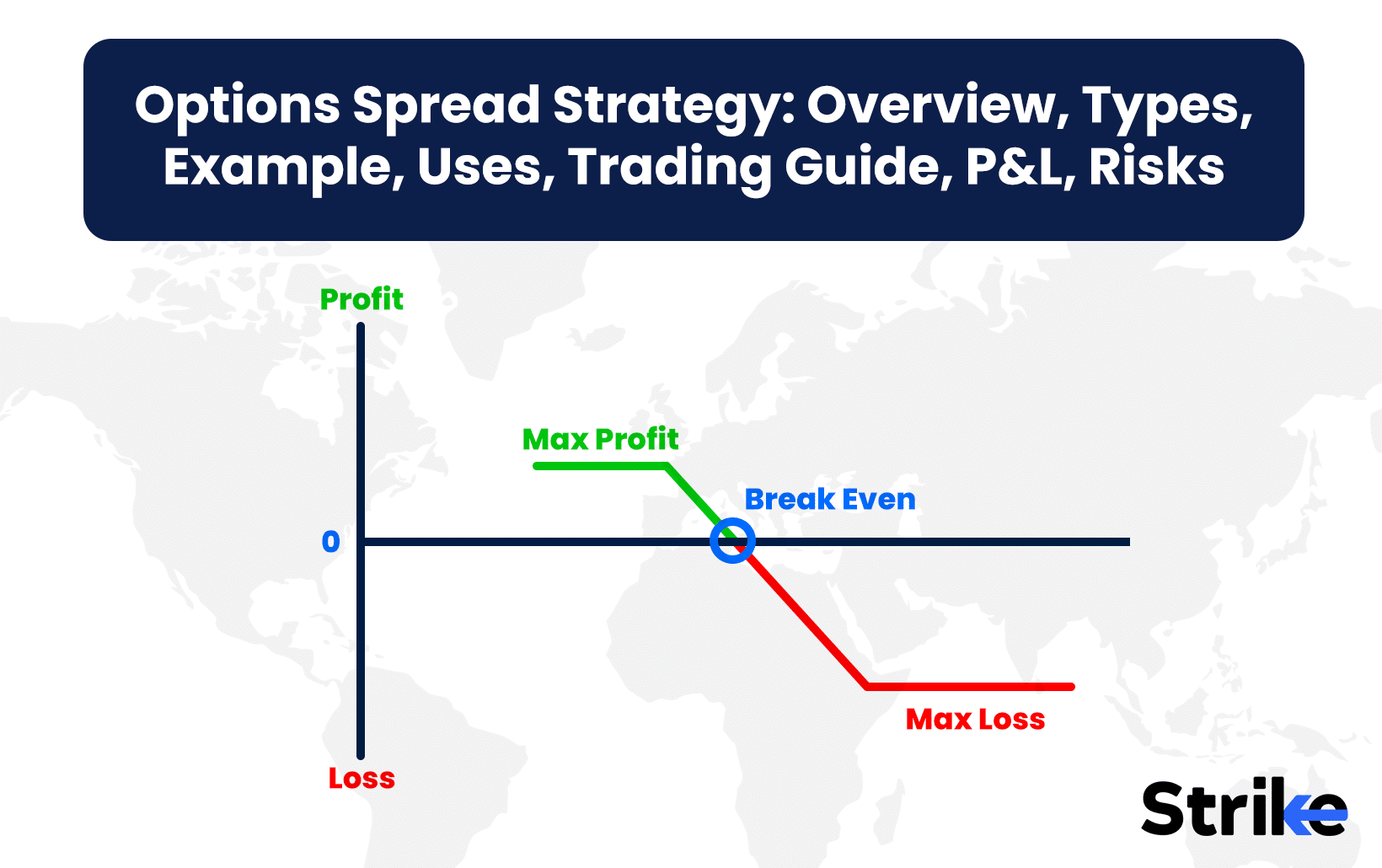
For traders concerned about the "infinite risk" of naked selling, credit spreads offer a defined-risk alternative. A credit spread involves selling one option and buying another option further "out of the money" (OTM) on the same underlying asset and expiration date.
- Bull Put Spread: Selling a put at a higher strike and buying a put at a lower strike. You profit if the stock stays above the sold strike.
- Bear Call Spread: Selling a call at a lower strike and buying a call at a higher strike. You profit if the stock stays below the sold strike.
- Benefit: Your maximum loss is capped by the width of the spread, significantly reducing margin requirements.
4. Iron Condors
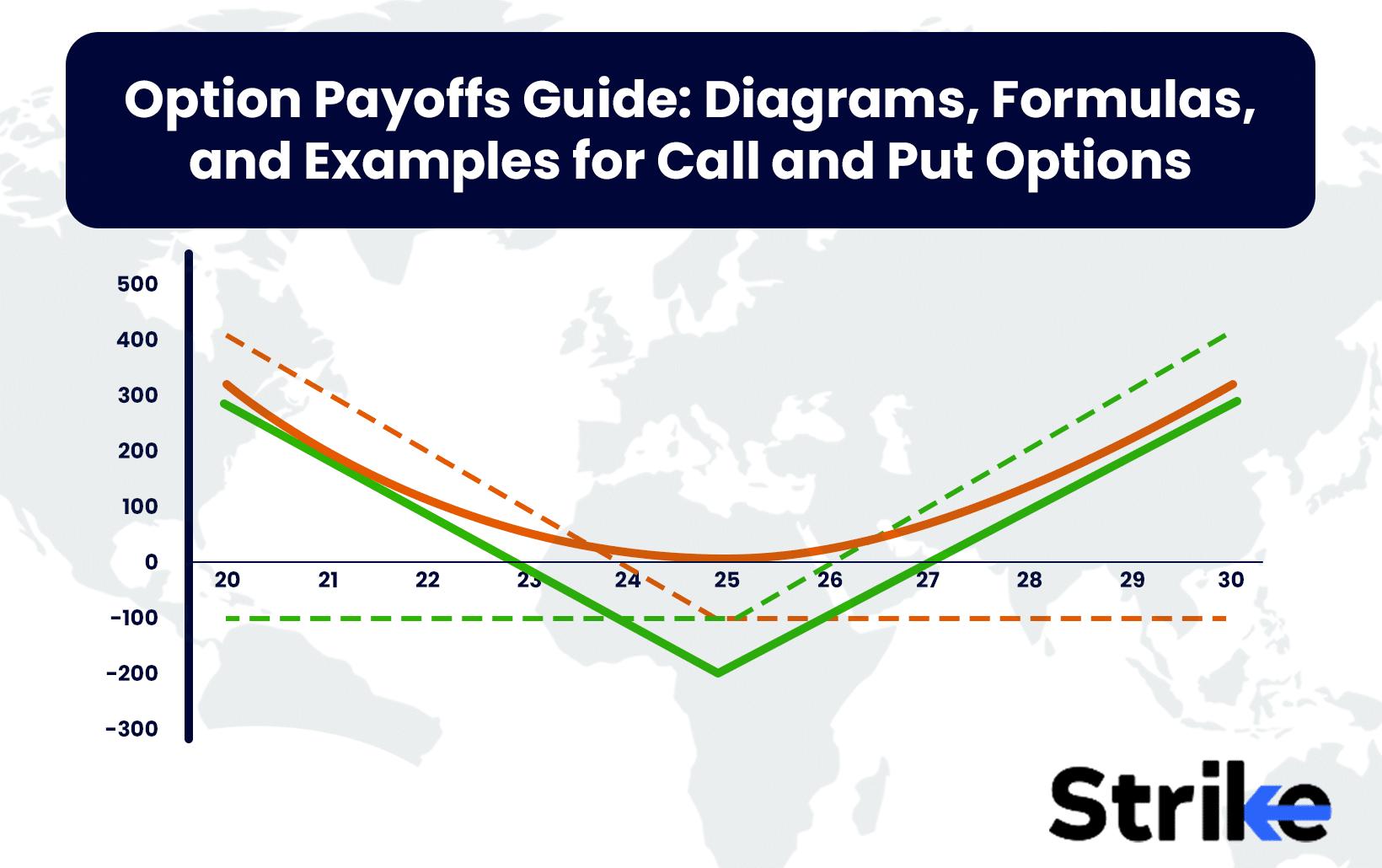
An Iron Condor is a neutral strategy that combines a Bear Call Spread and a Bull Put Spread. It is designed to profit when a stock stays within a specific price range.
- Setup: You sell an OTM call and an OTM put, while simultaneously buying a further OTM call and a further OTM put for protection.
- Profitability: This strategy thrives in low-volatility environments where the underlying asset moves sideways.
Comparing Popular Option Selling Strategies
| Strategy | Market Outlook | Risk Profile | Margin Required | Primary Profit Driver |
|---|---|---|---|---|
| Covered Call | Slightly Bullish / Neutral | Moderate (Stock downside) | Low (if stock owned) | Theta + Stock Appreciation |
| Cash-Secured Put | Neutral / Bullish | Moderate (Stock downside) | High (Cash for 100 shares) | Theta + IV Contraction |
| Bull Put Spread | Bullish | Low (Defined Risk) | Low | Theta + Upward Price Move |
| Iron Condor | Neutral (Range-bound) | Low (Defined Risk) | Moderate | Theta + Low Volatility |
| Naked Put | Bullish / Neutral | High (Unlimited to $0) | Very High | Theta + IV Contraction |
Risk Management and the Greeks
Selling options requires a disciplined approach to risk. Because some strategies have theoretical "unlimited risk" (like naked calls), understanding the "Greeks" is essential for any trader in 2026.
- Delta: Measures how much the option price changes for a $1 move in the stock. Sellers often use Delta as a proxy for the probability of the option expiring "in the money" (ITM). For example, a 16 Delta put has roughly an 84% chance of expiring worthless.
- Gamma: The rate of change of Delta. High Gamma near expiration can lead to rapid price swings, often referred to as "gamma risk." Many experienced sellers close their positions 14–21 days before expiration to avoid this volatility.
- Vega: Measures sensitivity to changes in Implied Volatility. If you sell an option and IV increases, the option price goes up, which is a loss for the seller (on paper). Sellers want Vega to decrease.
Margin and Assignment Risk
When selling options, you must be aware of margin requirements set by regulators like FINRA or the SEC. Selling "naked" options requires significant collateral. Furthermore, "Assignment" occurs when the option buyer exercises their right. As a seller, you must be prepared to fulfill your obligation (buying or selling the shares) at any time before expiration, though it most commonly happens at expiration.
Strategic Execution in 2026
Modern trading platforms have integrated sophisticated tools for option sellers. To execute effectively:
- Analyze IV Rank: Only sell when the premium is "expensive" relative to the stock's historical volatility.
- Size Positions Appropriately: Never risk more than 1-2% of your total portfolio on a single "defined risk" trade.
- Have a Management Plan: Decide before you enter the trade when you will take profits (e.g., at 50% of max profit) and when you will cut losses (e.g., if the stock hits a certain technical level).
- Understand Liquidity: Only trade options on high-volume stocks or ETFs (like SPY, QQQ, or IWM) to ensure you can exit the position without significant "slippage" in the bid-ask spread.
Frequently Asked Questions
Is option selling safer than buying options?
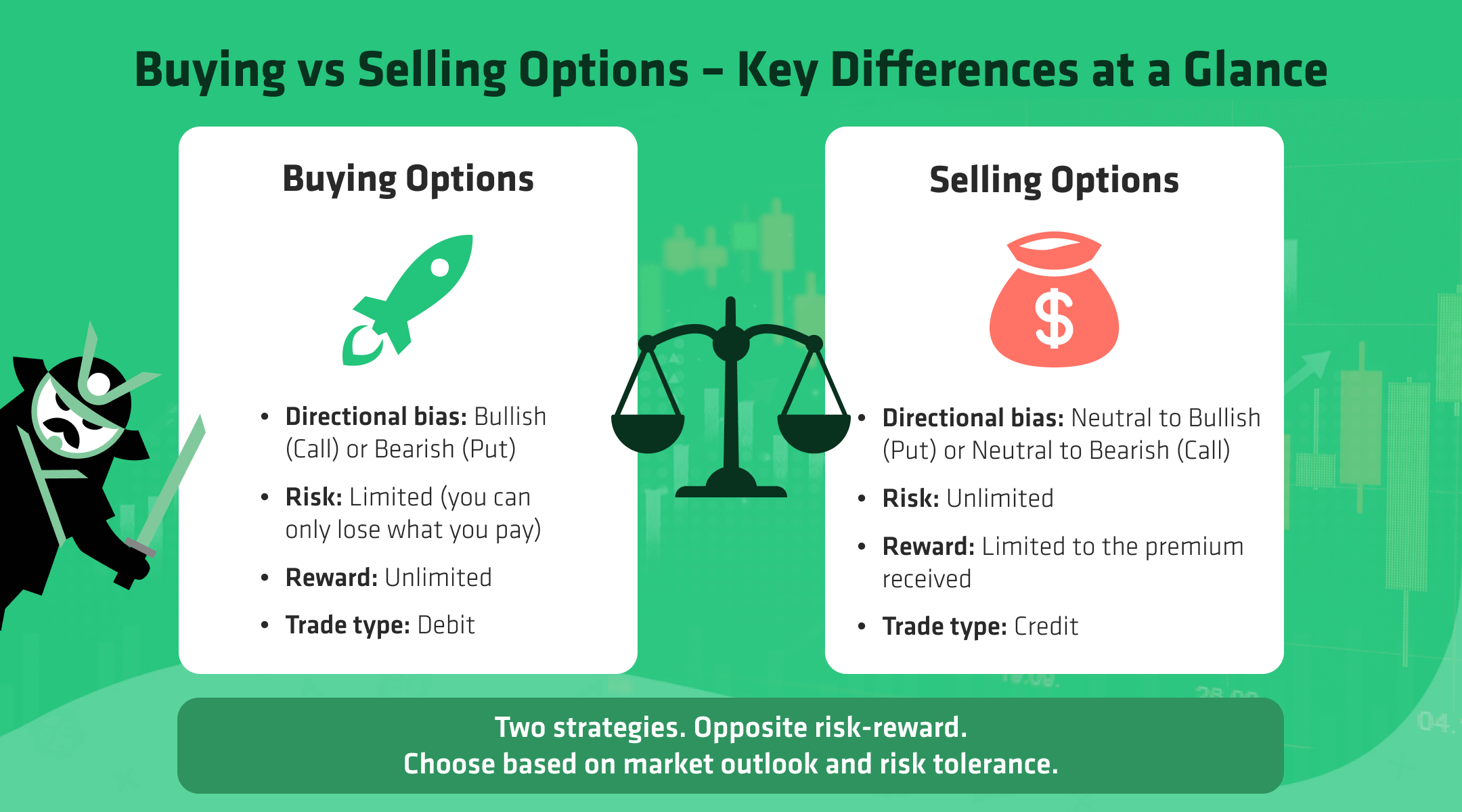
Statistically, most options expire worthless, which favors the seller. However, while sellers have a higher "win rate," their potential losses on a single trade can be much larger than their potential gains if they do not use defined-risk strategies like spreads.
What is the best timeframe for selling options?
Research from the Chicago Board Options Exchange (CBOE) suggests that the "sweet spot" for selling options is typically between 30 and 45 days to expiration (DTE). During this window, time decay (Theta) begins to accelerate rapidly while the risks associated with Gamma remain manageable.
Can I sell options in a retirement account?
Yes, most IRA and 401(k) providers allow for limited option selling, typically restricted to Covered Calls and Cash-Secured Puts. These are considered lower-risk, income-generating strategies. Naked selling is generally prohibited in tax-advantaged accounts.
What happens if I am assigned on a put option?
If you sell a put and the stock price ends below the strike price at expiration, you will be required to purchase 100 shares of the stock at the strike price. Your effective purchase price is the strike price minus the premium you initially collected.
How much money do I need to start selling options?
For credit spreads, you may only need a few hundred dollars of margin. However, for cash-secured puts or covered calls, you need enough capital to cover the cost of 100 shares of the underlying stock. In 2026, many brokers allow for "fractional" strategies, but the standard remains 100-share lots.
Recommendation for Next Actions
For investors new to this space, the most prudent next step is to master the Covered Call or Cash-Secured Put on a stable, blue-chip stock you wouldn't mind owning for the long term. Avoid "meme stocks" or high-volatility biotechs until you understand how volatility expansion can negatively impact a short position. Utilize paper trading (simulated trading) for at least one full monthly cycle to observe how Theta and IV impact your position value before committing real capital.
Financial Disclaimer: Trading options involves significant risk and is not suitable for all investors. The information provided here is for educational purposes only and does not constitute financial, legal, or tax advice. Always consult with a qualified financial advisor and review the "Characteristics and Risks of Standardized Options" document provided by the Options Clearing Corporation (OCC) before trading.
Image Gallery