Understanding the Core Models of Marketing: A Comprehensive Guide for 2026
A model of marketing is a structured framework or theoretical lens used by businesses to understand market dynamics, consumer behavior, and competitive positioning. These models serve as strategic blueprints that guide organizations in...
A model of marketing is a structured framework or theoretical lens used by businesses to understand market dynamics, consumer behavior, and competitive positioning. These models serve as strategic blueprints that guide organizations in allocating resources, developing products, and communicating value to target audiences to achieve sustainable growth and profitability.
Contents
The Evolution and Necessity of Marketing Models
In 2026, the landscape of commerce is more fragmented and data-driven than ever before. For an organization to succeed, it cannot rely on intuition alone. Marketing models provide the necessary abstraction to simplify complex market realities into actionable strategies. These frameworks allow marketers to visualize the customer journey, identify bottlenecks in the sales funnel, and predict how changes in the external environment might impact their brand.
Historically, marketing models focused primarily on the product and the transaction. However, modern iterations emphasize the relationship between the brand and the individual consumer. As digital touchpoints have multiplied, the need for robust models that can integrate offline and online data has become paramount. These models act as a "common language" within a corporation, ensuring that the product development team, the sales force, and the executive leadership are all aligned toward a single market objective.
Fundamental Strategic Models
Strategic models are used at the highest level of business planning. They help determine the "where" and "how" of competition before a single advertisement is ever created.
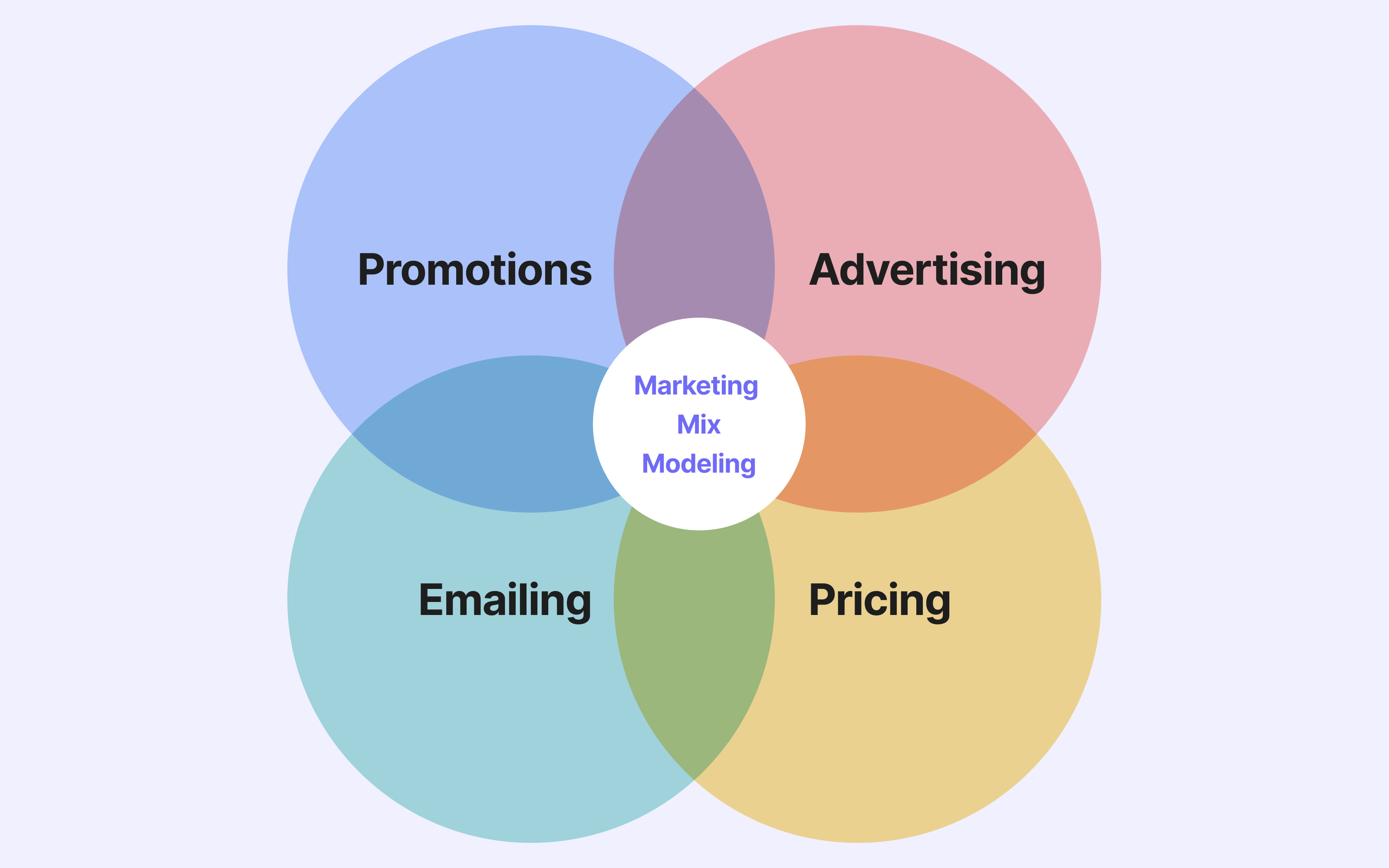
The 4Ps (The Marketing Mix)
Developed by E. Jerome McCarthy in 1960 and popularized by Philip Kotler, the 4Ps remain the foundational model of marketing. Even in 2026, this framework is essential for defining the tactical components of a brand's offering.
- Product: This involves more than just the physical item or service. It encompasses features, quality, branding, packaging, and the problem it solves for the customer.
- Price: The pricing strategy must reflect the perceived value, competitor pricing, and the underlying cost structure. In 2026, dynamic pricing models driven by AI are frequently integrated into this pillar.
- Place: Also known as distribution, this refers to where the product is available. This includes physical retail, e-commerce platforms, and direct-to-consumer (DTC) channels.
- Promotion: This covers all communication methods used to inform and persuade the target audience, ranging from traditional TV ads to social media influencer partnerships.
The 7Ps (The Extended Marketing Mix)
As the global economy shifted toward services, the 4Ps were expanded to include three additional elements that address the unique challenges of service-based businesses:
- People: Every employee who interacts with customers represents the brand. Their training and attitude are critical to the "product" delivery.
- Process: The systems and procedures used to deliver the service (e.g., the ease of a checkout process or the speed of a technical support ticket).
- Physical Evidence: Because services are intangible, customers look for physical cues to judge quality, such as a professional-looking website, the interior design of a hotel lobby, or high-quality packaging for a digital device.
STP: Segmentation, Targeting, and Positioning
The STP model is the cornerstone of modern strategic marketing. It acknowledges that no product can be everything to everyone.
- Segmentation: Dividing the broad market into smaller groups of consumers who share similar characteristics, such as demographics, psychographics, or behaviors.
- Targeting: Evaluating the attractiveness of each segment and selecting one or more segments to enter based on the company's strengths and resources.
- Positioning: Creating a distinct image and identity for the product in the minds of the target audience relative to competitors.
Customer-Centric and Digital Models
As the power shifted from the manufacturer to the consumer, new models emerged to prioritize the customer's experience and the digital nature of modern interactions.
The 4Cs Model
Proposed by Robert Lauterborn, the 4Cs serve as a customer-centric alternative to the 4Ps. It shifts the focus from the seller’s perspective to the buyer’s perspective:
- Customer Solution (vs. Product): Focuses on solving a specific customer problem rather than just selling a product.
- Cost (vs. Price): Considers the total cost of ownership, including time, effort, and psychological costs, not just the ticket price.
- Convenience (vs. Place): Prioritizes how easy it is for the customer to find and purchase the solution.
- Communication (vs. Promotion): Emphasizes a two-way dialogue between the brand and the consumer, rather than one-way advertising.
The AIDA Model
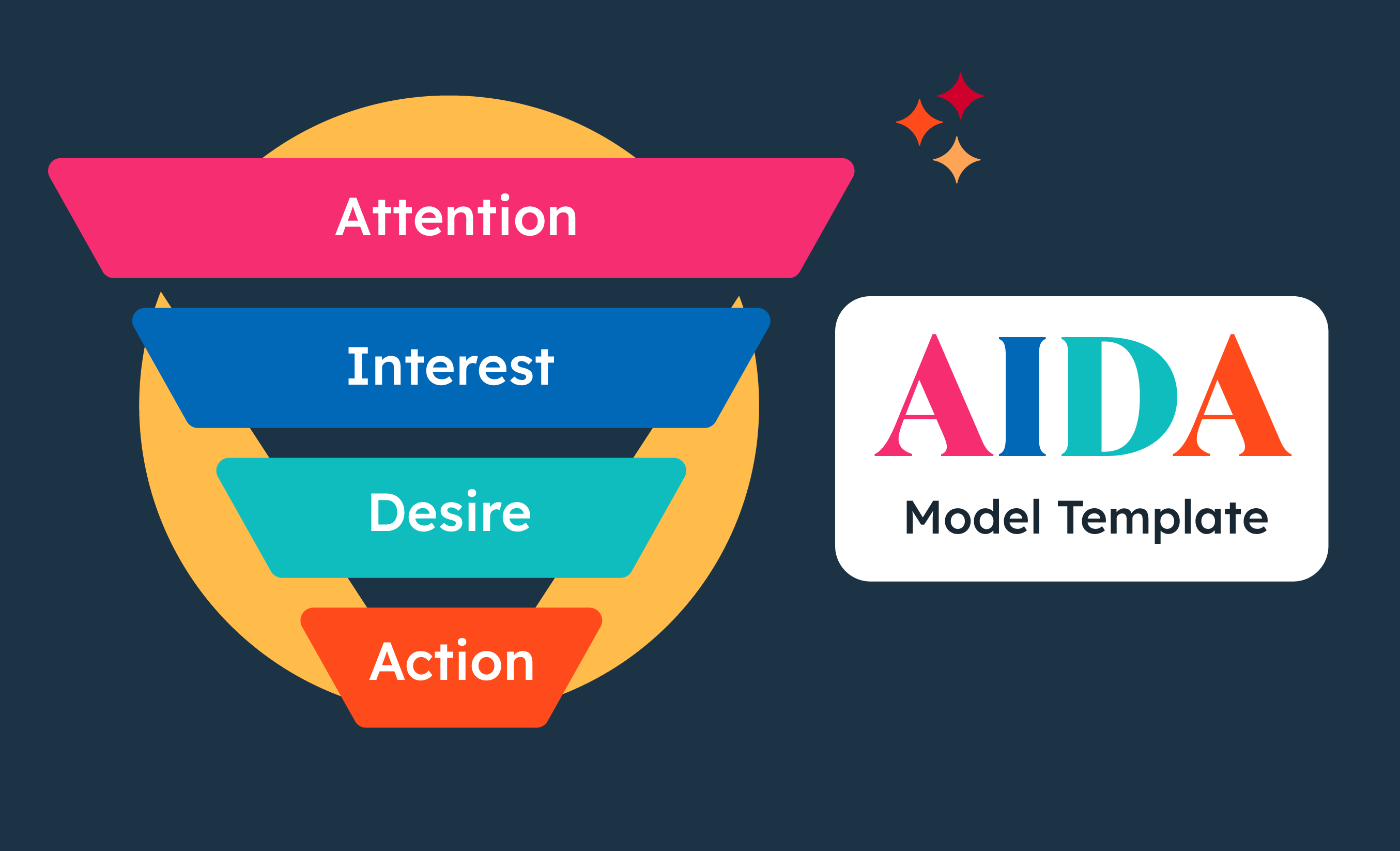
The AIDA model describes the stages a consumer goes through before making a purchase. It is widely used to structure marketing messages and content strategies.
- Attention: The brand must first break through the noise to get the consumer's notice.
- Interest: Once noticed, the brand must pique the consumer's curiosity by highlighting benefits.
- Desire: The brand must move the consumer from "liking" the product to "wanting" or "needing" it.
- Action: The final stage where the consumer performs the desired behavior, such as making a purchase or signing up for a newsletter.
Comparative Overview of Core Marketing Models
The following table compares the most common models used in 2026 to help organizations choose the right framework for their specific needs.
| Model Name | Primary Focus | Best Used For | Key Advantage |
|---|---|---|---|
| 4Ps / 7Ps | Internal Tactics | Product and Service launches | Simple, comprehensive checklist for tactical execution. |
| STP | Market Strategy | Brand positioning and market entry | Ensures resources are focused on the most profitable segments. |
| 4Cs | Customer Experience | Building long-term loyalty | Aligns business operations with actual customer needs. |
| AIDA | Sales Funnel | Content creation and ad copywriting | Maps the psychological journey of the buyer. |
| Porter’s 5 Forces | Competition | Assessing industry attractiveness | Identifies external threats and structural risks. |
| SOSTAC® | Planning | Comprehensive marketing plans | Provides a logical, step-by-step planning process. |
Contemporary Models for the 2026 Landscape
Beyond the classics, several specialized models have gained prominence as data analytics and sustainability become central to business operations.
The Flywheel Model
Popularized by HubSpot, the Flywheel model challenges the traditional linear "funnel." In a funnel, customers are the output. In a flywheel, customers are the central force that drives growth. By providing an exceptional customer experience, businesses turn customers into advocates who then attract more customers, creating a self-sustaining cycle of momentum. This model emphasizes the importance of customer success and retention in the modern subscription-based economy.
RACE Framework
The RACE (Reach, Act, Convert, Engage) framework is specifically designed for digital marketing planning. It helps brands manage and optimize their digital performance across the entire customer lifecycle.
- Reach: Building awareness of the brand and its products on other websites and offline media to drive traffic to the brand's own platforms.
- Act: Encouraging interactions on websites or social media to generate leads (e.g., "finding out more" or "adding to cart").
- Convert: The commercial goal of turning a lead into a sale, whether online or offline.
- Engage: Building long-term relationships with first-time buyers to encourage repeat purchases and brand advocacy.
Common Pitfalls When Applying Marketing Models
While these frameworks are powerful, they are often misapplied. Organizations frequently make the mistake of treating a model as a rigid rule rather than a flexible guide.
- Over-Reliance on a Single Model: No single model can capture the entirety of a business environment. Using STP without considering the 7Ps, for example, might lead to a great strategy that fails due to poor execution.
- Ignoring Data Freshness: In 2026, market conditions change weekly. A SWOT analysis (Strengths, Weaknesses, Opportunities, Threats) conducted six months ago may no longer be valid. Models must be updated with real-time data.
- Lack of Cross-Departmental Alignment: Marketing models are often siloed within the marketing department. For a model like the 4Cs to work, the customer-centric philosophy must be adopted by product design, customer support, and finance.
- Failing to Account for Culture: Many traditional models were developed in Western markets. Applying them to global audiences without adjusting for cultural nuances in communication and "Physical Evidence" can lead to brand alienation.
Implementing a Marketing Model: A Step-by-Step Approach
To effectively utilize a model of marketing, businesses should follow a structured implementation path:
- Define the Objective: Are you launching a new product, entering a new country, or trying to improve customer retention? The objective dictates the model choice.
- Gather Evidence: Collect qualitative and quantitative data. This includes customer interviews, competitor pricing, and market share reports.
- Apply the Framework: Populate the chosen model with your data. For example, if using the 7Ps, document the specific processes and people involved in your service delivery.
- Identify Gaps: Look for inconsistencies. If your "Positioning" (from STP) is premium, but your "Physical Evidence" (from the 7Ps) looks cheap, you have a strategic misalignment.
- Develop an Action Plan: Turn the insights from the model into a dated list of tasks, budgets, and KPIs (Key Performance Indicators).
Frequently Asked Questions
Which marketing model is the most important for a startup in 2026?
The STP (Segmentation, Targeting, and Positioning) model is generally the most critical for startups. Startups often have limited resources, so they must be highly specific about which customers they are serving and how they differ from established incumbents.
Can the 4Ps still be used for digital-only products?
Yes, but the definitions must be adapted. Product refers to the software or digital service features; Price often involves subscription tiers or "freemium" models; Place refers to the app store or web URL; and Promotion focuses on digital channels like SEO, PPC, and social media.
What is the difference between a marketing model and a marketing strategy?
A marketing model is a theoretical framework (like a blueprint), while a marketing strategy is the actual plan of action (the building itself) derived from applying that model to a specific business context.
How often should a company revisit its marketing models?
In the fast-paced environment of 2026, strategic models like Porter’s Five Forces should be reviewed annually, while tactical models like the RACE framework or the AIDA funnel should be reviewed monthly or even weekly based on performance data.
Is the Marketing Funnel obsolete in 2026?
The linear funnel is not obsolete, but it is being replaced or supplemented by the Flywheel and Customer Journey Maps. While the funnel is still useful for measuring conversion rates, it fails to account for the impact of post-purchase advocacy, which is a major driver of growth today.
Final Recommendation
When choosing a model of marketing, prioritize the one that addresses your most immediate bottleneck. If you are struggling with brand identity, start with STP. If your sales are stagnant despite high traffic, analyze your AIDA stages to find where customers are dropping off. Ultimately, the most successful organizations in 2026 use a combination of these frameworks to ensure their strategy is both customer-centric and operationally sound.
Image Gallery