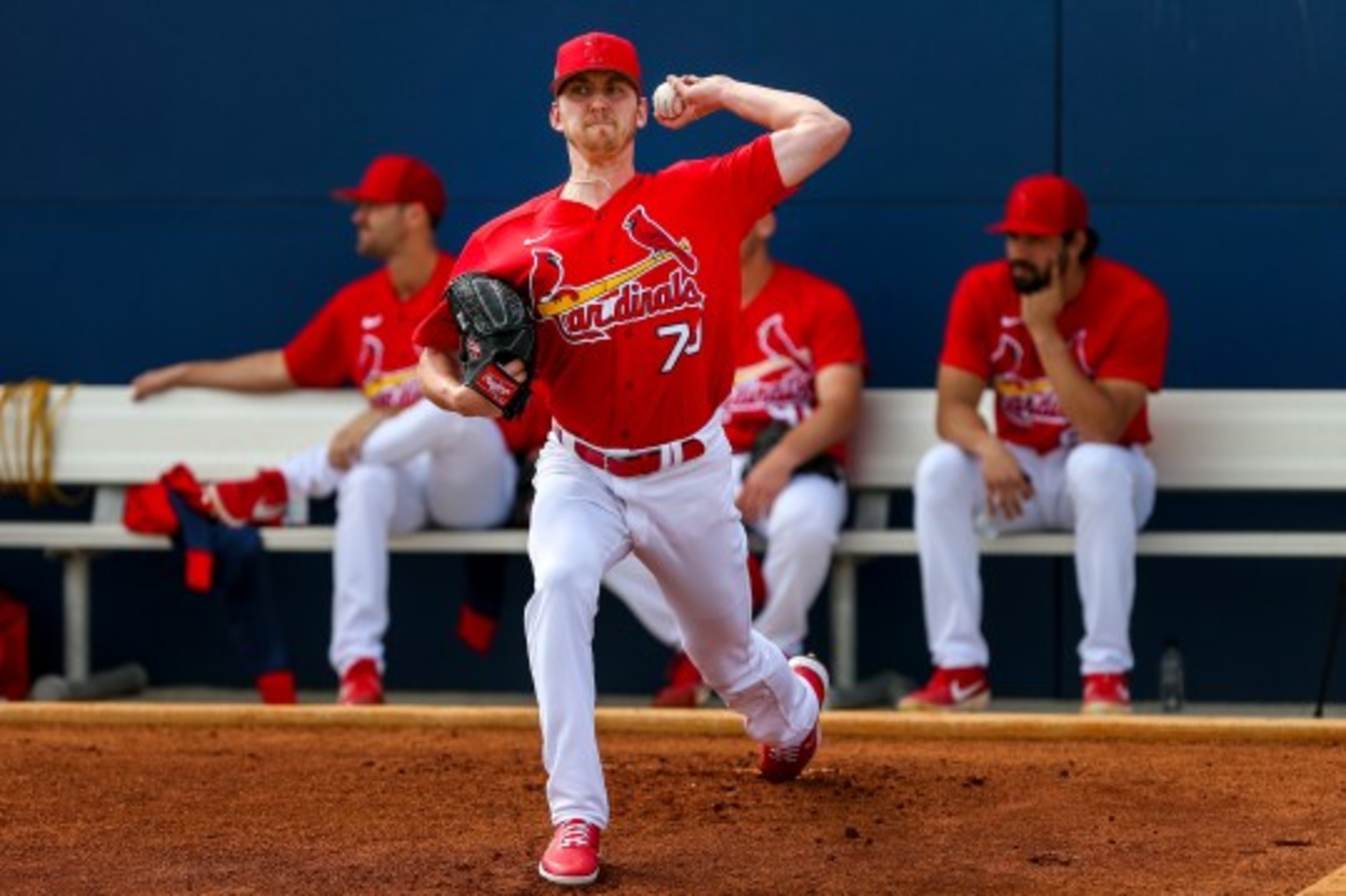
Darwin Hernandez: Pitching Profile, Career Trajectory, and Scouting Analysis of the Left-Handed Reliever
Darwin Hernandez (frequently documented in official professional records as Darwinzon Hernández) is a Venezuelan left-handed pitcher celebrated for his explosive fastball and high-spin slider combination. Emerging through the Boston Re...
Darwin Hernandez (frequently documented in official professional records as Darwinzon Hernández) is a Venezuelan left-handed pitcher celebrated for his explosive fastball and high-spin slider combination. Emerging through the Boston Red Sox organization, Hernandez made his Major League Baseball (MLB) debut in 2019, establishing a reputation as an elite strikeout reliever before continuing his career as an impactful bullpen anchor in international baseball.
Contents
Early Career and Minor League Development
Signed as an international free agent by the Boston Red Sox in August 2013 out of Ciudad Bolívar, Venezuela, Darwin Hernandez spent his early developmental years working through the lower levels of minor league baseball. Standing 6-foot-0 and weighing approximately 255 pounds, the physical left-hander initially projected as a starting pitcher due to his multi-pitch potential and durable frame.
Between 2014 and 2018, Hernandez progressed through the Red Sox system, making notable stops with the Dominican Summer League Red Sox, the Gulf Coast League Red Sox, the Low-A Greenville Drive, and the High-A Salem Red Sox. During his 2017 campaign with Greenville, he recorded 116 strikeouts in 103.1 innings across 23 starts, highlighting his natural talent for generating swings and misses.
However, his development as a starting pitcher was consistently hindered by command variance. High walk rates extended his pitch counts early in games, preventing him from pitching deep into starts. Recognizing his high-octane pitch repertoire, the Boston player development staff transitioned Hernandez to a full-time relief role during his time with the Double-A Portland Sea Dogs and Triple-A Pawtucket Red Sox in 2018 and 2019.
The move to short relief allowed Hernandez to maximize his raw velocity and spin rates without having to pace himself or rely heavily on a third offering. In shorter stints, his fastball-slider pairing became significantly more effective against upper-level hitters.
Major League Baseball Career with the Boston Red Sox (2019–2022)
The 2019 Debut Season
Hernandez earned his first major league call-up in April 2019, making his MLB debut on April 23 against the Tampa Bay Rays, where he pitched 2.1 scoreless innings with four strikeouts. After returning to Triple-A for additional refinement, he was recalled permanently in July 2019 to fortify the Boston bullpen.
Over 29 relief appearances in 2019, Hernandez produced one of the highest strikeout rates among major league relievers:
- Innings Pitched: 30.1
- Strikeouts: 57
- Strikeouts Per Nine Innings (K/9): 16.91
- Earned Run Average (ERA): 4.45
- Fielding Independent Pitching (FIP): 3.39
His 16.91 K/9 rate demonstrated elite swing-and-miss capability, driven primarily by an unhittable upper-90s fastball up in the zone and a sharp slider down and in to right-handed hitters. However, his 26 walks in 30.1 innings (7.71 BB/9) underlined his primary operational limitation: establishing consistent strike zone command.
2019 MLB Performance Summary (Boston Red Sox):
| Metric | Value |
|---|---|
| Appearances | 29 |
| Innings Pitched | 30.1 |
| Strikeouts | 57 |
| K/9 Rate | 16.91 |
| BB/9 Rate | 7.71 |
| ERA | 4.45 |
Subsequent Seasons and Command Challenges (2020–2022)
The shortened 2020 MLB season presented physical challenges for Hernandez. After testing positive for COVID-19 prior to summer camp and suffering from left shoulder tendinitis, he was restricted to just 8.1 innings of work out of the bullpen. Despite the reduced workload, he maintained his high strikeout output, striking out 13 batters while allowing three earned runs.
In 2021, Hernandez served as a core middle-reliever and setup option for Boston manager Alex Cora. Appearing in 48 games, he logged a 3.38 ERA across 40.0 innings with 54 strikeouts. He held opposing batters to a low .201 batting average against, establishing himself as a reliable weapon in high-leverage situations against elite left-handed batters. Despite these successes, his walk rate remained elevated at 7.00 BB/9, which frequently forced him into high-stress, high-pitch-count innings.
By 2022, command difficulties combined with minor injuries eroded his consistency. In 7 major league games for Boston, Hernandez surrendered 16 hits and 14 earned runs over 6.2 innings, resulting in a 21.60 ERA. He spent the majority of the season with the Triple-A Worcester Red Sox, working on mechanical adjustments to stabilize his release point. Following the 2022 season, the Red Sox designated Hernandez for assignment, ending his tenure in Boston.
Technical Breakdown of Pitching Mechanics and Arsenal
Understanding Hernandez's effectiveness as a left-handed pitcher requires evaluating his pitch characteristics, delivery mechanics, and pitch-tunneling strategies.
1. Four-Seam Fastball
- Velocity Range: 94–97 mph (topping out at 98–99 mph in short relief).
- Spin Profile: High backspin efficiency generating perceived "rising" action (above-average vertical carry).
- Usage Strategy: Elevated in the upper third of the strike zone.
Because of his release point and vertical approach angle (VAA), batters frequently swing under his fastball, particularly when he stays above the belt. The pitch features high carry, making it effective at eliciting swings and misses despite batters anticipating the velocity.
2. Sweeping Slider
- Velocity Range: 82–86 mph.
- Movement Profile: Late horizontal sweep with sharp downward drop.
- Usage Strategy: Pitched out of the same release tunnel as his elevated fastball, breaking down and away from left-handed hitters and down and in to right-handed hitters.
When Hernandez locates his fastball at the top of the zone, his slider becomes a lethal put-away pitch. Hitters tracking the initial straight plane of the pitch often commit early, swinging over the top of the sweeping break.
3. Changeup and Curveball
- Usage: Tertiary offerings used sparingly (under 5% total usage in relief).
While Hernandez possesses a broad curveball and a fading changeup from his days as a starting prospect, both pitches were phased out during his transition to the bullpen to concentrate on optimizing his fastball-slider velocity differential.
Pitch Arsenal & Movement Profile:
- Fastball (94-97 mph)
- High Vertical Carry (Top of Zone)
- Slider (82-86 mph)
- Sweeping Lateral Break (Bottom/Out of Zone)
Delivery Mechanics and Release Point Variance
Hernandez operates from a low three-quarters arm slot with a cross-body stride. This delivery creates significant deception, as left-handed batters struggle to pick up the ball behind his shoulder.
The primary trade-off of his high-deception delivery is mechanical consistency:
- Landing Foot Drift: Variations in foot plant location cause his arm to drag, leading to missed locations up and out of the strike zone.
- Release Point Fluctuation: Small adjustments in his trunk rotation alter his release point, causing periods of wildness where he misses the zone high and arm-side.
- Strike Efficiency: When his mechanics stay synchronized, his strike percentage increases above 60%, allowing his swing-and-miss stuff to dominate opposing lineups.
Transition to International Baseball: Nippon Professional Baseball (NPB)
After brief stints in domestic organizations following his departure from Boston, Hernandez signed with the Fukuoka SoftBank Hawks of Japan's Nippon Professional Baseball (NPB).
Career Trajectory Progression:
- Boston Red Sox System
- MLB Debut (2019)
- Boston Bullpen (2019-2022)
- NPB: SoftBank Hawks
The transition to NPB proved transformative for Hernandez's career profile:
- Adaptation to the NPB Ball: The slightly smaller, tackier NPB baseball aided Hernandez's grip, allowing him to achieve more consistent seams-to-fingertips friction, improving his slider control.
- Adjusted Pitch Strategy: Japanese batters are renowned for elite contact rates and plate discipline. Hernandez adjusted by utilizing his slider more aggressively for early-count strikes, reducing his reliance on pure fastball velocity to get ahead.
- Role Expansion: With the Fukuoka SoftBank Hawks, Hernandez was deployed as a primary late-inning setup man and occasional closer, relying on his left-handed power to shut down opposition rallies in high-leverage situations.
His successful adaptation in Japan demonstrated that his high-spin, high-velocity profile remains an elite asset when paired with incremental improvements in strike-zone frequency.
Statistical Overview Across Career Stages
The table below contrasts Darwin Hernandez’s career metrics across his major developmental and professional phases:
| Career Phase | Level / Team | Primary Role | K/9 Rate | BB/9 Rate | ERA Range | Primary Arsenal Features |
|---|---|---|---|---|---|---|
| Minor League (2014–2018) | Red Sox MiLB Affiliates | Starter / Reliever | 10.5 – 12.8 | 4.8 – 6.2 | 3.20 – 4.50 | Fastball, Slider, Curveball |
| MLB Peak (2019–2021) | Boston Red Sox | High-Leverage Reliever | 13.5 – 16.9 | 7.0 – 7.7 | 3.38 – 4.45 | Elevated 4-Seam, Sweeping Slider |
| NPB Tenure | SoftBank Hawks | Setup / Closer | 11.0 – 13.5 | 3.5 – 4.5 | 1.80 – 2.80 | Controlled Fastball/Slider Tunnel |
Analytical Scouting Assessment
Core Strengths
- Elite Swing-and-Miss Rate: Capable of maintaining a whiff percentage above 35% on both primary pitches.
- Left-on-Left Dominance: Left-handed batters struggle with his deceptive release angle, posting low contact rates against his slider.
- High-Spin Velocity: Pitch design analytics favor his high vertical carry on his four-seam fastball, making it an effective weapon at the top of the zone.
- Hard-Hit Suppression: When batters do make contact, the late movement on his pitches limits barrel contact, generating high proportions of pop-ups and weak ground balls.
Primary Limitations
- Control vs. Command: While he can throw strikes (control), placing pitches in specific sub-zones consistently (command) has been an ongoing developmental goal.
- Elevated Pitch Counts: High walk rates and long strikeout battles lead to elevated pitch counts per inning, occasionally limiting his availability for back-to-back relief outings.
Frequently Asked Questions
Who is Darwin Hernandez in professional baseball?
Darwin Hernandez (often registered as Darwinzon Hernández) is a professional left-handed relief pitcher from Venezuela who played in Major League Baseball for the Boston Red Sox and later transitioned to Nippon Professional Baseball (NPB).
What are Darwin Hernandez's primary pitches?
Hernandez relies on a high-velocity four-seam fastball (94–97 mph) with significant vertical carry and an 82–86 mph sweeping slider with high swing-and-miss rates.
What were Darwin Hernandez's major achievements with the Boston Red Sox?
During his rookie 2019 season, Hernandez posted a strikeout rate of 16.91 K/9 over 30.1 innings out of the Red Sox bullpen. He remained a high-strikeout late-inning setup option for Boston through the 2021 season.
Why did Darwin Hernandez transition from a starting pitcher to a reliever?
While in the Boston Red Sox minor league system, Hernandez's high walk rates limited his ability to work deep into games as a starter. Moving to the bullpen allowed him to throw at maximum effort over short stints, optimizing his fastball velocity and slider sharp movement.
How did Darwin Hernandez perform after leaving Major League Baseball?
After leaving MLB, Hernandez signed with the Fukuoka SoftBank Hawks in Japan's NPB. In Japan, he refined his control, lowered his walk rate, and became an effective high-leverage setup pitcher.
Practical Takeaway for Baseball Analysts and Fans
Darwin Hernandez represents the modern prototype of the high-velocity, high-spin left-handed relief pitcher. While command challenges defined his early years in MLB, his elite strikeout rates demonstrate the raw value of modern pitch-design metrics. For analysts and scouts evaluating high-leverage left-handed relievers, Hernandez serves as a clear case study in how deceptive arm angles, fastball carry, and pitch tunneling can yield elite swing-and-miss performance across major international leagues.
Image Gallery