Understanding the Dynamics of No Full Coverage Auto Sales LLC Entities
When researching "No Full Coverage Auto Sales LLC," it is essential to distinguish between the specific trade names of independent automotive dealerships and the broader, often misunderstood, concept of purchasing a vehicle without a f...
When researching "No Full Coverage Auto Sales LLC," it is essential to distinguish between the specific trade names of independent automotive dealerships and the broader, often misunderstood, concept of purchasing a vehicle without a full coverage insurance mandate. While individual dealerships may operate under descriptive names that signal their market niche—often focusing on budget-friendly, pre-owned vehicles—the term itself does not denote a specific national chain or a unique legal status. Instead, it serves as a business identifier for independent sellers that cater to buyers who may not carry or require comprehensive and collision insurance during the purchase process.
Contents
The Business Model of Independent Auto Sales
"No Full Coverage Auto Sales" is frequently used as a naming convention by independent used-car dealerships. These businesses typically occupy a segment of the automotive market focused on cash-based transactions, "buy here, pay here" (BHPH) financing, or vehicles with lower market valuations where the cost of premium insurance coverage might approach the vehicle's actual cash value.
Unlike franchised dealerships associated with major automotive brands, these entities prioritize accessibility. Their business model often involves:
- Inventory Acquisition: These dealerships typically source vehicles from wholesale auctions, trade-ins, or private party acquisitions, focusing on older models or vehicles with higher mileage that are sold at lower price points.
- Financing Structures: Many dealerships using this branding offer in-house financing. This allows them to bypass the rigorous credit checks and collateral requirements mandated by traditional banks and credit unions.
- Liability Management: By identifying as "no full coverage" sellers, these businesses often signal to the consumer that their internal financing agreements—if they provide any—may not require the same stringent proof of comprehensive and collision insurance that a traditional lender would demand for a lien-protected asset.
Navigating Insurance Requirements at Point of Sale
A common point of confusion for consumers is the distinction between what a dealer requires and what state law mandates. Even if a dealership does not strictly enforce the requirement for "full coverage" (comprehensive and collision) to complete a sale, the driver must remain in compliance with state-level financial responsibility laws.
State-Mandated Liability vs. Lender Requirements
In the United States, every state mandates some form of financial responsibility, typically in the form of bodily injury and property damage liability. This is the mandatory minimum for legal operation on public roads.
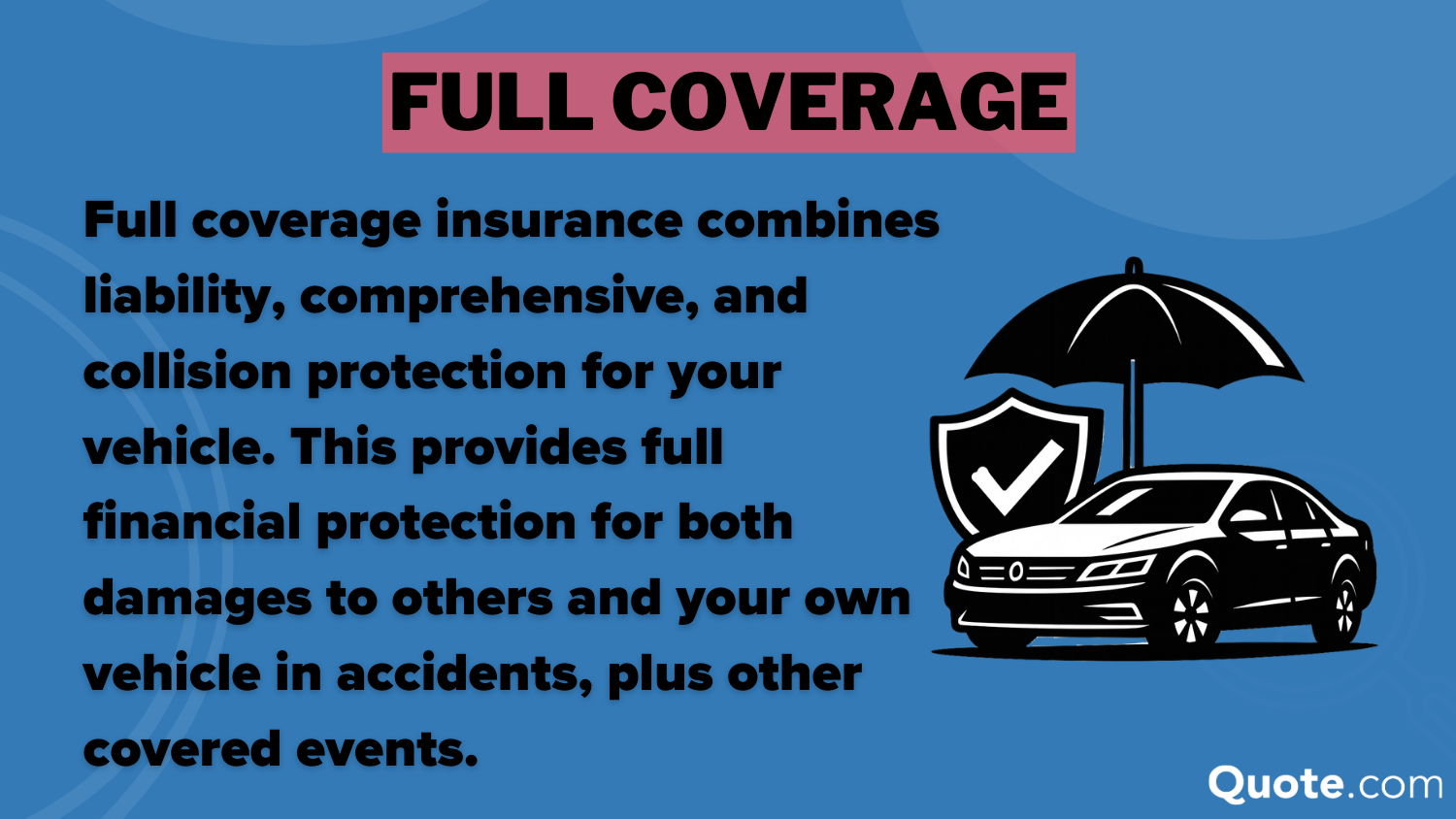
The term "full coverage" is not a legal term but rather an industry standard referring to the combination of:
- Liability: Covers damages caused to others.
- Collision: Covers damages to the driver’s own vehicle resulting from an accident.
- Comprehensive: Covers non-collision-related damage, such as theft, fire, or weather damage.
While a dealership may sell a vehicle without verifying that the buyer has collision or comprehensive coverage, the buyer remains personally exposed to the financial risk of a total loss. If the vehicle is financed through the dealership itself, they may assume the risk of the loss or include specific terms in the promissory note regarding physical damage protection.
Comparing Dealership Types and Coverage Needs
The following table clarifies how different automotive sales entities approach insurance documentation during the transaction process.
| Dealership Type | Typical Financing | Insurance Requirement | Risk Profile |
|---|---|---|---|
| Franchised Dealer | Traditional Bank | Full Coverage Mandatory | Low (Insured Assets) |
| Buy Here, Pay Here | In-House Credit | Often Liability Only | Moderate (Self-Insured) |
| Private Seller | Cash/Third Party | State Law Minimum | High (Owner Risk) |
| Independent Sales LLC | Variable/Cash | Varies by Contract | Varies |
Evaluating Potential Risks for Buyers
Choosing to purchase a vehicle from a dealership that operates under this business model requires a high degree of due diligence. Because these vehicles are often sold "as-is" and at lower price points, the buyer assumes all future repair costs.
Inspection and Due Diligence
Before signing any purchase agreement, it is vital to conduct a thorough technical inspection. Because these dealerships do not always provide the long-term warranties associated with certified pre-owned (CPO) vehicles, the buyer is responsible for the mechanical integrity of the vehicle from the moment it leaves the lot.
Key areas to inspect include:
- Structural Integrity: Check the frame for signs of previous accidents or rust corrosion that could impact vehicle safety.
- Drivetrain Performance: Listen for irregularities in the engine and transmission during a test drive of at least 15 to 20 minutes.
- Electronic Systems: Test all interior electronics, including dashboard warning lights. Some vehicles may have cleared codes that reappear only after the vehicle has been driven for a distance.
The Financial Reality of Self-Insurance
If you choose not to carry collision or comprehensive insurance—or if you purchase from a dealer that does not require it—you are essentially self-insuring your asset. If the vehicle is stolen or damaged in a non-fault accident, you have no recourse through an insurance claim to recover the value of the car. For inexpensive, older vehicles, this may be a calculated financial decision, but for a primary vehicle, it poses a significant risk to your personal financial stability.
Troubleshooting Common Purchase Issues
If you find yourself in a dispute with an independent automotive LLC, follow these structured steps:
- Review the Purchase Contract: Examine the "As-Is" disclosure form. If the car was sold without a warranty, legal remedies are often limited unless you can prove the dealer actively misrepresented a known safety issue.
- Verify Title Status: Ensure the dealership has a clean, transferable title in their name or a legal reassignment document. A "branded" title (e.g., salvage, flood, or lemon law) significantly impacts the vehicle's value and insurance eligibility.
- Document Communication: Keep a written record of all conversations with the dealership, including promises regarding vehicle condition or financing terms.
- Consult State Regulatory Agencies: If there is a dispute regarding the legality of the sale, contact your state’s Department of Motor Vehicles (DMV) or the Attorney General’s Office of Consumer Protection.
Frequently Asked Questions
Does a "No Full Coverage" dealer check my credit?
Many dealerships that use this branding focus on secondary or subprime lending, meaning they often weigh employment history and residency more heavily than traditional credit scores. They are often more concerned with the ability to pay the weekly or monthly installment than with a FICO score.
Can I get full coverage later if the dealer doesn't require it?
Yes. Your insurance status is independent of the dealership's requirements. You can contact any licensed insurance provider to add comprehensive and collision coverage to your policy at any time, provided the vehicle meets the insurer's underwriting guidelines for age and condition.
What happens if the car has an undisclosed major defect?
If a car is sold "as-is," the dealer generally has no legal obligation to pay for repairs. However, if the dealer intentionally falsified the odometer reading or concealed a frame repair that was required by law to be disclosed, you may have grounds for a fraud claim.
Are these dealerships safer than private sellers?
Not necessarily. While a dealership is a business entity subject to state licensing, their level of quality control varies widely. A private seller who has maintained service records for a vehicle may provide a better value and higher reliability than a dealership selling wholesale-auction inventory.
Is it legal to drive without collision coverage?
Yes. Collision and comprehensive coverages are optional products provided by insurance companies. Only liability coverage is mandated by law. As long as you maintain the minimum liability coverage required by your state, you are legally permitted to drive.
Final Recommendation
When considering a purchase from an entity identified as an independent or "no full coverage" auto sales company, view the transaction as a high-risk, cash-equivalent purchase. Prioritize a pre-purchase inspection from an independent, ASE-certified mechanic to identify hidden liabilities. Do not rely on the dealer's lack of insurance requirements as a sign of financial convenience; instead, evaluate whether you have the emergency capital to replace the vehicle should it be totaled or stolen, as your insurance will likely only cover damages you cause to others.
Image Gallery