Comprehensive Guide to Meeting Outdoor Shooting Range Requirements
Meeting outdoor shooting range requirements involves a multi-layered process of securing appropriate zoning permits, implementing ballistic safety engineering, adhering to EPA lead management protocols, and mitigating noise pollution....
Meeting outdoor shooting range requirements involves a multi-layered process of securing appropriate zoning permits, implementing ballistic safety engineering, adhering to EPA lead management protocols, and mitigating noise pollution. Success requires aligning with local ordinances and the technical standards established by the NRA Range Source Book and the Environmental Protection Agency (EPA).
Contents
Developing or maintaining an outdoor shooting range in 2026 demands a sophisticated understanding of both physical safety and environmental stewardship. As urban sprawl continues to bring residential areas closer to traditional shooting lands, the regulatory landscape has shifted toward more stringent noise and containment standards. Whether you are a private landowner, a commercial developer, or a law enforcement agency, meeting these requirements is essential for legal operation and long-term liability protection.
Navigating Zoning and Land Use Regulations
The first and often most difficult hurdle in meeting outdoor shooting range requirements is securing the legal right to operate on a specific parcel of land. Zoning laws vary significantly by jurisdiction, but most follow a similar hierarchical structure of approval.
Permitted Use vs. Conditional Use
In many rural areas, shooting ranges may be listed as a "permitted use," meaning they are allowed by right. However, in most jurisdictions, they fall under "conditional use" or "special exception." This requires a public hearing where neighbors can voice concerns regarding safety and noise. To meet these requirements, you must present a site plan that demonstrates how the facility will not adversely affect the surrounding community.
Setback Requirements
Setback requirements dictate how far the active firing line and backstops must be from property lines, public roads, and occupied dwellings. In 2026, many counties require a minimum setback of 500 to 1,000 feet from any residential structure, though these numbers can be reduced if significant physical barriers (like mountains or thick forests) or engineered baffles are present.
Environmental Impact Studies
For larger facilities, local governments may require an Environmental Impact Study (EIS) before granting a permit. This study evaluates how the range will affect local wildlife, water tables, and soil quality. Proactively conducting a phase one environmental site assessment can help identify potential roadblocks before significant capital is invested.
Ballistic Engineering and Safety Containment
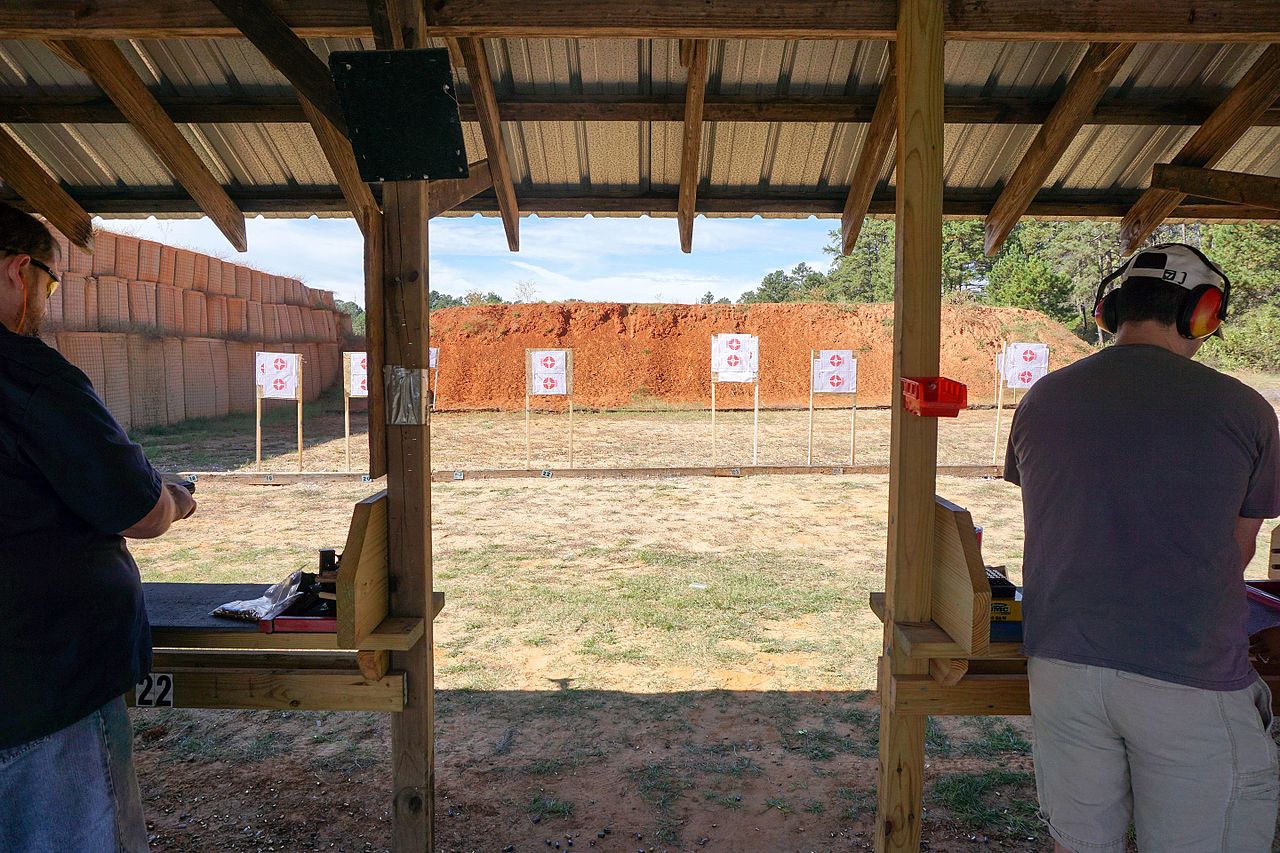
The primary safety requirement for any outdoor range is the total containment of projectiles. A bullet must never leave the designated range property. This is achieved through a combination of backstops, side berms, and Surface Danger Zones (SDZs).
Primary Backstops (Earthen Berms)
Earthen berms are the industry standard for stopping bullets. To meet professional safety requirements, the primary backstop should be constructed of clean fill (free of large rocks and debris to prevent ricochets) and stand at least 15 to 20 feet high. The slope should be as steep as the soil's natural angle of repose allows, typically a 2:1 or 3:1 ratio.
Surface Danger Zones (SDZs)
An SDZ is the total area where a bullet could theoretically travel if it misses the backstop or ricochets. The size of the SDZ depends on the highest-caliber firearm allowed on the range. For a standard .30-06 rifle, an uncontrolled SDZ can extend over 3,000 yards. To meet requirements on smaller plots of land, ranges must use "no-blue-sky" baffle systems. These overhead structures are positioned so that a shooter at the firing line cannot see the sky, ensuring that any high-angle shot is intercepted by a ballistic-grade baffle before it can leave the facility.
Side Berms and Safety Fans
Side berms prevent lateral escapes and provide a buffer between different shooting bays. These should ideally be 8 to 12 feet high and extend from the firing line to the primary backstop. The "safety fan" is the lateral angle of fire permitted; most outdoor ranges limit this to 15 degrees left or right of the center-of-fire to maintain a controlled impact zone.
Environmental Compliance: Lead Management
The Environmental Protection Agency (EPA) does not generally regulate the act of shooting, but it does regulate the management of lead under the Resource Conservation and Recovery Act (RCRA). Failure to implement a Lead Management Plan (LMP) can result in significant fines and forced closure.
Best Management Practices (BMPs)
To meet federal requirements, range owners should follow the EPA's Best Management Practices for Lead at Outdoor Shooting Ranges. The core of a BMP is preventing lead from migrating into the groundwater or off-site.
- Soil pH Amendment: Lead is most mobile in acidic soil. Maintaining a soil pH between 6.5 and 8.5 by adding lime can help "lock" lead in place.
- Vegetative Covers: Planting specific types of grass on berms helps prevent erosion, which can carry lead-contaminated soil away during heavy rains.
- Lead Reclamation: Requirements dictate that lead must be periodically harvested from the backstops. In 2026, most commercial ranges perform reclamation every 5 to 10 years, or after a specific number of rounds have been fired. Once reclaimed and sent to a recycler, the lead is considered a commodity rather than a hazardous waste.
Water Runoff Control
Ranges located near wetlands or navigable waters face stricter scrutiny. You must ensure that runoff from the berms passes through a filtration system—often a simple silt fence or a vegetated buffer strip—before reaching any water body.
Noise Mitigation Standards
Noise is the most frequent cause of litigation against outdoor shooting ranges. Meeting noise requirements is not just about compliance with local decibel (dB) ordinances; it is about maintaining a "good neighbor" policy.
Decibel Limits and Measurement
Most municipal noise ordinances set limits between 55 and 65 dB at the property line during daylight hours. Since a gunshot can exceed 140 dB at the source, mitigation is essential. Sound is measured using an "A-weighted" scale, which mimics human hearing.
Mitigation Strategies
- Orientation: Facing the range away from populated areas is the most effective strategy.
- Acoustical Baffles: Lining the underside of firing line covers with sound-absorbent material can reduce the immediate blast noise.
- Vegetative Buffers: While trees do not stop bullets, a dense "green belt" of evergreens can provide a modest reduction in high-frequency sound and, perhaps more importantly, provide a visual barrier that reduces the perceived psychological impact of the noise.
- Topography: Utilizing natural depressions or valleys can help contain sound waves.
Administrative and Operational Requirements
Once the physical infrastructure is in place, meeting outdoor shooting range requirements extends to the daily management of the facility.
Insurance and Liability
Standard commercial general liability insurance rarely covers shooting ranges. You will need a specialized policy that includes "Professional Liability" for instructors and "Pollution Liability" for lead issues. Most insurers require the presence of a certified Range Safety Officer (RSO) during all hours of operation to ensure safety protocols are followed.
Signage and Perimeter Control
To prevent accidental entry into the SDZ, the perimeter must be clearly marked. Requirements typically include:
- Fencing: A minimum 4-strand barbed wire or chain-link fence.
- Warning Signs: "Danger: Live Firing Range" signs posted every 50 to 100 feet in multiple languages if applicable.
- Flag Systems: A red flag (or "bravo flag") should be hoisted during active firing sessions to provide a visual warning to anyone in the vicinity.
Comparative Range Requirements by Type
| Range Type | Minimum Backstop Height | Common Setback | Key Regulatory Focus |
|---|---|---|---|
| Pistol (Short Range) | 12 - 15 Feet | 200 - 300 Feet | Ricochet control & lead concentration |
| Rifle (Long Range) | 20+ Feet | 1,000+ Feet | Surface Danger Zone (SDZ) containment |
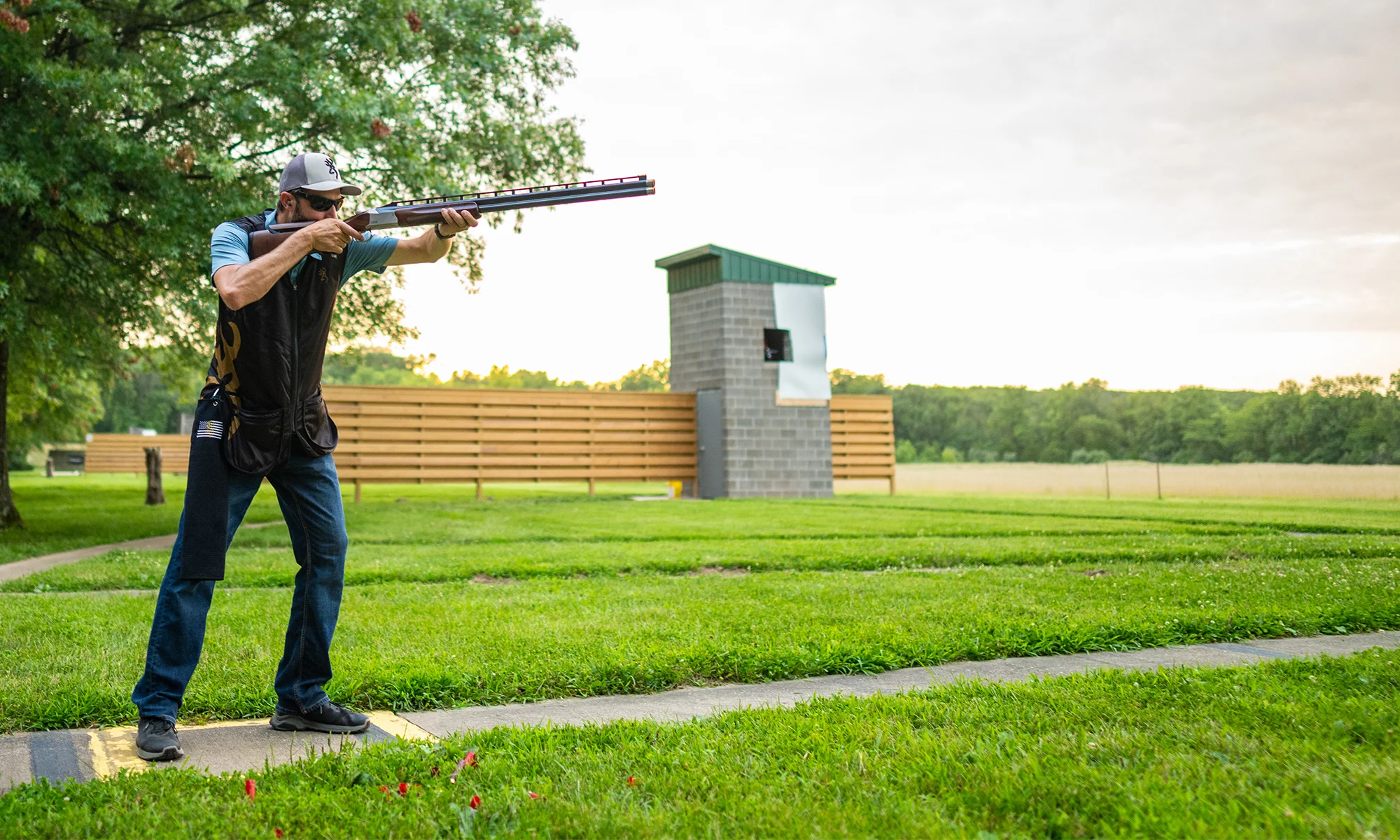
| Shotgun (Trap/Skeet) | N/A (Shotfall Zone) | 300 Yards (Radial) | Lead shot distribution & soil pH |
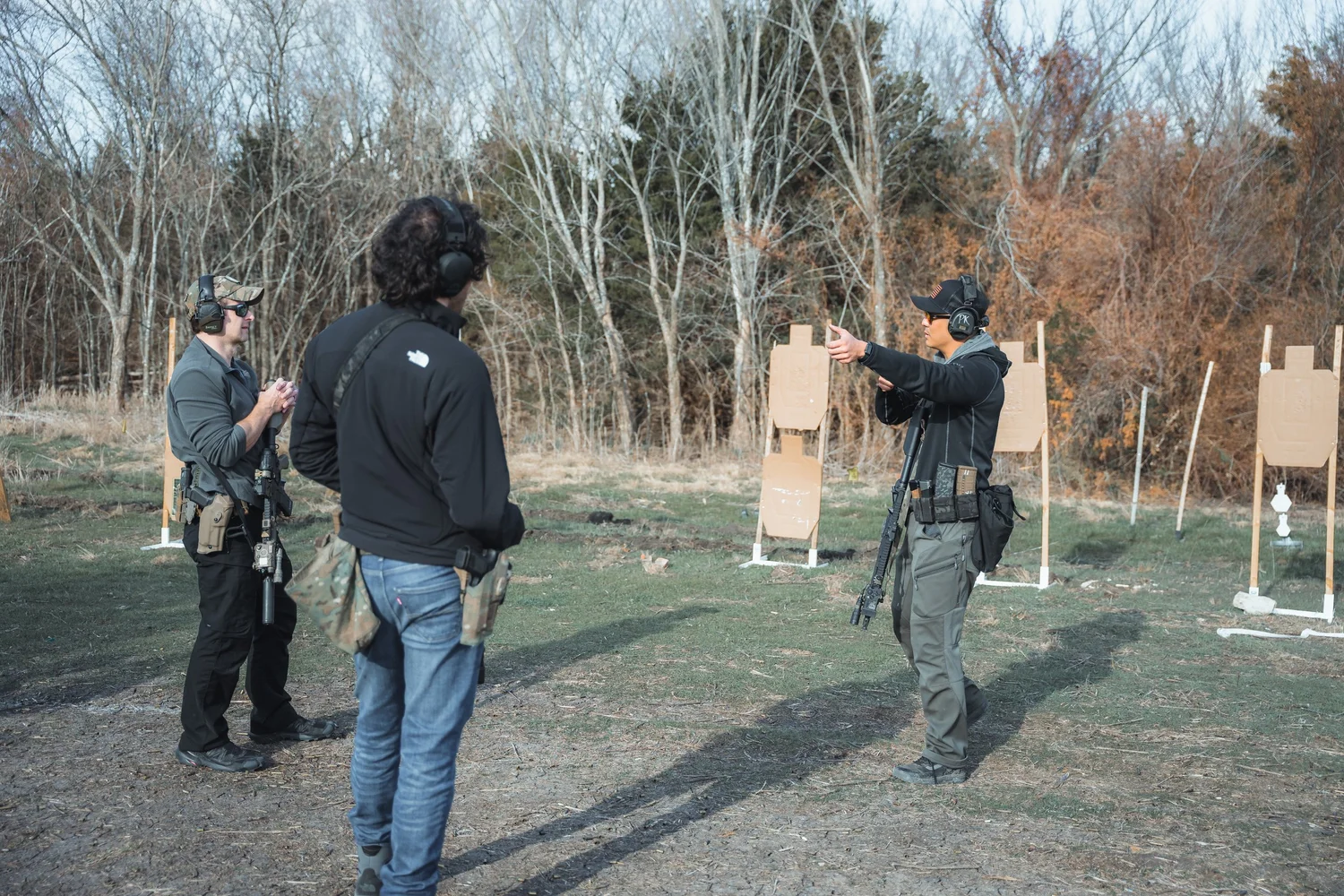
| Tactical/Dynamic | 15 Feet (360°) | 500 Feet | Lateral containment & RSO supervision |
Frequently Asked Questions
Do I need a federal permit to build a private shooting range?
Generally, no. There is no "Federal Shooting Range License" for private land. However, you must comply with federal environmental laws (Clean Water Act, RCRA) and local zoning ordinances. If you plan to manufacture or sell firearms on the property, you would then need a Federal Firearms License (FFL).
How often should I test the soil for lead?
For active ranges, it is recommended to conduct soil pH and lead concentration testing every 1-2 years. This creates a "paper trail" of environmental stewardship that can protect you in the event of a lawsuit or regulatory inspection.
Can I use tires to build my backstop?
While common in the past, using tires is generally discouraged by modern engineering standards. Tires can create fire hazards, provide habitats for pests, and, if not filled correctly with sand, can cause dangerous ricochets. Most modern requirements specify earthen berms or ballistic steel plates.
What is the "NRA Range Source Book"?
The NRA Range Source Book is the comprehensive technical manual used by engineers and architects to design safe shooting facilities. While it is not a "law" itself, it is frequently cited in courtrooms and by zoning boards as the "standard of care" for the industry.
What are the noise requirements for night shooting?
Most jurisdictions have much stricter noise ordinances after 10:00 PM. Meeting these requirements usually requires extensive sound-dampening infrastructure or, more commonly, a total prohibition on firing during nighttime hours unless the facility is fully enclosed.
Final Recommendations for Compliance
Meeting outdoor shooting range requirements is an ongoing commitment rather than a one-time task. For those looking to establish a new facility in 2026, the most effective path forward is to:
- Consult a Range Engineer: Before moving dirt, have a professional design your SDZs and backstops to ensure they meet NRA and USACE (U.S. Army Corps of Engineers) standards.
- Engage the Community: Transparency with local government and neighbors can prevent costly legal battles.
- Document Everything: Maintain a rigorous log of lead management activities, safety briefings, and maintenance schedules.
By prioritizing ballistic safety and environmental health, you can ensure your range remains a compliant and sustainable asset for the shooting community.
Image Gallery