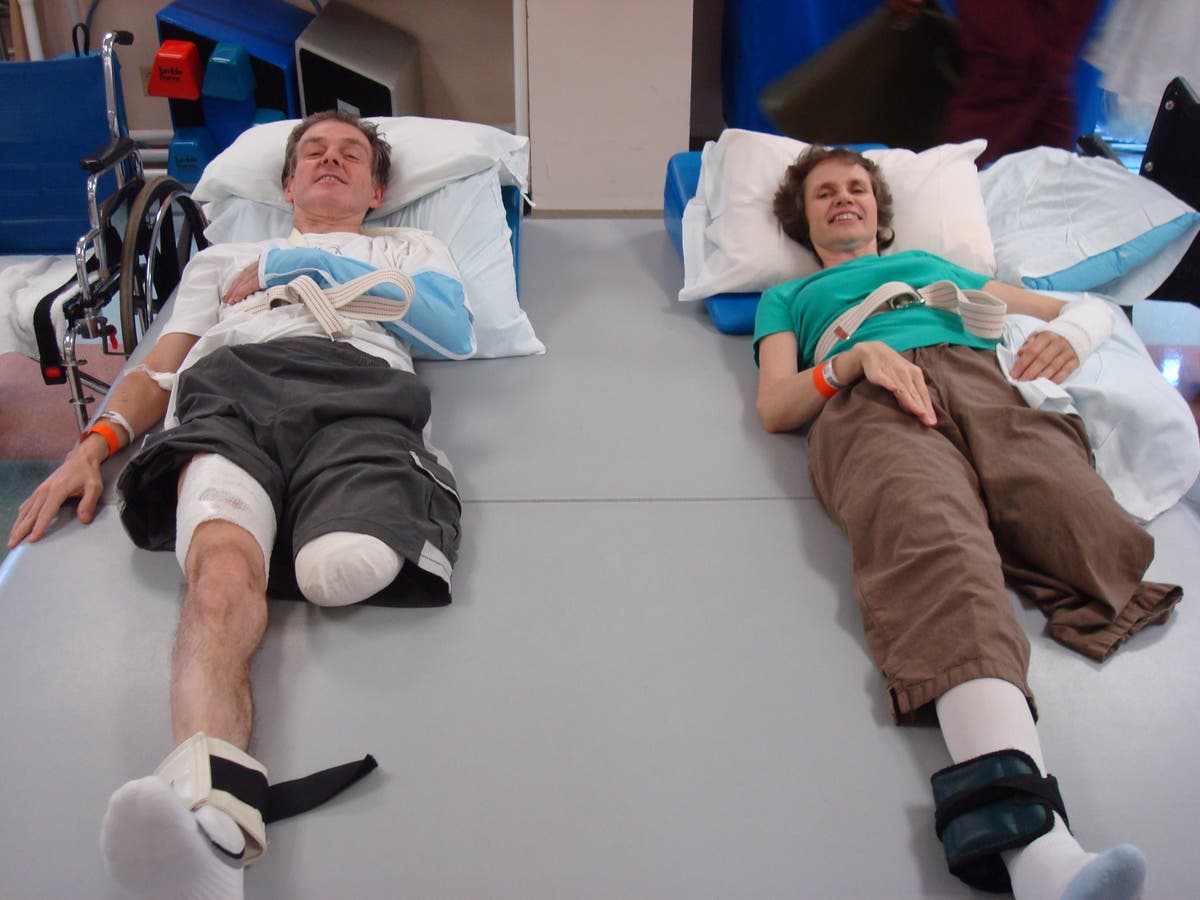
The Medical and Legal Implications Following a Kidnapped Man’s Amputation
When an individual suffers the traumatic amputation of their legs during a kidnapping or abduction, they face a complex intersection of catastrophic injury management, long-term rehabilitation, and the pursuit of justice. The immediate...
When an individual suffers the traumatic amputation of their legs during a kidnapping or abduction, they face a complex intersection of catastrophic injury management, long-term rehabilitation, and the pursuit of justice. The immediate medical necessity of preventing exsanguination and sepsis is followed by prolonged psychological and physical recovery. This situation requires a coordinated multidisciplinary approach involving surgical experts, physical therapists, mental health professionals, and legal counsel to address both the physical loss and the profound human rights violations involved.
Contents
Immediate Medical Stabilization and Surgical Intervention
The loss of limbs in a non-clinical, violent setting, such as a kidnapping, represents a severe medical emergency characterized by uncontrolled hemorrhage, tissue trauma, and extreme risk of secondary infection. In the immediate aftermath of such an event, the primary medical goal is life preservation. Field-expedient measures, such as tourniquets, are often the only initial barrier between survival and mortality. Once the victim is liberated or reaches a formal medical facility, surgeons must address the stumps—which are frequently contaminated—through aggressive debridement and, in many cases, secondary closure or revision surgery.
The level of amputation is determined by the extent of the tissue damage and the viability of the vascular system. Surgeons prioritize the preservation of the knee joint whenever possible, as this significantly improves future mobility outcomes. However, if the trauma has caused irreversible damage to the lower extremities, formal transtibial (below-knee) or transfemoral (above-knee) amputations are performed to ensure a healthy, weight-bearing residual limb capable of supporting a prosthetic device.
Comprehensive Rehabilitation and Prosthetic Integration
Rehabilitation for a double-amputee trauma victim is a lifelong process. It begins with wound healing and stump conditioning, which is essential to prepare the limb for prosthetic fitting. The goal is to reach a state of "socket maturity," where the residual limb is stable enough to bear the pressure of a prosthetic interface.
Modern prosthetic technology in 2026 offers significant advancements over previous decades, including microprocessor-controlled knees (MPKs) and energy-storage-and-return feet that mimic natural gait cycles. However, the integration of these devices requires extensive physical therapy. Patients must relearn balance, core strength, and weight distribution. Occupational therapy is equally critical, as it focuses on regaining the independence necessary for daily living, including home modifications to ensure accessibility for wheelchair users or prosthetic wearers.
Table: Stages of Recovery Following Traumatic Amputation
| Phase | Primary Focus | Key Professionals |
|---|---|---|
| Acute Stabilization | Hemorrhage control, debridement, infection prevention | Trauma surgeons, infectious disease specialists |
| Wound Healing | Stump shrinkage, desensitization, edema control | Wound care nurses, physical therapists |
| Prosthetic Fitting | Gait training, socket adjustments, biomechanical alignment | Prosthetists, orthotists, physical therapists |
| Long-term Integration | Vocational retraining, psychological resilience, social reintegration | Counselors, social workers, occupational therapists |
The Psychological Impact of Trauma-Induced Loss
The loss of limbs due to a criminal act such as kidnapping introduces a specific psychological trauma known as "complex post-traumatic stress disorder" (C-PTSD). Unlike injuries sustained in accidents, injuries stemming from intentional violence can lead to profound feelings of betrayal, anger, and loss of safety. Victims often struggle with the permanence of their disability, which serves as a constant physical reminder of their captors.
Evidence-based treatment protocols often combine cognitive behavioral therapy (CBT) with trauma-focused therapies. Support groups consisting of other survivors of physical violence can provide essential peer support, reducing the sense of isolation that often accompanies severe disability. Mental health professionals emphasize the importance of regaining agency, helping the patient reclaim control over their body and their environment, which was stripped away during the period of captivity.
Legal Recourse and Victim Advocacy
From a legal perspective, a kidnapping resulting in amputation constitutes a grave violation of international human rights law and domestic criminal statutes. Victims are generally entitled to seek compensation, though the path to recovery varies by jurisdiction. If the kidnapping occurred in a conflict zone or involved state-sponsored actors, international tribunals or the United Nations human rights mechanisms may be involved in seeking reparations.
In private legal proceedings, victims may pursue civil litigation against perpetrators or entities that failed to provide adequate security. These cases often hinge on demonstrating "damages," which include not only the cost of initial medical care but also the lifetime cost of prosthetic maintenance, home modifications, and lost earning capacity. Expert witnesses—including life care planners and forensic economists—are frequently required to quantify the long-term financial impact of the disability.
Challenges in Prosthetic Access and Maintenance
One of the most significant challenges for survivors is the high, recurring cost of prosthetic care. Prosthetic components, particularly advanced microprocessor models, require regular servicing and replacement every three to five years depending on activity levels. Furthermore, the residual limb can undergo volumetric changes due to weather, activity, or health status, necessitating frequent adjustments to the socket interface.
Insurance coverage for these devices is often a point of contention. Many private and public health insurance plans limit the number of replacements or categorize advanced mobility devices as "non-essential." Advocates for victims of violent crime often lobby for specialized funds that cover the ongoing costs of rehabilitation, ensuring that the victim's physical recovery is not derailed by bureaucratic or financial barriers.
Frequently Asked Questions
What is the most critical factor in successful prosthetic usage? The most critical factor is the quality of the surgical closure and the subsequent physical therapy. A well-shaped residual limb with healthy skin coverage provides a stable platform for the prosthetic socket, which is essential for comfort and functionality during daily movement.
How does traumatic amputation differ from surgical amputation? Traumatic amputation involves irregular tissue damage, high risk of contamination, and acute emotional distress associated with the injury event. Surgical amputation is planned in a controlled environment, which allows for better preservation of soft tissue and bone, leading to faster healing and better prosthetic outcomes.
Are there specialized legal avenues for victims of violent kidnappings? Yes. In many jurisdictions, victims of violent crime are eligible for state-funded victims' compensation programs. Additionally, depending on the circumstances, civil lawsuits for personal injury or human rights abuses may provide pathways for securing long-term financial stability.
Can a victim ever return to a fully active lifestyle? Many individuals with double amputations lead highly active lives, including participating in sports and maintaining full-time employment. The timeline for this depends on the individual's motivation, the level of rehabilitation support, and access to modern, well-fitted prosthetic technology.
How should a caregiver support someone recovering from this trauma? Caregivers should focus on providing a stable, supportive environment while encouraging the patient to regain their independence. It is important to balance physical assistance with the need for the victim to rebuild their sense of autonomy, which is often severely damaged during a kidnapping.
Next Steps for Advocacy and Support
For survivors navigating the aftermath of such a life-altering event, the first actionable step is the documentation of all medical and psychological records. Establishing a comprehensive "Life Care Plan" is essential for long-term legal and insurance claims. Victims should seek out specialized trauma organizations that offer not only legal navigation but also community support networks that understand the specific nature of violent trauma. Engaging with a dedicated victim advocate can help prioritize the complex sequence of medical, legal, and financial tasks necessary for the best possible recovery.
Image Gallery