Why Your Term Life Insurance Went Up Too Much: Causes and Solutions
Term life insurance premiums typically increase significantly because the initial level-premium period has expired, transitioning the policy into an "annually renewable term" phase. In this stage, rates are recalculated based on your c...
Term life insurance premiums typically increase significantly because the initial level-premium period has expired, transitioning the policy into an "annually renewable term" phase. In this stage, rates are recalculated based on your current attained age and the significantly higher statistical risk of mortality, leading to sharp, often unexpected price hikes.
Contents
Term life insurance is designed to be the most affordable form of life insurance because it provides coverage for a specific window of time—usually 10, 15, 20, or 30 years. During this "level-premium period," your monthly or annual cost remains identical. However, once that period ends, many policyholders are shocked to see their premiums double, triple, or even increase by 1,000% or more. Understanding why this happens and what options are available in 2026 is critical to maintaining financial protection without overpaying.
The Expiration of the Level-Premium Period
The most common reason a term life insurance bill "goes up too much" is the simple expiration of the original contract term. When you first purchased the policy, the insurance company averaged the cost of insuring you over the entire duration of the term. If you bought a 20-year policy at age 35, the company calculated the risk of you passing away between ages 35 and 55 and set a fixed price.
Once you hit year 21, that mathematical averaging disappears. The policy enters a phase known as Annually Renewable Term (ART). In this phase, the insurer no longer guarantees a flat rate. Instead, they charge you for the specific risk of insuring you at your current, older age for just one more year. Because the statistical likelihood of death increases exponentially as you age, the premium follows suit. For many, this "premium cliff" feels like a mistake or an unfair penalty, but it is actually a fundamental mechanic of how term products are priced.
The Mechanics of Annually Renewable Term (ART)
When your policy transitions to ART, you are essentially paying for "pure" insurance risk on a year-to-year basis. In 2026, most carriers use mortality tables, such as those updated by the National Association of Insurance Commissioners (NAIC), which dictate the expected death rates for specific age groups.
As a policyholder enters their 50s, 60s, or 70s, the probability of a claim being paid out rises. To compensate for this risk, the insurance company increases the premium every single year. These increases are not linear; they are compounding. A policy that cost $50 a month during the level term might jump to $400 a month in the first year of renewal and $550 in the second. This is why the price seems to go up "too much"—the policy is no longer shielding you from the high cost of insuring an older individual.
Hidden Drivers of Premium Increases
While the end of a term is the primary culprit, other factors can cause life insurance costs to rise unexpectedly. It is important to distinguish between an automatic increase in an existing policy and a high quote for a new policy.
Cost-of-Living Adjustment (COLA) Riders
Some term policies include a COLA rider. This feature automatically increases your death benefit every few years to keep pace with inflation. While this ensures your beneficiaries have the same purchasing power, it also triggers a corresponding increase in your premium. If you noticed your bill creeping up annually even before your term expired, a COLA rider or an "Inflation Protection" clause is the likely cause.
Re-entry Term Requirements
Some older or specialized term policies are "re-entry" products. These policies offer a very low rate for an initial period (e.g., 5 or 10 years) but require you to pass a new medical exam to keep those low rates at the end of that period. If your health has declined—perhaps due to a new diagnosis of hypertension or diabetes—the insurance company will "fail" your re-entry. You are allowed to keep the coverage, but you are moved to a much higher "select" or "standard" rate class, causing the premium to skyrocket.
Post-Conversion Price Shifts
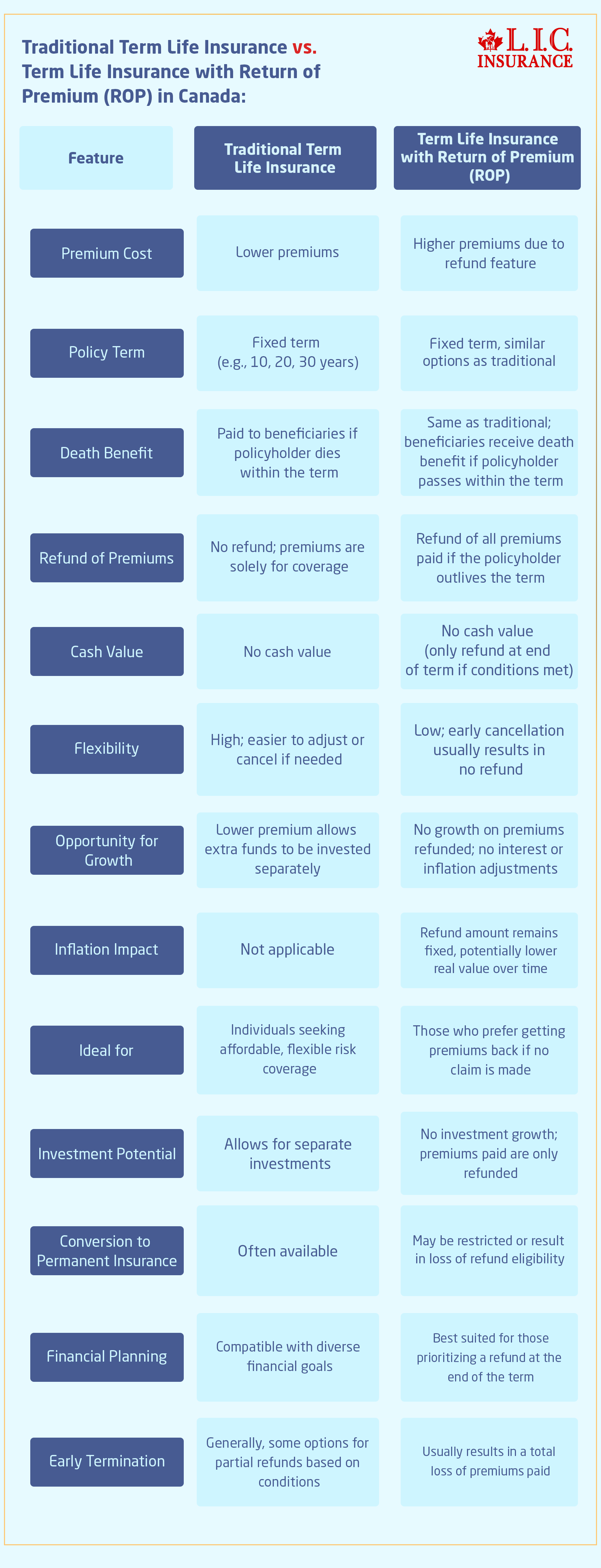
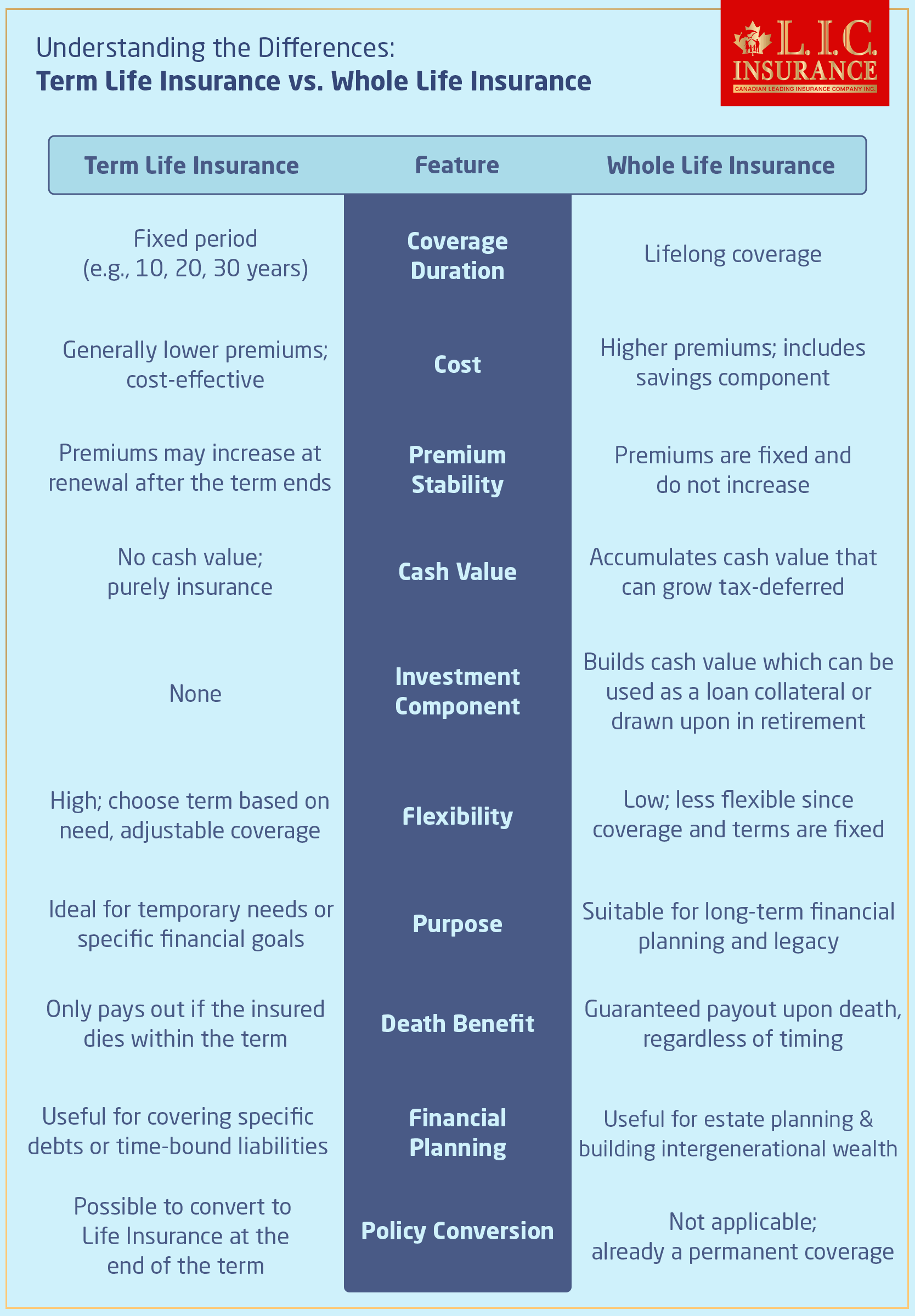
If you recently "converted" your term policy into a permanent policy (like Whole Life or Universal Life) to avoid losing coverage, your premium will increase dramatically. Permanent insurance is designed to last your entire life and build cash value, making it significantly more expensive than term insurance. Many policyholders initiate a conversion without fully realizing the massive gap in cost between the two product types.
Comparing Term Insurance Structures and Cost Impacts
Understanding how different policy structures behave at the end of their lifecycle can help you identify why your specific costs have changed.
| Policy Phase | Pricing Basis | Premium Stability | Typical Cost Increase |
|---|---|---|---|
| Level-Premium Term | Average risk over 10-30 years | Guaranteed flat rate | 0% during the term |
| Annually Renewable Term | Current attained age risk | Increases every year | 500% - 1,500% jump at transition |
| Re-entry Term | Health status + Age | Variable based on medicals | Varies; high if health has declined |
| Step-Up/Graded Term | Pre-scheduled age brackets | Increases at set intervals | 20% - 50% every 5 years |
| Converted Permanent | Lifetime risk + Cash value | Usually fixed (Whole Life) | 5x - 10x more than the original term |
Solutions for High Term Insurance Premiums
If you find yourself facing a premium increase that you cannot afford, you have several strategic paths. You do not necessarily have to accept the high renewal rate or cancel the policy entirely.
1. Shop for a New Term Policy
If you are still in relatively good health, the most cost-effective move is often to buy a new term policy rather than renewing the old one. Even though you are older than when you first applied, a new 10-year level term policy will almost always be cheaper than the "Annually Renewable Term" rates of your current expiring policy. In 2026, many insurers use accelerated underwriting which allows healthy individuals to get new coverage quickly without a medical exam, potentially lowering the barrier to switching.
2. Utilize the Conversion Rider
If your health has declined and you cannot qualify for a new policy on the open market, check if your current policy has a Conversion Rider. This allows you to change your term policy into a permanent one without a medical exam. While the premium will be higher than your original term rate, it may be lower than the "Annually Renewable" rate in the long run, and it guarantees you cannot be dropped due to illness.
3. Decrease the Face Amount
You may no longer need the same amount of coverage you did 20 years ago. If your mortgage is paid off or your children are financially independent, you can ask your insurer to reduce the death benefit. For example, dropping from a $1,000,000 policy to a $250,000 policy will significantly lower the premium, even if you are in the expensive renewal phase.
4. The "Laddering" Strategy for New Coverage
If you are buying a new policy to replace an expensive renewal, consider laddering. Instead of one large $1,000,000 policy, you might buy a $500,000 10-year term and a $500,000 20-year term. This ensures you have high coverage while your needs are greatest, but the total premium drops as the shorter-term policy expires, preventing a massive "cliff" later on.
Common Mistakes When Premiums Rise
When faced with a 1,000% price increase, many policyholders make emotional decisions that can jeopardize their financial security.
- Letting the policy lapse before replacing it: Never cancel or stop paying for your current policy until the new one is "in force" (meaning you have been approved and paid the first premium). If you have an undiagnosed health issue and you let your old policy lapse, you may find yourself uninsurable and without coverage.
- Paying the ART rate for too long: Some people pay the massive renewal rate for months or years out of inertia. This is almost always a waste of money. If you need coverage, get a new policy; if you don't, cancel the old one.
- Ignoring the "Grace Period": If you miss the first high payment, you typically have a 30 or 31-day grace period. Use this time to contact an independent agent to find alternatives rather than assuming the coverage is simply gone.
Frequently Asked Questions
Why didn't my insurance company warn me the price would go up this much?
Insurance companies are required to send renewal notices, but the original contract you signed also detailed the "Maximum Renewal Premiums." Most people do not look at the policy's "Schedule of Benefits and Premiums" page when they first buy the policy. That page lists exactly what the price will be in year 21, 22, and beyond. In 2026, most digital portals also provide a "coverage trajectory" tool that illustrates these future costs.
Can I negotiate the renewal rate with my current insurer?
Generally, no. Life insurance rates are filed with and regulated by state insurance departments, such as the New York Department of Financial Services. Carriers cannot arbitrarily change the rate for one individual. However, they may offer you a "re-underwriting" option where you take a new medical exam to qualify for a lower rate class within the same company.
Is it normal for term life insurance to go up every year?
For a standard "Level Term" policy, no. It should stay the same for the duration of the term (e.g., 20 years). If it is going up every year, you likely have an "Annually Renewable Term" policy or a "Group" policy through your employer. Employer-sponsored plans often increase in price every five years (at ages 30, 35, 40, etc.) as you move into new age brackets.
Does my health affect how much the renewal price goes up?
At the end of a level term, the renewal price (ART) is usually "guaranteed issue," meaning it goes up based on your age regardless of your health. However, the price is set at a "Standard" or "Table Rated" level, which is already quite high. If you are in excellent health, you are essentially overpaying for the risk of someone in poor health. This is why healthy individuals should always shop for a new policy rather than renewing.
What happens if I can't afford the new premium but still need insurance?
If a new policy is too expensive and you can't afford the renewal, the best step is to "reduce the face amount." Reducing the death benefit is the most direct way to lower the premium while keeping some level of protection in place. Additionally, check if you have any "Paid-up Additions" or "Extended Term" options if your policy had any cash value components (though this is rare for pure term insurance).
Practical Recommendation
If your term life insurance has recently increased or you are within 12 months of your term expiring, do not wait for the first high bill to take action. Contact an independent insurance broker who can compare rates across multiple carriers. Because you are now older, the "best" company for you at age 55 may be completely different from the company that was best at age 35.
Request a "Term Comparison Study" that looks at 10-year and 15-year options. If you have any significant health changes, specifically ask for carriers that specialize in "clinical underwriting" for your specific condition. Taking action at least six months before your current term expires allows you to navigate the underwriting process for a new, lower-cost policy without a gap in coverage.
Image Gallery