The Rome Gas Station Explosion and Its Aftermath: Incident Analysis, Structural Impacts, and Safety Reform
The Rome gas station explosions—most notably the catastrophic LPG tanker BLEVE (Boiling Liquid Expanding Vapor Explosion) near the Rome metropolitan area—resulted from fuel transfer failures, thermal build-up, and vapor cloud ignition....
The Rome gas station explosions—most notably the catastrophic LPG tanker BLEVE (Boiling Liquid Expanding Vapor Explosion) near the Rome metropolitan area—resulted from fuel transfer failures, thermal build-up, and vapor cloud ignition. The aftermath triggered extensive legal investigations, firefighter safety overhaul, stringent European ADR transport enforcement, and modernized automated emergency shut-off mandates across hazardous fuel distribution sites.
Contents
Chronology and Disaster Dynamics of Rome Gas Station Explosions
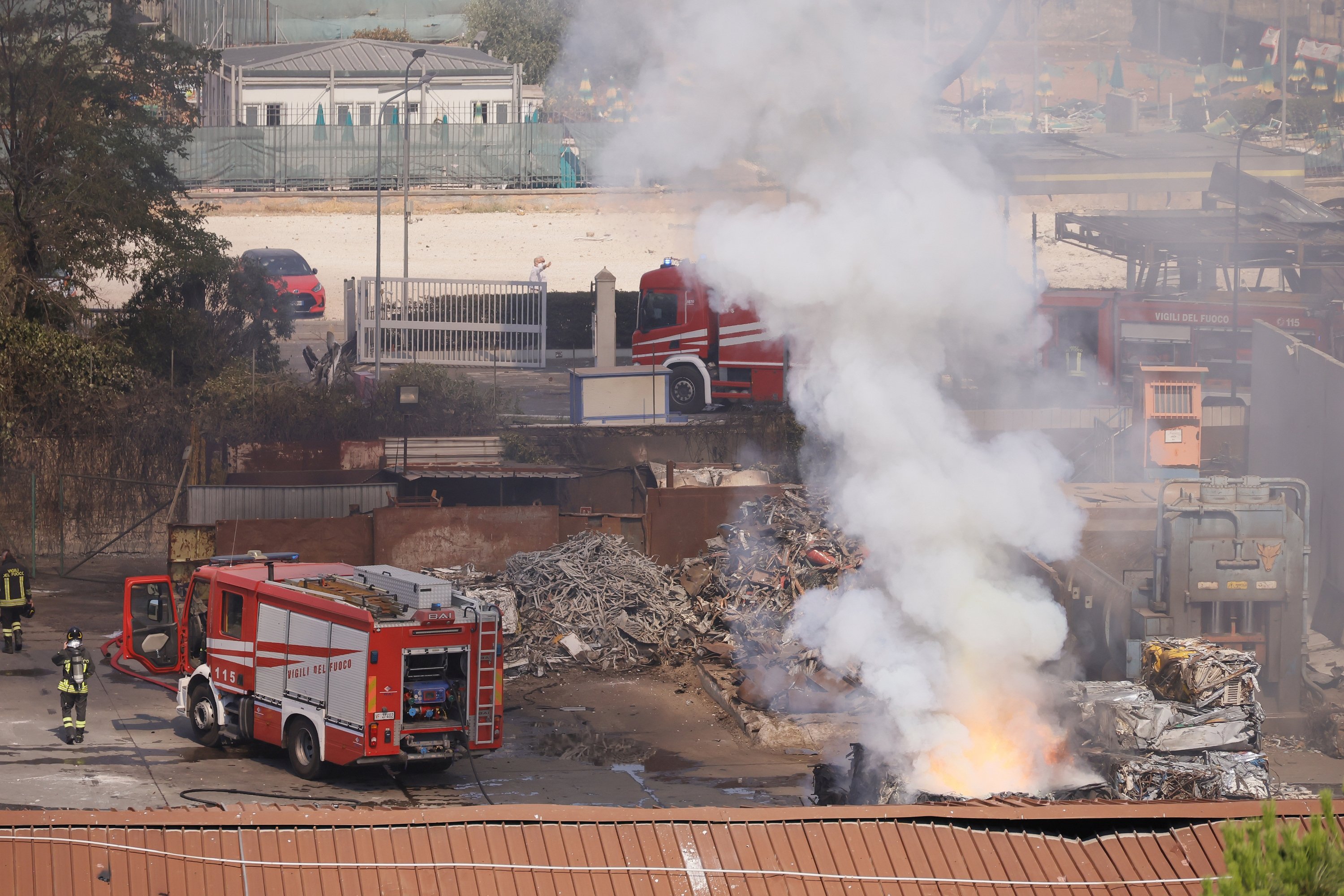
Industrial fuel distribution inherently carries high operational risks, but few incidents illustrate the cascading dangers of liquefied petroleum gas (LPG) offloading as starkly as the major gas station explosions documented in and around the Greater Rome region. The most severe incident occurred along the vital corridor connecting Rome to surrounding provinces (such as the Via Salaria fuel depot disaster), alongside urban service station fires within Rome's metropolitan limits (including incidents in the Colli Anieni and Prenestina districts).
The catastrophic timeline typically begins during routine fuel offloading. In high-consequence fuel incidents, a secondary leak or hose rupture allows pressurized liquid LPG (primarily propane and butane) to vent directly into ambient air. Because LPG is stored as a liquid under substantial pressure, its sudden release causes rapid flashing into a dense gas cloud that stays low to the ground. Once this vapor cloud encounters an ignition source—such as hot vehicle components, static electrical discharges, or electrical switches within the station building—a localized flash fire ignites instantly.
- Pressurized Tanker Leak
- LPG Vapor Cloud Formation
- Flash Fire / Primary Ignition
- Thermal Overpressure of Storage Tank
- Massive BLEVE Explosion
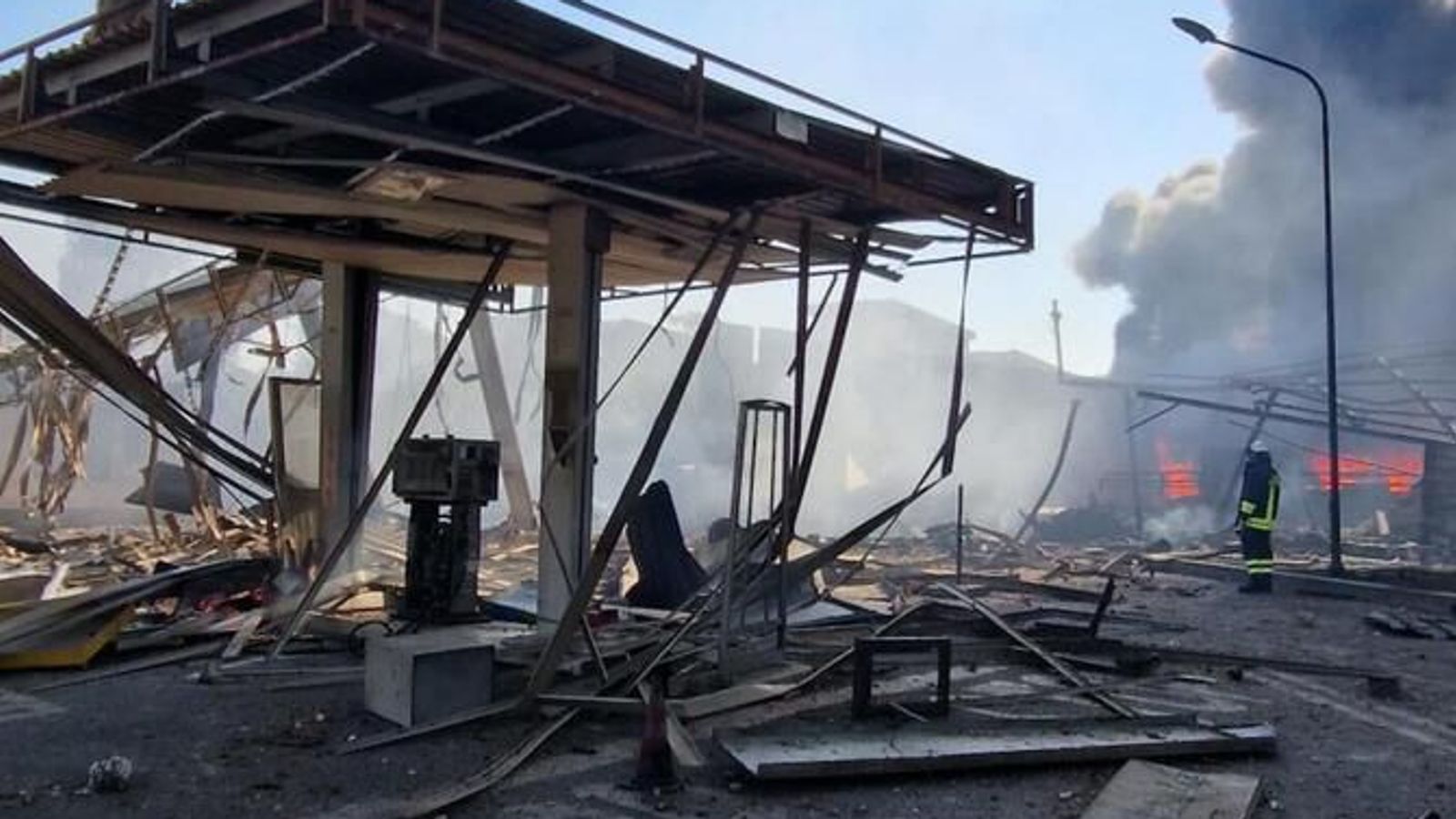
- Secondary Structural Collapse
What separates a conventional fuel fire from a devastating explosion is the phenomenon of a Boiling Liquid Expanding Vapor Explosion (BLEVE). As the initial flash fire burns around the transport tanker or stationary bulk storage vessel, extreme radiant heat weakens the structural integrity of the container's steel shell above the liquid line. As the internal liquid boils rapidly, pressure surges beyond the safety relief valve capacity. When the high-temperature steel shell fails structural yield strength tests, the vessel ruptures violently. The instantaneous expansion of liquid into gas creates a supersonic shockwave, a massive fireball, and flying shrapnel, causing widespread devastation to emergency responders and surrounding infrastructure.
Forensic Investigation Findings and Root Causes
Independent forensic investigations conducted by the Italian National Fire Corps (Vigili del Fuoco), safety engineering specialists, and judicial prosecutors identified multiple technical and operational breakdowns that contributed to the initial releases and secondary explosions.
Mechanical and Equipment Degradation
Forensic examination of offloading systems frequently reveals compromised mechanical components. Fuel transfer operations rely on flexible high-pressure hoses equipped with dry-break couplings and emergency breakaway joints. In several documented facility failures, critical root causes included:
- Hose Integrity and Fatigue: O-ring degradation and microscopic fatigue cracks in transfer hoses caused by physical drag, UV exposure, and thermal cycling.
- Failure of Emergency Shutdown Valves (ESD): Malfunctioning or unmaintained pneumatically actuated emergency valves failed to seat properly when manual activation was attempted, allowing continuous fuel discharge into an active fire zone.
- Grounding Bond Failures: Inadequate electrical continuity between the transport vehicle and the facility's grounding grid, creating static electricity potential during high-velocity liquid transfer.
Operational and Human Factors
Human factors play a decisive role in hazardous material offloading safety. Investigations highlighted operational deviations from standard operating procedures (SOPs) governed by the European Agreement concerning the International Carriage of Dangerous Goods by Road (ADR). Key operational lapses included failure to maintain an active safety perimeter during bulk delivery, delayed manual initiation of remote emergency shut-off systems upon initial leak detection, and inadequate distance between delivery tankers and high-voltage electrical installations or heavy traffic zones.
Technical Comparison of Fuel Incident Parameters
Understanding the operational differences between hazardous material releases allows engineers and facility managers to implement targeted risk-reduction protocols. The table below details key parameters associated with fuel storage and transport disasters in commercial service station environments.
| Risk Parameter | Liquefied Petroleum Gas (LPG) | Compressed Natural Gas (CNG) | Standard Gasoline / Petrol |
|---|---|---|---|
| Primary Storage Condition | Liquid under pressure (~5–10 bar) | High-pressure gas (~200 bar) | Atmospheric liquid storage |
| Dominant Blast Hazard | Vapor Cloud Explosion (VCE) / BLEVE | Rapid high-pressure jet fire / vessel rupture | Liquid pool fire / atmospheric vapor ignition |
| Vapor Density (Air = 1.0) | ~1.5 to 2.0 (Heavier than air; settles low) | ~0.55 (Lighter than air; dissipates upward) | ~3.0 to 4.0 (Heavier than air; pools low) |
| Primary Failure Cause | Hose rupture, valve seal failure, thermal stress | Fatigue in composite cylinders, valve shearing | Pipe leak, overfill spillage, static discharge |
| Exclusion Zone Requirement | Minimum 100 meters during active fires | Minimum 50 meters during jet releases | Minimum 30–50 meters during pool fires |
| Regulatory Framework | EU ADR, Directive 2014/68/EU (PED) | EU ADR, ISO 11439 cylinder codes | National Flammable Liquid Codes, EN 13617 |
Environmental, Economic, and Structural Impact
The aftermath of major fuel station explosions extends far beyond immediate structural damage. The combined effects of overpressure waves, extreme radiant thermal energy, and chemical dispersion leave lasting environmental and financial consequences across urban and suburban zones.
Physical and Infrastructure Damage
The acoustic overpressure generated by an LPG BLEVE can reach peak pressures exceeding 0.3 to 0.5 bar at distances of 50 to 100 meters. Overpressure at these levels causes major structural damage to reinforced concrete structures, collapses lightweight steel roofs, shatters glass windows across a multi-block radius, and transforms loose equipment into high-velocity projectiles. In the Rome incidents, adjacent residential structures, commercial retail units, and critical utility corridors suffered extensive structural disruption, requiring long-term engineering evaluations prior to re-occupancy.
Environmental Contamination and Remediation
When fuel storage systems collapse, unburned hydrocarbons, fire-suppression foam additives, and combustion byproducts saturate surrounding topsoil and municipal stormwater systems. Remediation protocols demand immediate response:
- Soil Excavation: Heavy excavation equipment must remove hydrocarbon-saturated soil down to unaffected geological layers to prevent subsurface migration.
- Groundwater Monitoring: Environmental agencies install monitoring wells to test for benzene, toluene, ethylbenzene, and xylene (BTEX) compounds in local groundwater tables.
- Vapor Intrusion Mitigation: Nearby commercial and residential basements require continuous organic vapor monitoring to prevent toxic accumulation or sub-slab explosive gas pockets.
Insurance Claims and Legal Liability
The legal aftermath of severe industrial station fires involves complex multi-party litigation. Claims typically encompass commercial general liability, environmental damage restoration, third-party bodily injury, and business interruption losses. Italian judicial courts and international insurance syndicates conduct multi-year liability assessments to apportion financial fault among fuel transport operators, station owners, equipment manufacturers, and maintenance contractors. Total financial damages for large-scale urban station explosions frequently exceed tens of millions of euros.
- Explosion Event
- Property & Asset Loss: Direct First-Party Property Claims
- Structural Instability: Structural Engineering Repairs & Rebuilding
- Subsurface Pollution: Soil & Groundwater Remediation Projects
- Third-Party Injuries: Multi-Party Commercial Liability Litigation
Regulatory Reform and Safety Enhancements Post-Incident
Disasters of this magnitude inevitably lead to comprehensive overhauls of industrial fire safety standards, building design regulations, and dangerous goods transport rules. Following the Rome fuel station fires and regional BLEVE events, regulatory bodies—including the Italian Ministry of the Interior, the Vigili del Fuoco, and European safety agencies—implemented updated safety directives.
Automated Emergency Shut-Off Systems (ESD)
Modernized service stations must install fully redundant, thermally actuated, and remotely controlled ESD systems. These systems utilize pneumatic or spring-loaded automated valves that fail closed if control pressure is lost or ambient temperatures exceed critical thresholds (typically 70°C to 90°C). Wireless emergency stop pendants are now routinely issued to delivery drivers, enabling instant flow interruption from safe stand-off distances.
Fire Safety Distances and Physical Isolation
Urban planning guidelines now enforce strict safety clearance zones surrounding high-capacity fuel storage tanks and tanker discharge pads. Key spatial regulations mandate:
- Mandatory minimum isolation distances between LPG storage/discharge points and public assembly buildings, schools, or residential housing.
- Installation of reinforced fire-rated barrier walls (blast deflection walls) capable of withholding intense thermal flux for a minimum of 120 minutes (REI 120 ratings).
- Subsurface tank placement mandates for all new urban service station permits, drastically reducing external thermal exposure risks compared to above-ground installations.
Advanced Firefighter Safety and Tactical Training
The loss of first responders during BLEVE events prompted a overhaul of tactical guidelines for emergency services responding to hazardous material (HazMat) incidents:
- Thermal Imaging and Remote Monitoring: Fire crews utilize drone-mounted thermal cameras and un-manned ground vehicles (water monitors) to cool compromised tanks without exposing firefighters to blast zones.
- Strict Evacuation Distances: Emergency commanders strictly enforce mandatory initial perimeter stand-offs (typically 300 to 500 meters) whenever tank shell overheating or direct flame impinge on un-cooled LPG vessel vapor spaces is identified.
- Gas Detection Technology: Portable multi-gas detectors equipped with photoionization detectors (PIDs) and lower explosive limit (LEL) sensors are deployed immediately to map volatile gas plume boundaries.
Frequently Asked Questions
What main technical factor causes a gas station to explode rather than just burn?
A gas station explosion typically occurs when flammable vapors are confined within a structure or vessel, or when a pressurized fuel container undergoes a Boiling Liquid Expanding Vapor Explosion (BLEVE). While liquid fuel in an open environment burns as a surface pool fire, pressurized gases like LPG rapidly vaporize when released. If the vessel holding the liquid is heated by fire, internal pressure surges while the metal weakens, causing a structural failure that releases the contents instantaneously into a massive explosion.
How do modern fuel stations prevent static electricity from igniting fuel during delivery?
Modern stations use dedicated bonding and grounding equipment that connects the tanker truck directly to the station’s earth grounding grid prior to opening any fuel transfer valves. Interlock systems are increasingly installed, which electronically monitor ground continuity; if the electrical resistance exceeds safe limits (typically less than 10 ohms), the automated fuel transfer pumps will not activate.
What should individuals in the immediate vicinity do if a gas station fire or leak occurs?
If a major fuel leak or localized fire occurs at a service station, individuals should immediately abandon vehicles, leave personal property behind, and evacuate on foot in an upwind and crosswind direction. Do not start vehicle engines, operate electrical switches, or use mobile devices near the vapor plume, as these can act as ignition sources. Move at least 300 meters away and seek shelter behind solid structural barriers to protect against potential overpressure blast waves.
Who is legally responsible for financial damages caused by a fuel station explosion?
Liability is determined through judicial and forensic investigations. Potentially responsible parties include the station owner/operator (for inadequate maintenance or safety violations), the fuel transport company (for operator error during delivery), equipment manufacturers (in cases of mechanical failure of valves or hoses), and maintenance contractors. In practice, claims are settled through third-party liability insurance coverage, commercial property policies, and legal settlements.
What environmental hazards persist after a fuel station explosion is extinguished?
Post-explosion environmental hazards include petroleum hydrocarbon contamination of soil and local groundwater, toxic runoff from water and chemical foams used during firefighting, and airborne particulate pollution from combusted materials. Environmental remediation teams must excavate contaminated soil, deploy absorbent containment booms in storm drains, and run long-term groundwater filtration and monitoring systems to ensure public health safety.
Actionable Recommendations for Facility Operators and Safety Managers
To minimize catastrophic risk and remain fully compliant with European industrial safety standards (including ADR and local fire department codes), facility owners and technical managers should execute the following operational steps:
- Perform Quarterly Integrity Audits: Audit all mechanical transfer components, including flexible LPG hoses, dry-break couplings, emergency breakaway devices, and grounding cables. Replace components showing any sign of surface cracking, severe abrasion, or seal degradation regardless of remaining service life.
- Inspect and Test ESD Interlocks: Conduct functional testing of all manual and automated Emergency Shutdown Systems at least monthly. Verify that remote wireless emergency pendants operate correctly and that pneumatically actuated isolation valves seat completely within specified shut-off times.
- Establish and Enforce Delivery Isolation Zones: Mark distinct, unobstructed exclusion zones around tanker discharge pads. Ensure that physical barriers prevent unauthorized vehicle or pedestrian entry during dangerous goods delivery operations.
- Conduct Joint HazMat Exercises: Partner with local emergency services (Vigili del Fuoco and municipal emergency responders) to review emergency response plans, verify site-specific hydrant pressures, and ensure responder familiarity with main fuel shut-off locations.
Image Gallery