Understanding Alienware: Corporate Valuation and Financial Positioning
Alienware does not have an independent net worth because it is not a standalone publicly traded company; it is a subsidiary brand owned by Dell Technologies Inc. As a specialized division within the broader Dell corporate structure, Al...
Alienware does not have an independent net worth because it is not a standalone publicly traded company; it is a subsidiary brand owned by Dell Technologies Inc. As a specialized division within the broader Dell corporate structure, Alienware’s financial performance is integrated into the consolidated revenue reports of Dell’s Client Solutions Group, meaning there is no individual market capitalization or public "net worth" figure assigned to the brand as an independent entity.
Contents
The Corporate Structure of Alienware
To understand the financial standing of Alienware, one must first look at its parent organization, Dell Technologies. Alienware was founded in 1996 by Nelson Gonzalez and Alex Aguila, focusing specifically on high-performance gaming hardware. In 2006, Dell acquired Alienware, integrating the boutique brand into its own supply chain while maintaining Alienware’s distinct identity as a premium gaming-focused manufacturer.
In 2026, Dell Technologies remains one of the largest technology corporations in the world. When investors or analysts discuss the "worth" of Alienware, they are effectively analyzing a subset of Dell's Client Solutions Group (CSG). This group encompasses desktop computers, notebooks, and workstations, including both consumer-grade Dell PCs and the high-end gaming rigs produced under the Alienware label. Because the financial statements are consolidated at the parent level, the specific revenue generated by Alienware is rarely disclosed as a separate line item in quarterly earnings reports, though it contributes significantly to the premium-tier margins of the company.
Financial Integration and Market Valuation
The concept of "net worth" is typically applied to individuals or independent companies. For a subsidiary like Alienware, analysts often use "brand equity" or "market share" as proxies for value. Dell Technologies’ market capitalization—the total dollar market value of a company's outstanding shares—fluctuates daily based on investor sentiment, debt levels, and profitability.
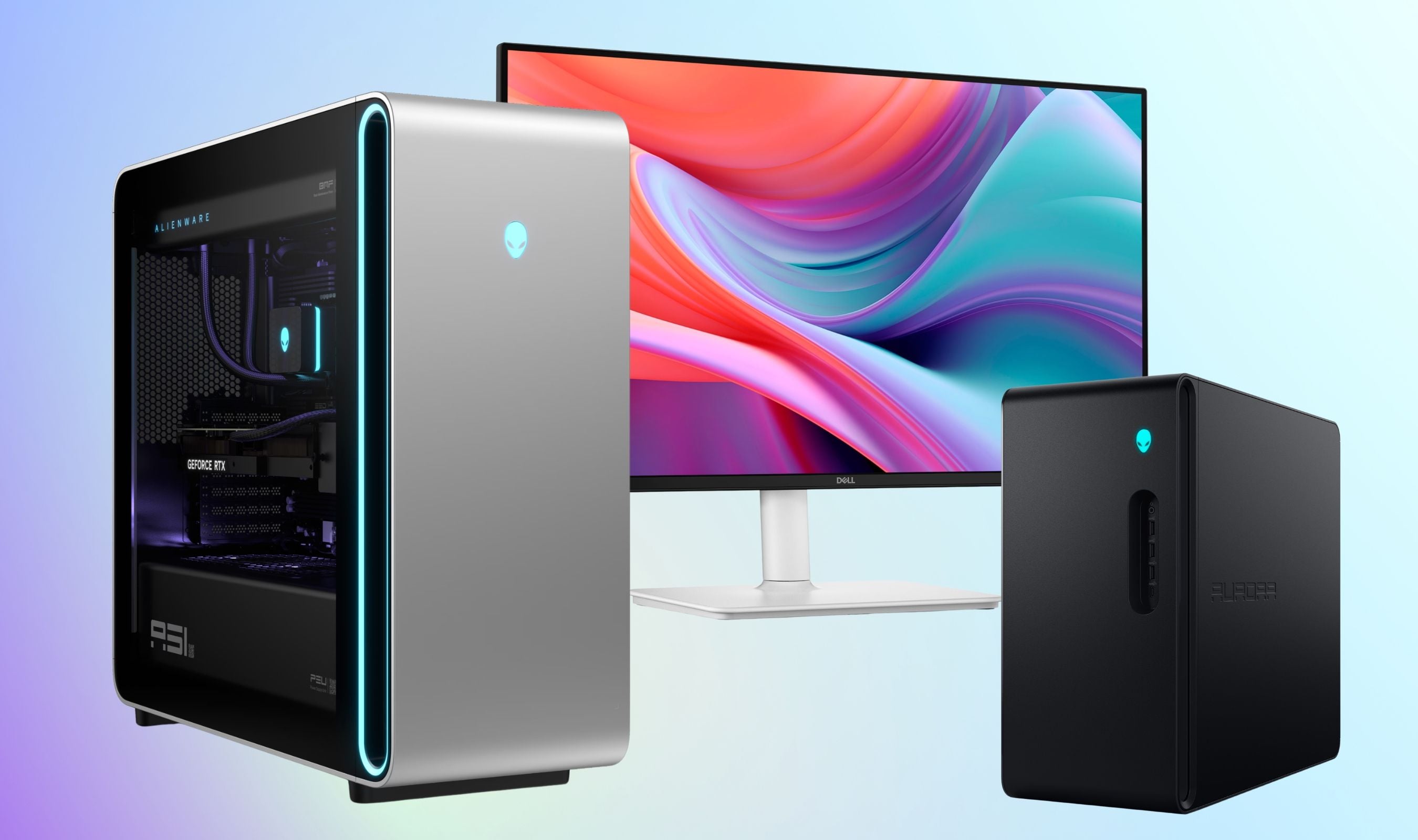
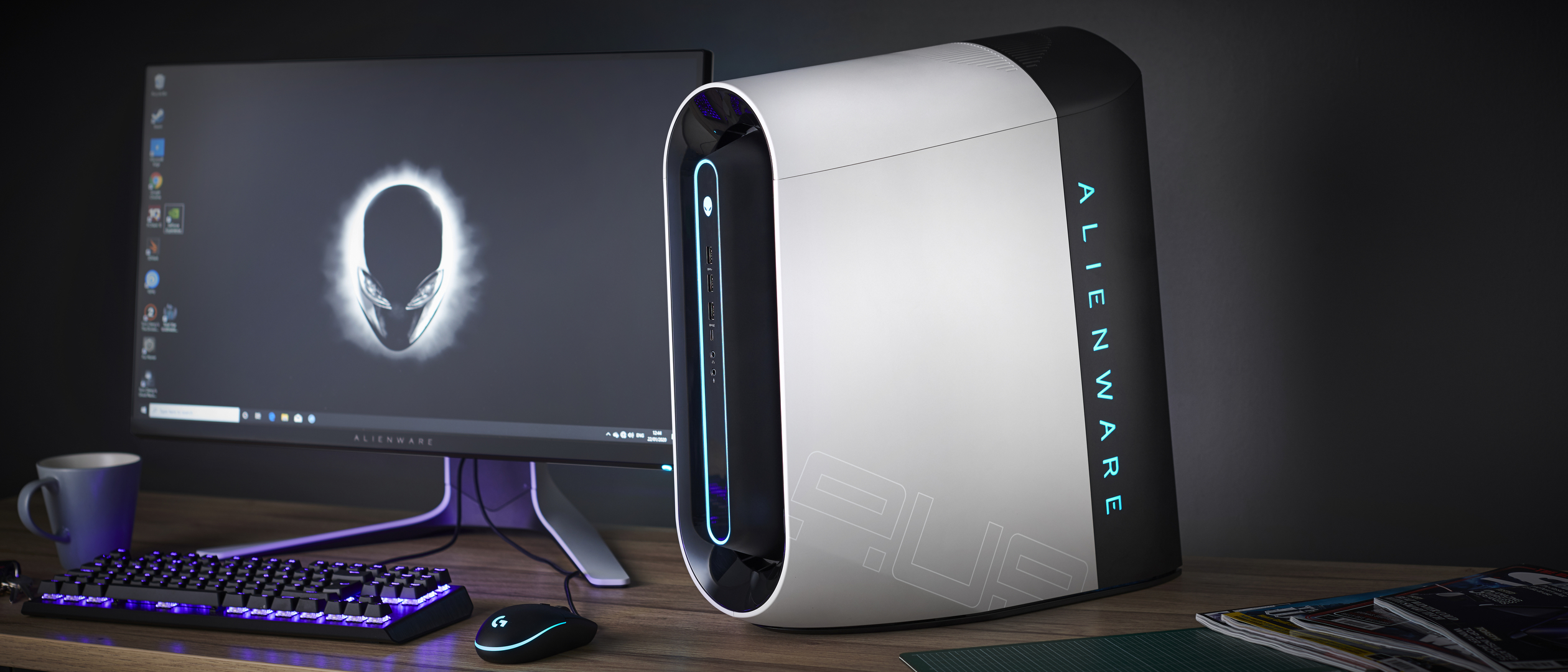
Since the acquisition, Alienware has served as an essential component of Dell’s strategy to capture the high-margin PC gaming market. By maintaining Alienware as a distinct premium brand, Dell successfully targets enthusiast gamers who are willing to pay a premium for hardware specifications, custom lighting (AlienFX), and specialized cooling solutions that are not standard in the broader Dell Inspiron or Latitude lines.
Factors Influencing Alienware’s Contribution to Dell
- Premium Pricing Strategy: Alienware hardware is priced significantly higher than standard office hardware, providing Dell with higher profit margins per unit sold.
- Research and Development Synergy: Alienware benefits from the massive R&D budget of Dell Technologies, utilizing proprietary cooling systems and chassis designs that eventually influence other Dell products.
- Market Positioning: Alienware competes with other major gaming brands like HP’s OMEN or Lenovo’s Legion. The brand’s perceived value is tied to its historical reputation as a pioneer in the pre-built enthusiast PC market.
Comparison of Gaming Hardware Revenue Models
Understanding how Alienware operates within the market requires a comparison of how different entities manage gaming-focused hardware. Unlike some competitors that remain independent (such as boutique system integrators), Alienware relies on the immense purchasing power of Dell to source components.
| Feature | Alienware (Subsidiary) | Independent Boutique Builder |
|---|---|---|
| Parent Entity | Dell Technologies | Independent/Private |
| Supply Chain | Massive global scale | Limited, often higher cost per unit |
| R&D Capability | Extensive corporate resources | Focused niche innovation |
| Financial Transparency | Consolidated in Dell reports | Private/Non-disclosed |
| Brand Equity | High (Global recognition) | Varies (Niche reputation) |
Why Alienware Valuation Remains Ambiguous
In financial reporting, companies are required to disclose material information regarding their segments. However, the definition of "material" generally dictates that if a specific brand does not constitute a large enough percentage of total revenue to skew the overall earnings report, it is grouped into larger categories.
For the average observer, attempting to calculate the net worth of Alienware is a difficult task because there is no public disclosure of:
- Direct Manufacturing Costs: The internal transfer pricing between Dell’s assembly plants and the Alienware brand.
- Marketing Allocation: How much of the total Dell marketing budget is specifically attributed to Alienware.
- Specific Revenue Streams: While gamers see Alienware as a stand-alone entity, Dell reports revenue by segments like "Consumer," "Commercial," and "Servers." Alienware’s revenue is split across these internal reporting lines.
Investing in the Alienware Ecosystem
For individuals interested in the financial performance of Alienware, the primary vehicle for investment is Dell Technologies (DELL) stock. Because Alienware is a core pillar of the Dell gaming portfolio, its success directly impacts the health of the Client Solutions Group. If Alienware experiences high sales growth, it contributes to the gross margin expansion of the Client Solutions segment, which is a key metric tracked by shareholders during quarterly earnings calls.
Investors should note that the PC gaming industry is cyclical. Revenue often peaks during the release of new hardware generations, such as new NVIDIA or AMD graphics card cycles, or when new Intel or AMD processors launch. During these periods, Alienware often sees a surge in volume as enthusiasts upgrade their machines. Conversely, the market for gaming hardware can face headwinds due to macroeconomic factors, such as inflation or supply chain constraints, which can affect the affordability of premium components.
Frequently Asked Questions
Is Alienware a publicly traded company? No, Alienware is not publicly traded. It is a subsidiary of Dell Technologies. Investors looking to gain exposure to Alienware’s market performance must do so by analyzing or investing in Dell Technologies (DELL) as a whole.
Does Dell report Alienware revenue separately? Dell typically does not report revenue specifically for the Alienware brand in its public financial statements. It reports results through broader segments, such as the Client Solutions Group, which includes consumer and commercial PCs.
What is the "Brand Value" of Alienware? While a specific dollar amount is not officially published, Alienware’s brand value is considered very high within the gaming hardware industry. It is consistently ranked among the top gaming PC manufacturers due to its longevity, design language, and integration into the Dell global ecosystem.
How does Alienware compete with other brands? Alienware competes through a combination of high-end industrial design, strong integration with Dell’s supply chain, and a massive global distribution network that smaller competitors cannot match. Its pricing reflects a "premium" positioning strategy.
Does Alienware have a separate CEO? No. Because Alienware is a brand under the Dell umbrella, its leadership is integrated into the executive structure of Dell’s Client Solutions Group.
Strategic Outlook
Alienware’s financial strength is tied directly to the durability of the high-end PC gaming market. As of 2026, the brand continues to hold a significant market share by leveraging Dell’s logistical capabilities to provide high-performance hardware to a global audience. For consumers, this ensures stability in warranties, support, and long-term parts availability—benefits that smaller, independent boutique builders often struggle to provide. For financial stakeholders, Alienware functions as an essential "premium capture" asset within the Dell technology portfolio.
Next Action: If you are analyzing Alienware for investment purposes, review the most recent Form 10-K filed by Dell Technologies with the Securities and Exchange Commission (SEC). Focus specifically on the "Client Solutions Group" performance section, as this will provide the most accurate assessment of how the PC hardware sector—and by extension, Alienware—is performing within the broader corporate framework.
Image Gallery