Understanding the Price of an 8kW Solar Panel Installation in 2026
The cost of an 8kW solar panel installation in 2026 typically ranges between $16,000 and $24,000 before federal tax incentives. This price varies based on equipment quality, roof complexity, local labor rates, and the inclusion of batt...
The cost of an 8kW solar panel installation in 2026 typically ranges between $16,000 and $24,000 before federal tax incentives. This price varies based on equipment quality, roof complexity, local labor rates, and the inclusion of battery storage solutions. Most homeowners can offset this expense significantly through federal tax credits and regional utility-sponsored rebates.
Contents
Factors Influencing Total Installation Costs
The price of an 8kW solar array is rarely a fixed number because no two residential roofs are identical. To understand the investment required, you must break down the quote into its constituent parts: equipment, labor, permitting, and BOS (Balance of System) components.
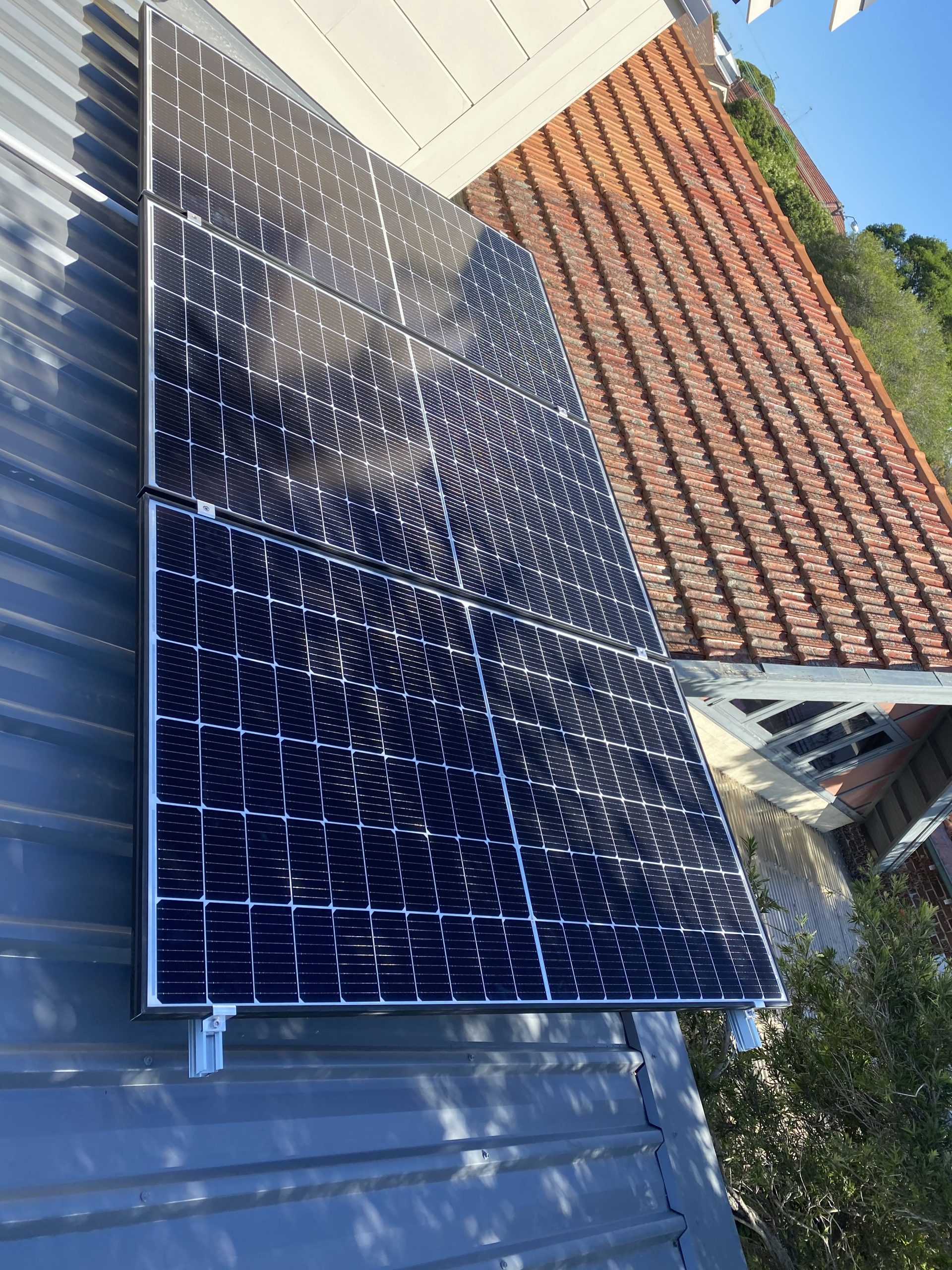
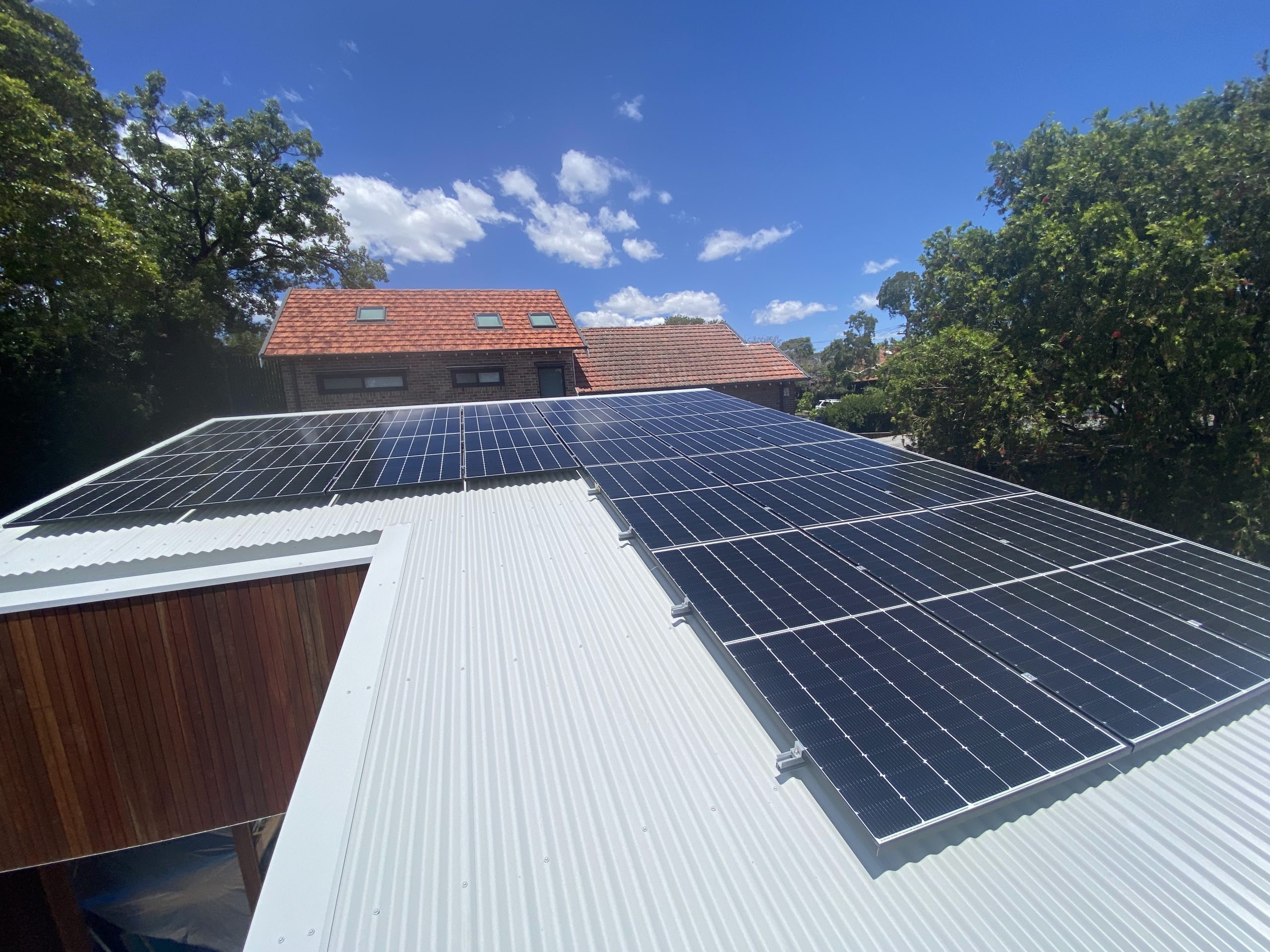
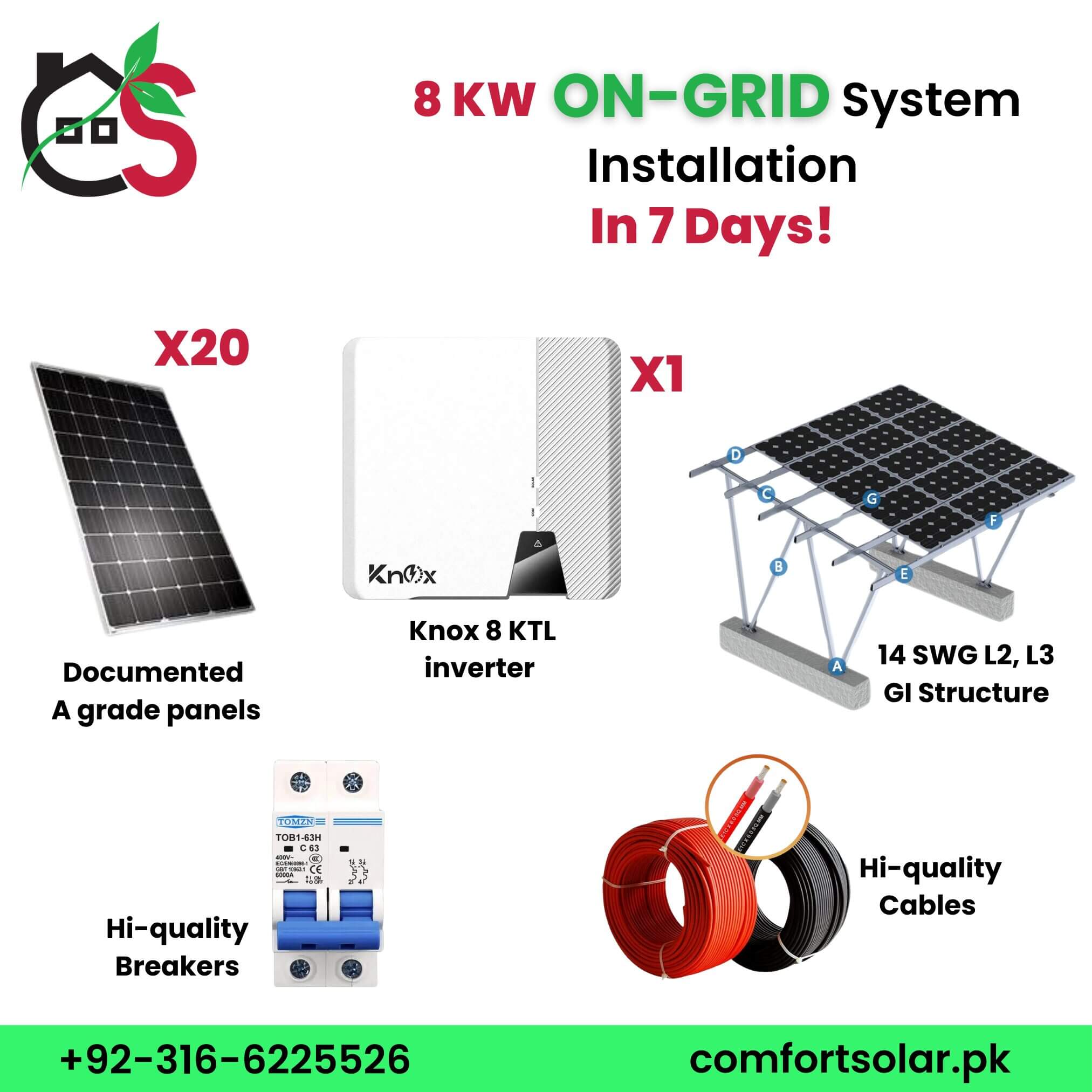
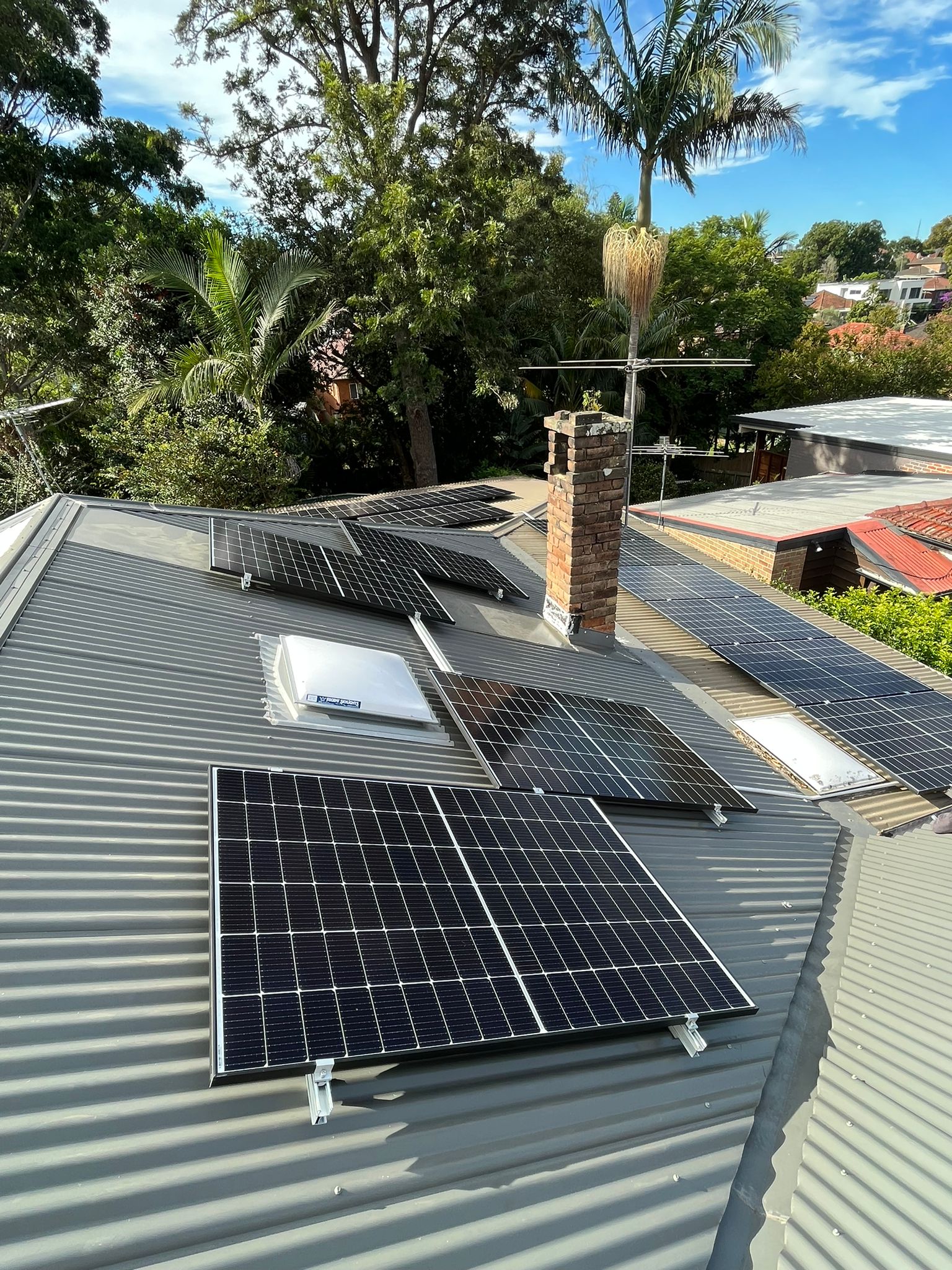
Equipment Tiers Solar panels are generally categorized into three tiers. Budget-friendly panels offer standard efficiency and lower power output per square meter. Mid-range panels strike a balance between aesthetics and performance, while premium, high-efficiency monocrystalline panels often carry a higher price tag but require less roof space to hit your 8kW target. Because an 8kW system requires roughly 20 to 24 panels, opting for high-efficiency modules can sometimes reduce the physical footprint, which may decrease installation labor costs if your roof area is limited.
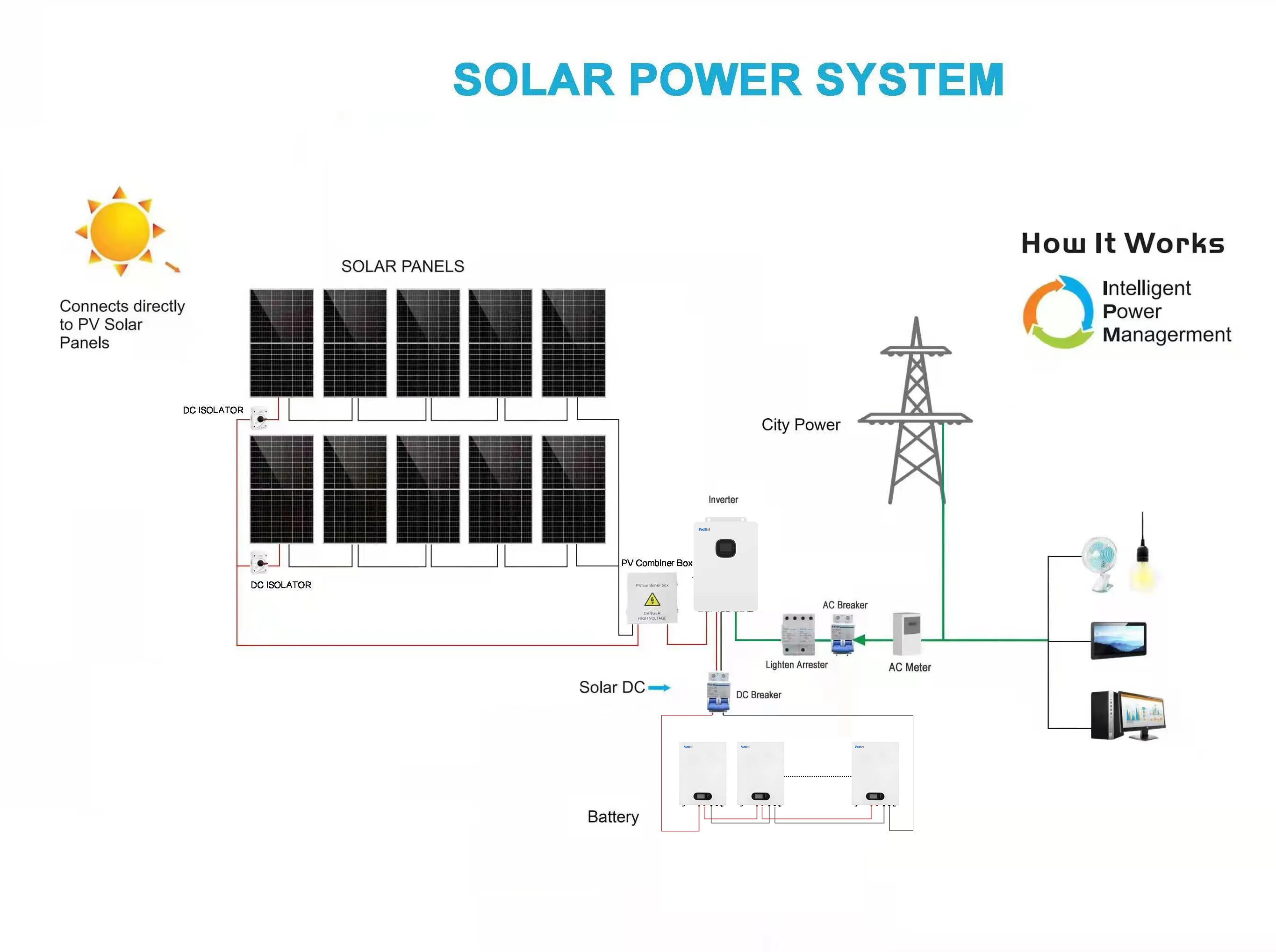
Balance of System (BOS) and Inverters The inverter is the "brain" of your solar installation. String inverters are the most cost-effective option, while micro-inverters or DC optimizers—which allow each panel to operate independently—increase the upfront cost but improve system reliability, especially in environments where parts of your roof may be shaded by trees or chimneys throughout the day. Mounting hardware, electrical conduit, wiring, and safety disconnects further add to the material costs.
Site-Specific Challenges Professional installers assess your home's structural integrity and electrical infrastructure before providing a quote. If your existing electrical panel needs to be upgraded to handle the solar input, or if your roof requires reinforcement or repairs to support the weight of the array, these expenses are typically added to the project total. A "complex" roof with many planes, steep pitches, or difficult-to-reach areas will increase labor costs, as it requires more time, specialized safety equipment, and additional personnel.
The Financial Impact of 2026 Solar Incentives
The federal government continues to support the transition to renewable energy through the Residential Clean Energy Credit. As of 2026, homeowners are eligible for a tax credit equal to 30% of the total cost of their solar installation. This is a dollar-for-dollar reduction of your federal income tax liability.
| Component | Estimated Cost Range (Pre-Incentive) |
|---|---|
| Solar Panels (8kW) | $8,000 – $12,000 |
| Inverters & BOS | $3,000 – $5,000 |
| Permitting & Inspection | $500 – $1,500 |
| Labor & Installation | $4,500 – $5,500 |
| Total Project Cost | $16,000 – $24,000 |
Beyond federal credits, state and local municipalities may offer additional financial support. These can take the form of direct rebates, Property Assessed Clean Energy (PACE) financing, or SREC (Solar Renewable Energy Certificate) markets, where you earn money for the electricity your system generates. It is essential to research your specific zip code, as the net cost of an 8kW system can fluctuate by several thousand dollars based purely on regional policy.
Operational Considerations: Energy Storage
In 2026, many homeowners are choosing to add battery storage to their 8kW installations. While a grid-tied system without batteries will shut down during a utility power outage, adding a battery backup system ensures your lights stay on even when the grid fails.
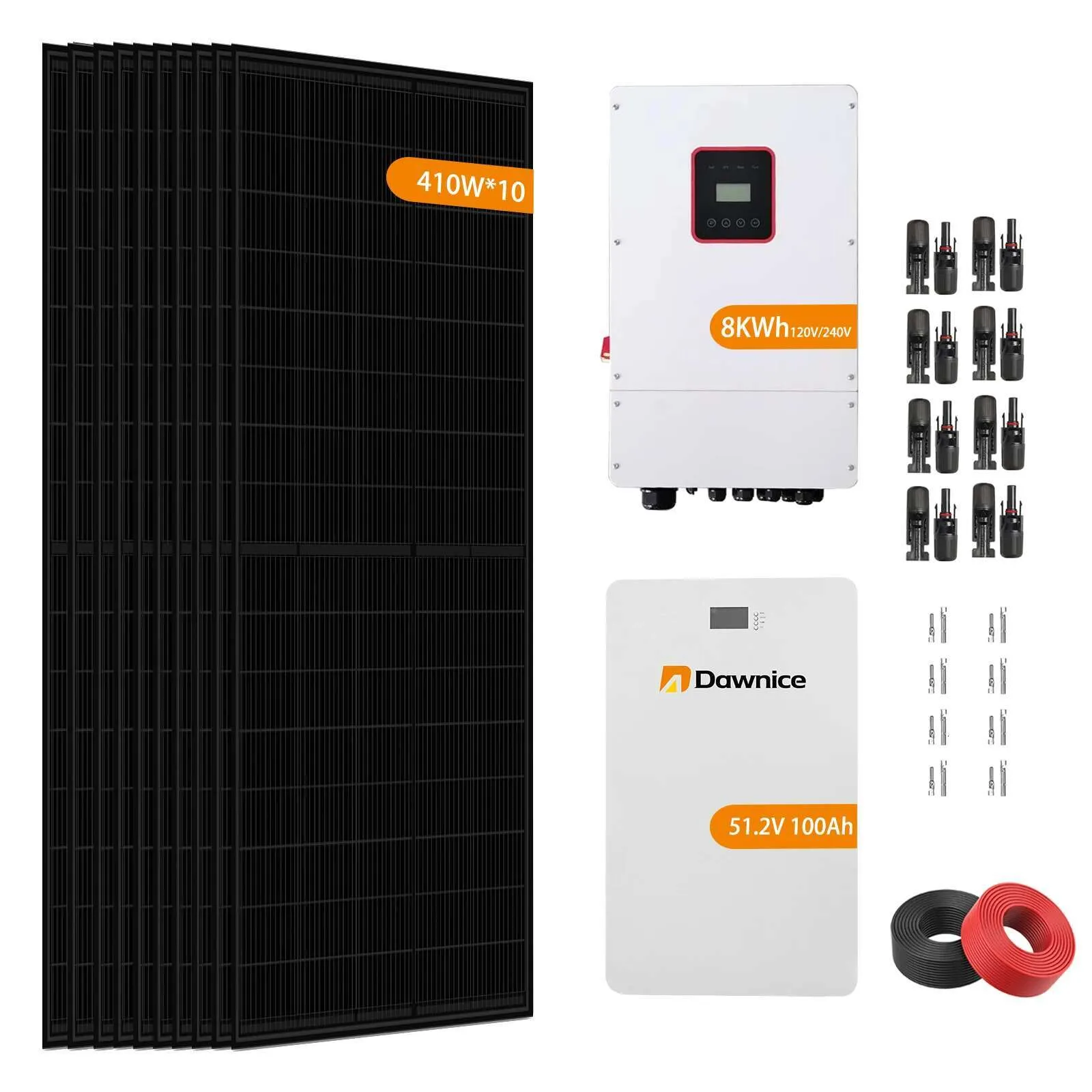
Integrating a battery, such as those utilizing lithium iron phosphate (LFP) technology, will add $7,000 to $12,000 to your total project cost. While this increases the upfront expenditure, it enhances energy independence and can protect you against time-of-use (TOU) utility rate hikes. When evaluating the price of an 8kW system, decide early whether energy storage is a priority, as adding a battery later often incurs higher labor costs due to redundant electrical work.
Selecting a Qualified Installer
The quality of your installation is as important as the quality of your equipment. When vetting contractors, prioritize companies with a long-standing reputation in your area. Look for NABCEP (North American Board of Certified Energy Practitioners) certification among the lead installers, as this indicates a high standard of professional training.
Request at least three quotes, and ensure they are "apples-to-apples." A quote that seems significantly cheaper than others may be omitting essential items like professional electrical upgrades, municipal permit fees, or long-term monitoring software. Ask the installer to provide a production estimate—a calculation of how much energy your specific 8kW array will generate annually based on your home's orientation, tilt, and historical local sunlight hours.
Common Pitfalls and Troubleshooting
One of the most frequent errors homeowners make is overestimating their roof’s production capacity. Even if you install an 8kW system, its real-world performance depends on shading and azimuth. If you are experiencing lower production than your installer projected, check your monitoring app for "clipping" or "string failure." Most modern systems include performance alerts; if your app shows a specific panel underperforming, it could indicate debris, bird droppings, or a faulty micro-inverter.
Maintenance for a 2026 installation is relatively low. Panels are generally self-cleaning with rainwater, but in arid climates or areas with heavy pollen, a professional cleaning once a year may be necessary to maintain maximum efficiency. Never attempt to walk on your own roof to clean or inspect panels, as this can void your warranty and poses a significant safety hazard.
Frequently Asked Questions
How much electricity will an 8kW system generate? An 8kW system typically produces between 9,000 and 13,000 kWh per year, depending on your geographic location. The system performs best on south-facing roofs with minimal shading.
Does an 8kW system cover an entire home? The average residential household consumes approximately 10,000 to 11,000 kWh per year. Therefore, an 8kW system is usually sized appropriately to offset the majority of electricity usage for a standard-sized single-family home.
Can I install the solar panels myself to save money? While "DIY" solar kits exist, they are generally not recommended for 8kW residential systems. The electrical work requires high-voltage expertise, and your system must pass strict local building and utility inspections to be grid-connected. Improper installation can void equipment warranties and pose severe fire risks.
How long does an 8kW solar installation typically take? The actual physical installation on your roof usually takes 1 to 3 days. However, the entire process—including site surveys, permitting, utility approval, installation, and final inspection—can take anywhere from 4 to 12 weeks.
Does solar increase property taxes? In many jurisdictions, solar energy systems are exempt from property tax assessments. This means the added value of the solar array does not typically result in higher annual property taxes. Verify this with your local tax assessor’s office to be certain of your specific regional laws.
Recommendation for Next Steps
To begin your transition to solar energy, start by analyzing your past 12 months of electricity bills to confirm your total annual kilowatt-hour usage. Once you have a clear understanding of your consumption, contact at least three reputable local solar installers to request a site assessment. Ensure each quote includes a detailed breakdown of equipment brands, warranty periods (specifically for labor and performance), and a clear outline of any applicable state or local incentives. By securing multiple competitive bids, you ensure that you receive the best value for your specific roof and energy requirements.
Image Gallery