Trey Holly Shooting: Legal Case Timeline, Charges, and LSU Career Impact
LSU running back Trey Holly was arrested in February 2024 in connection with a shooting at a Farmerville, Louisiana, apartment complex that left two people injured. Although initially charged with attempted second-degree murder, a gran...
LSU running back Trey Holly was arrested in February 2024 in connection with a shooting at a Farmerville, Louisiana, apartment complex that left two people injured. Although initially charged with attempted second-degree murder, a grand jury later reduced the charges to illegal use of a weapon. Holly has maintained his innocence while remaining suspended from football activities.
Contents
The shooting involving Trey Holly represents a complex intersection of high-profile collegiate athletics and the Louisiana judicial system. As a record-breaking recruit for LSU, Holly’s legal troubles sent shockwaves through the SEC and the local Union Parish community. Understanding the specifics of the incident, the subsequent legal maneuvers, and the current status of the case requires a detailed look at the evidence presented, the specific statutes under Louisiana law, and the internal policies of LSU Athletics regarding student conduct.
The Farmerville Incident: February 9, 2024
The events leading to Trey Holly’s arrest began on the evening of February 9, 2024. Farmerville Police and the Union Parish Sheriff’s Office responded to reports of gunfire at the Union Villa Apartments. Upon arrival, law enforcement discovered a chaotic scene involving multiple individuals.
The shooting resulted in two victims. A woman was struck in the back, suffering critical injuries that required intensive medical intervention. A man was shot in the lower leg. Early reports from the Union Parish Sheriff’s Office suggested that the shooting stemmed from an ongoing dispute at the apartment complex, though the specific motive and the roles of the various parties involved remained a point of contention for months.
Investigators identified three individuals allegedly involved in the discharge of firearms: Trey Holly, then 19; Jordan Gaskin, 18; and a 16-year-old juvenile. Holly surrendered to authorities on February 15, 2024, after a warrant was issued for his arrest. From the moment of his surrender, Holly and his legal counsel maintained that he was not the shooter and was being unfairly targeted due to his high profile.
Initial Legal Charges and the Attempted Murder Allegation
The initial charges against Trey Holly were severe. He was booked into the Union Parish Detention Center on three felony counts:
- Attempted Second-Degree Murder: Under Louisiana law, this charge implies the intent to kill or inflict great bodily harm, even if the act was not completed.
- Aggravated Criminal Damage to Property: This involves the intentional damaging of any structure or vehicle where it is foreseeable that human life might be endangered.
- Illegal Use of Weapons or Dangerous Instrumentalities: Specifically, the intentional or criminally negligent discharging of a firearm.
Holly’s bond was initially set at $512,000. For a student-athlete, these charges triggered an automatic and indefinite suspension from the LSU football program, per the university's "zero tolerance" policy regarding felony arrests. The severity of the "Attempted Second-Degree Murder" charge suggested that prosecutors believed they had direct evidence—either through ballistics or witness testimony—placing the weapon in Holly’s hand with lethal intent.
The Grand Jury Pivot: April 2024
A significant turning point in the Trey Holly shooting case occurred in April 2024. In the American legal system, a grand jury reviews evidence presented by the District Attorney to determine if there is enough probable cause to proceed with specific charges.
The Union Parish Grand Jury returned a "no-bill" on the attempted second-degree murder charges. A no-bill means the grand jury did not find sufficient evidence to support the prosecution’s claim that Holly intended to kill the victims. However, the grand jury did return a "true bill" (an indictment) for one count of illegal use of a weapon or dangerous instrumentality.
This shift was massive for Holly’s defense. While still a felony, the illegal use of a weapon charge carries significantly lighter sentencing guidelines compared to attempted murder. Holly’s attorney, Mike Small, argued that even this remaining charge was unfounded, claiming that Holly was not at the location where the shots were fired or was not a participant in the violence.
Understanding "Illegal Use of a Weapon" (LA Rev Stat § 14:94)
Under Louisiana Revised Statute 14:94, the illegal use of weapons is defined as the "intentional or criminally negligent discharging of any firearm, or the throwing, placing, or other use of any article, liquid, or substance, where it is foreseeable that it may result in death or great bodily harm to a human being."
The penalties for this charge can include:
- Fines of up to $1,000.
- Imprisonment with or without hard labor for not more than two years.
- Increased penalties if the act is committed as part of a "drive-by" shooting or in a firearm-free zone.
Impact on LSU Football and Career Standing
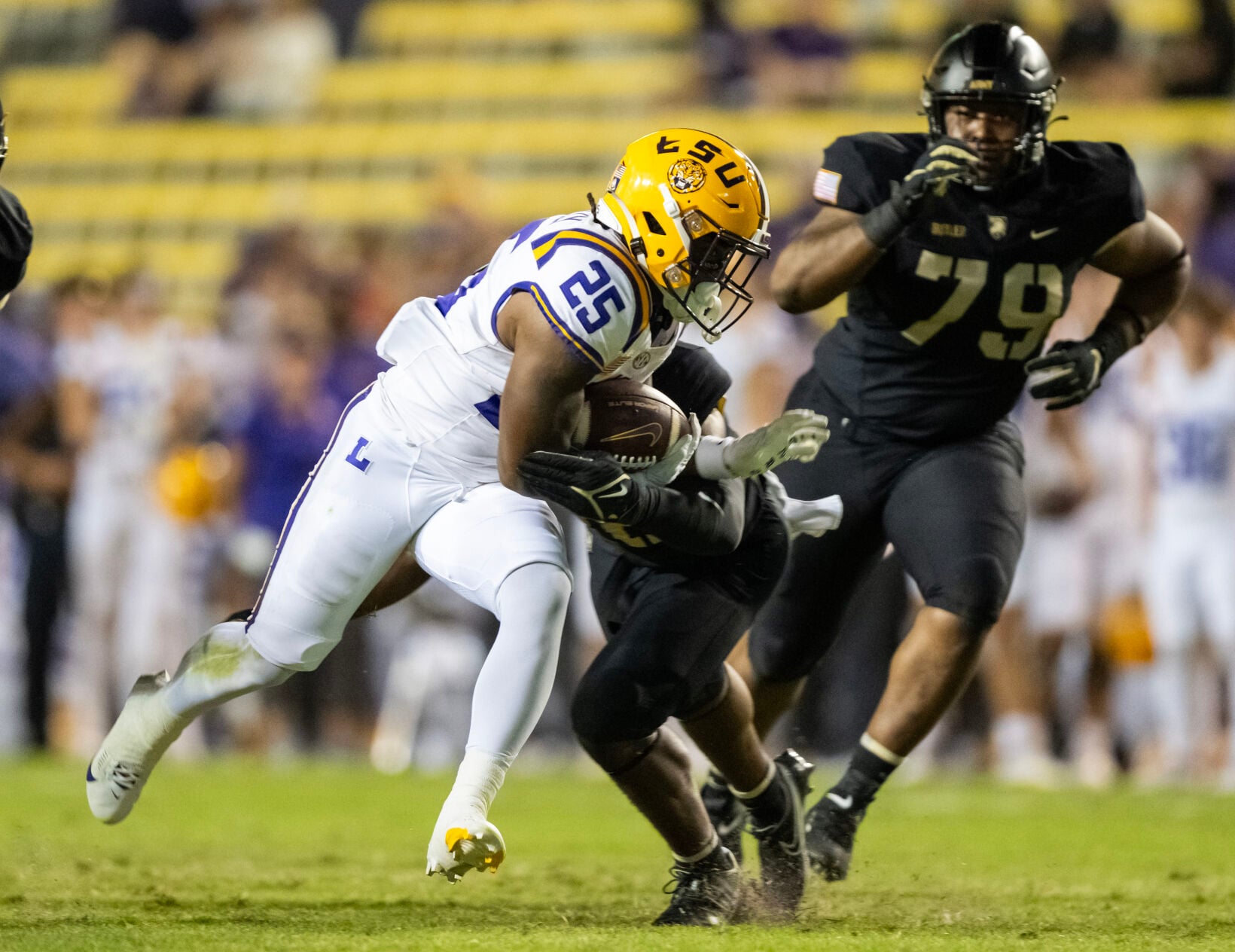
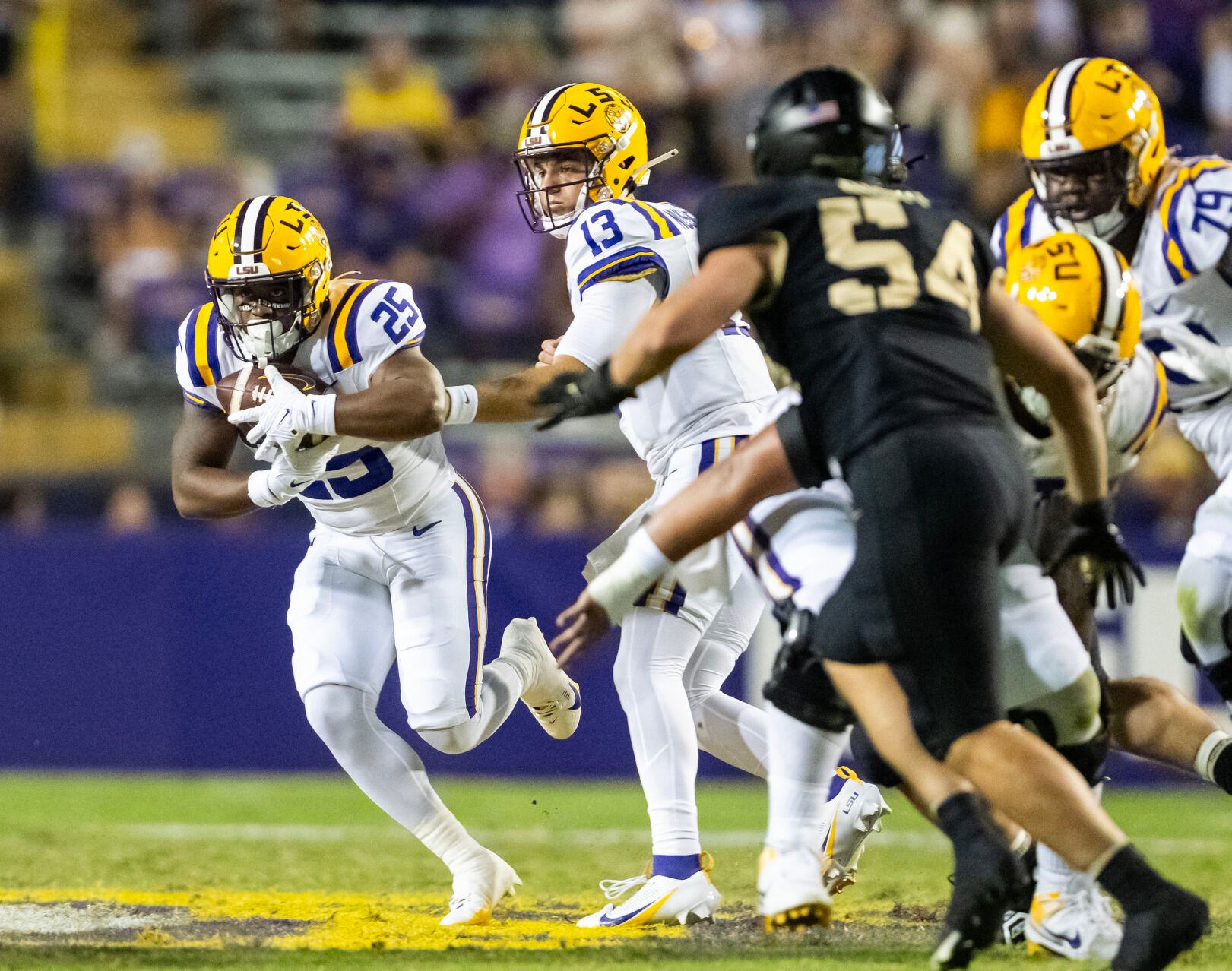
Before the legal incident, Trey Holly was considered one of the brightest rising stars in the LSU backfield. A native of Farmerville, Louisiana, Holly came to Baton Rouge as the state’s all-time leading rusher in high school history, having amassed over 10,000 yards during his tenure at Union Parish High School.
Suspension and Academic Status
Following the arrest, LSU Athletics released a statement confirming Holly’s indefinite suspension. The university’s protocol typically involves a standard review process by the Office of Student Advocacy and Accountability. Even after the murder charges were dropped, the remaining felony indictment for illegal use of a weapon prevented his immediate reinstatement.
As of the 2024 and 2025 seasons, Holly’s status remained "suspended," leaving a void in the LSU rushing attack. His absence forced the coaching staff to rely more heavily on other backs and reshuffled the depth chart during critical SEC matchups.
The Path to Reinstatement
Reinstatement to a major NCAA program like LSU after a felony indictment generally requires:
- Resolution of the Legal Case: A dismissal of charges, an acquittal, or the completion of a pre-trial diversion program.
- University Review: A hearing where the student-athlete presents their side of the story and demonstrates compliance with university values.
- Athletic Department Approval: Final sign-off from the Athletic Director and the Head Coach (Brian Kelly).
Key Timeline of Events
| Date | Event | Outcome/Significance |
|---|---|---|
| February 9, 2024 | Shooting at Union Villa Apartments | Two victims injured; investigation launched. |
| February 15, 2024 | Trey Holly surrenders to police | Arrested on attempted murder charges; $512k bond. |
| February 2024 | LSU issues indefinite suspension | Holly removed from all team activities. |
| April 2024 | Grand Jury Indictment | Murder charges dropped; indicted on illegal use of a weapon. |
| Late 2024 | Defense Discovery Phase | Legal team seeks evidence to dismiss the final charge. |
| 2025 | Judicial Proceedings | Ongoing litigation regarding the remaining felony count. |
Legal Defense Strategy: The "Mistaken Identity" Argument
Mike Small, Holly’s lead defense attorney, has been vocal about the lack of physical evidence linking Holly to the actual discharge of a firearm. The defense's strategy focused on several key pillars:
- Ballistics Testing: Analyzing shell casings and weapons recovered at the scene to see if they match any items associated with Holly.
- Witness Credibility: Challenging the statements of those who placed Holly at the center of the conflict, suggesting that his local fame may have led to a biased identification.
- Lack of Intent: Highlighting that the grand jury’s refusal to indict on murder charges supports the claim that Holly was not an active participant in an assassination attempt or a lethal assault.
For the defense, the goal has remained a total dismissal of all charges, which would be the fastest route for Holly to return to the football field and salvage his professional prospects for the NFL.
Frequently Asked Questions
Has Trey Holly been convicted of a crime?
As of the current legal proceedings, Trey Holly has not been convicted. He was indicted by a grand jury on one count of illegal use of a weapon, which is an accusation, not a finding of guilt. He maintains a presumption of innocence as the case moves toward trial or a plea agreement.
Can Trey Holly still play for LSU?
Currently, Trey Holly is under an indefinite suspension from the LSU football team. University policy generally prohibits athletes with active felony indictments from representing the school in athletic competition. His return is contingent upon the resolution of his legal case and a subsequent review by the university's disciplinary committee.
What happened to the other individuals arrested?
Jordan Gaskin and a 16-year-old juvenile were also arrested. Their legal paths have been handled separately. Gaskin faced similar charges, while the juvenile's case is handled through the Louisiana juvenile justice system, which typically keeps records and proceedings confidential.
What was the motive behind the shooting?
Official police reports cited an "ongoing dispute" at the apartment complex. However, no specific details regarding the nature of the dispute—whether it was personal, financial, or retaliatory—have been publicly confirmed by the Union Parish Sheriff’s Office.
How much prison time does Trey Holly face?
The current charge of illegal use of a weapon (LA Rev Stat § 14:94) carries a maximum penalty of two years of imprisonment, with or without hard labor, and a fine of up to $1,000. This is significantly less than the 10-to-50-year sentence associated with attempted second-degree murder.
Next Actions and Monitoring the Case
For those following the Trey Holly case, the next steps involve monitoring the Union Parish Clerk of Court for trial dates or motion hearings. The discovery process—where the defense receives evidence from the prosecution—is critical in determining if the remaining charge will hold up in court.
If you are a student or athlete facing similar legal hurdles, it is essential to:
- Retain specialized counsel familiar with both criminal law and NCAA/University disciplinary procedures.
- Adhere strictly to bond conditions, which often include travel restrictions or "no contact" orders with victims or co-defendants.
- Maintain academic eligibility, as university reinstatement often hinges on the student remaining in good standing with the registrar, regardless of their athletic status.
The resolution of this case will not only determine Trey Holly’s freedom but will also serve as a precedent for how high-profile student-athletes are treated within the Louisiana rural judicial districts versus the metropolitan university environment.
Image Gallery