How to Watch the Planet of the Apes Movie Series in Order
Watching the Planet of the Apes franchise requires choosing between two primary viewing paths: the chronological timeline of events within the universe and the theatrical release order that tracks how the special effects, narrative sco...
Watching the Planet of the Apes franchise requires choosing between two primary viewing paths: the chronological timeline of events within the universe and the theatrical release order that tracks how the special effects, narrative scope, and thematic depth evolved over more than five decades. Spanning ten feature films across two main eras—the original 20th Century Studios run beginning in 1968 and the modern reboot trilogy and continuation starting in 2011—the series explores complex socio-political themes, evolutionary science fiction, and the fragile relationship between humanity and nature.
Contents
Understanding the Franchise Architecture
The Planet of the Apes franchise is unique in cinematic history because it spans multiple generations of filmmaking technology, studio leadership, and storytelling conventions. Understanding how the series is structured helps viewers select the viewing order that best fits their cinematic preferences. The franchise is broadly divided into two major cycles:
- The Original Era (1968–1973): This foundational five-film run began with the adaptation of Pierre Boulle’s 1963 French novel La Planète des singes. It established the iconic iconography of the franchise, including prosthetic makeup designed by John Chambers, Jerry Goldsmith’s avant-garde musical scores, and a bleak, cyclical timeline involving time dilation and nuclear devastation.
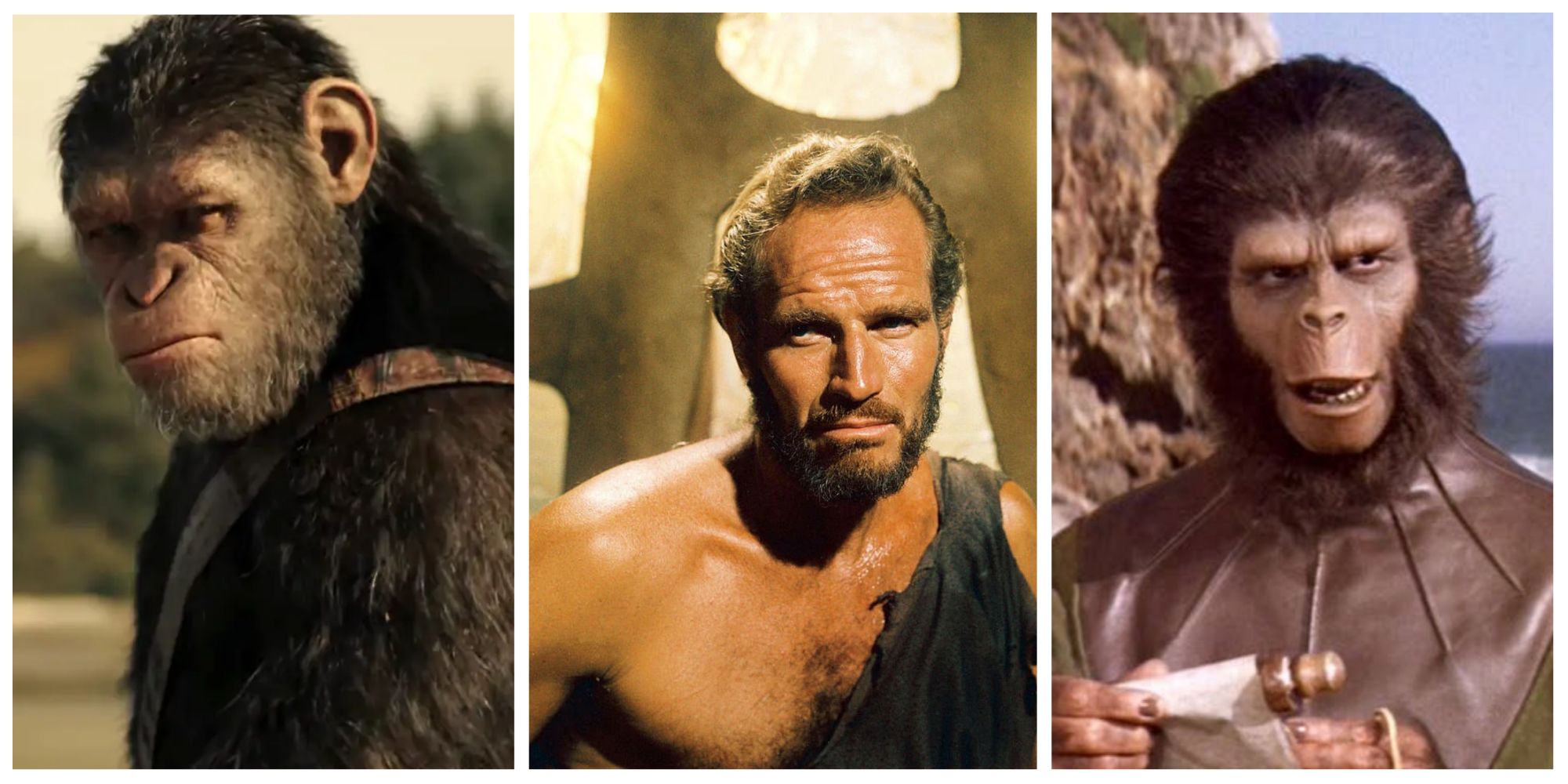
- The Modern Reboot Era (2011–Present): This contemporary cycle utilizes performance-capture technology pioneered by Weta Digital and actor Andy Serkis (and later continued by directors like Wes Ball). It serves as a prequel and expansion that details the exact scientific and societal collapse that led to ape dominance, anchoring the narrative through the perspective of Caesar, an intelligent chimpanzee raised by humans.
Choosing how to watch these films depends entirely on whether you prefer narrative continuity (chronological order) or witnessing the historical evolution of cinematic storytelling (release order). Both approaches offer distinct rewards for first-time viewers and franchise veterans alike.
Option 1: Chronological Order (Story Timeline)
If you want to experience the events of the franchise as they unfold within the internal history of the universe, chronological order is the ideal path. This sequence starts with the modern origin story, moves through the fall of human civilization, transitions into the classic 1970s timeline (which features complex time-travel loops), and culminates in the original 1968 masterpiece that sets up the ultimate status quo.
1. Rise of the Planet of the Apes (2011)
Directed by Rupert Wyatt, this film acts as the modern starting point. It follows Will Rodman, a scientist in San Francisco testing a viral gene therapy called ALZ-113 to cure Alzheimer's disease. The drug unexpectedly grants human-level intelligence to a chimpanzee named Caesar. The narrative explores corporate greed, animal testing, and the unintended consequences of playing God, ultimately showing how a viral pandemic (the Simian Flu) wipes out a significant portion of humanity while empowering apes.
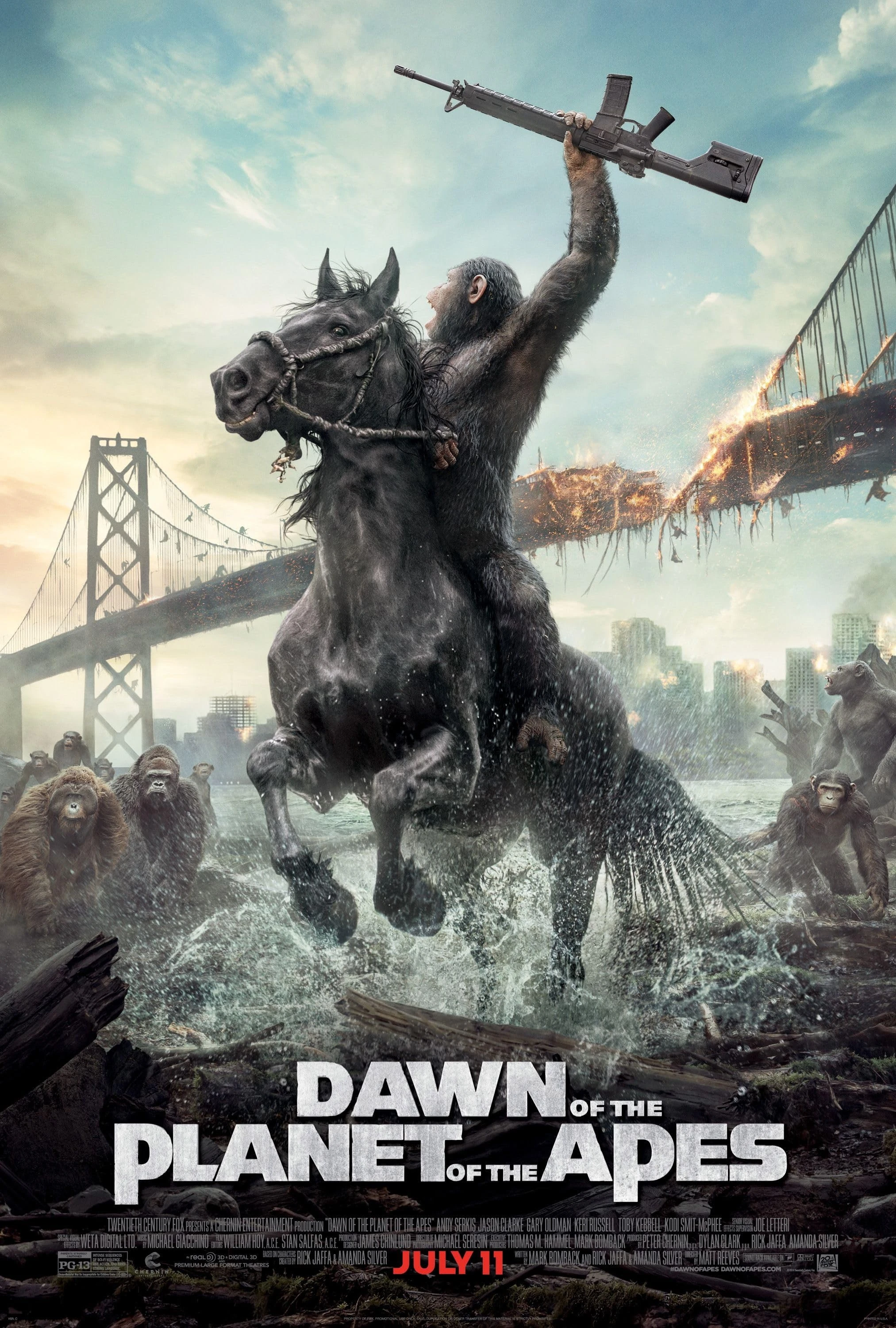
2. Dawn of the Planet of the Apes (2014)
Set ten years after the events of the first film, Matt Reeves directs this gritty post-apocalyptic drama. Human society has collapsed into small, struggling pockets of survivors, while Caesar has built a thriving ape community in the Muir Woods. The film centers on the fragile peace between the two species and the destructive forces—both human and ape—that conspire to shatter it, demonstrating how fear and misunderstanding drive civilizations toward war.
3. War for the Planet of the Apes (2017)
Also directed by Matt Reeves, this epic conclusion to the Caesar trilogy forces the apes into a brutal conflict with a fanatical human military faction led by the ruthless Colonel McCullough. The film leans heavily into classical western and biblical motifs, tracking Caesar’s internal struggle between his desire for vengeance and his responsibility to lead his people to a safe sanctuary.
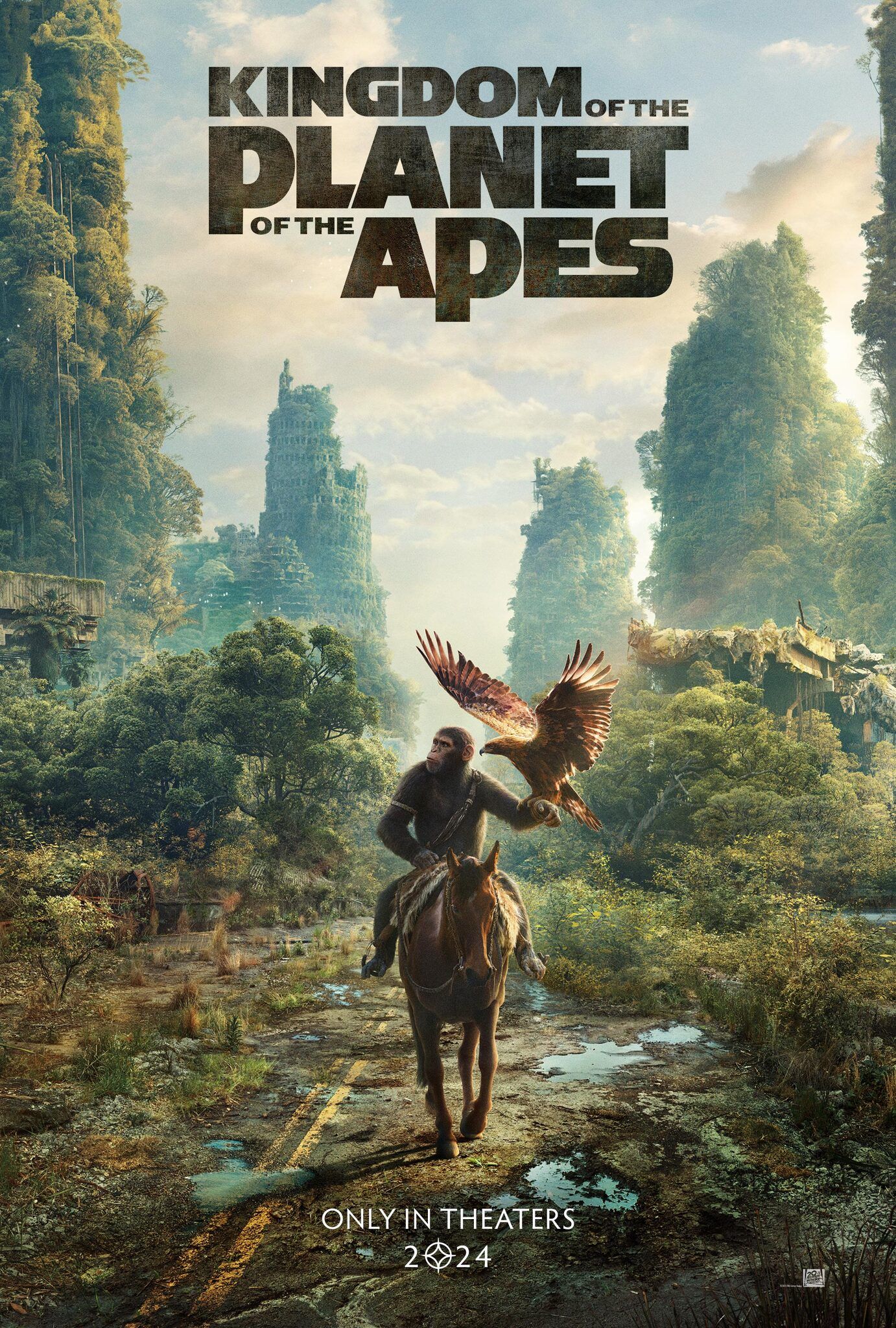
4. Kingdom of the Planet of the Apes (2024)
Directed by Wes Ball, this installment is set several generations after Caesar’s death. Ape societies have splintered, with some clans misinterpreting Caesar's teachings to subjugate others, while humans have regressed into a feral state. A young chimpanzee named Noa embarks on a journey that challenges his understanding of history, freedom, and the true legacy of the wise leader.
5. Planet of the Apes (1968)
Directed by Franklin J. Schaffner and starring Charlton Heston, this is the classic film that launched the phenomenon. Astronaut George Taylor and his crew crash-land on an unknown planet in the year 3978, where intelligent, speaking apes rule over mute, primitive humans. Watching this after the modern series provides a poignant dramatic irony, as the viewer knows the historical tragedy that turned Earth into this inverted wasteland.
6. Beneath the Planet of the Apes (1970)
Directed by Ted Post, this direct sequel follows a second rescue astronaut, Brent, who crash-lands while searching for Taylor. He discovers a subterranean city beneath the desolate surface of the Forbidden Zone, inhabited by telepathic mutant humans who worship an ancient doomsday nuclear weapon. The film escalates the conflict between the gorillas and the underground mutants, leading to an apocalyptic conclusion.
7. Escape from the Planet of the Apes (1971)
Directed by Don Taylor, this clever narrative pivot introduces time travel. Three chimpanzee scientists—Cornelius, Zira, and Dr. Milo—repair Taylor's sunken spaceship and travel backward in time to 1973 Los Angeles. Initially celebrated as scientific celebrities, they soon realize that their unborn child holds the key to humanity's eventual subjugation, setting off a tragic government conspiracy.
8. Conquest of the Planet of the Apes (1972)
Directed by J. Lee Thompson, this dark, politically charged entry is set in a dystopian 1991 where a lethal space virus has killed all cats and dogs, leading humans to domesticate and enslave apes as domestic servants. Caesar, the adult son of Cornelius and Zira, hides his identity until abuse pushes him to lead a violent uprising against his human masters.
9. Battle for the Planet of the Apes (1973)
Also directed by J. Lee Thompson, this final chapter of the original series attempts to forge a peaceful coexistence between humans and apes in a post-nuclear society. Caesar must defend his community from a militant gorilla faction led by General Aldo while grappling with the philosophical question of whether humanity is doomed to repeat its historical mistakes.
| Order Type | Best For | Included Films | Key Characteristic |
|---|---|---|---|
| Chronological | Narrative immersion & seeing the universe's history unfold | All 10 films (2011 reboot start to 1973 classic finish) | Builds up to the dramatic irony of the 1968 original. |
| Release Order | Appreciating cinematic history, special effects evolution, and original cultural impact | All 10 films (1968 original start to 2024 continuation) | Shows how filmmaking technology and thematic tones evolved over decades. |
Option 2: Theatrical Release Order
Watching the franchise in the order the films were released in theaters is the preferred method for film historians and long-time fans. This approach allows you to witness how studio filmmaking, practical makeup effects, CGI, and sociopolitical commentary shifted from the Cold War era of the late 1960s and 1970s into the prestige blockbuster era of the 21st century.
1. Planet of the Apes (1968)
Beginning here introduces you to the mystery, world-building, and legendary twist ending without any prior context. You experience the shock of the discovery alongside the original audiences.
2. Beneath the Planet of the Apes (1970)
This continuation picks up immediately where the first film left off, diving deeper into the mythos and concluding the initial narrative arc in a definitive manner.
3. Escape from the Planet of the Apes (1971)
Shifting the tone into a modern-day satirical comedy-drama before turning tragic, this film reverses the perspective by placing the apes in human society.
4. Conquest of the Planet of the Apes (1972)
Reflecting the civil rights struggles and urban unrest of the early 1970s, this gritty entry introduces the revolutionary origin of Caesar.
5. Battle for the Planet of the Apes (1973)
Concluding the original run, this film provides a philosophical wrap-up to the 1970s saga before the franchise went on a multi-decade hiatus.
6. Planet of the Apes (2001)
Directed by Tim Burton, this big-budget remake exists outside the main continuity. While it features impressive makeup design by Rick Baker and a distinct aesthetic, it is generally treated as a standalone alternate-universe experiment rather than a mandatory piece of the broader narrative timeline. It is best watched as an optional side-story after completing the core classics.
7. Rise of the Planet of the Apes (2011)
The triumphant return of the franchise that revitalized the property with state-of-the-art performance capture.
8. Dawn of the Planet of the Apes (2014)
A critically acclaimed expansion that deepens the philosophical conflict between species.
9. War for the Planet of the Apes (2017)
The emotional climax of Caesar's story arc.
10. Kingdom of the Planet of the Apes (2024)
The latest expansion that opens up a new chapter for the franchise's future.
Frequently Asked Questions
Can I skip the original 1970s movies and just watch the modern reboot trilogy?
Yes, you can watch Rise, Dawn, and War for the Planet of the Apes as a complete, standalone modern trilogy without watching the 1968 original series. They were specifically designed to be accessible to new audiences while serving as a prequel to the broader universe. However, watching the 1968 original afterward enriches your appreciation of the overarching mythos.
Where does Tim Burton’s 2001 Planet of the Apes fit in?
Tim Burton's 2001 film is a loose remake rather than a prequel or sequel, and it operates in its own separate timeline with a completely different ending. It is not connected to either the 1970s continuity or the 2011 reboot series, making it entirely optional viewing for completionists.
Do I need to watch the films in order to understand Kingdom of the Planet of the Apes?
While Kingdom of the Planet of the Apes is set generations after Caesar's death and introduces a new cast of characters, it builds directly upon the lore, themes, and mythology established in the 2011–2017 reboot trilogy. Watching Rise, Dawn, and War first provides essential context for understanding why the apes revere Caesar and how their society reached its current state.
What is the best order for a first-time viewer?
For most modern viewers, the chronological order starting with Rise of the Planet of the Apes (2011), proceeding through the modern films, and then watching the 1968 classic (Planet of the Apes) provides the smoothest narrative transition. This path bridges contemporary visual effects standards with the foundational roots of the franchise. Alternatively, purists who enjoy classic 1960s and 1970s cinema often prefer starting directly with the 1968 original.
Conclusion and Next Actions
Deciding how to approach the Planet of the Apes series comes down to personal taste in cinematic pacing and storytelling style. If you prefer modern filmmaking techniques and a clear, character-driven origin story, begin with the 2011 reboot Rise of the Planet of the Apes and proceed chronologically. If you want to experience the franchise the way generations of moviegoers did, start with the 1968 classic and follow the theatrical release path. To get started, check your preferred streaming platform or digital storefront to verify availability for the specific film that matches your chosen viewing sequence.
Image Gallery