The Most On-Time Airline in 2023: A Comprehensive Analysis of Global Aviation Reliability
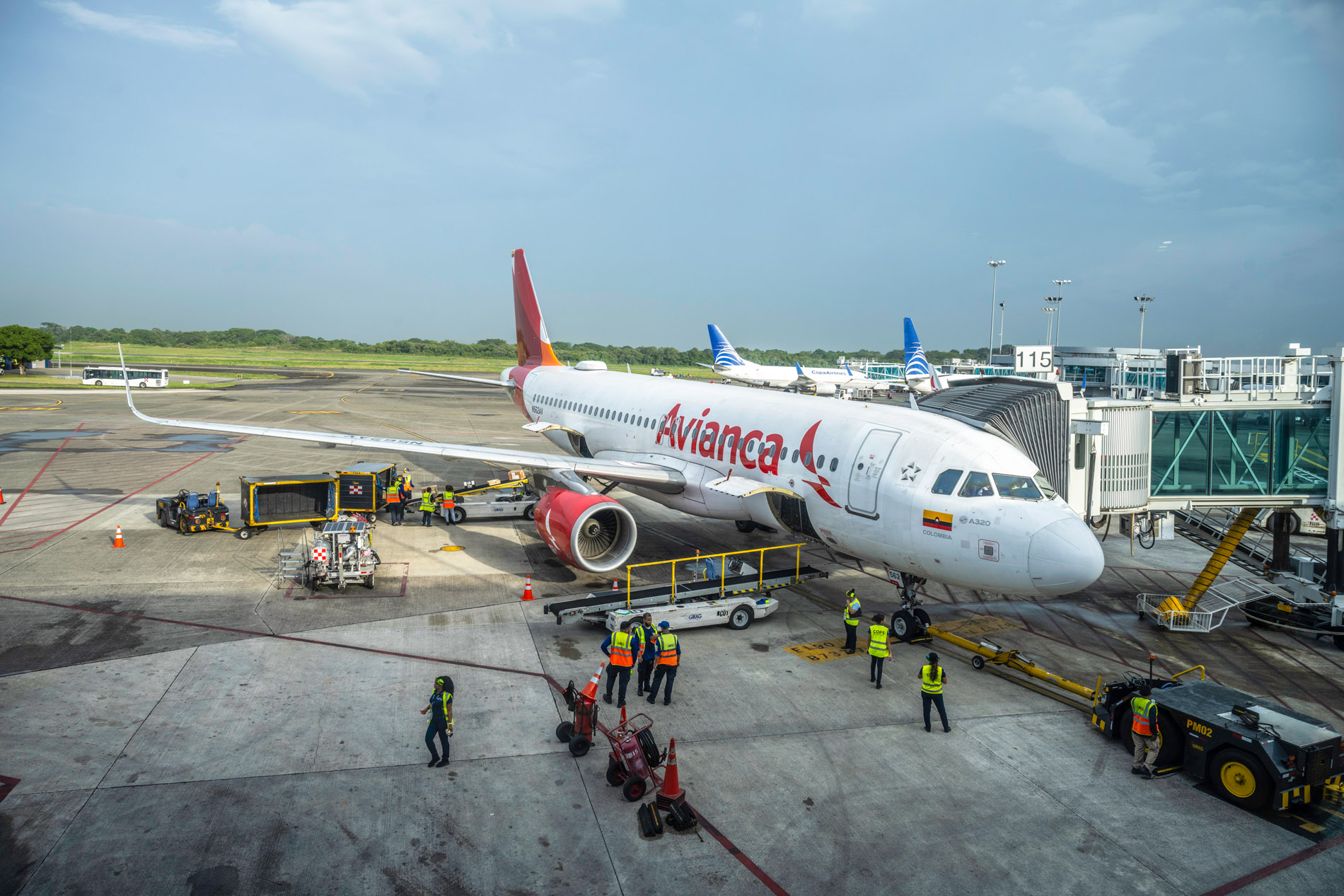
In 2023, Avianca (AV) was the most on-time global airline, achieving a top-tier On-Time Performance (OTP) rate of 85.73%. In North America, Delta Air Lines led the field with an 84.72% OTP, while Copa Airlines secured the highest overa...
In 2023, Avianca (AV) was the most on-time global airline, achieving a top-tier On-Time Performance (OTP) rate of 85.73%. In North America, Delta Air Lines led the field with an 84.72% OTP, while Copa Airlines secured the highest overall regional performance worldwide with a remarkable 89.46% of flights arriving on schedule.
Contents
The aviation industry uses On-Time Performance (OTP) as the ultimate barometer for operational health. For travelers, an "on-time" flight is the difference between a seamless connection and a stressful night at an airport hotel. For airlines, it is a complex mathematical balancing act involving crew scheduling, aircraft maintenance, ground handling, and weather mitigation. As we look back from 2026, the benchmarks set in 2023 remain pivotal for understanding how the global aviation network recovered its stability following years of post-pandemic disruption.
The Global Leaders of 2023: Defining Operational Excellence
The primary authority on aviation data, Cirium, defines a "global airline" as a carrier that serves at least three regions daily and ranks in the top 10% of all airlines in terms of capacity (Available Seat Kilometers). This distinction is vital because maintaining a high OTP is significantly more difficult for a massive, multi-continental carrier than for a smaller regional operator.
Avianca: The 2023 Global Winner
Avianca’s rise to the top spot in 2023 surprised many industry analysts. The Colombian carrier underwent a significant transformation following its Chapter 11 restructuring. By shifting toward a more point-to-point model and simplifying its fleet, Avianca reduced the "cascading delay" effect that often plagues hub-and-spoke carriers. Its 85.73% OTP score was a testament to its modernized operational control centers and improved turnaround times at its primary hub in Bogotá (BOG).
Delta Air Lines: The Platinum Standard
While Avianca took the top spot for raw OTP percentage in the global category, Delta Air Lines was awarded the Cirium Platinum Award for Global Operational Excellence for the third consecutive year. This award considers more than just the arrival time; it factors in the complexity of the operation, the number of flights, and the ability to limit the impact of disruptions on passengers. Delta’s performance—84.72% on-time across more than 1.6 million flights—demonstrated a level of scale and reliability that few other carriers could match.
Regional Breakdown: Who Led the Markets?
Airlines operate in vastly different environments. A carrier in the Middle East deals with different challenges than one in the congested North Atlantic corridors. To provide a fair comparison, performance is categorized by geographic region.
North America: The Competitive Landscape
North American carriers faced significant challenges in 2023, including aging Air Traffic Control (ATC) infrastructure and increased weather volatility.
- Delta Air Lines (84.72%): Secured the top spot through heavy investment in predictive maintenance and staffing.
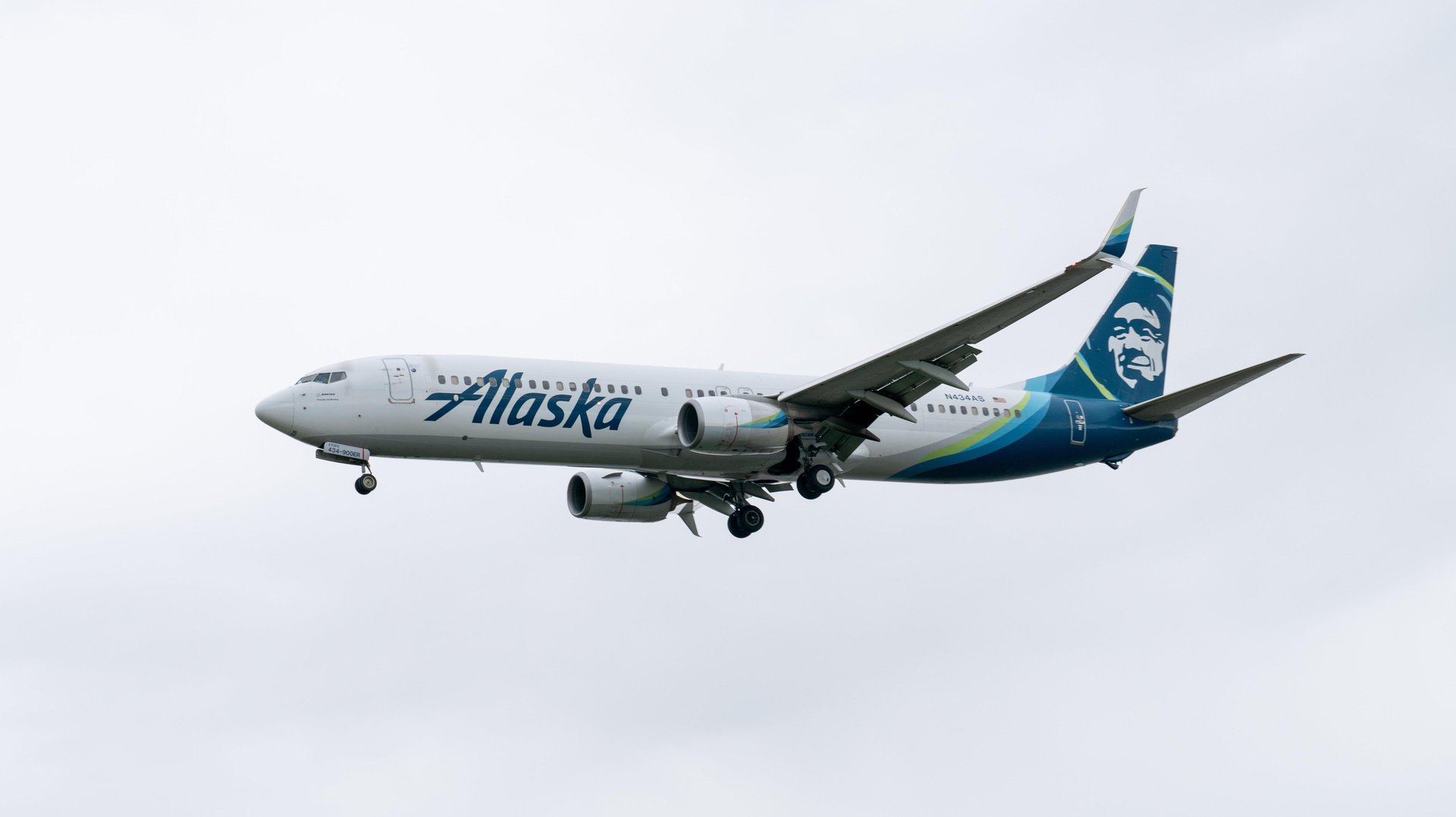
- Alaska Airlines (82.25%): Consistently a top performer, Alaska benefited from its dominant position in the Pacific Northwest, though it faced seasonal winter challenges.
- American Airlines (80.61%): American showed steady improvement, focusing on "recovery" operations to ensure that if a delay occurred, it did not ruin the subsequent flights for that aircraft.
Europe: Precision Amidst Congestion
European airspace is some of the most congested in the world. In 2023, European carriers were also impacted by localized strikes and the continued closure of Ukrainian and Russian airspace.
- Iberia Express (84.58%): This low-cost subsidiary of Iberia took the top spot for Europe. Being a smaller, more focused operator allowed it to pivot quickly during ATC delays.
- Iberia (Mainline) (84.38%): Iberia’s commitment to its Madrid hub operations ensured it remained the most reliable legacy carrier in the region.
- Austrian Airlines (82.99%): Austrian benefited from the efficient infrastructure at Vienna International Airport.
Asia-Pacific: The Return of Efficiency
With the region fully reopened in 2023, Asian carriers returned to their traditional high standards of punctuality.
- ANA (All Nippon Airways) (82.75%): Japanese carriers are synonymous with precision. ANA’s performance was supported by Japan’s world-class airport ground handling.
- Japan Airlines (JAL) (82.58%): JAL trailed ANA by a razor-thin margin, maintaining its reputation for elite-level reliability.
- Thai AirAsia (82.52%): Leading the low-cost sector in Asia, Thai AirAsia focused on aggressive turnaround times to keep its fleet moving.
Latin America and the Middle East
- Copa Airlines (89.46%): Based in Panama, Copa achieved the highest score of any airline tracked globally in 2023. Their "Hub of the Americas" model is built on high-frequency, timed connections that rely on nearly perfect punctuality.
- Oman Air (92.53%): In the Middle East and Africa category, Oman Air achieved a staggering 92.53% OTP. While smaller than its neighbors (Emirates or Qatar Airways), its operational focus was unmatched in 2023.
2023 Top 10 Global Airlines by On-Time Performance
The following table outlines the top performers in the "Global" category, highlighting the narrow margins between the world's most reliable carriers.
| Rank | Airline | Region | On-Time Performance (OTP) | Total Flights Tracked |
|---|---|---|---|---|
| 1 | Avianca | Latin America | 85.73% | 213,039 |
| 2 | Azul Brazilian Airlines | Latin America | 85.51% | 310,972 |
| 3 | Qatar Airways | Middle East | 85.11% | 183,090 |
| 4 | Delta Air Lines | North America | 84.72% | 1,635,486 |
| 5 | Iberia | Europe | 84.38% | 170,750 |
| 6 | LATAM Airlines | Latin America | 84.00% | 508,722 |
| 7 | ANA (All Nippon Airways) | Asia-Pacific | 82.75% | 302,279 |
| 8 | Japan Airlines (JAL) | Asia-Pacific | 82.58% | 304,865 |
| 9 | Segunda (Saudi Arabian) | Middle East | 81.29% | 174,256 |
| 10 | American Airlines | North America | 80.61% | 1,998,844 |
Data Source: Cirium 2023 On-Time Performance Review.
Technical Specifications: How is "On-Time" Measured?
The aviation industry adheres to strict international standards to ensure data transparency. The standard metric is A14—Arrival within 14 minutes and 59 seconds of the scheduled gate arrival time.
The A14 and D15 Metrics
- A14 (Arrival): If a flight is scheduled to land at 12:00 PM, it is considered "on-time" if it reaches the gate by 12:14:59 PM.
- D15 (Departure): Similarly, a departure is on-time if the aircraft pushes back from the gate within 15 minutes of the scheduled time.
Why the 15-Minute Buffer?
The 15-minute window accounts for variables beyond an airline’s immediate control, such as minor taxiway congestion or short-duration ground holds. However, for a high-performing airline, every second matters. Large carriers like Delta or American use sophisticated AI software to predict how a 5-minute delay in a morning flight in Boston might impact a late-afternoon flight in Dallas, allowing them to swap aircraft or crews proactively.
Data Sources and Verification
On-time performance is not self-reported in a vacuum. Organizations like Cirium and the U.S. Bureau of Transportation Statistics aggregate data from multiple sources:
- ADS-B (Automatic Dependent Surveillance-Broadcast): Satellite-based tracking of aircraft positions.
- GDS (Global Distribution Systems): Real-time flight status updates used by travel agents and airports.
- Airport Authorities: Official gate-in and gate-out times recorded by airport ground systems.
Factors That Influence Airline Reliability
Understanding why one airline is more on-time than another requires looking beneath the surface of the statistics.
Hub Congestion vs. Point-to-Point
Airlines like Copa or Delta operate massive hubs. In a hub-and-spoke system, one late arriving flight can delay dozens of connecting passengers and the next departure for that aircraft. Conversely, "point-to-point" carriers (often low-cost carriers) fly simpler routes that are easier to keep on schedule, provided the airport is not congested.
Block Time Padding
"Block time" is the total time from gate-to-gate. Some airlines "pad" their schedules, adding 15–20 minutes of extra time to the flight duration. If a flight usually takes 2 hours, they might schedule it for 2 hours and 20 minutes. This increases their OTP on paper, but it also increases costs because they must pay crews for that scheduled time and reduce the number of flights an aircraft can perform in a day.
Maintenance and Fleet Age
Modern aircraft like the Airbus A350 or Boeing 787 have advanced onboard diagnostics that alert maintenance crews to issues before they cause a delay. Airlines with younger fleets often have higher reliability. However, as we have observed in 2026, the 2023 performance was also influenced by the quality of an airline’s "spare" aircraft strategy—having backup planes ready to step in when mechanical issues arise.
Practical Recommendations for Travelers
While 2023 data provides a historical benchmark, the lessons apply to travel planning today. If you are prioritizing reliability, consider the following actions:
- Prioritize Early Morning Flights: Data across all years shows that the first flight of the day (the "originator") is statistically the most likely to be on time because the aircraft is already at the airport and there are fewer cascading delays from earlier in the day.
- Check the Specific Flight History: Reliable tools now allow you to check the specific OTP of a flight number over the last 60 days. An airline might be on-time globally, but a specific route (like JFK to LHR) might be chronically delayed due to airport congestion.
- Consider the Hub: If you have a tight connection, choose hubs known for efficiency. In 2023, Madrid (MAD), Minneapolis (MSP), and Panama City (PTY) were among the most efficient transit points.
- Understand the "Why" of Delays: If a delay occurs, check if it is "Carrier Caused" (maintenance/staffing) or "Weather/ATC Caused." Under many jurisdictions, including the EU (EC 261/2004) and recent US Department of Transportation mandates, you are entitled to specific compensation or refunds if the airline is at fault.
Frequently Asked Questions
Which airline was the most on-time in the world in 2023?
Avianca was the most on-time global airline in 2023 with an 85.73% OTP. However, Copa Airlines held the highest regional percentage at 89.46%, and Oman Air recorded an even higher 92.53% in the Middle East and Africa category.
Why is Delta Air Lines always ranked so high?
Delta invests heavily in its operational infrastructure, including its own proprietary weather tracking and crew management software. Its "Platinum Award" reflects not just its percentage, but its ability to maintain that percentage across a massive, complex network of over 1.6 million flights.
Does a high on-time rating mean a better passenger experience?
Not necessarily. OTP measures punctuality, not seat comfort, meal quality, or customer service. However, punctuality is often highly correlated with overall customer satisfaction because it reduces the stress of missed connections and lost luggage.
How does weather affect these rankings?
Weather is the single largest external factor in delays. Airlines based in regions with stable weather (like the Middle East or Panama) often have an inherent advantage over airlines based in regions with severe winters (like Canada) or hurricane seasons (like the Southeast US). Rankings often adjust for this by comparing airlines within the same geographic region.
Are low-cost carriers less on-time than legacy carriers?
Not always. In 2023, low-cost carriers like Iberia Express and Thai AirAsia outperformed many legacy carriers. Their simpler point-to-point business models and focus on quick turnarounds can lead to excellent punctuality.
Image Gallery