When Was Koko the Gorilla Born? The Life and Legacy of Hanabiko
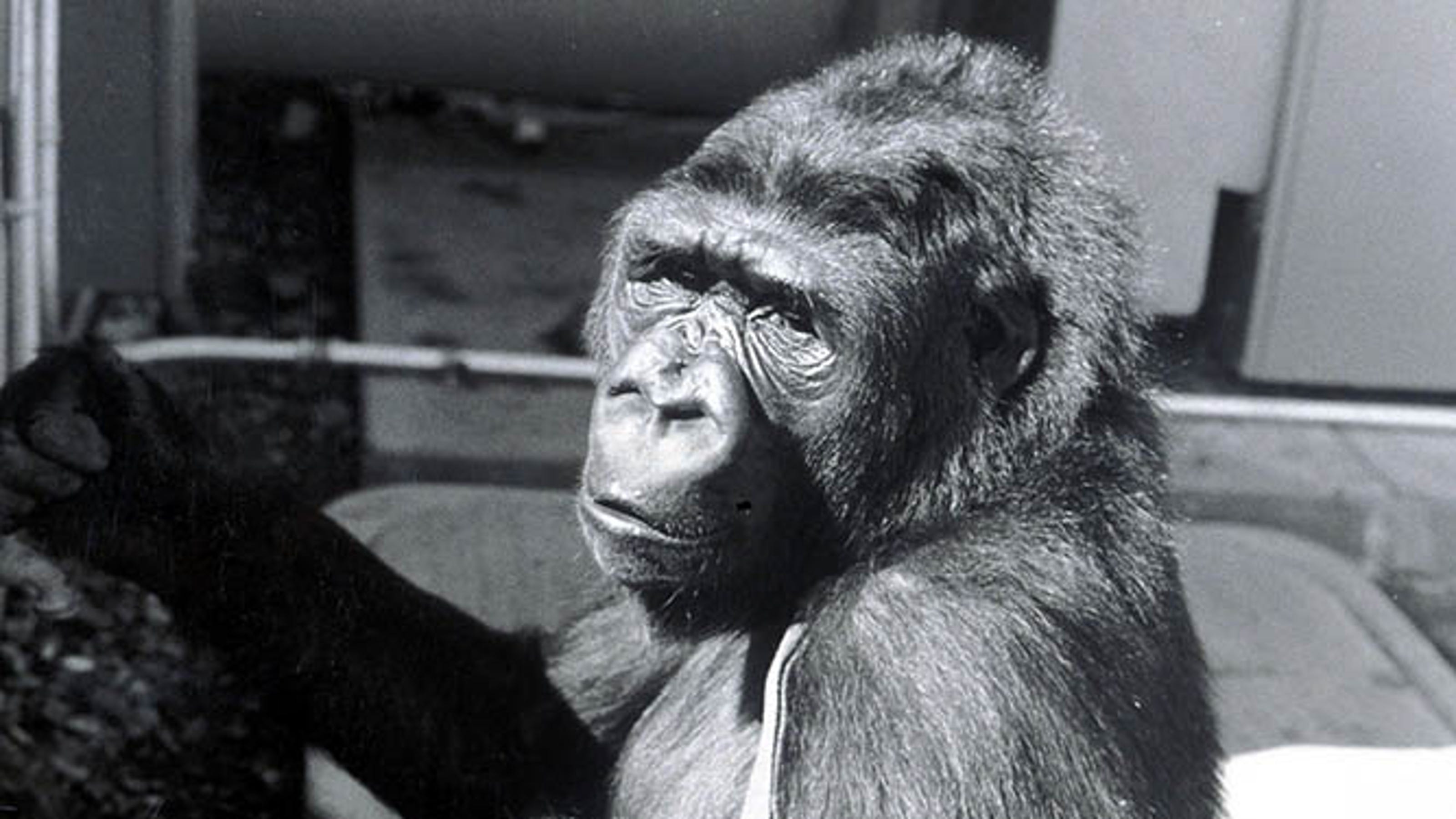
Koko the gorilla was born on July 4, 1971, at the San Francisco Zoo. Known formally as Hanabiko, which translates to "Fireworks Child" in Japanese, Koko became the world’s most famous Western lowland gorilla due to her extraordinary ab...
Koko the gorilla was born on July 4, 1971, at the San Francisco Zoo. Known formally as Hanabiko, which translates to "Fireworks Child" in Japanese, Koko became the world’s most famous Western lowland gorilla due to her extraordinary ability to communicate using American Sign Language (ASL).
Contents
Koko’s birth marked the beginning of a journey that would fundamentally change how humans perceive animal intelligence, emotional depth, and the capacity for interspecies communication. As of 2026, her legacy continues to influence the fields of primatology, linguistics, and animal rights, reminding us of the thin veil that often separates human and non-human primate behavior.
The Birth of Hanabiko: Independence Day, 1971
Koko was born to mother Jacqueline and father Bwana at the San Francisco Zoo. Because she arrived on the Fourth of July, she was given the name Hanabiko, a name chosen to reflect the celebratory fireworks of the American holiday. However, her early life was fraught with health challenges. As an infant, she suffered from a severe case of malnutrition and various intestinal issues, which necessitated her being moved to the zoo’s nursery for intensive medical care.
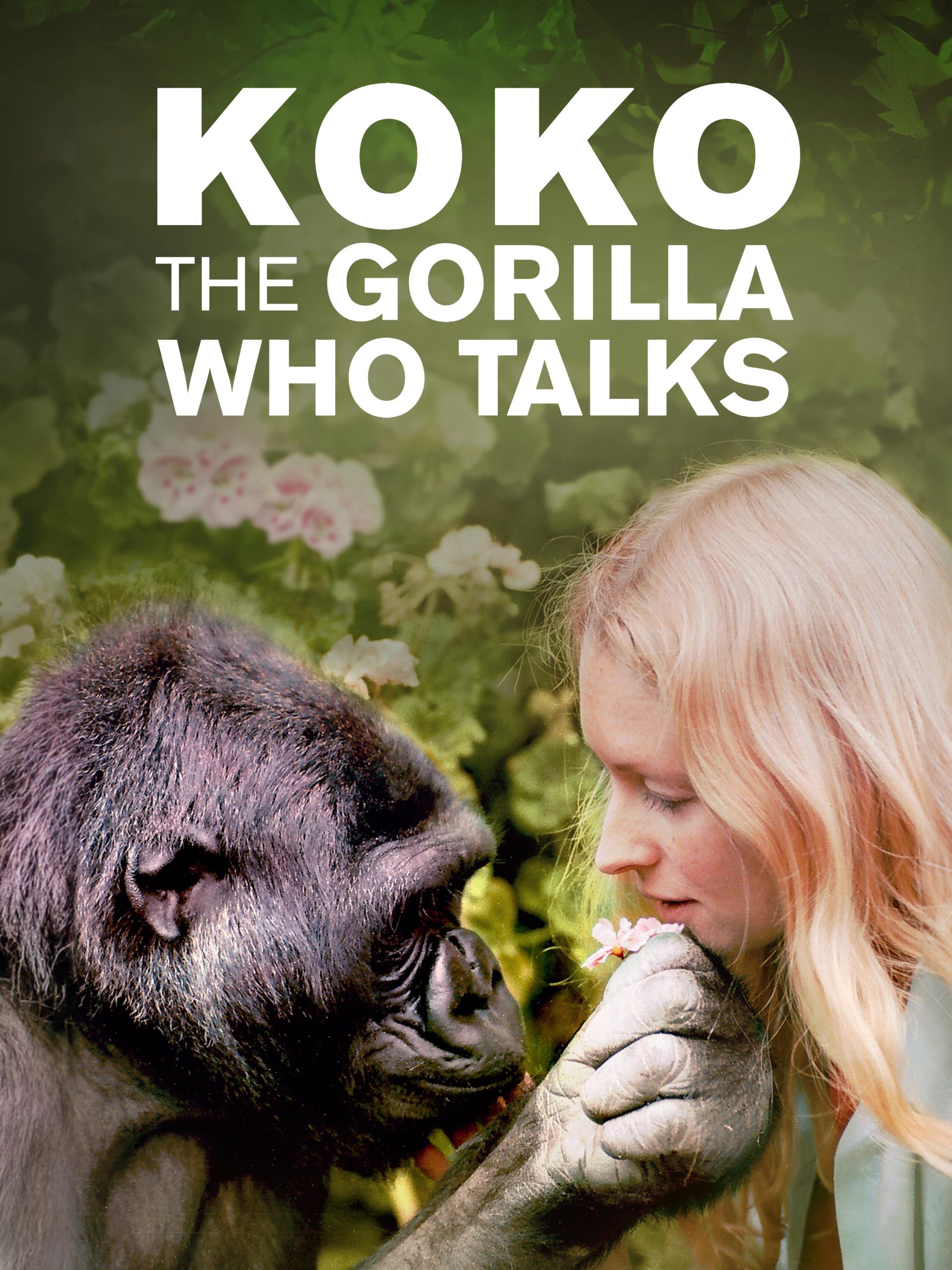
It was during this period of recovery that she met Dr. Francine "Penny" Patterson, a developmental psychology graduate student at Stanford University. Patterson was interested in exploring whether a non-human primate could acquire language in a manner similar to human children. What began as a doctoral project evolved into a lifelong partnership and the longest-running interspecies communication study in history.
The Western Lowland Gorilla Context
To understand Koko’s significance, one must understand her species. The Western lowland gorilla (Gorilla gorilla gorilla) is a subspecies of the Western gorilla that inhabits the montane, primary, and secondary forests and lowland swamps of central Africa. In 1971, the scientific community’s understanding of gorilla social structures and cognitive abilities was still emerging. Koko’s birth in captivity provided a unique, albeit controversial, opportunity to observe these traits up close under a controlled research environment.
The Start of Project Koko
In 1972, Dr. Patterson received permission from the San Francisco Zoo to work with Koko for her Ph.D. research. The project, officially titled Project Koko, was modeled after earlier linguistic studies with chimpanzees, such as Washoe. However, Patterson intended to go further by documenting the nuances of gorilla communication over a much longer timeframe.
Initially, the project focused on basic needs and object identification. Using a modified version of American Sign Language, which Patterson dubbed Gorilla Sign Language (GSL), Koko began to learn signs for "eat," "drink," and "more." By the age of five, Koko had moved from the zoo to a mobile trailer on the Stanford University campus, where the research intensified.
Methodology and Acquisition
The teaching method relied heavily on "molding," where the researcher would physically move the gorilla’s hands into the correct sign positions while exposing her to the object or action. Unlike many other primates in language studies, Koko showed a remarkable aptitude for "over-generalization"—using a sign she knew to describe a new object that shared similar characteristics. For example, she once used the sign for "ring" to describe a bracelet, demonstrating an understanding of the concept of "jewelry for a limb" rather than just rote memorization.
Mastery of Language: Signs and Understanding
By the time she reached adulthood, Koko’s linguistic repertoire was staggering. While scientific skeptics often debated the depth of her understanding, the sheer volume of her communication was undeniable.
- Sign Vocabulary: Koko learned over 1,000 signs in GSL.
- Spoken English Comprehension: She was estimated to understand more than 2,000 words of spoken English.
- Novel Phrases: Koko frequently combined known signs to create new descriptions. She famously called a ring a "finger necklace" and a mask an "eye hat."
This level of communication allowed Koko to express not just physical needs, but complex internal states. She could sign about her feelings, her dreams, and even past events, which suggested a level of temporal displacement—the ability to talk about things not currently present—that many linguists believed was unique to humans.
Life at The Gorilla Foundation
In 1979, Koko and Project Koko moved to a permanent facility in Woodside, California, under the care of The Gorilla Foundation. This non-profit organization was established by Patterson and Dr. Ronald Cohn to provide a lifelong sanctuary for Koko and to continue the research.
The Woodside facility allowed Koko to live in a more naturalistic, albeit private, environment. She was eventually joined by a male gorilla named Michael, who also learned to sign, and later by Ndume. The interactions between Koko and Michael were particularly significant, as they were observed signing to one another without human prompting, suggesting that GSL had become a functional tool for their own social interactions.
The "All Ball" Phenomenon and Emotional Intelligence
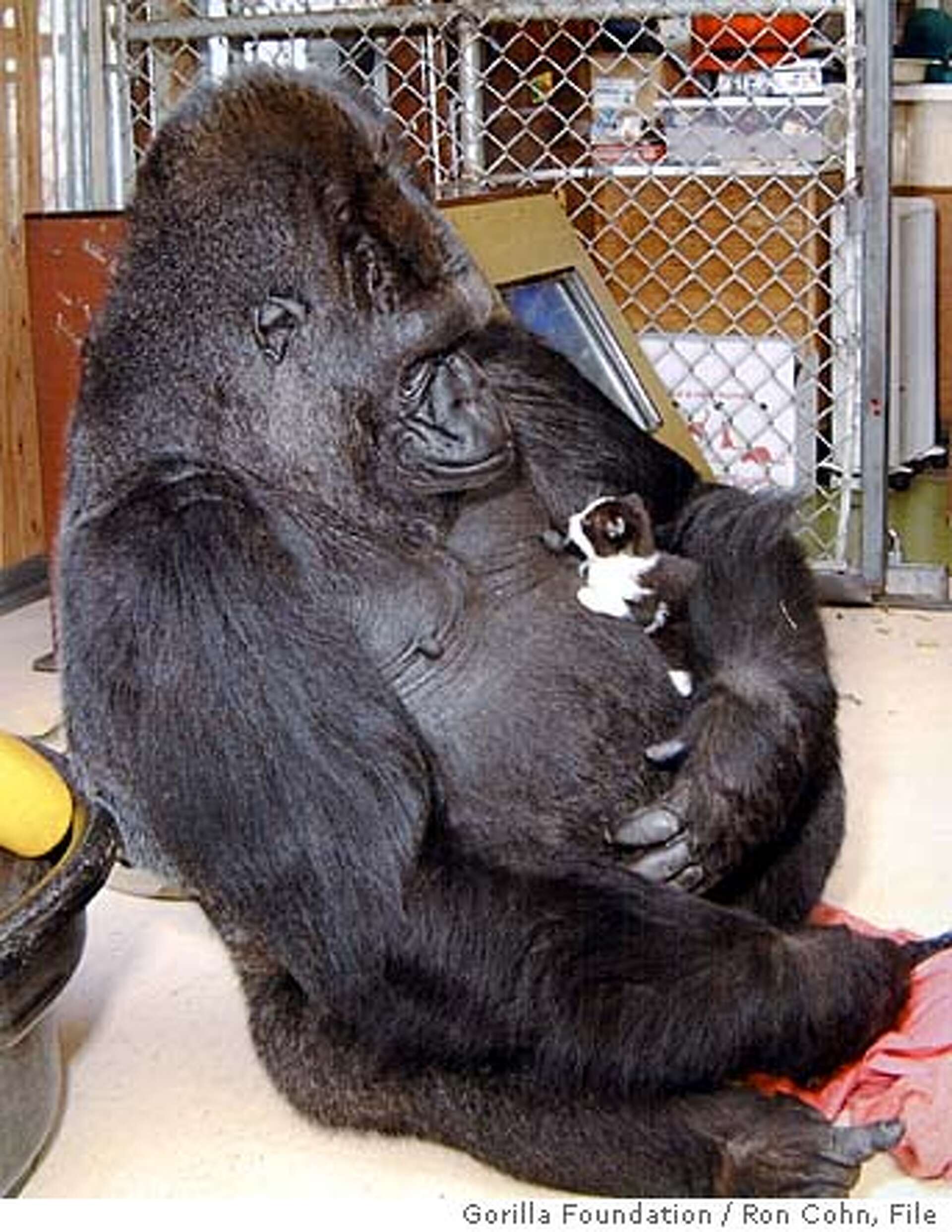
Perhaps the most famous aspect of Koko’s life was her relationship with her kittens. In 1984, for her birthday, Koko requested a cat. When she was dissatisfied with a toy replacement, she was allowed to choose a kitten from a litter. She chose a gray tailless Manx and named him All Ball.
The relationship between the 300-pound gorilla and the tiny kitten captivated the world. Koko treated All Ball with extreme gentleness, often cradling him and attempting to nurse him. When All Ball was tragically killed by a car after escaping the enclosure, Koko’s reaction provided profound evidence of animal grief. She signed "Cry, sad, frown" and was recorded making hooting sounds associated with gorilla mourning. This event humanized Koko for millions of people and sparked global conversations about animal sentience.
Scientific Debates and Critical Analysis
Despite her fame, Koko’s linguistic abilities were frequently scrutinized by the scientific community. Critics like Herbert Terrace, who led the "Project Nim" study with a chimpanzee named Nim Chimpsky, argued that primates in these studies were not actually using language.
The Clever Hans Effect
The primary criticism was the "Clever Hans" effect—the idea that Koko was merely responding to subtle, unconscious physical cues from Dr. Patterson rather than truly signing. Skeptics pointed out that:
- Interpretation Bias: Researchers might interpret ambiguous hand movements as specific signs because they wanted the project to succeed.
- Syntax Absence: While Koko could use words, she rarely demonstrated a grasp of complex grammar or syntax, which are the hallmarks of true human language.
- Lack of Peer Review: Much of the data from Project Koko was released through documentaries and popular media rather than rigorous, peer-reviewed scientific journals.
Regardless of these criticisms, Koko’s supporters argued that the depth of her emotional responses and her creative use of signs pointed toward a cognitive reality that could not be dismissed as mere mimicry.
Koko’s Life Stages and Key Milestones
The following table outlines the major periods and events in Koko’s life, from her birth in 1971 to her passing in 2018.
| Period/Year | Milestone | Significance |
|---|---|---|
| July 4, 1971 | Birth at San Francisco Zoo | Born as "Hanabiko" to parents Bwana and Jacqueline. |
| 1972 | Project Koko begins | Dr. Penny Patterson begins teaching Koko ASL. |
| 1974 | Move to Stanford | Koko relocates to a mobile lab on the Stanford campus. |
| 1976 | The Gorilla Foundation | Established to support long-term care and research. |
| 1979 | Relocation to Woodside | Permanent sanctuary established for Koko and Michael. |
| 1984 | All Ball the Kitten | Koko’s first kitten; demonstrates complex grief and empathy. |
| 1998 | First Internet Chat | Koko "talks" to the world via an AOL live chat event. |
| 2001 | Meeting Robin Williams | A famous interaction showcasing her humor and warmth. |
| June 19, 2018 | Death | Koko passes away peacefully in her sleep at age 46. |
The Legacy of the "Fireworks Child"
Koko passed away on June 19, 2018, at the age of 46. Her death was met with a global outpouring of grief. While 46 is a standard lifespan for a gorilla in captivity, the loss felt personal to the millions of people who had followed her story through National Geographic specials and books like Koko's Kitten.
The Gorilla Foundation continues its work today, focusing on the conservation of wild gorillas and the maintenance of the vast archive of data collected during Koko's life. Koko served as an ambassador for her species, highlighting the devastating impact of the bushmeat trade and habitat loss in Africa.
Beyond conservation, Koko changed the field of cognitive ethology. She proved that the "human" traits of humor, mourning, and self-awareness are likely part of a broader primate spectrum. Her ability to sign "fine" when asked how she was, even during periods of illness, or to scold her caregivers by signing "you dirty bad toilet," showed a personality that was as distinct and vibrant as any human’s.
Frequently Asked Questions
Did Koko really understand what she was signing?
While there is ongoing scientific debate, Koko demonstrated signs of understanding through the context-appropriate use of words and her ability to invent new terms for objects she didn't have signs for. While she may not have possessed human-level grammar, her functional use of signs to communicate needs and emotions was highly consistent.
Why was Koko named Hanabiko?
She was born on the Fourth of July (Independence Day) in 1971. "Hanabiko" is Japanese for "Fireworks Child," a tribute to the holiday celebrations occurring at the time of her birth.
How did Koko die?
Koko died in her sleep of natural causes at The Gorilla Foundation’s sanctuary in Woodside, California. She was 46 years old at the time of her passing in June 2018.
Is Project Koko still active?
While Koko has passed away, The Gorilla Foundation continues to operate. Their current mission involves analyzing the decades of footage and data collected from Koko and Michael, as well as promoting gorilla conservation and "interspecies communication" as a tool for empathy and education.
Could Koko speak any human words?
Koko could not speak human words because gorillas do not have the vocal tract structure necessary for human speech. However, she understood thousands of spoken English words and would often sign the answer to a question asked of her in English.
Practical Recommendations for Learning More
For those interested in the scientific or emotional legacy of Koko the gorilla, the following actions are recommended:
- Consult Primary Documentation: Review the archives at The Gorilla Foundation for original footage and research notes regarding her linguistic development.
- Study Comparative Primatology: To understand the controversy surrounding her language use, read Herbert Terrace’s Nim Chimpsky: The Chimp Who Would Be Human to see the opposing scientific viewpoint.
- Support Conservation: The best way to honor Koko’s memory is through the protection of her wild cousins. Organizations like the Dian Fossey Gorilla Fund focus on protecting Western lowland gorillas in their natural habitats.
- Educational Resources: Koko’s Kitten, written by Dr. Patterson, remains one of the most effective tools for introducing children to the concepts of animal empathy and communication.
Image Gallery