The Role of Intercellular Signaling in Biology: Mechanisms, Pathways, and Clinical Impact
Intercellular signaling is the essential process through which cells communicate via chemical or physical signals to coordinate complex biological functions. By utilizing specialized ligands and receptors, cells regulate growth, metabo...
Intercellular signaling is the essential process through which cells communicate via chemical or physical signals to coordinate complex biological functions. By utilizing specialized ligands and receptors, cells regulate growth, metabolism, and immune responses, ensuring homeostasis. This sophisticated network allows multicellular organisms to function as integrated units rather than isolated cellular entities.
Contents
Fundamental Principles of Intercellular Communication
At its core, intercellular signaling involves a sender cell that produces a specific signal and a target cell that receives and interprets that signal. This process is the foundation of multicellular life, enabling trillions of cells to work in unison. Without these communication pathways, tissues could not form, organs could not synchronize their functions, and the immune system would be unable to identify and neutralize pathogens.
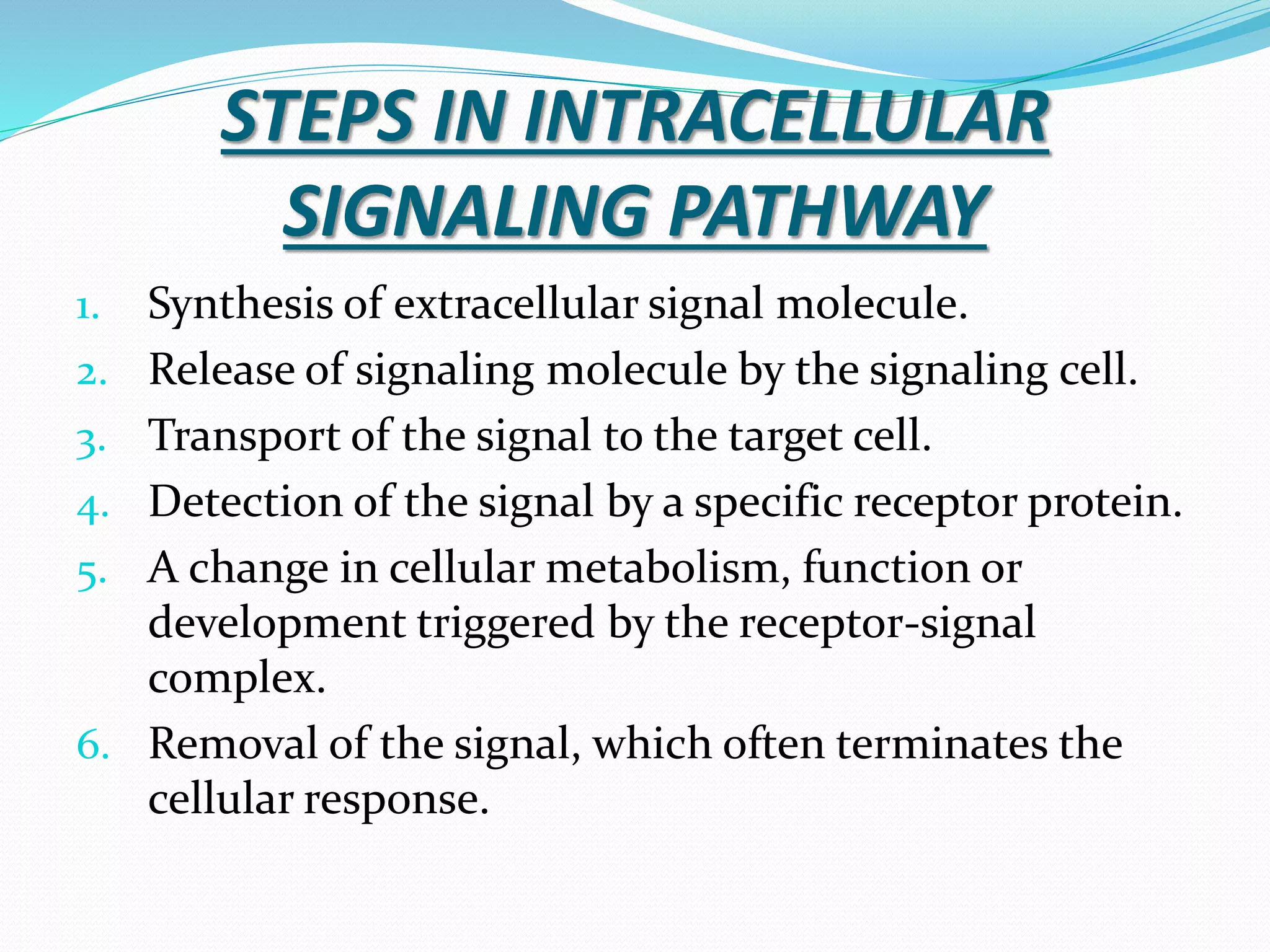
The communication cycle typically follows a four-step sequence: signal synthesis and release, transport to the target cell, detection by a specific receptor, and the subsequent intracellular response. In the context of 2026 biological research, we understand that these signals are rarely "binary" (on or off). Instead, they are highly nuanced, with the intensity and duration of the signal—often referred to as signal kinetics—playing a vital role in determining the cellular outcome.
The "language" of cells consists primarily of chemical molecules known as ligands. These can range from small molecules like gases (nitric oxide) and amino acids to complex proteins and steroid hormones. The specificity of the communication is governed by the receptor on the target cell. If a cell does not express the correct receptor for a specific ligand, it remains "deaf" to that signal, allowing for highly targeted communication within a crowded extracellular environment.
Primary Modes of Signaling in Multicellular Organisms
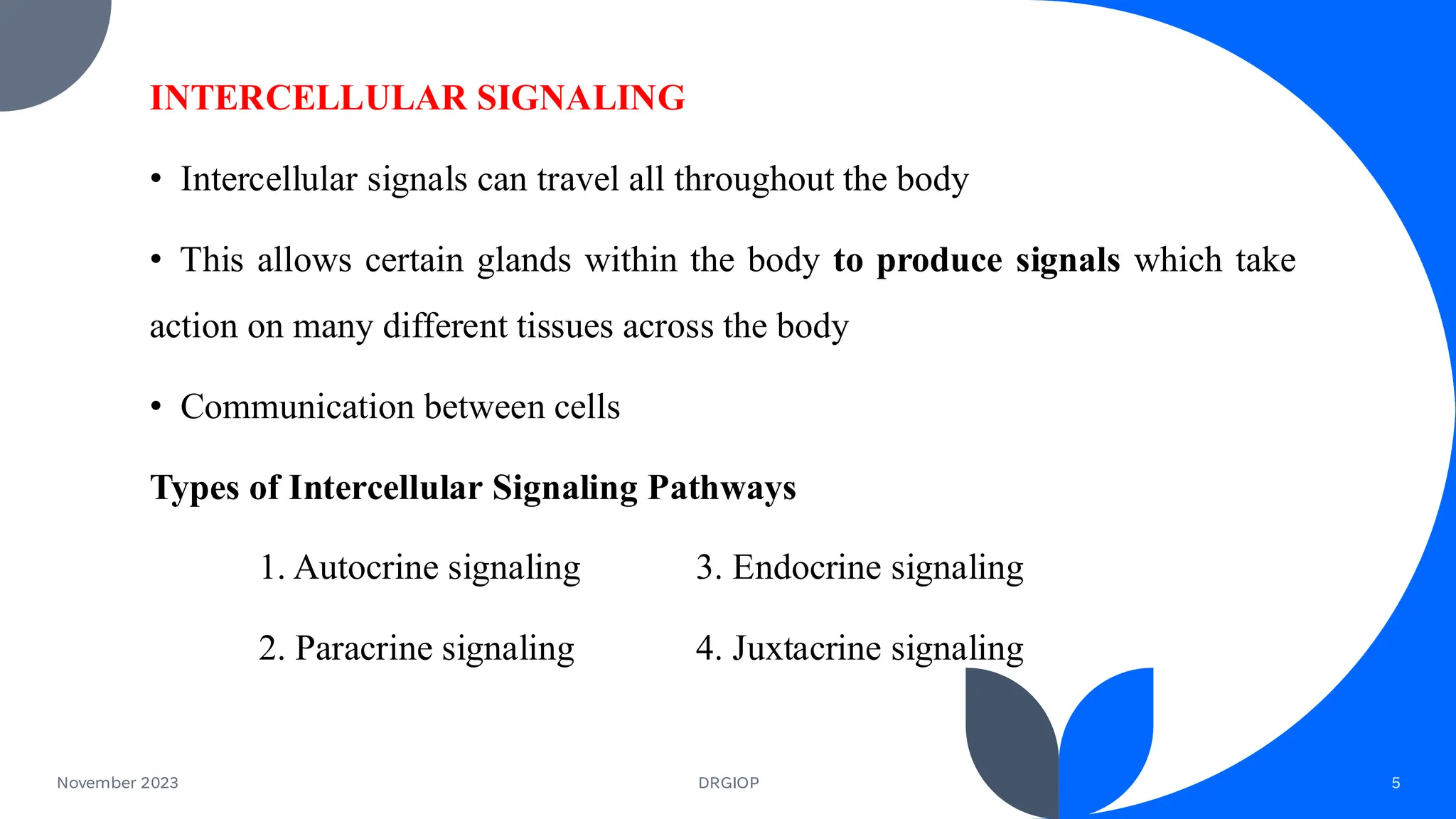
Biologists categorize signaling based on the distance the signal travels and the relationship between the sender and the receiver. Understanding these distinctions is critical for grasping how different physiological systems maintain stability.
Endocrine Signaling: Long-Distance Coordination
Endocrine signaling involves the release of hormones into the bloodstream, where they travel throughout the body to reach distant target cells. This is the primary method for systemic regulation, such as the control of blood glucose by insulin or the regulation of metabolic rate by thyroid hormones. Because the signal is diluted in the blood, endocrine receptors usually have a high affinity for their ligands, meaning they can detect very low concentrations of hormones.
Paracrine and Autocrine Signaling: Local Communication
Paracrine signaling occurs between cells that are in close proximity. The signaling molecules, such as growth factors or neurotransmitters, move through the extracellular fluid via diffusion. This mode is essential during embryonic development, where "morphogen" gradients provide positional information to developing tissues.
Autocrine signaling is a variation where a cell secretes a ligand that binds to receptors on its own surface. This is common in immune cells (like T-cells) to amplify their own activation and in cancer cells, which often use autocrine loops to drive their own uncontrolled proliferation.
Juxtacrine/Contact-Dependent Signaling
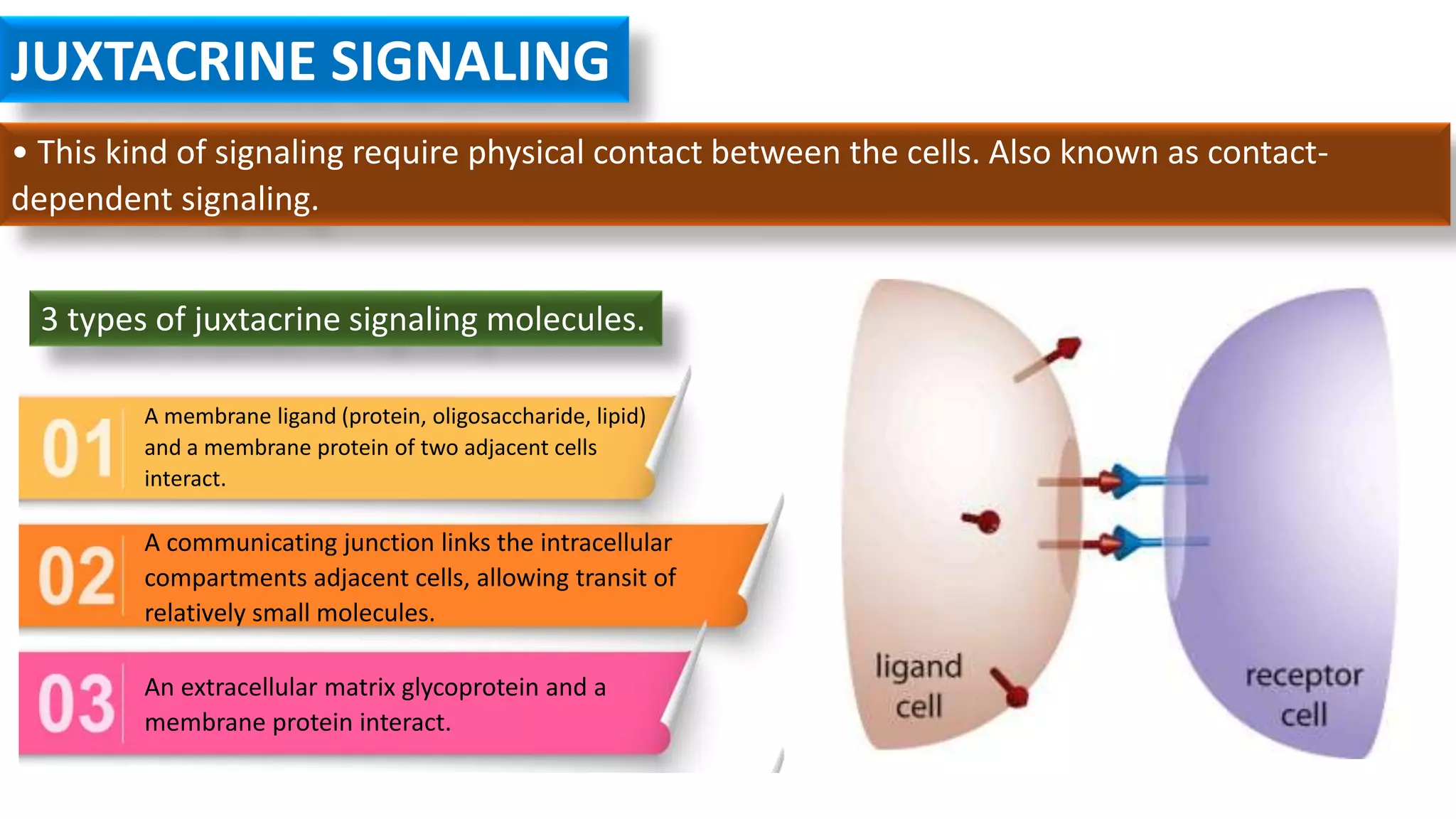
Juxtacrine signaling requires physical contact between the signaling and target cells. This often involves membrane-bound proteins on one cell binding to receptors on the adjacent cell. A classic example is the Notch signaling pathway, which is fundamental in determining cell fate during neurogenesis. This "handshake" between cells ensures that specific patterns are maintained in tissue architecture.
The Molecular Machinery: Ligands and Receptors
The interaction between a ligand and its receptor is the "switch" that initiates a biological response. In 2026, therapeutic developments frequently focus on modulating these interactions to treat chronic diseases.
Classification of Ligands
Ligands are generally classified by their chemical properties, which dictate how they interact with cells:
- Hydrophobic Ligands: Such as steroid hormones (estrogen, testosterone). Because they are lipid-soluble, they can pass directly through the plasma membrane to bind with intracellular receptors in the cytoplasm or nucleus.
- Hydrophilic Ligands: Such as peptide hormones (insulin) and neurotransmitters. These cannot cross the lipid bilayer and must bind to receptors located on the cell surface.
Major Classes of Cell-Surface Receptors
Most intercellular signals are processed by three primary types of membrane receptors:
- G-Protein Coupled Receptors (GPCRs): The largest and most diverse group of membrane receptors. When a ligand binds to a GPCR, it activates an internal G-protein, which then triggers a cascade of second messengers. Approximately 30% to 50% of all modern pharmaceuticals target GPCRs.
- Ion Channel-Linked Receptors: These receptors form a pore through the plasma membrane. Ligand binding causes the channel to open or close, allowing specific ions (like $Na^+$, $K^+$, or $Ca^{2+}$) to flow into or out of the cell, changing the membrane potential. This is the hallmark of rapid signaling in the nervous system.
- Enzyme-Linked Receptors: These are often protein kinases. When a ligand binds, the receptor activates its own enzymatic activity (or recruits an enzyme) to phosphorylate specific proteins inside the cell. Receptor Tyrosine Kinases (RTKs) are the most prominent members of this group, playing lead roles in cell growth and differentiation.
Signal Transduction: Translating the Message
Once a receptor is activated, the information must be "transduced" from the cell surface to the interior, often reaching the nucleus to alter gene expression. This process is known as signal transduction.
The transmission of the signal usually involves second messengers, which are small molecules like cyclic AMP (cAMP), inositol triphosphate ($IP_3$), and calcium ions ($Ca^{2+}$). These molecules spread rapidly throughout the cell, amplifying the original signal. A single ligand binding to a single receptor can result in the production of thousands of second messenger molecules, ensuring a robust cellular response.
A critical mechanism in transduction is the phosphorylation cascade. Enzymes called kinases add phosphate groups to proteins, changing their shape and activity. Conversely, enzymes called phosphatases remove these groups. This reversible "on-off" switch allows the cell to fine-tune its response and quickly terminate signaling when the ligand is no longer present.
| Signaling Type | Distance Traveled | Typical Ligands | Primary Function |
|---|---|---|---|
| Endocrine | Long (via blood) | Hormones (Insulin, Cortisol) | Systemic homeostasis, metabolism |
| Paracrine | Short (diffusion) | Growth factors, Neurotransmitters | Local tissue repair, synaptic transmission |
| Autocrine | Self-signaling | Cytokines, Growth factors | Self-regulation, immune amplification |
| Juxtacrine | Zero (direct contact) | Notch ligands, MHC molecules | Tissue patterning, immune recognition |
| Synaptic | Very Short (synapse) | Acetylcholine, Dopamine | Rapid neural communication |
Biological Functions and Systems Integration
Intercellular signaling is not just a molecular curiosity; it is the functional backbone of every biological system.
Development and Embryogenesis
During the development of an organism from a single cell, signaling determines which cells become muscle, bone, or neurons. The concentration of signaling molecules creates a spatial map. For instance, the Sonic Hedgehog (Shh) pathway is famous for its role in limb development; varying concentrations of Shh determine whether a digit becomes a thumb or a pinky finger.
Maintenance of Homeostasis
The body must maintain internal stability despite external changes. This is achieved through negative feedback loops driven by signaling. When blood sugar rises, the pancreas detects the change and releases insulin (endocrine signaling). The insulin signals muscle and liver cells to uptake glucose, bringing blood sugar back to the "set point."
The Immune Response
The immune system relies on a complex "language" of cytokines to coordinate a defense against infection. When a macrophage encounters a pathogen, it releases pro-inflammatory cytokines that signal other immune cells to migrate to the site of infection (paracrine signaling). This coordinated effort ensures that the body's response is proportional to the threat.
Clinical Implications: When Signaling Fails
Disruptions in intercellular signaling are the root cause of many of the most challenging diseases faced by medicine in 2026.
Cancer is frequently characterized by "renegade" signaling. Mutations in genes encoding RTKs or downstream signaling proteins (like Ras) can leave the "on" switch permanently stuck. This leads to continuous signals for the cell to divide, even in the absence of growth factors. Modern oncology focuses heavily on targeted therapies—drugs designed to block these specific abnormal signaling nodes.
Diabetes Mellitus serves as another primary example. In Type 2 diabetes, the signaling pathway for insulin becomes impaired—a state known as insulin resistance. Even though the signal (insulin) is present, the target cells fail to respond appropriately, leading to chronically high blood sugar levels.
Furthermore, many neurological disorders, such as Parkinson's and Alzheimer's, involve the breakdown of synaptic signaling. In these cases, the failure of neurotransmitters to effectively communicate across the synapse leads to the progressive loss of motor and cognitive functions.
Advanced Perspectives in 2026: The Future of Signaling Research
As of 2026, research has shifted from identifying individual pathways to understanding signaling networks. We now recognize that pathways do not operate in isolation; they "crosstalk." A signal from one pathway can enhance or inhibit a signal from another, creating a highly integrated decision-making apparatus within the cell.
Advancements in synthetic biology now allow scientists to engineer artificial signaling pathways. This "cell-based therapy" involves re-programming immune cells with synthetic receptors (such as CAR-T cells) to recognize and kill specific tumor cells. By hijacking the natural role of intercellular signaling, clinicians can create "living medicines" that are more precise and effective than traditional chemical drugs.
Additionally, the rise of Organ-on-a-Chip technology has allowed researchers to study human-specific signaling in a controlled environment. These microfluidic devices mimic the physical and chemical conditions of human organs, providing a more accurate model for how drugs influence intercellular communication than traditional animal testing.
Frequently Asked Questions
What is the difference between a ligand and a receptor?
A ligand is the signaling molecule (the "message"), while the receptor is a protein (the "receiver") that detects the ligand. The binding of a ligand to its specific receptor is what triggers the cellular response. Think of the ligand as a key and the receptor as a lock; only the correct key can open the lock to initiate the process.
How do G-Protein Coupled Receptors (GPCRs) work?
GPCRs are integral membrane proteins that cross the cell membrane seven times. When a ligand binds to the extracellular side of the GPCR, it causes a conformational change that allows the receptor to activate a G-protein on the intracellular side. This G-protein then moves along the membrane to activate or inhibit enzymes, leading to the production of second messengers.
Can cells communicate over long distances without the bloodstream?
While the bloodstream is the primary highway for long-distance endocrine signaling, some cells, like neurons, communicate over long distances using electrical impulses along axons. However, even in neurons, the final "jump" across the gap between cells (the synapse) is achieved through chemical paracrine signaling via neurotransmitters.
What is "quorum sensing" in biology?
Quorum sensing is a form of intercellular signaling used by bacteria to monitor their population density. By secreting and detecting specific signaling molecules, bacteria can coordinate their behavior—such as biofilm formation or toxin production—once their population reaches a certain "quorum" or threshold.
Why is signal termination as important as signal initiation?
If a signal is not terminated, the cell will continue to respond indefinitely, which can lead to exhaustion, tissue damage, or uncontrolled growth (cancer). Cells use various mechanisms to turn off signals, including the degradation of the ligand, the internalizing of receptors (endocytosis), or the action of phosphatases to reverse phosphorylation.
Practical Recommendations for Further Study
For those looking to deepen their understanding of cellular communication in 2026, the following actions are recommended:
- Review Systems Biology: Focus on how multiple signaling pathways interact (crosstalk) rather than studying them in isolation. Resources like the NCBI Bookshelf provide comprehensive foundational texts.
- Explore Computational Modeling: Modern biology relies heavily on computer models to predict cellular responses to complex signals. Understanding the basics of bioinformatics is increasingly essential.
- Monitor Pharmaceutical Developments: Track new FDA approvals for monoclonal antibodies and kinase inhibitors. These drugs are practical applications of signaling research and represent the cutting edge of clinical medicine.
- Investigate Mechanotransduction: Signaling is not always chemical. Research how physical forces (pressure, shear stress) are converted into biological signals, a field that is rapidly expanding in 2026.
Image Gallery