Understanding Capital One Auto Loan Insurance Requirements and Expectations
When securing financing through Capital One Auto Finance, borrowers are legally and contractually required to maintain comprehensive and collision physical damage insurance on the financed vehicle for the entire duration of the loan te...
When securing financing through Capital One Auto Finance, borrowers are legally and contractually required to maintain comprehensive and collision physical damage insurance on the financed vehicle for the entire duration of the loan term. Capital One does not sell its own proprietary auto insurance policies, meaning borrowers must independently source coverage from licensed third-party insurance providers that meet specific institutional coverage minimums and list Capital One as a lienholder on the policy declarations page.
Contents
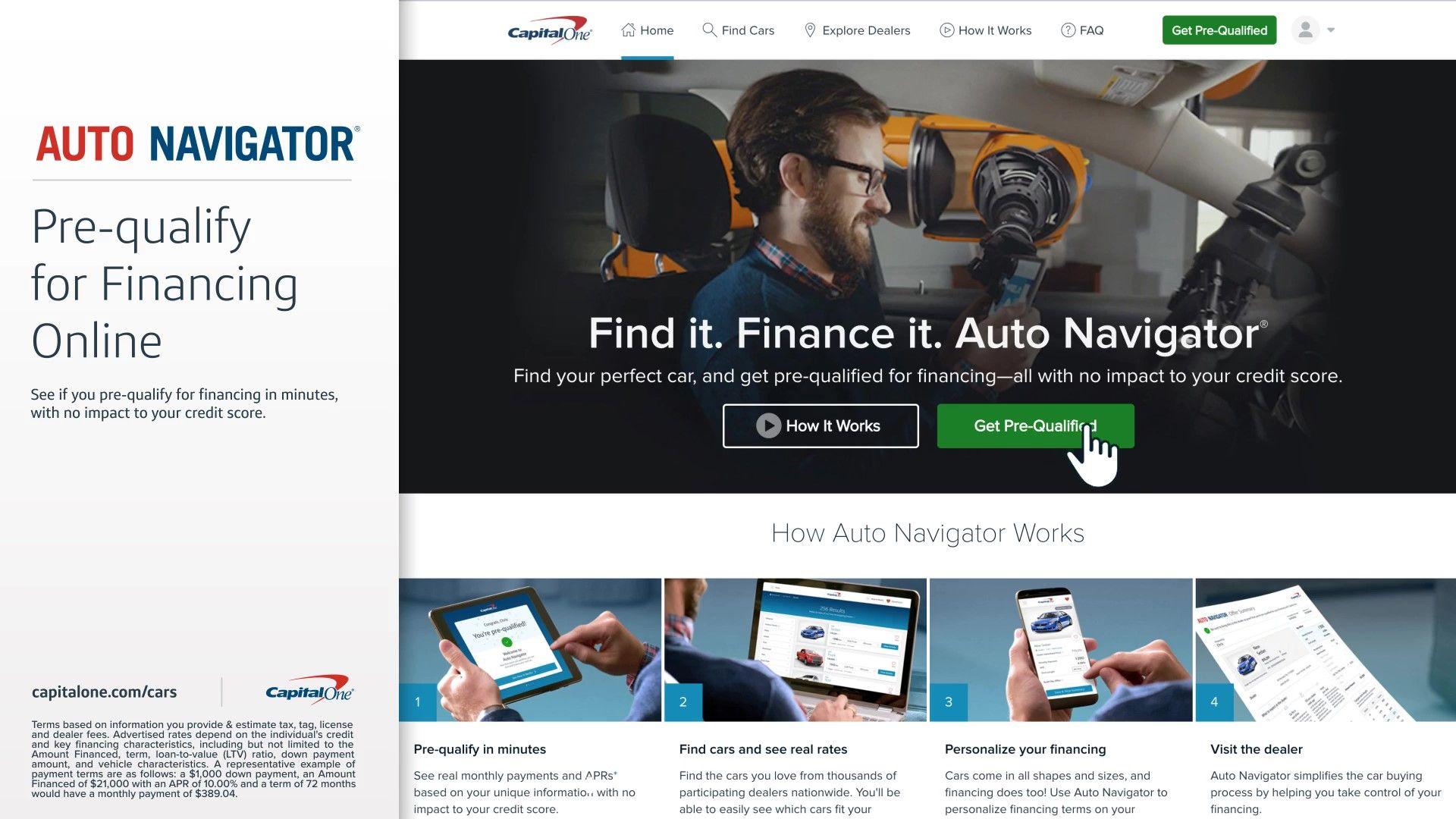
Navigating the intersection of auto financing and mandatory vehicle coverage requires a clear understanding of what lenders look for, how insurance verification works, and what happens if a policy lapses. Whether you are currently shopping for a vehicle through the Capital One Auto Navigator platform or managing an existing loan, maintaining the correct insurance structure protects both your personal financial liability and the lender’s collateral.
The Core Auto Insurance Requirements for Capital One Loans
When you finance a vehicle through Capital One, the financial institution maintains a security interest in the car until the loan is fully paid off. Because the vehicle serves as collateral, Capital One requires specific insurance coverages to ensure that the asset can be repaired or replaced in the event of a total loss, theft, or major accident.
Unlike state-minimum liability insurance—which only covers damage and injuries you cause to other drivers—lender-required financing insurance protects the physical vehicle itself. Capital One strictly mandates two primary physical damage coverages:
- Comprehensive Coverage: Protects your vehicle against non-collision-related incidents, including theft, vandalism, fire, windshield damage, falling objects, and natural disasters like floods or hail.
- Collision Coverage: Covers the cost of repairing or replacing your vehicle if it collides with another car, a stationary object (such as a guardrail or tree), or rolls over.
In addition to comprehensive and collision protection, borrowers must carry standard state-mandated liability insurance, which includes bodily injury liability and property damage liability. Capital One does not dictate the exact liability limits, but borrowers must comply with the minimum legal limits established by the state where the vehicle is registered. However, financial advisors generally recommend purchasing higher liability limits than the state minimum to protect personal assets from lawsuits following a severe accident.
Deductible Limitations and Restrictions
While Capital One allows policyholders to choose their own deductibles—the amount you pay out of pocket before insurance kicks in—lenders typically enforce maximum deductible thresholds. Most major auto lenders, including Capital One, prefer comprehensive and collision deductibles of $1,000 or less, though $500 is the most common industry standard. Selecting an excessively high deductible (such as $2,000 or $2,500) may be flagged by Capital One's insurance tracking system, as a higher deductible increases the borrower's out-of-pocket financial burden in a claim scenario, indirectly raising risk for the lender.
How Capital One Verifies Insurance Coverage
Proof of insurance is a mandatory prerequisite for finalizing any auto loan contract. Capital One requires verification before you can drive your newly purchased vehicle off the dealership lot or complete an online private-party purchase.
The verification process typically unfolds across several distinct steps:
- Prior to Purchase: Before signing final financing documents, the dealership or online platform will request the name of your auto insurance provider, your policy number, and agent contact information.
- Lienholder Clause Addition: Your insurance policy must explicitly list Capital One as the lienholder (loss payee). This ensures that if the vehicle is totaled, insurance payout checks are issued jointly to you and Capital One to satisfy the remaining loan balance.
- Binder or Declarations Page Submission: You or your insurance agent must provide a valid insurance binder or declarations page displaying active comprehensive and collision coverage with the correct lienholder address.
Capital One utilizes automated insurance tracking services to monitor ongoing compliance. If your policy is modified, renewed, or canceled, your insurance carrier typically transmits electronic updates directly to the lender.
Correct Lienholder Loss Payee Information
When setting up your policy, it is vital to use the exact mailing address and beneficiary designation mandated by Capital One. Submitting incorrect lienholder information can delay loan funding or trigger automated notifications that insurance is missing. Typically, the loss payee clause should read similarly to the following format, though borrowers should verify the specific address provided in their loan agreement:
- Lienholder Name: Capital One, Auto Finance
- Address: Usually processed through a centralized insurance processing center (e.g., P.O. Box tracking services specific to Capital One Auto Finance).
Overview of Coverage Types for Capital One Borrowers
| Coverage Type | What It Protects | Is It Mandatory for Capital One Loans? |
|---|---|---|
| Collision Coverage | Damage to your car from accidents with other cars or objects. | Yes |
| Comprehensive Coverage | Theft, vandalism, weather damage, fire, and animal strikes. | Yes |
| State Liability Insurance | Injuries and property damage you cause to other drivers. | Yes (By state law) |
| Gap Insurance | The financial gap between your loan balance and vehicle market value. | Optional (Highly Recommended) |
| Roadside Assistance / Rental | Towing, flat tire changes, and rental car reimbursement. | Optional |
Understanding Guaranteed Asset Protection (GAP Insurance)
One of the most critical considerations for drivers financing a car through Capital One is GAP insurance (Guaranteed Asset Protection). Standard comprehensive and collision insurance only pays out the actual cash value (ACV) of the vehicle at the time of an accident, factoring in depreciation. Because new cars depreciate rapidly the moment they are driven off the lot, your vehicle's market value can quickly drop below the remaining balance on your Capital One auto loan.
If your car is totaled or stolen, standard insurance will only pay the ACV. You remain entirely responsible for paying out of pocket for the "gap" between that payout and your remaining loan payoff amount.
- Do you need GAP insurance with Capital One? Capital One does not strictly mandate GAP insurance, but it is strongly advised if you make a small down payment (less than 20%), finance a vehicle for 60 months or longer, roll negative equity from a previous trade-in into your new loan, or purchase a fast-depreciating vehicle model.
- Where to get GAP insurance: You can purchase GAP coverage directly from the dealership at the time of sale, through your primary auto insurance provider as an endorsement on your policy, or via specialized third-party providers. Purchasing GAP through your auto insurer is typically significantly less expensive than buying it bundled into dealership financing.
What Happens If Your Insurance Lapses?
Maintaining continuous physical damage insurance is a strict covenant of your Capital One loan agreement. If your insurance policy lapses due to non-payment, cancellation, or failure to renew, Capital One will be notified by your insurance carrier or electronic tracking services.
When a lapse occurs, lenders reserve the right to enact forced-placed insurance (also known as vendor-added insurance or creditor-placed insurance).
- The Cost of Force-Placed Coverage: Force-placed insurance protects only the lender’s financial interest in the vehicle, not your personal liability or injuries. Furthermore, force-placed policies are notoriously expensive—often costing two to three times more than standard market-rate insurance policies.
- Impact on Monthly Payments: The cost of the force-placed policy will be automatically added to your monthly Capital One auto loan payment, significantly increasing your monthly financial obligation.
- Resolution: To remove force-placed insurance charges, you must immediately purchase a compliant standard auto insurance policy with comprehensive and collision coverage, ensure Capital One is listed as the lienholder, and submit proof of coverage to the lender. Capital One will then retroactively credit the force-placed insurance charges for the overlapping period.
Comparing Auto Insurance Options for Capital One Financing
When shopping for insurance to satisfy Capital One loan requirements, borrowers can choose between traditional national carriers, regional insurers, and digital-first platforms. Each option presents distinct advantages and trade-offs regarding cost, customer service, and claims handling.
Traditional National Carriers
Companies such as State Farm, Geico, Progressive, and Allstate offer robust coverage options, seamless digital portals, and established relationships with major lenders like Capital One. These carriers easily interface with lender verification systems, ensuring smooth electronic transmission of insurance binders and loss payee updates.
Digital-First and Insurtech Providers
App-based insurers often provide competitive rates for drivers with clean driving records and allow for instant policy generation and digital ID card delivery. When using a digital insurer for a Capital One loan, borrowers must manually verify that the platform successfully transmits lienholder updates to prevent tracking discrepancies.
Non-Standard Auto Insurance
If you have a poor driving record, accidents, or a low credit score, you may be required to purchase non-standard insurance. While these policies fulfill Capital One's mandatory comprehensive and collision requirements, premiums can be substantially higher. It is essential to confirm that any non-standard carrier is fully licensed in your state of residence.
Frequently Asked Questions
Does Capital One require full coverage on auto loans?
Yes. Capital One requires all financed vehicles to maintain both comprehensive and collision coverage with deductible limits that generally do not exceed $1,000. This requirement remains in effect until the loan is paid off in full and the title is released.
Can I buy my auto insurance directly through Capital One?
No. Capital One does not underwrite or sell auto insurance policies directly. Borrowers must independently purchase coverage from licensed third-party insurance providers and designate Capital One as the lienholder.
What is the exact Capital One lienholder address for my insurance policy?
Lienholder addresses and processing centers can vary depending on the specific terms and portfolio of your loan agreement. Always refer to your official Capital One loan documentation or online account dashboard to obtain the correct, up-to-date loss payee address before issuing your policy.
What happens if I switch insurance companies while my loan is active?
You can switch auto insurance providers at any time during your Capital One loan term. However, you must ensure there is no gap in coverage. You must provide the new insurance company with Capital One's lienholder information and ensure proof of coverage is sent to Capital One immediately to avoid triggering force-placed insurance alerts.
Is GAP insurance mandatory with a Capital One auto loan?
GAP insurance is not mandatory under Capital One's standard loan terms, but it is heavily recommended. If your loan balance exceeds the actual cash value of the vehicle, GAP insurance covers the remaining financial deficit in the event of a total loss.
Next Steps for Managing Your Capital One Loan Insurance
If you are currently preparing to finance a vehicle or managing an existing loan with Capital One, proactive communication with your insurance agent is essential. Verify that your comprehensive and collision deductibles are set to $1,000 or lower, ensure that Capital One is accurately listed as the loss payee on your declarations page, and evaluate whether you require GAP protection based on your down payment size and loan term length. Reviewing your policy details annually ensures continuous compliance with your loan agreement and safeguards your financial standing.
Image Gallery