The Meaning Behind Denial Is a River Lyrics: Exploring Humor, Wordplay, and Cultural Impact
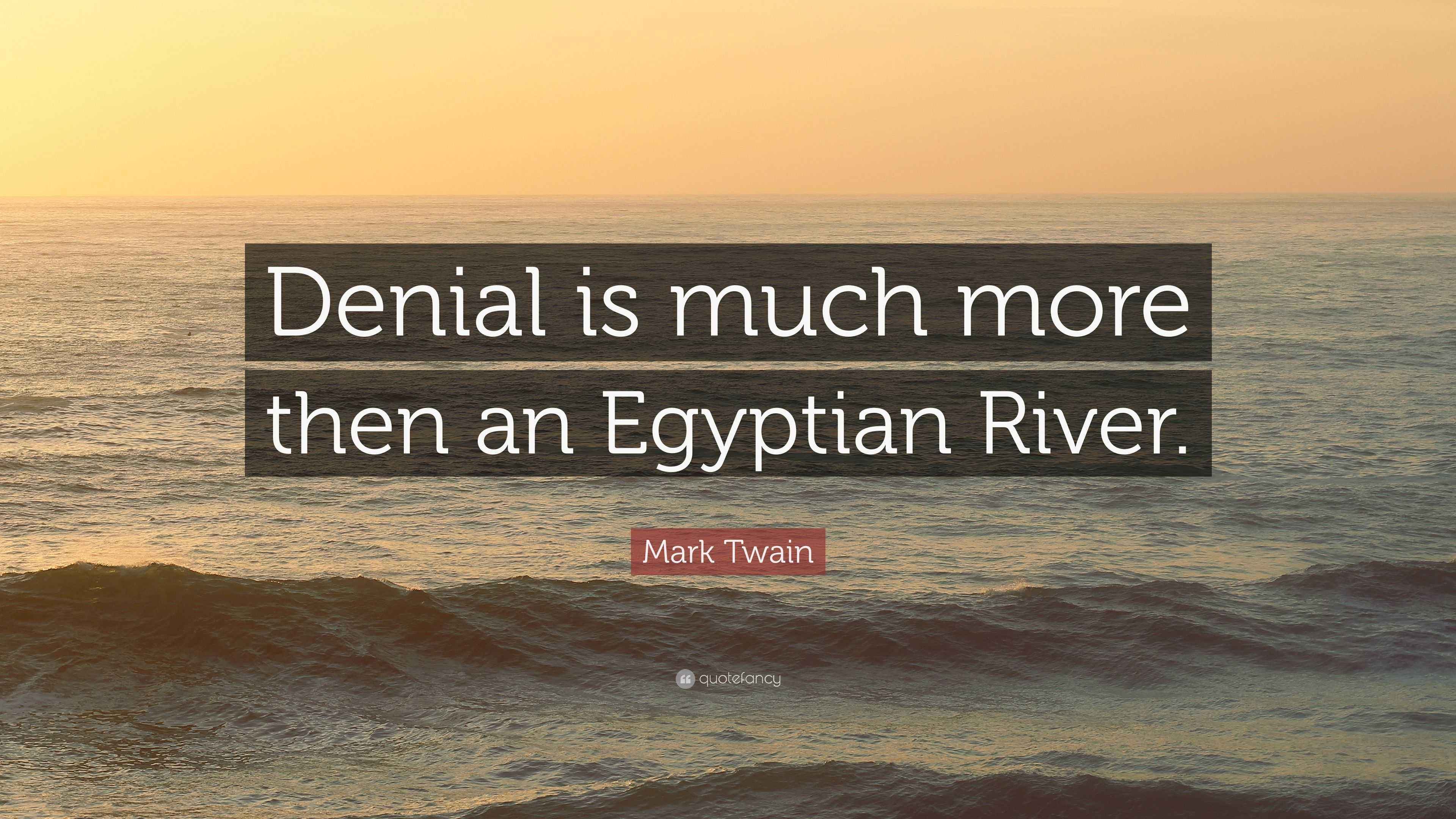
The phrase "denial is a river in Egypt" is a classic comedic idiom that plays on the homophone between the psychological defense mechanism of denial and the Nile River. While it originates as a timeless dad joke, various musical projec...
The phrase "denial is a river in Egypt" is a classic comedic idiom that plays on the homophone between the psychological defense mechanism of denial and the Nile River. While it originates as a timeless dad joke, various musical projects, spoken-word tracks, and internet subcultures have referenced or deconstructed these lyrics, turning a simple pun into a multifaceted exploration of human psychology, cognitive avoidance, and humorous self-awareness.
Contents
Understanding the depth and cultural resonance of this phrase requires looking past the punchline. This article examines the linguistic mechanics of the joke, its appearances in modern lyricism and popular culture, why humans instinctively deflect uncomfortable truths, and how recognizing cognitive dissonance can lead to genuine personal growth.
The Linguistic Foundation: Puns and Idioms in Modern Lyricism
To understand any lyrical reference to the Nile River and denial, one must first break down the linguistic joke at its core. The phrase relies entirely on homophonic wordplay: "Denial" sounds phonetically identical to "The Nile," provided the latter is spoken with a slight elision ("Da Nile").
[Phonetic Setup] ---> "De-nial" sounds like "Da Nile" [Geographical Fact] -> The Nile is a famous river in Egypt [Comedic Payoff] -> "Denial is a river in Egypt" (You are in denial)
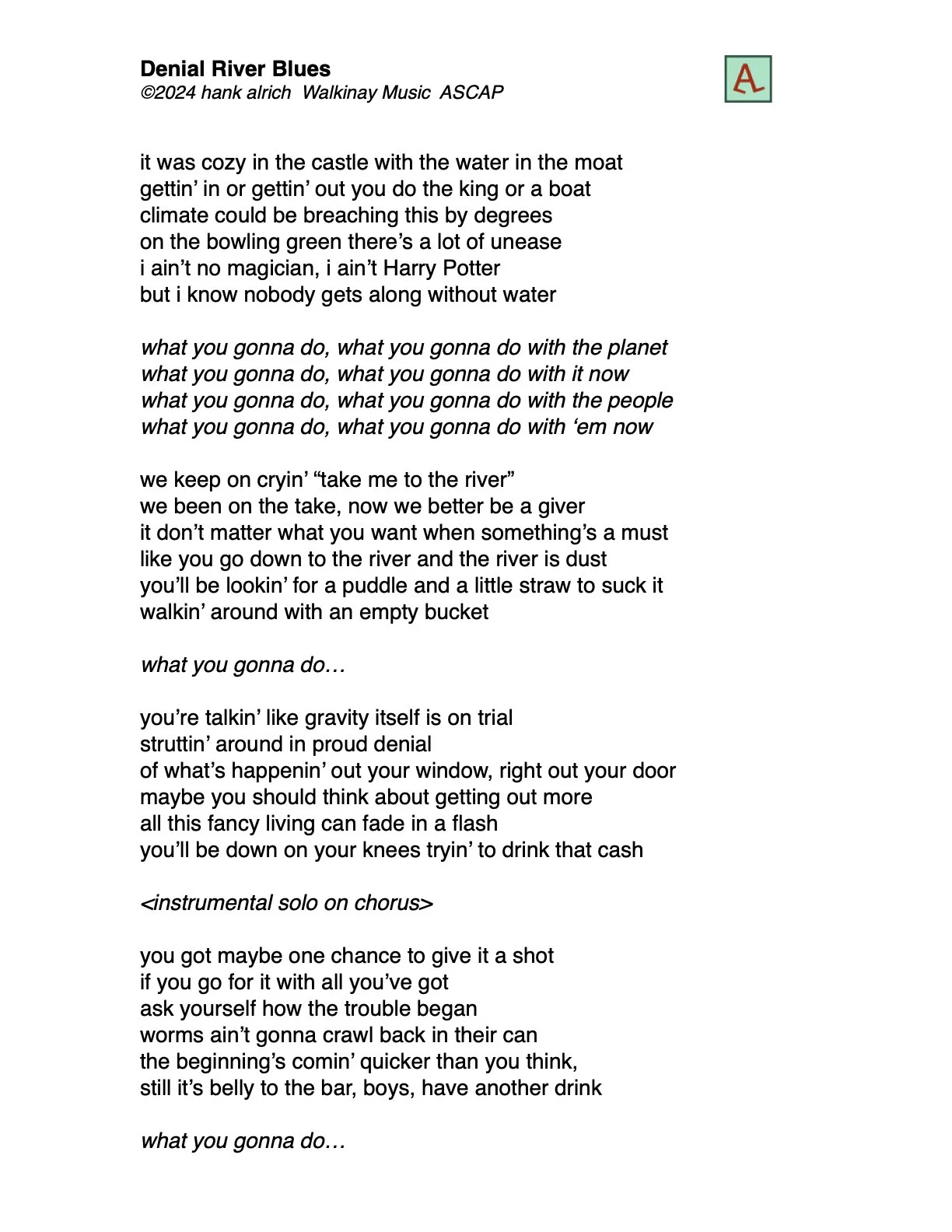
While traditional songwriters rarely build entire studio albums around this specific elementary school pun, comedic musicians, freestyle rappers, and internet content creators frequently drop the line into verses to mock a protagonist's self-deception. In these lyrical contexts, the line serves as a shorthand device. It immediately signals to the listener that a character is refusing to accept an obvious reality, whether regarding a failed relationship, a substance abuse issue, or a mundane personal flaw.
Songwriters use this idiom because it packs an immense amount of psychological commentary into a single, highly recognizable couplet. It transforms a clinical psychological term into a vivid mental image: an endless, winding body of water through which a stubborn individual is actively swimming away from accountability.
Psychology in Music: Why Artists Write About Defense Mechanisms
The concept of denial is a cornerstone of psychoanalytic theory, originally popularized by Sigmund Freud and later expanded by his daughter Anna Freud as a primary ego defense mechanism. In psychology, denial is a conscious or unconscious refusal to accept the reality of a traumatic, stressful, or inconvenient circumstance.
When independent artists, indie-rock lyricists, and hip-hop artists explore psychological denial in their lyrics, they often deploy the Nile River metaphor as a self-deprecating tool. Writing about psychological evasion allows artists to connect with listeners on a deeply vulnerable level.
- Emotional Self-Preservation: Lyrics exploring denial often highlight how the human brain shields itself from overwhelming emotional pain by simply blocking out facts.
- The Cycle of Accountability: Songs that reference the idiom usually capture the exact moment right before a breakthrough, where the narrator realizes their defense mechanisms are actively harming them.
- Relatability Through Humor: By pairing heavy psychological themes with a lighthearted pun, musicians lower the listener's guard, making complex emotional introspection far more digestible.
Cultural Evolution and Memetic Integration
The journey of the "denial is a river" concept from a playground riddle to a lyrical trope reflects the broader digital evolution of humor. In the early days of the internet, the phrase circulated primarily through meme formats, television sitcoms (such as Friends or animated comedies), and satirical video sketches.
As internet subcultures began blending absurdist humor with genuine emotional introspection, musicians and independent creators started weaving the line into lo-fi hip-hop tracks, spoken-word poetry slams, and TikTok audio samples. This integration transformed the joke from a throwaway gag into a recognized cultural touchstone for modern emotional avoidance.
| Era / Medium | Primary Context | Lyrical or Comedic Function |
|---|---|---|
| Traditional Media (20th Century) | Sitcom dialogue and stand-up comedy | Quick punchline used to catch a character in a lie |
| Early Internet (2000s–2010s) | Image macros and text-based forums | Sarcastic retort used in online arguments |
| Modern Music & Social Audio (2020s) | Lo-fi tracks, TikTok hooks, indie lyrics | Self-aware commentary on mental health and avoidance |
This ongoing evolution proves that audiences resonate with art that bridges clinical psychology and pop-culture wit. When a lyricist drops a reference to the Nile River, they are tapping into a shared collective understanding of how difficult it is to look inward.
Breaking Free from Cognitive Avoidance: Practical Takeaways
While analyzing lyrical puns and psychological defense mechanisms offers intellectual entertainment, the real-world utility of understanding denial lies in personal application. Recognizing when you are swimming in "the river" requires active self-audit and emotional maturity.
[Step 1: Notice Friction] ---> Identify persistent stress or recurring relationship conflicts. [Step 2: Check Defenses] ---> Ask yourself if you are minimizing facts or blaming others. [Step 3: Accept Reality] ---> Acknowledge the uncomfortable truth without immediate judgment. [Step 4: Take Action] ---> Replace avoidance with constructive problem-solving steps.
If you find yourself repeatedly deflecting constructive criticism or ignoring obvious warning signs in your personal or professional life, consider these practical steps:
- Conduct a Reality Check: Write down the situation causing you stress and list the objective facts, stripping away your emotional justifications.
- Consult Trusted Peers: Ask a reliable friend or mentor for an honest, unfiltered assessment of your behavior.
- Embrace Discomfort: Understand that acknowledging a painful truth is always less damaging in the long run than maintaining an elaborate illusion.
Frequently Asked Questions
Where did the phrase "denial is a river in Egypt" come from?
The phrase is a traditional riddle and pun that dates back decades in Western popular culture. It relies on the homophone between the psychological term "denial" and the geographical name "The Nile." While it has no single attributed author, it has been popularized across generations through television, stand-up comedy, and everyday slang.
How is this phrase used in song lyrics?
Songwriters and independent artists use the phrase as a witty shorthand to describe someone who refuses to face reality. It is frequently employed in tracks dealing with heartbreak, toxic relationships, or personal accountability to add a touch of self-awareness or dark humor to heavy emotional themes.
What is the psychological definition of denial?
In psychology, denial is a defense mechanism in which a person refuses to acknowledge external facts, events, or painful realities that are too overwhelming for the conscious mind to handle. It acts as an unconscious shield against emotional trauma or stress.
Why do people use humor to address serious psychological topics?
Humor serves as a psychological buffer, allowing individuals to process uncomfortable truths, anxiety, and trauma without feeling immediately overwhelmed. Lyrical references to mental health concepts often utilize wit to make vulnerability more accessible and less intimidating.
Can recognizing denial actually improve mental health?
Yes. Identifying when you are engaging in cognitive avoidance is the first step toward emotional regulation and personal growth. Dropping denial allows individuals to confront problems directly, leading to healthier relationships and improved coping mechanisms.
Conclusion and Next Actions
The cultural persistence of the "denial is a river" concept demonstrates our collective fascination with the ways human beings trick themselves. Whether encountered as a clever line in an indie song, a meme on social media, or a punchline in a conversation, the phrase reminds us not to take our blind spots too seriously—while urging us to address them head-on.
Take a moment today to evaluate an area of your life where you might be avoiding a hard truth. Acknowledge the reality of the situation, drop the psychological defense mechanisms, and start taking proactive steps toward resolution.
Image Gallery