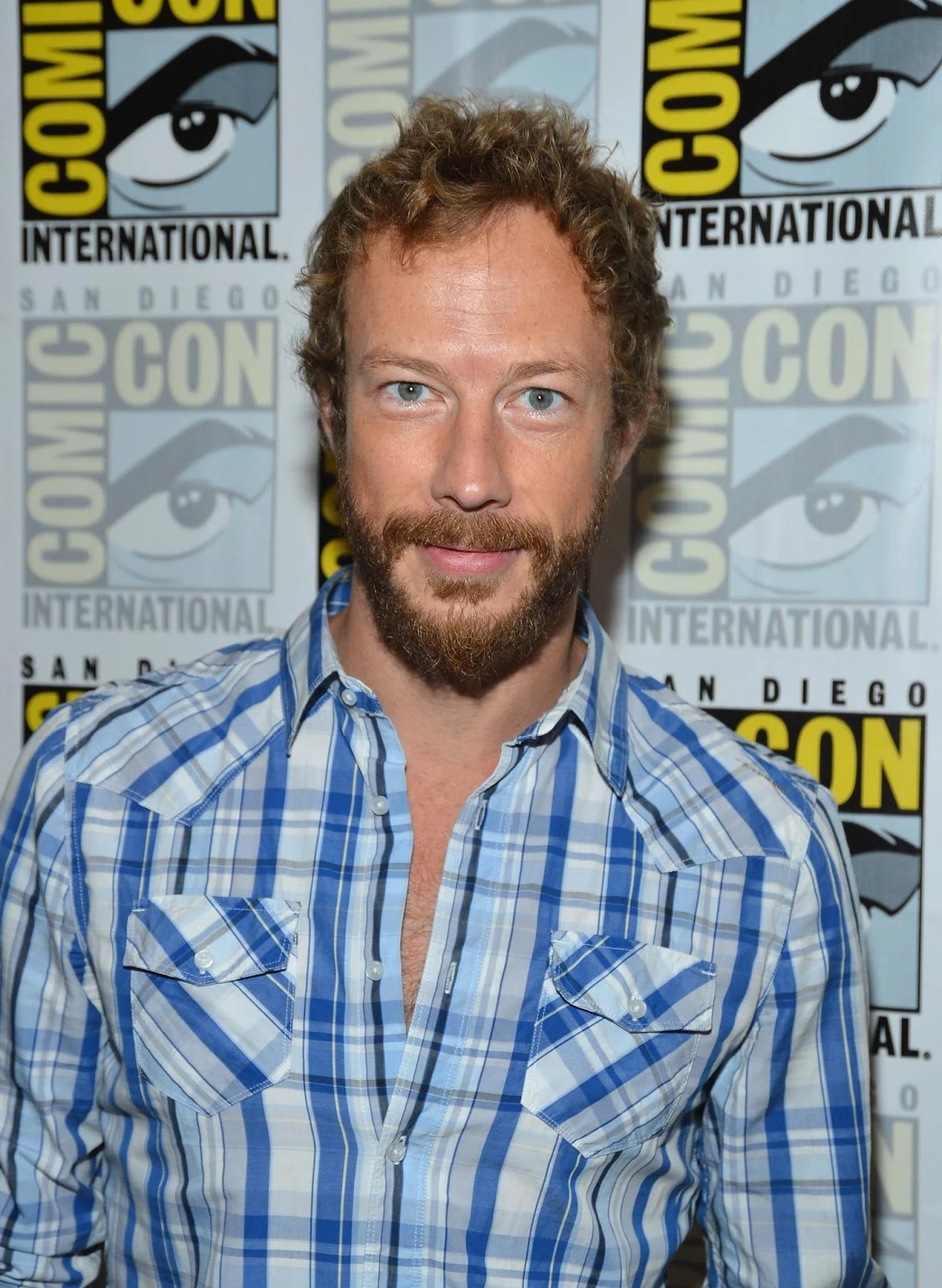
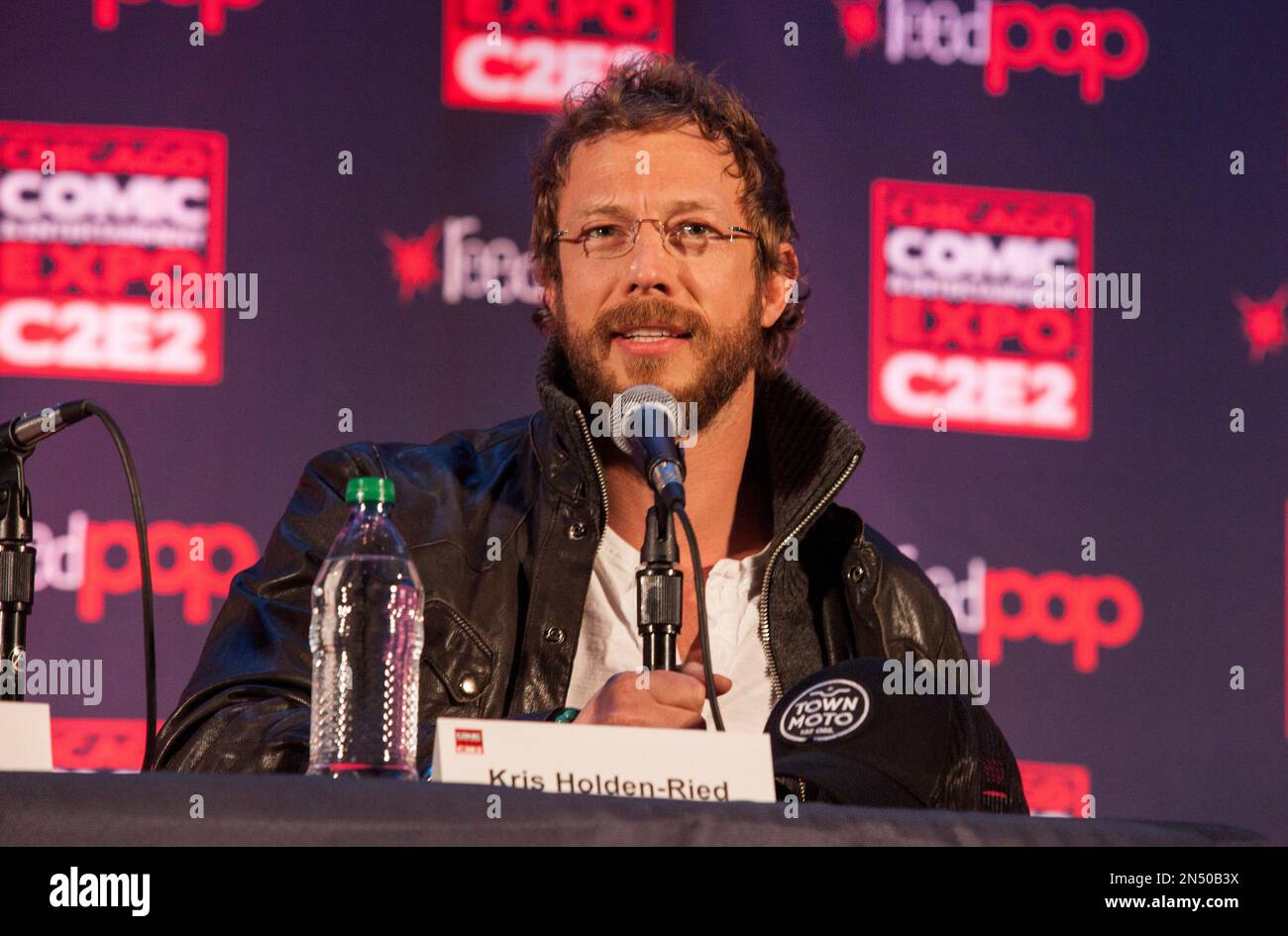
The Net Worth of Kris Holden-Ried Explained: Earnings, Career, and Assets
Kris Holden-Ried’s estimated net worth is between $2 million and $5 million. This financial evaluation reflects his three-decade career as a prominent Canadian actor, starring in major television franchises such as Lost Girl, The Tudor...
Kris Holden-Ried’s estimated net worth is between $2 million and $5 million. This financial evaluation reflects his three-decade career as a prominent Canadian actor, starring in major television franchises such as Lost Girl, The Tudors, Departure, and Vikings, supplemented by film appearances, voice acting, and industry residual payments.
Contents
Disclaimer: Public estimates of celebrity net worth rely on reported salary scales, union contracts, project budgets, and independent media tracking. Private assets, personal investments, and precise tax obligations are not matters of public record.
Overview of Kris Holden-Ried’s Financial Standing
Evaluating the financial trajectory of a prolific working actor requires looking beyond tabloid headline figures. Unlike Hollywood A-list film stars who negotiate multi-million-dollar upfront fees per feature, veteran television and character actors build their wealth through sustained, long-term employment across diverse mediums. Kris Holden-Ried (born Kristen Holden-Ried) represents a classic example of sustained financial success within both the Canadian and international entertainment ecosystems.
Holden-Ried’s career spans over 75 screen credits across three decades. His primary financial drivers include multi-season main cast roles on international cable and network shows, secondary roles in Hollywood studio productions, voiceover work for video games, and recurring residual payments governed by the Alliance of Canadian Cinema, Television and Radio Artists (ACTRA) and the Screen Actors Guild-American Federation of Television and Radio Artists (SAG-AFTRA).
- Estimated Wealth Range: $2,000,000 – $5,000,000 USD
- Primary Revenue Sources: Television Lead Roles, Film Appearances, Voice Acting
- Primary Geographic Market: Canada & United States
- Union Affiliations: ACTRA, SAG-AFTRA
- Peak Series Volume: 77 episodes of "Lost Girl" (2010–2015)
Because actors rarely disclose individual tax returns or property portfolios, net worth evaluations combine verified industry pay scales, project volume, syndication reach, and secondary commercial ventures to construct a realistic financial overview.
Primary Income Streams Driving His Net Worth
Holden-Ried’s accumulation of capital can be categorized into four primary streams: long-running television contracts, high-profile secondary film roles, voice and performance capture for interactive media, and directing/producing revenues combined with backend royalties.
1. Television Series and Main Cast Earnings
The most substantial portion of Holden-Ried’s lifetime earnings stems from main and recurring roles on serialized television productions.
- Lost Girl (2010–2015): Playing the lead role of Dyson, a shapeshifting wolf-Fae detective, across 77 episodes provided his most consistent financial anchor. For a lead role on a premier Canadian drama exported globally (distributed via Showcase in Canada and Syfy in the United States), episode rates for established leads during this era typically ranged from $20,000 to $45,000 per episode in peak seasons, before accounting for international syndication residuals.
- Departure (2019–2023): Co-starring as Dominic Hayes alongside Archie Panjabi and Christopher Plummer across multiple six-episode seasons secured lucrative top-billed executive pay scales for primetime television broadcasts in North America and Europe.
- The Tudors (2007): Appearing as Sir William Compton in seven episodes of Showtime’s critically acclaimed historical drama introduced him to American premium cable rates, which carry higher base compensation and premium international distribution royalties.
- Vikings (2017–2019): Playing Eyvind across 12 episodes of History Channel’s flagship drama provided major international exposure and high-tier recurring guest actor compensation under SAG-AFTRA/ACTRA joint production agreements.
- The Expanse & The Lost Symbol: Supporting and recurring roles in high-budget streaming productions (Amazon Prime Video and Peacock) pay premium daily or weekly performer rates standard for tier-one streaming platforms.
2. Feature Film Appearances
Holden-Ried’s feature film filmography balances independent Canadian cinema with major studio releases. Studio productions yield significant short-term cash injections and union pension contributions.
- Underworld: Awakening (2012): Playing the main Lycan antagonist Quint Lane in a $70 million Hollywood studio release represented one of his highest single-project paychecks, alongside standard theatrical box office performance residual structures.
- K-19: The Widowmaker (2002): Early-career supporting roles in studio features established his standing under SAG-AFTRA jurisdiction, raising his baseline quote for subsequent film appearances.
- Independent Cinema: Roles in Canadian films like Goulding, Textuality, and The Death and Life of John F. Donovan yield lower upfront pay but provide tax advantages, talent credit, and regional grant incentive distributions common in Canadian film funding frameworks.
3. Voice Acting and Interactive Media
Voice acting in AAA video games and animated series provides a lucrative secondary income source that requires less production time than live-action filming. Holden-Ried has contributed performance capture and voice work to major global gaming franchises, including Ubisoft titles such as Assassin's Creed and Far Cry series entries.
Interactive media contracts negotiated under SAG-AFTRA or ACTRA voiceover agreements pay standardized daily session fees, with bonuses tied to total units sold or session hours completed. While voice acting rarely out-earns television leads, it generates steady revenue between live-action filming schedules.
4. Residuals, Royalties, and Syndication
Residual income is vital to maintaining an actor’s long-term net worth. Under ACTRA’s National Master Agreement (NMA) and SAG-AFTRA codicils, actors receive payments whenever a show or movie is re-broadcast, sold to foreign territories, released on physical media, or streamed on digital services.
Because series like Lost Girl, The Tudors, and Vikings enjoy ongoing syndication on worldwide streaming services (such as Netflix, Amazon Prime, and Hulu), residual checks continue to deliver passive income long after original production ends.
Breakdown of Key Career Projects and Financial Impact
The table below outlines major milestone projects in Holden-Ried’s career, detailing the production scale, role prominence, and financial mechanisms that contributed to his overall earnings profile.
| Project Title | Release / Airing Period | Production Type / Network | Role Prominence | Key Financial Driver |
|---|---|---|---|---|
| K-19: The Widowmaker | 2002 | Major Studio Feature (Paramount) | Supporting Cast | High studio upfront scale; SAG pension points |
| The Tudors | 2007 | Premium Cable Drama (Showtime) | Recurring (7 Episodes) | High foreign distribution and cable residual rates |
| Lost Girl | 2010–2015 | Serialized Cable Series (Showcase/Syfy) | Series Lead (77 Episodes) | Top-tier main cast salary; continuous international syndication |
| Underworld: Awakening | 2012 | Studio Feature (Screen Gems) | Lead Villain Role | Significant theatrical upfront quote & DVD/VOD residuals |
| Vikings | 2017–2019 | Premium Historical Drama (History) | Recurring Lead (12 Episodes) | Major global platform residuals; international syndication |
| Departure | 2019–2023 | Network/Global Drama (Global/Peacock) | Main Cast (18 Episodes) | Co-lead primetime salary structure |
| Video Game Voice Work | Various | Interactive Media (Ubisoft/Others) | Voice / Motion Capture | High-rate daily session fees; low time-investment balance |
The Economics of Canadian Actors in Global Media
To understand Holden-Ried's financial standing, one must examine the specific economics governing Canadian actors operating in international co-productions.
ACTRA vs. SAG-AFTRA Pay Structures
Canada’s domestic film and television ecosystem relies on tax credits, government grants (such as Telefilm Canada and the Canada Media Fund), and international co-production treaties. Actors based in Canada who hold membership in ACTRA benefit from structured minimum wage scales, compulsory retirement contributions, and health benefits.
- Typical TV Production Revenue
- Upfront Episode Fee
- Union Health & Pension Contributions
- Domestic Syndication
- ACTRA/SAG Residual Payments
- Global Streaming
- SVOD Platform Distribution Residuals
- Upfront Episode Fee
When Canadian productions are sold to foreign markets (particularly the United States), actors receive supplemental residual payments under foreign distribution agreements. Because Holden-Ried frequently works on dual-union or co-production shoots (filmed in Toronto, Vancouver, or Ireland but backed by U.S. studios), his contracts leverage both Canadian production incentives and U.S. syndication rates.
Tax Considerations and Expenditure Dynamics
Gross acting income does not directly translate to net worth. A professional actor’s financial picture includes significant deductions and operational expenses:
- Talent Representation: Industry standard commissions deduct 10% for talent agents and 10% to 15% for personal managers.
- Legal and Business Management: Contract negotiation and cross-border tax filing fees generally take 2% to 5% of gross earnings.
- Cross-Border Taxation: Working across Canada, the United States, and European shooting locations (such as Ireland for Vikings or the UK for The Tudors) requires complex international tax compliance subject to bilateral tax treaties.
- Professional Expenses: Ongoing costs include public relations, personal training, union dues (ACTRA/SAG-AFTRA base fees plus percentage-based dues), and dual-residency living expenses during long location shoots.
Consequently, an actor with cumulative career gross earnings of $10 million may realistically retain a net worth in the $2 million to $5 million range after accounting for taxes, commissions, professional overhead, and living expenses.
Early Background and Prior Pursuits
Holden-Ried’s path to financial stability in acting followed an unconventional earlier career. Before pursuing dramatic arts, he was an elite athlete competing in the modern pentathlon.
- Athletic Achievements: He won a silver medal at the Pan American Games and was a former Canadian National Pentathlon champion.
- Transition to Acting: Elite athletic discipline helped him secure physical action roles early in his career (K-19, Starhunter, Underworld), minimizing the need for extensive stunt doubles and making him an appealing, cost-effective hire for action-heavy television productions.
By transitioning into acting in his mid-twenties, he built a stable professional foundation earlier than many industry peers, compounding his wealth over nearly three decades of unbroken television and film work.
Frequently Asked Questions
What is Kris Holden-Ried's primary source of net worth?
His main source of earnings comes from long-running television contracts, most notably his co-leading role as Dyson in 77 episodes of Lost Girl, alongside main roles in Departure and recurring roles in Vikings and The Tudors.
How much did Kris Holden-Ried make per episode on Lost Girl?
While specific contractual details remain private, main cast leads on top-tier Canadian dramatic cable series during that period typically earned between $20,000 and $45,000 per episode in later seasons, excluding ongoing global streaming and syndication residuals.
Does Kris Holden-Ried receive residuals from streaming services?
Yes. Under union agreements negotiated by ACTRA and SAG-AFTRA, performers in television series and films distributed on streaming platforms like Netflix, Peacock, and Amazon Prime Video receive residual payments based on geographic reach and platform subscriber tiers.
What was Kris Holden-Ried's highest-budget film role?
His highest-budget feature film appearance was Underworld: Awakening (2012), which had a reported production budget of approximately $70 million and grossed over $160 million worldwide at the box office.
Is Kris Holden-Ried active as a director or producer?
Yes. In addition to acting, Holden-Ried has expanded into directing short films and developing independent projects. Transitioning into behind-the-camera roles allows performers to diversify their income streams through director fees and backend copyright ownership.
Summary and Key Takeaway
Kris Holden-Ried’s estimated net worth of $2 million to $5 million reflects a career built on consistent work, professional versatility, and smart industry positioning. Rather than relying on fleeting blockbuster paychecks, he has secured long-term financial stability by maintaining a continuous presence across Canadian television, international co-productions, studio feature films, and voice acting. For working actors, his trajectory illustrates how stable union work, strong multi-season series roles, and recurring syndication royalties aggregate into lasting personal wealth.
Image Gallery