How Moving States Affects Your Life Insurance License in California
Relocating across state lines directly impacts your life insurance licensing status, mandatory reporting obligations, and authorization to write business. Moving to California requires establishing a new resident license within 90 days...
Relocating across state lines directly impacts your life insurance licensing status, mandatory reporting obligations, and authorization to write business. Moving to California requires establishing a new resident license within 90 days of surrendering your prior home state license to qualify for examination waivers, while moving out of California requires notifying the California Department of Insurance (CDI) within 30 days and converting your resident credential to a non-resident license.
Contents
Understanding Insurance Licensing Reciprocity and Regulatory Frameworks
Insurance licensing in the United States operates under state-level jurisdiction coordinated through uniform standards established by the National Association of Insurance Commissioners (NAIC). Under this framework, an insurance producer can hold only one resident license at a time, which must correspond to their primary domicile. Any additional state licenses are maintained as non-resident licenses.
When you change your principal place of residence, the state regulators overseeing your insurance authority must be notified immediately. State insurance departments track credentials through the National Insurance Producer Registry (NIPR) and the Producer Database (PDB). When a move occurs, your regulatory record must reflect your new domicile to ensure valid carrier appointments, maintain errors and omissions (E&O) coverage, and protect your ability to solicit, negotiate, or execute life insurance policies.
California enforces strict licensing guidelines under the California Insurance Code (CIC). The California Department of Insurance (CDI) oversees all producer transitions, enforcing specific notification timelines, background check protocols, and exam waiver conditions depending on whether you are relocating into or out of the state.
Moving Out of California: Transferring Your Resident License to Another State
If you are currently a resident life insurance agent in California and plan to move your primary residence to another U.S. state, you must execute a specific sequence of regulatory steps. Failing to update your status correctly can result in administrative fines, license cancellation, or gaps in your authority to sell insurance.
1. Mandatory Address Update Window
Under California Insurance Code § 1729, every licensee must immediately notify the Insurance Commissioner in writing of any change in address, including residential, business, and mailing addresses. You must submit this change to the CDI within 30 days of your move. You can complete this update electronically through the NIPR platform or directly via the CDI online services portal.
2. Surrendering Your California Resident License
Because you cannot hold a resident license in California while residing elsewhere, you must surrender your California resident license or request its conversion. Before your new state of residence will issue a resident license, your primary record on the NIPR Producer Database must show that your California resident license was canceled in good standing.
In modern licensing practices, physical "clearance letters" are rarely required because state regulators verify status electronically via the NIPR PDB. However, you must officially submit a request to the CDI to cancel your resident status.
3. Converting to a California Non-Resident License
If you intend to continue servicing existing California policyholders or soliciting new business within California after your move, you must obtain a California non-resident life agent license.
To convert your license seamlessly:
- Cancel your California resident license.
- Apply for a resident license in your new home state within the required statutory window (typically 90 days).
- Apply for a California non-resident life agent license through NIPR once your new home state resident license is active.
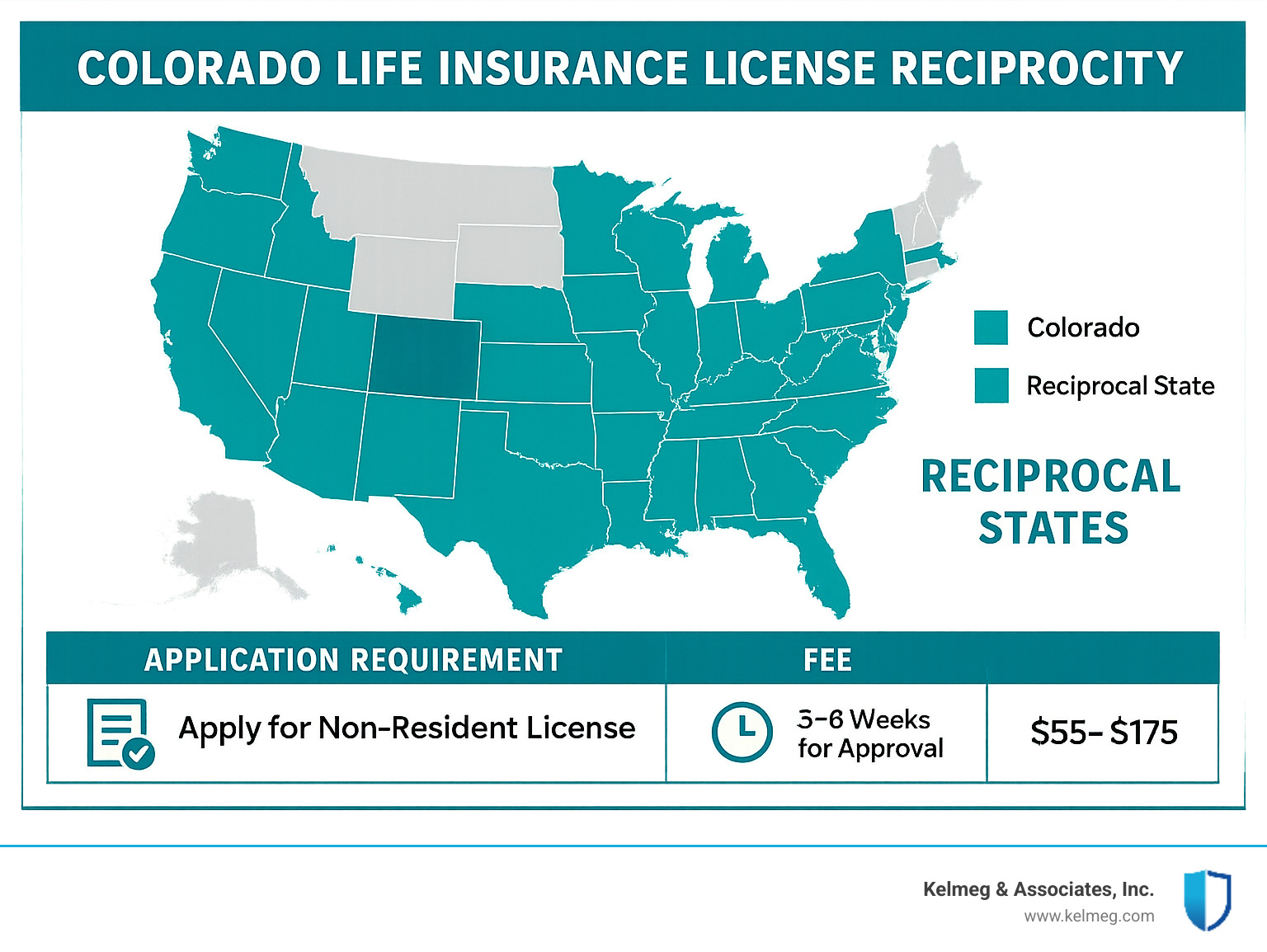
Because California maintains reciprocal agreements with all NAIC-compliant states, non-resident applicants in good standing are exempt from taking the California pre-licensing education or licensing examination.
4. Establishing Residency in Your New State (The 90-Day Rule)
Under NAIC uniform licensing standards, if you hold a resident license in good standing in California and move to a new state, that new state will waive its pre-licensing education and state examination requirements, provided you submit your new resident application within 90 days of canceling your California resident license. If you exceed this 90-day window, you will generally be required to complete pre-licensing courses and pass the new state's licensing examination as a first-time applicant.
Moving to California: Securing Your California Resident Life Agent License
Relocating your primary residence into California requires transferring your resident authority to the CDI. California maintains robust producer background standards and specific rules regarding examination waivers for incoming agents.
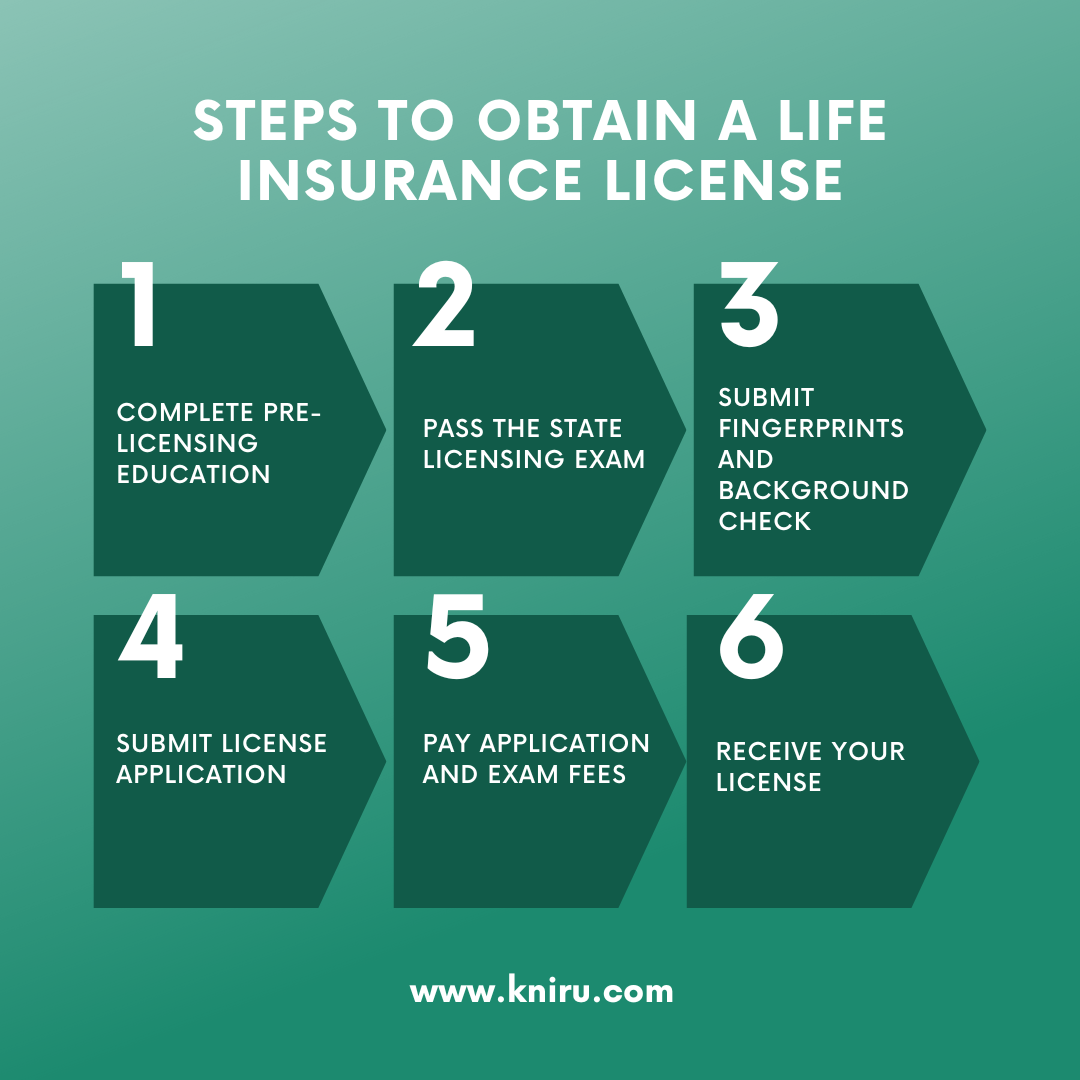
- Cancel Prior Home State Resident License
- Submit CA Resident App via NIPR (Must be within 90 Days)
- Complete Live Scan Fingerprints
- CDI Review & Resident License Issuance
- Convert Prior Resident License to Non-Resident (If applicable)
1. Canceling Your Previous Resident License
Before California will process a resident application, you must cancel your resident license in your previous home state. Contact your prior state’s insurance department to surrender the license, ensuring the cancellation reason is recorded as "change of residency" or "relocation." This status updates on the NIPR Producer Database, establishing your eligibility for an exam waiver in California.
2. Applying Under California Insurance Code § 1675
California Insurance Code § 1675 provides an exemption from the standard California life agent pre-licensing education and qualification examination. To qualify for this waiver:
- You must have held a resident life license in good standing in your previous home state.
- The application for a California resident license must be received by the CDI within 90 days of the cancellation of your previous home state resident license.
- The license lines of authority requested in California must match the lines held in your former state (e.g., Life-Only or Life and Accident & Health).
If you meet these criteria, you do not need to take the California Life Agent licensing exam. However, if you apply after the 90-day deadline has passed, the CDI requires you to complete the standard 20 hours of life-specific pre-licensing education, 12 hours of code and ethics education, and pass the state licensing exam.
3. California Background Checks and Fingerprinting
All applicants for a California resident insurance license must undergo a federal and state background check administered through the California Department of Justice (DOJ) and the Federal Bureau of Investigation (FBI).
- Live Scan (In-State): If you are physically present in California, you must complete digital fingerprinting via an authorized Live Scan vendor using the CDI-specific Form BCIA 8016.
- Fingerprint Cards (Out-of-State Transition): If you are applying prior to physically arriving in California, you must request hard-copy fingerprint cards (Form FD-258) from the CDI, have them processed by a local law enforcement agency, and mail them to the CDI's designated processing facility.
4. Address Proof and Domicile Verification
The CDI verifies that your principal residence or primary business location is physically located within California. You may be required to provide proof of residency, such as a California driver's license, utility bills, or lease agreements, during administrative review if any discrepancy arises on your NIPR filing.
License Transfer Requirements and Deadlines
The following table summarizes the administrative expectations, legal deadlines, and regulatory obligations associated with moving your life insurance license into or out of California.
| Licensing Action | Moving OUT of California | Moving TO California |
|---|---|---|
| Address Update Notice | Within 30 days of move | Within 30 days of move |
| Exam Waiver Window | 90 days from CA license cancellation | 90 days from prior state cancellation |
| Pre-Licensing Requirements | Set by new home state (typically waived within 90 days) | Waived under CIC § 1675 (if within 90 days) |
| Fingerprint/Background Protocol | Governed by new home state laws | Mandatory CA DOJ / FBI Live Scan |
| Non-Resident Conversion | Apply via NIPR after new home state license is active | Apply in former state after CA resident license is active |
| Primary Regulatory Body | New state's insurance department | California Department of Insurance (CDI) |
| CE Requirement Adjustment | Transfers to new home state compliance cycle | Follows CDI 24-hour biennially cycle upon issuance |
Impact on Continuing Education (CE) and Carrier Appointments
A state transfer alters your compliance obligations beyond the primary license document itself. You must proactively manage your Continuing Education (CE) requirements and insurer appointments to avoid operational disruptions.
Continuing Education Reciprocity
CE credits do not transfer directly between state jurisdictions. When you relinquish your resident license in one state and secure a resident license in another, your CE obligations align with your new home state’s renewal cycle and rules.
- Transitioning to California: Once your California resident life agent license is issued, you must complete 24 hours of approved CE (including 3 hours of ethics) during each two-year license term. Specialized lines, such as selling annuities or long-term care (LTC) riders attached to life policies, require specific California-approved training courses (e.g., the initial 8-hour annuity training required by California Insurance Code § 1749.8).
- Transitioning Out of California: Your California CE requirements terminate once your resident license is canceled or converted to non-resident status. Non-resident producers in California satisfy California CE requirements by maintaining compliance with their home state’s CE mandates, under NAIC reciprocity rules.
Managing Carrier Appointments
Insurer appointments are legally tied to active state licenses. When you change your resident state or convert a resident license to a non-resident license:
- Carrier Notification: Notify the compliance departments of all insurance carriers you represent immediately upon initiating the transfer.
- Re-Appointment Filing: Insurers must update their internal systems and, where necessary, re-file your appointments with the state insurance departments under your new resident or non-resident status.
- Preventing Lapse of Authority: Writing policies while your license state status is updating on state registries can lead to unpaid commissions or regulatory discipline for conducting unappointed business.
Common Pitfalls and Compliance Risks During Relocation
Failing to manage an insurance license transition cleanly can damage your professional standing and lead to regulatory action by the CDI or other state insurance departments.
1. Writing Insurance Business During the Transition Gap
The most severe compliance error agents make during a move is soliciting or executing life insurance contracts while their license status is in flux. If you have surrendered your resident license in your old state but your new home state resident application has not yet been approved, you are technically unlicensed in both jurisdictions for resident business. Do not write new business during this interim period until your new resident license appears as active on the NIPR PDB.
2. Missing the 90-Day Exam Waiver Window
If you delay submitting your resident application past the 90-day threshold following the cancellation of your prior resident license, state insurance regulators—including the CDI—will lose statutory authority to grant an examination waiver. You will be forced to re-take full pre-licensing education courses, pay testing fees, and pass the state exam again.
3. Failure to Report Address Changes Within 30 Days
Insurance departments treat unreported address changes as administrative violations. Under California regulations, failing to notify the Insurance Commissioner of an address change can result in administrative monetary penalties, failure to receive critical license renewal notices, and potential default enforcement actions if legal notices are sent to an outdated address.
4. Background Disclosure Omissions
When filling out the uniform resident application via NIPR for California or any other state, you must answer standard background questions regarding criminal history, civil judgments, and administrative actions. Failing to disclose past administrative actions or minor legal infractions—even those previously disclosed to your former home state—can be grounds for application denial or license revocation under California Insurance Code § 1668.
Frequently Asked Questions
Can I keep my California resident life insurance license if I move out of state?
No. You cannot maintain a California resident license if your primary residence or primary place of business is no longer located within California. You must surrender your resident license or convert it to a California non-resident license after establishing residency in your new state.
Do I have to retake the life insurance exam when moving my license to California?
If you hold a resident life agent license in good standing in your former state and apply for your California resident license within 90 days of canceling your previous resident license, the California Department of Insurance waives the pre-licensing education and state exam requirements under California Insurance Code § 1675.
What happens if I miss the 90-day window to apply for a license transfer in California?
If you fail to submit your application within 90 days of canceling your prior state's resident license, you forfeit your qualification for an exam waiver. You must complete 20 hours of California pre-licensing education, 12 hours of ethics and code training, submit new fingerprints, and pass the California life agent license examination.
How does moving states affect my annuity and long-term care certifications?
Specialized training requirements, such as California's 8-hour initial annuity training or LTC training, are specific to state statutes. Even if you completed annuity training in another state, you must complete California-specific approved training before soliciting annuity products within California.
How long does the California Department of Insurance take to process a license transfer application?
Standard processing times for resident license applications submitted via NIPR range between 1 and 3 weeks, provided there are no background issues requiring legal review and your Live Scan fingerprint results clear promptly through the California Department of Justice and FBI.
Action Steps for a Seamless License Transition
To protect your business and maintain regulatory compliance when relocating your life insurance license, follow this action checklist:
- Audit Your Current Standing: Verify on NIPR that your current resident license is active, in good standing, and free of outstanding administrative issues.
- Initiate Address Updates: Submit formal address change notifications through NIPR within 30 days of moving your residence.
- Coordinate Cancellation and Re-Application: Cancel your former resident license and immediately submit your new resident application to the destination state within the 90-day exam waiver window.
- Complete Background Protocols: Schedule digital fingerprinting (Live Scan in California) immediately after submitting your resident application.
- Convert Secondary Licenses: Convert your former home state resident license to a non-resident license if you intend to continue writing policies for clients in that jurisdiction.
- Update Carriers and Errors & Omissions Insurance: Notify your E&O provider and carrier compliance departments of your new resident license number, home address, and business location before resuming policy sales.
EDITORIAL CATEGORY METADATA:
Image Gallery