The Minimum Legal Coverage Auto Insurance Rates for Teens in 2026
In 2026, the average annual cost for minimum legal coverage auto insurance for a teenager on an individual policy ranges from $2,400 to $5,900, depending heavily on the state of residence. While adding a teen to a parent’s existing pol...
In 2026, the average annual cost for minimum legal coverage auto insurance for a teenager on an individual policy ranges from $2,400 to $5,900, depending heavily on the state of residence. While adding a teen to a parent’s existing policy remains the most cost-effective option, rates are dictated by high-risk actuarial data and state-mandated liability limits.
Contents
Understanding Minimum Legal Coverage for Young Drivers
When discussing "minimum legal coverage," we refer to the absolute lowest amount of insurance a driver must carry to operate a vehicle legally on public roads. These requirements are established at the state level, meaning a 16-year-old in Ohio faces entirely different legal benchmarks and pricing structures than one in Florida or California.
Typically, minimum coverage consists of Liability Insurance, which is divided into two categories:
- Bodily Injury Liability (BI): This covers the medical expenses of other people if the teen driver is at fault in an accident.
- Property Damage Liability (PD): This pays for damage caused to another person’s property, such as their car, fence, or storefront.
In some jurisdictions, additional components like Personal Injury Protection (PIP) or Uninsured/Underinsured Motorist (UM/UIM) coverage are also legally required. Because teenagers lack a driving history and are statistically more likely to be involved in accidents, insurance carriers price these "bare-bones" policies at a premium that often exceeds the cost of a middle-aged driver's full-coverage policy.
Why Teen Insurance Rates Remain High in 2026
As of 2026, several socio-economic and technical factors contribute to the sustained high cost of insuring teenage drivers. While automotive safety technology has advanced, the cost of repairing that technology has risen concurrently, keeping insurance premiums elevated across all demographics, but most sharply for high-risk groups.
Actuarial Risk and Biological Factors
Insurance companies base their rates on "risk pools." Actuarial data from the National Highway Traffic Safety Administration (NHTSA) consistently shows that drivers aged 16 to 19 have the highest crash rate per mile driven of any age group. This is often attributed to "inattentional blindness" and a developing prefrontal cortex, which affects impulse control and hazard recognition. In the eyes of an insurer, a teen driver represents a high probability of a payout within the first 24 months of licensure.
Economic Inflation and Repair Complexity
In 2026, even a minor "fender bender" involving a modern vehicle often requires the replacement of expensive LiDAR sensors, cameras, and specialized body panels. For a teen carrying only minimum legal coverage, the property damage limit (often as low as $10,000 or $25,000 in some states) may barely cover the cost of a single sensor-laden bumper on a new electric vehicle. This discrepancy forces insurers to price minimum policies higher to account for the increasing frequency of "limit-loss" events.
State-by-State Variations in Minimum Coverage Rates
The cost of minimum legal coverage is not uniform across the United States. State laws, such as "no-fault" versus "at-fault" systems, significantly influence the baseline price.
High-Cost States
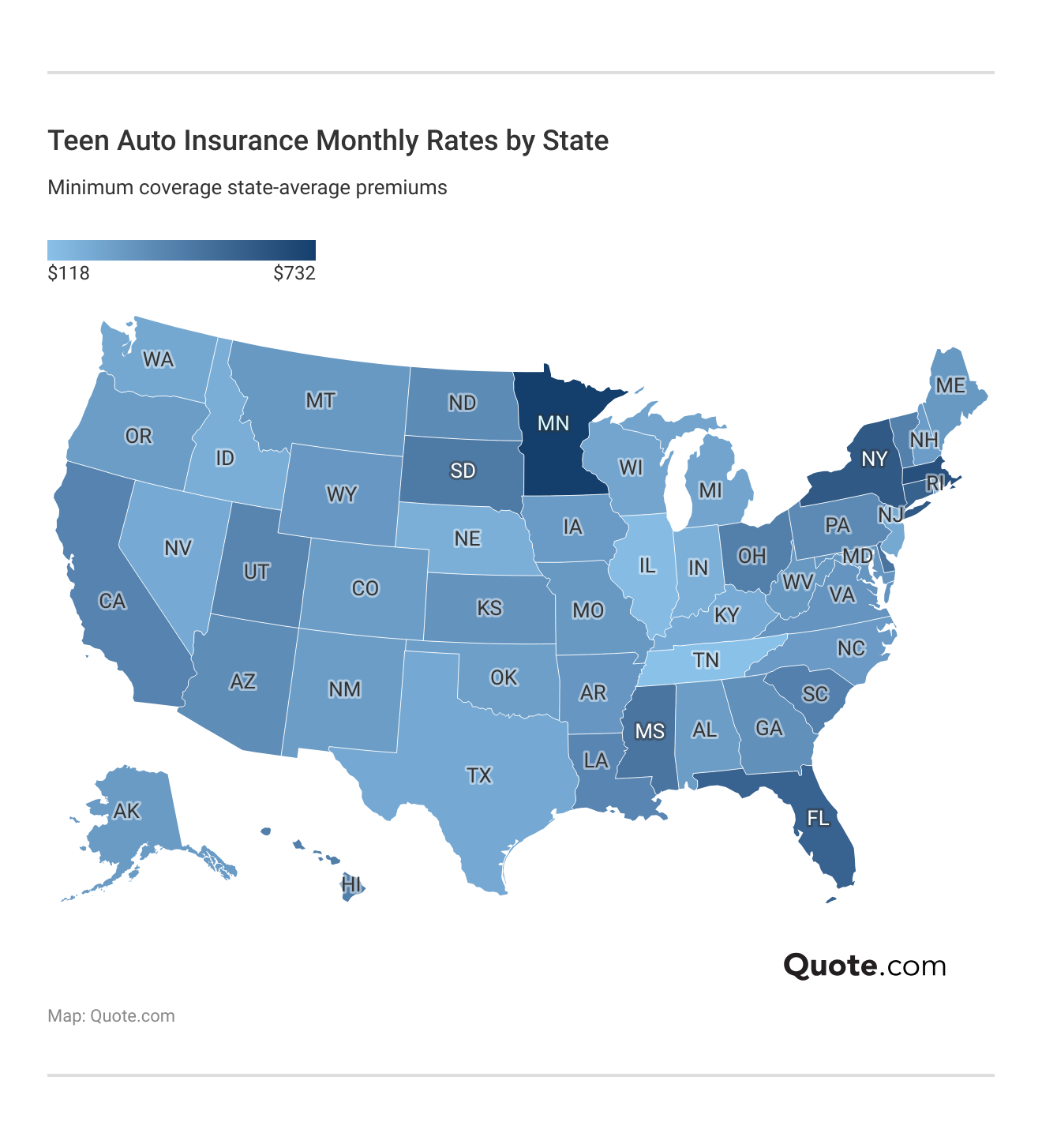
States like Florida, Louisiana, and Michigan typically see the highest rates for teens. In Florida, the requirement for $10,000 in PIP and $10,000 in PD, combined with high litigation rates, can push a teen’s minimum coverage policy above $5,000 annually. Michigan’s unique catastrophic injury fund requirements also contribute to premium spikes, even for the lowest legal coverage levels.
Low-Cost States
Conversely, states like New Hampshire, South Dakota, and Iowa offer some of the most affordable paths for young drivers. In these regions, a teen might secure minimum liability for closer to $1,800 to $2,200 per year, provided they have a clean record and are driving an older, safety-rated vehicle.
| State Type | Avg. Annual Rate (Individual) | Avg. Annual Rate (Added to Parent) | Common Minimum Limits (BI/PD) |
|---|---|---|---|
| High Cost (e.g., FL, LA, MI) | $4,800 – $6,200 | $2,800 – $3,900 | 25/50/25 or 10/20/10 |
| National Average | $3,100 – $4,200 | $1,900 – $2,600 | 25/50/25 |
| Low Cost (e.g., IA, SD, OH) | $1,700 – $2,400 | $900 – $1,400 | 20/40/15 or 25/50/25 |
Note: Rates are 2026 estimates based on historical trend analysis and 2025-2026 filing projections.
Factors That Specifically Impact Teen Premiums
Beyond geography, several variables dictate whether a teen will pay the "standard" high rate or an "extreme" high rate for minimum coverage.
Gender-Based Pricing
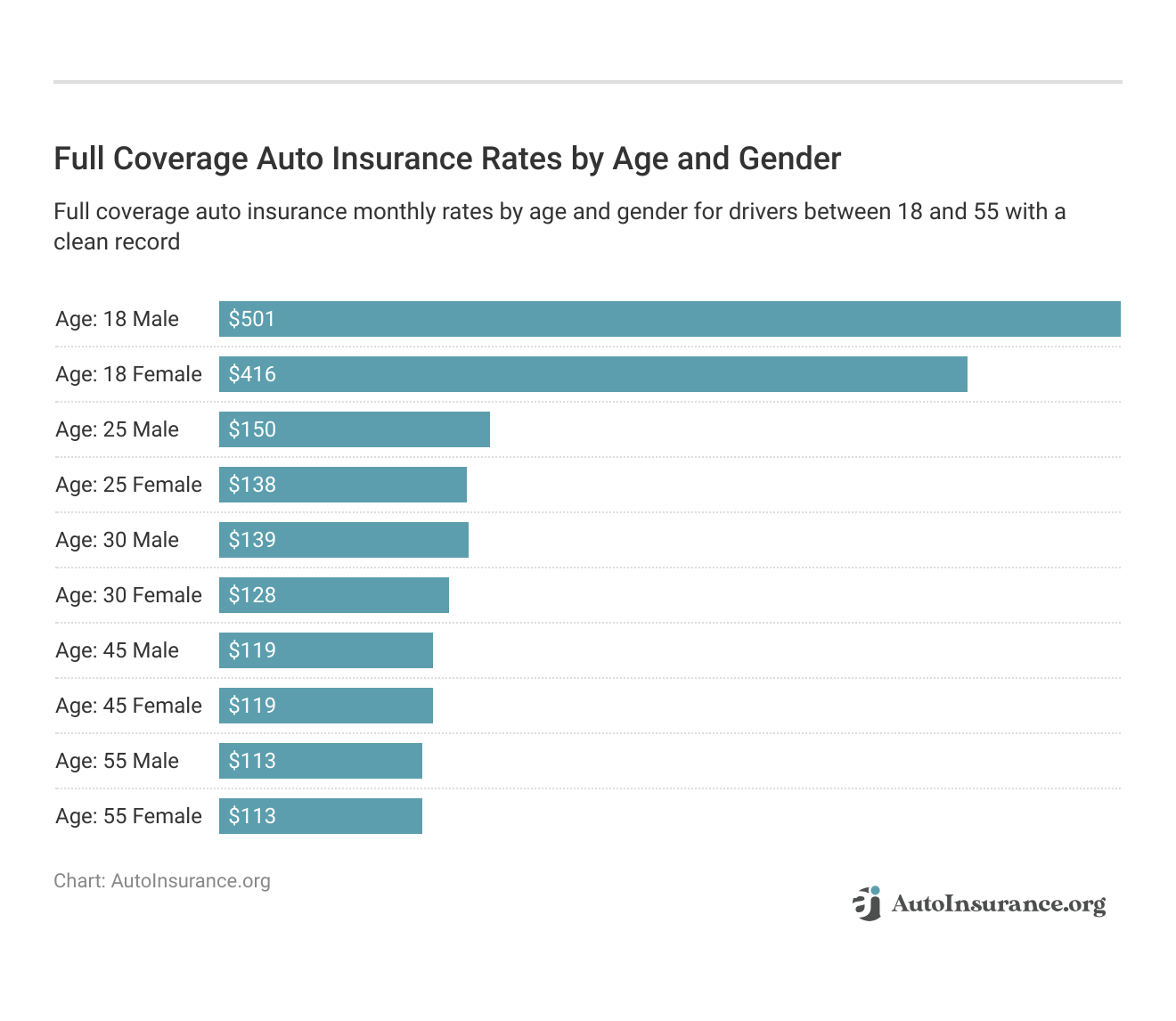
In many states (excluding those that have banned the practice, such as California, Hawaii, and Massachusetts), gender remains a major factor. In 2026, male teenagers generally pay 10% to 20% more for minimum coverage than female teenagers. This is rooted in data suggesting young men are more likely to engage in speeding and reckless driving behaviors.
Vehicle Selection
Even when purchasing only the minimum legal coverage, the car matters. Insurance for a high-performance vehicle or a luxury car will be higher than for a modest sedan. Insurers view powerful engines in the hands of inexperienced drivers as a liability "multiplier." For the lowest rates, teens should opt for mid-sized sedans or small SUVs with high safety ratings from the Insurance Institute for Highway Safety (IIHS).
The "Individual vs. Combined" Policy Decision
The single largest factor in determining the rate is whether the teen has their own policy or is an "operator" on a parent’s policy. In 2026, a standalone policy for a 16-year-old is almost always the most expensive financial product they will encounter. By staying on a parent's policy, the teen benefits from the parent's established credit score and "multi-car" discounts, which can slash the cost of minimum coverage by nearly 50%.
Strategies to Lower Minimum Coverage Costs in 2026
While minimum coverage is the cheapest level of insurance available, it is still a significant burden. Families can use several verified methods to reduce these costs.
- Telematics and Usage-Based Insurance (UBI): Most major insurers in 2026 offer apps that track driving behavior (braking, speeding, phone usage). Teens who allow this monitoring can often see "safe driver" discounts of up to 30% after the first six months.
- Good Student Discounts: Maintaining a "B" average or higher (3.0 GPA) remains a standard way to secure a 5% to 15% discount. Insurers equate academic discipline with responsible driving.
- Driver Training Programs: Completing a state-certified driver's education course or a recognized defensive driving program can trigger a one-time or ongoing discount.
- Distant Student Discount: If a teen is away at college (usually more than 100 miles from home) and leaves their car behind, the cost of minimum coverage can be drastically reduced while still maintaining their status as a continuous insured driver.
The Risks of Relying Solely on Minimum Coverage
While this article focuses on the rates for minimum legal coverage, it is vital to understand the limitations of these policies. In 2026, medical costs and vehicle prices have reached a point where "minimums" often fail to cover the total cost of a serious accident.
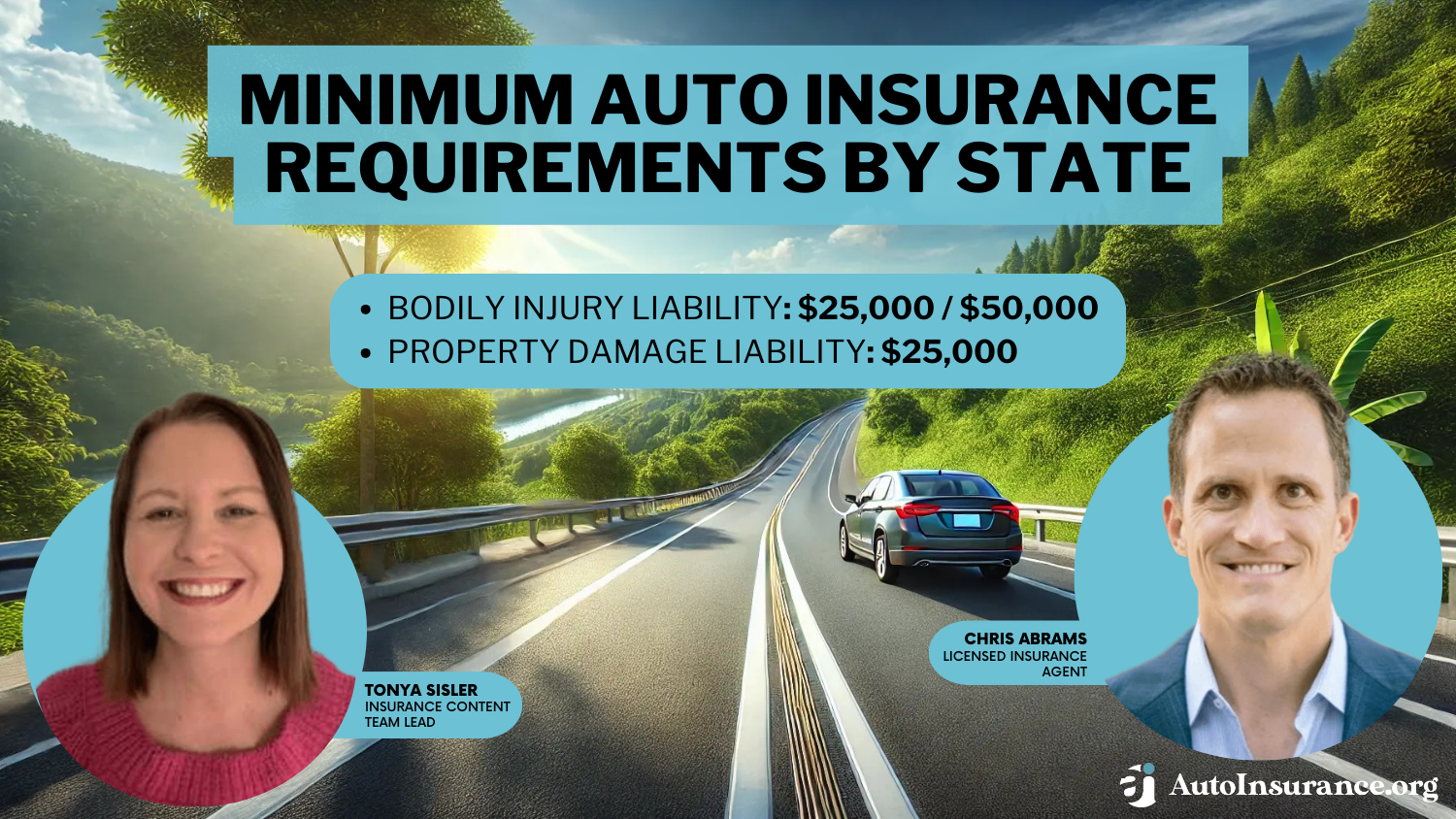
If a teen driver causes a multi-car pileup or hits a luxury electric vehicle, and the damage exceeds the state-mandated $25,000 limit, the driver (and potentially their parents, depending on state law and ownership) is personally liable for the remainder. This can lead to wage garnishment or the seizure of assets. Therefore, while minimum coverage is the legal requirement, it is often a financial gamble.
Frequently Asked Questions
Does a teen's credit score affect their minimum coverage rate?
In most states, yes. Even for minimum coverage, insurers use "insurance credit scores" to predict risk. Since most teens have no credit history, they are often assigned a neutral or "thin file" score, which is higher than a "good" score. This is another reason why being on a parent's policy is cheaper, as the parent's credit score is used.
Can a teen get their own insurance policy at 16?
In most states, a minor cannot legally sign a binding contract, including an insurance policy, without a parent or guardian as a co-signer. Furthermore, individual policies for minors are significantly more expensive and some carriers may refuse to write them entirely.
How long do the "teen" rates last?
Generally, insurance rates begin to see their first significant drop at age 21, with the most substantial decrease occurring after age 25. However, every year of clean driving (no tickets or at-fault accidents) between 16 and 21 will gradually lower the premium.
Does the color of the car affect the minimum insurance rate?
This is a common myth. The color of a car—even red—has zero impact on insurance rates. Carriers are interested in the vehicle's safety features, engine size, theft rates, and the cost of parts, not its paint color.
What happens if I drive without the minimum legal coverage?
Driving without the minimum required insurance is illegal and carries heavy penalties in 2026. These can include high fines, driver's license suspension, vehicle impoundment, and a "SR-22" requirement, which designates you as a high-risk driver and triples your future insurance costs for several years.
Final Recommendation for 2026
To find the best rates for a teenager, start by obtaining a quote from your current family insurer to see the cost of adding the teen to your policy. Then, compare that with quotes from at least two other "non-standard" insurers who specialize in high-risk drivers. Always prioritize telematics programs if the teen is a safe driver, as this is the fastest way to counteract the high baseline rates of 2026.
Image Gallery