Is LifeLock Worth the Price? A Comprehensive Evaluation of Identity Theft Protection
Determining whether LifeLock is worth the price depends on your personal risk tolerance, the value you place on convenience, and whether you prefer active identity monitoring paired with legal remediation over practicing good personal...
Determining whether LifeLock is worth the price depends on your personal risk tolerance, the value you place on convenience, and whether you prefer active identity monitoring paired with legal remediation over practicing good personal cybersecurity hygiene on your own. For individuals who want professional oversight, multi-bureau tracking, and substantial insurance coverage for stolen funds, the subscription fee is often considered a worthwhile investment. Conversely, users comfortable freezing their credit reports and monitoring their own accounts may find the service redundant.
Contents
Identity theft remains a pervasive modern risk. With data breaches routinely exposing millions of Social Security numbers, banking details, and personal identifiers, consumers are increasingly seeking ways to safeguard their financial lives. LifeLock, owned by NortonLifeLock (now known as Gen Digital), is among the most visible names in the identity theft protection industry. To decide if the subscription cost is justified, you need to understand how the service works, what features it includes, how it compares to free alternatives, and where its operational limitations lie.
Understanding Identity Theft Protection Services
Identity theft protection services do not stop data breaches from happening at the source. Instead, they act as an early warning system and a recovery safety net. When a company experiences a security incident, your personal information may circulate on the dark web or be used to open fraudulent accounts. Protection services monitor these data points across various registries, credit bureaus, and illicit marketplaces, alerting you to suspicious activity before it compounds into financial ruin.
The mechanics of these services rely on continuous data scraping and algorithmic matching. When someone attempts to use your Social Security number to secure a payday loan, open a credit card, or rent an apartment, the requesting entity typically queries one or more major credit bureaus. Identity theft protection platforms monitor these inquiries and public records databases in real time, triggering alerts when a mismatch or unauthorized application occurs.
Beyond detection, the primary value proposition of these services is remediation. If your identity is compromised, untangling the mess involves contacting financial institutions, filing police reports, placing fraud alerts, and disputing fraudulent charges. Premium identity theft protection services provide dedicated remediation specialists who handle much of this administrative burden on your behalf, potentially saving you dozens of hours of frustration.
Core Features and Tiered Pricing Structures
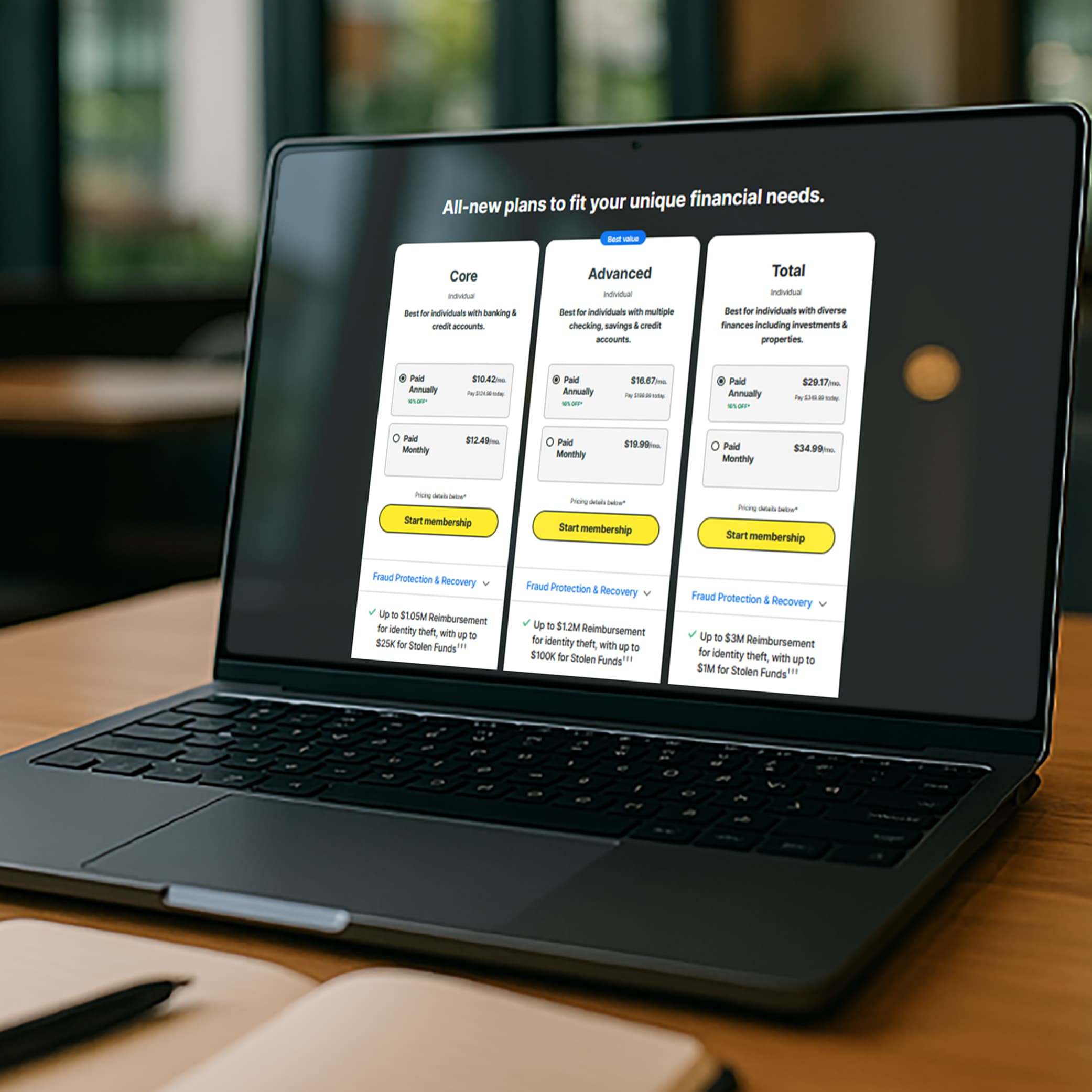
LifeLock structures its offerings across multiple tiers, scaling features and pricing according to the comprehensiveness of the monitoring. Understanding what each tier provides is essential for evaluating whether the cost aligns with your security requirements.
Standard Tier
The entry-level tier typically covers basic features, including:
- Social Security number and identity alert monitoring
- Dark web monitoring for personal data leaks
- Stolen funds reimbursement up to specific limits (often starting around $25,000)
- Basic identity restoration support
Advantage Tier
The mid-tier option expands monitoring to include broader financial indicators:
- Credit monitoring from a single bureau or all three bureaus, depending on the exact package configuration
- Bank and credit card activity alerts for unusual withdrawals or spending
- Crime alerts if your name is associated with an arrest or police record
- Increased stolen funds reimbursement limits (frequently up to $100,000)
Ultimate Plus Tier
The highest consumer tier offers comprehensive, multi-layered oversight:
- Three-bureau credit monitoring with regular score updates
- Investment and 401(k) account activity alerts
- Home title monitoring to guard against deed theft and property fraud
- Maximum stolen funds reimbursement limits (often up to $1 million)
- Personal expense compensation and lawyer fees coverage up to policy limits
Comparing Paid Protection vs. Free Self-Management
Before purchasing a subscription, consumers should evaluate what they can accomplish independently at zero cost. Federal law grants you significant power over your credit profile without requiring a paid subscription service.
| Protection Method | Cost | Pros | Cons |
|---|---|---|---|
| Credit Freezes | Free | Blocks new credit applications entirely; highly effective against identity theft. | Requires manual lifting when applying for legitimate credit. |
| Annual Credit Reports | Free (via AnnualCreditReport.com) | Allows you to review your complete credit history for errors. | Only shows historical data; does not provide real-time alerts. |
| Bank Fraud Alerts | Free | Notifications for large transactions or unusual account activity. | Limited to specific accounts; lacks comprehensive identity tracking. |
| LifeLock (Paid) | Monthly/Annual Subscription | Real-time multi-bureau alerts, dark web tracking, and dedicated restoration specialists. | Ongoing financial cost; does not prevent initial data breaches. |
A credit freeze is widely regarded by cybersecurity experts as the single most effective defense against financial identity theft. By freezing your credit at the three major bureaus—Equifax, Experian, and TransUnion—you prevent lenders from accessing your credit report, which stops identity thieves from opening new lines of credit in your name. Because credit freezes are entirely free under federal law, many financial advisors argue that a credit freeze combined with diligent self-monitoring eliminates the need for paid services for average consumers.
The True Value of Remediation Services and Insurance
While monitoring alerts you to a problem, insurance and remediation services determine how painful the resolution process will be. If an identity thief successfully opens fraudulent accounts, cleaning up the resulting damage can become a part-time job.
LifeLock includes legal assistance and reimbursement policies designed to offset financial losses. However, it is vital to read the fine print regarding insurance policies. Reimbursement typically covers:
- Stolen funds directly resulting from identity theft
- Personal expenses incurred during the recovery process (such as notarization fees, postage, and eldercare or childcare costs necessitated by recovery efforts)
- Expert witness and legal fees up to specified policy caps
The true worth of these policies depends on your risk profile. If you have substantial assets, complex financial portfolios, or have previously been a victim of identity theft, the peace of mind provided by a dedicated recovery specialist and a $1 million insurance policy can easily justify the subscription cost. Conversely, if your financial footprint is modest and you are prepared to manage your own credit recovery, the insurance component holds less practical value.
Potential Drawdowns and Limitations
No identity theft protection service is foolproof. Users considering LifeLock should be aware of several operational limitations and common criticisms associated with the platform.
Alert Fatigue
One of the most frequent user complaints involves excessive alerting. Services often trigger alerts for routine events, such as a change in your phone number, a routine credit inquiry from an existing lender, or minor address updates. This can lead to "alert fatigue," where users begin ignoring notifications, potentially missing a critical warning about actual fraudulent activity.
Detection Lag
While monitoring is continuous, it is not instantaneous. Because fraudsters often move quickly to exploit compromised data, there can be a window of time between when an unauthorized account is opened and when the monitoring system detects and flags the activity. A credit freeze completely closes this window for new credit lines, whereas monitoring only alerts you after the fact.
Subscription Price Increases
LifeLock frequently utilizes introductory pricing structures. Consumers often sign up for a heavily discounted introductory rate, only to experience a significant price increase upon renewal. Evaluating whether the service is worth the price requires looking past the promotional first-year rate and calculating the long-term cost over several years of continuous subscription.
Who Benefits Most From LifeLock?
Certain demographics and situations make a paid identity theft protection service a practical investment rather than an unnecessary expense.
- Frequent Data Breach Victims: If your personal information has been exposed in multiple major corporate data breaches, your Social Security number and historical data may already circulate widely on underground forums. Proactive monitoring provides an added layer of surveillance.
- Busy Professionals and Executives: Individuals with demanding schedules who lack the time to regularly audit credit reports, monitor bank statements, and manage security settings often find that outsourcing this vigilance to a service is worth the expense.
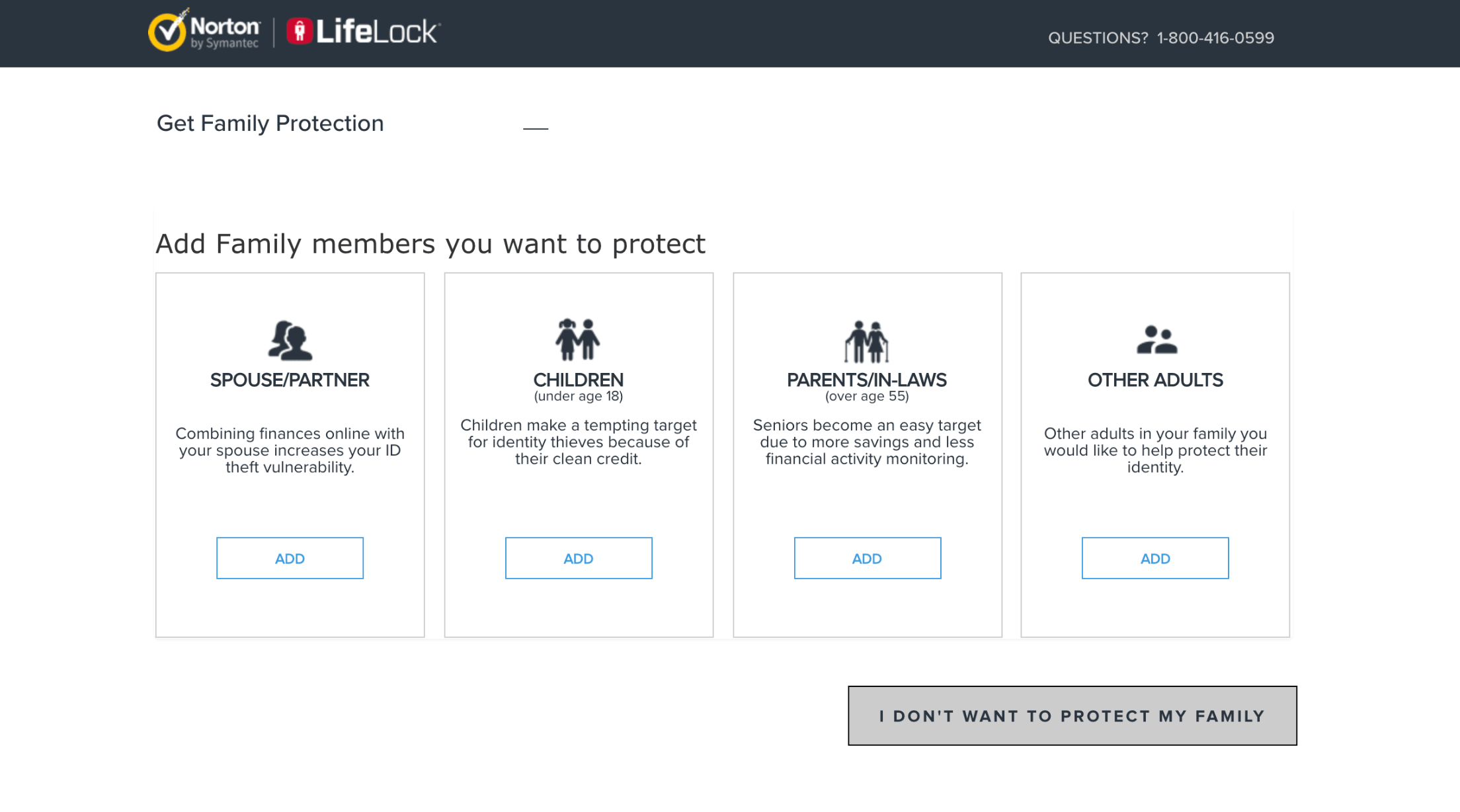
- Families and Seniors: Seniors are frequently targeted by financial scammers, and children's identities are targeted because minors have clean credit slates that can go unchecked for years. LifeLock offers specialized family plans that cover child monitoring.
- Recent Victims of Identity Theft: If you have already experienced identity theft, the administrative burden of recovery is immense. Enlisting professional assistance can streamline the remediation process.
Frequently Asked Questions
Can LifeLock prevent someone from stealing my identity?
No identity theft protection service can entirely prevent your information from being compromised or stolen. LifeLock functions as a detection, alert, and recovery service. It warns you when your information is misused and provides professional assistance to help fix the damage, but it cannot stop bad actors from acquiring data leaked in third-party breaches.
Is a credit freeze better than paying for LifeLock?
A credit freeze is free and offers superior protection against new account fraud because it actively blocks lenders from accessing your credit report. However, a credit freeze does not monitor the dark web, check for non-credit fraud (such as payday loans or tax identity theft), or provide insurance and professional restoration services. Many security experts recommend using free credit freezes alongside careful account monitoring, making paid services optional based on individual preference.
What happens to my LifeLock subscription price after the first year?
LifeLock typically offers promotional introductory rates for the first year of service. Once this promotional period expires, the subscription automatically renews at the standard, non-discounted rate, which is often substantially higher. Users should review the renewal terms before signing up to ensure the long-term cost aligns with their budget.
Does LifeLock protect all members of my family?
Standard LifeLock plans cover a single individual. To protect a spouse, partner, or dependents, you must select a family plan tier. Family plans typically include monitoring for adults and specialized child lock features designed to protect minors from having credit fraudulently established in their names.
Is my personal data safe with LifeLock?
As a cybersecurity and identity protection company, LifeLock (under Gen Digital) maintains rigorous security protocols, including encryption and strict access controls, to protect customer data. However, no digital platform is completely immune to security incidents, making it important to use strong, unique passwords and multi-factor authentication for your account.
Final Recommendation
Deciding if LifeLock is worth the price comes down to an assessment of your personal risk management strategy. If you prefer a hands-off approach, want automated multi-bureau alerts, and desire financial backing and professional assistance in the event of a breach, LifeLock provides a comprehensive suite of tools that justify the cost for many households.
However, if you are willing to manage your own cybersecurity—by freezing your credit reports, monitoring your bank statements weekly, and utilizing free annual credit reports—you can achieve a high level of security without paying a monthly fee. Evaluate your willingness to perform these administrative tasks against the convenience and safety net offered by a paid subscription to make the best choice for your financial security in 2026.
Image Gallery