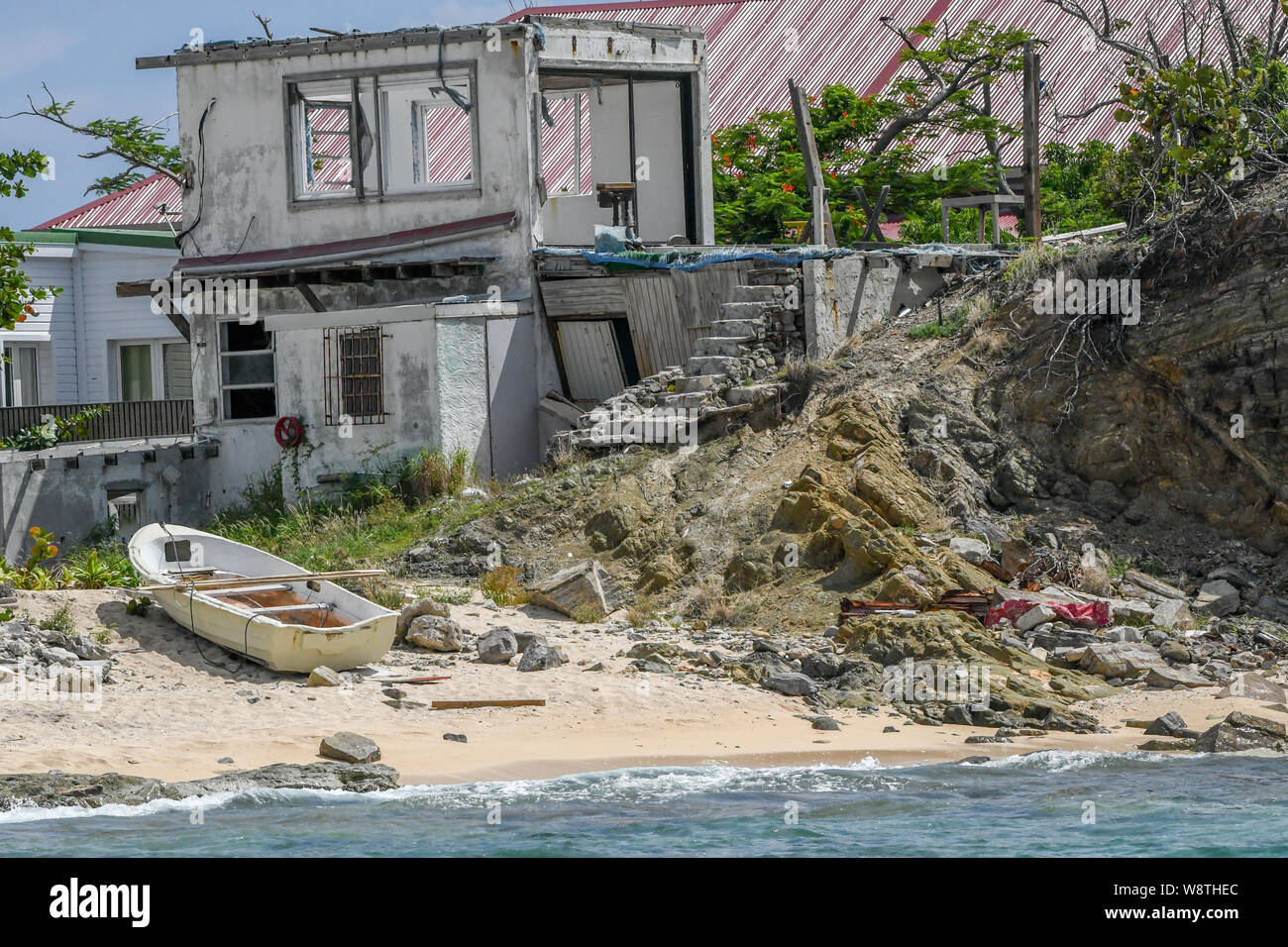
Why the St. Maarten Damage Matters: Infrastructure, Economic Resilience, and Insurance Implications
The damage sustained by St. Maarten—particularly following major meteorological events—matters because it serves as a critical stress test for Caribbean infrastructure, global reinsurance markets, and the socioeconomic stability of dua...
The damage sustained by St. Maarten—particularly following major meteorological events—matters because it serves as a critical stress test for Caribbean infrastructure, global reinsurance markets, and the socioeconomic stability of dual-sovereign island territories. The island’s unique geopolitical status, split between the French Collectivity of Saint-Martin and the Dutch Sint Maarten, creates a complex landscape where recovery logistics, regulatory frameworks, and long-term climate adaptation strategies intersect to influence regional development.
Contents
The Geopolitical Complexity of St. Maarten
St. Maarten is not a monolithic administrative entity. The northern side is an overseas collectivity of France, while the southern side is a constituent country within the Kingdom of the Netherlands. This division creates distinct legal and structural realities when assessing damage.
When large-scale destruction occurs, the "why it matters" aspect is anchored in the disparate response mechanisms. The French side often relies on centralized administrative support from Paris, while the Dutch side manages its recovery through local government and cooperation with the Netherlands under specific Kingdom charters. Understanding this dual management is essential for investors, insurers, and aid organizations, as it dictates the procurement of materials, the application of building codes, and the prioritization of essential services like the Princess Juliana International Airport—a central hub for the entire Leeward Islands region.
Economic Dependency and the Vulnerability of Tourism
The economy of St. Maarten is heavily reliant on cruise tourism and high-end hospitality. When damage occurs, the impact is magnified across the regional supply chain. The destruction of port facilities or hotel infrastructure creates a "lost revenue" cycle that extends far beyond the island’s borders.
The significance of this damage lies in the concentration of risk. Major international cruise lines and global insurance syndicates view the island as a high-exposure zone. Consequently, when storm-related damage occurs, the resulting spike in premiums and the tightening of underwriting standards affect the entire Caribbean basin. For stakeholders, the damage is a leading indicator of whether the island can maintain its status as a premier tourist destination or if it will face long-term capital flight and stalled development projects.
Infrastructure Resilience and Building Standards
The physical damage sustained by St. Maarten acts as a real-world laboratory for modern construction standards. The transition from traditional, vulnerable architecture to hardened, resilient infrastructure is a matter of both public safety and fiscal policy.
The importance of this damage in the context of urban planning cannot be overstated:
- Building Codes: Every event forces a re-evaluation of current wind-load and flood-prevention standards.
- Critical Infrastructure: Repairs to power grids, telecommunications, and water desalination plants are not just "fixes"; they represent upgrades toward climate-ready, decentralized systems.
- Supply Chain Logistics: The island’s reliance on imported construction materials means that damaged ports create a bottleneck, causing cost inflation that can last for years after the initial event.
Insurance and Reinsurance Market Dynamics
For the insurance sector, St. Maarten represents a classic case of concentrated catastrophic risk. The damage matters because it directly triggers payouts from global reinsurance entities, which in turn influences the "soft" or "hard" market cycle for the wider region.
| Feature | Impact of Damage |
|---|---|
| Premium Costs | Immediate, multi-year increase in property and casualty premiums. |
| Risk Modeling | Drives updates to catastrophe risk models used by global actuaries. |
| Capital Allocation | Shifts focus from growth in the Caribbean to capital preservation. |
| Public-Private Partnerships | Encourages governments to explore parametric insurance solutions. |
Parametric insurance—where payouts are triggered by specific events (like wind speeds reaching a certain threshold) rather than traditional loss assessment—has become a focus of debate following significant damage. The efficiency of these mechanisms is tested every time the island faces a recovery cycle, making the experience of St. Maarten a blueprint for other Small Island Developing States (SIDS).
Ecological and Environmental Interdependence
The destruction of coastal ecosystems in St. Maarten—such as coral reefs and mangroves—is a significant component of the damage that often goes underreported. These natural barriers act as the first line of defense against storm surges. When they are destroyed, the island’s vulnerability to future events increases exponentially.
Understanding this matters because it shifts the conversation from merely "rebuilding buildings" to "restoring environmental services." Long-term economic stability in St. Maarten is now inextricably linked to environmental conservation. Investors who ignore the biological health of the coastlines are essentially ignoring the longevity of their own physical assets.
Strategic Priorities for Stakeholders
For individuals and businesses operating in or with exposure to St. Maarten, the lessons learned from previous damage cycles are critical:
- Diversification of Risk: Avoid over-concentration in vulnerable coastal zones without adequate flood protection measures.
- Contingency Planning: Businesses must maintain operational reserves that account for extended port closures and infrastructure outages.
- Policy Compliance: Adhering to the most current, stringent building codes—even when not strictly required by older local ordinances—often lowers total cost of ownership through reduced insurance premiums and lower repair frequency.
Frequently Asked Questions
Why does St. Maarten’s recovery process take longer than on the mainland? St. Maarten relies on international supply chains for almost all construction materials and equipment. Because it is an island, the logistics of clearing ports, repairing docking facilities, and coordinating the arrival of heavy machinery are complex and costly, leading to significant delays compared to mainland regions with land-based supply access.
How does damage in St. Maarten affect global insurance rates? Global reinsurers aggregate the risk of the entire Caribbean region. Significant losses in St. Maarten are factored into global catastrophic risk models, which frequently leads to an upward adjustment in the "risk premium" charged to policyholders across the Caribbean, even those on islands that were not directly affected by the same event.
What is the role of parametric insurance in future recovery? Parametric insurance provides rapid liquidity by paying out based on objective data (such as wind speed) rather than waiting for an adjuster to inspect properties. This is vital for St. Maarten to begin immediate debris removal and essential service restoration without waiting months for traditional claim adjudication.
Are there different building codes for the Dutch and French sides? Yes. The Dutch side (Sint Maarten) and the French side (Saint-Martin) follow different administrative standards and codes aligned with their respective sovereign nations. This means that recovery efforts, permit processes, and technical compliance requirements vary significantly depending on which side of the border a property is located.
How does environmental damage increase the financial risk of properties? Healthy coral reefs and mangroves act as buffers against storm surges. Their destruction reduces the island's natural resilience, meaning that properties near the coast are subject to higher velocity water and debris impact during subsequent events, which lowers the actuarial value of these properties over time.
Recommendation
If you have financial exposure in St. Maarten—whether through real estate, business operations, or investments—the primary action is to audit your portfolio for "geopolitical and environmental exposure." Review your insurance policies to confirm whether they include business interruption coverage with parametric triggers, and ensure that your property’s structural specifications meet the most recent post-event building standards, rather than the historical codes present at the time of construction.
Image Gallery