Understanding Foundation Repair in Decatur, TX: Causes, Solutions, and Expert Insights
Foundation repair in Decatur, Texas requires an understanding of North Texas geology, particularly the expansive clay soils that shift dramatically with seasonal moisture fluctuations, causing structural movement, wall cracks, and unev...
Foundation repair in Decatur, Texas requires an understanding of North Texas geology, particularly the expansive clay soils that shift dramatically with seasonal moisture fluctuations, causing structural movement, wall cracks, and uneven floors that demand professional stabilization methods like pressed concrete piers or steel piers.
Contents
The Geologic Reality of Decatur, TX Foundations
Decatur, Texas sits within a region characterized by heavy clay soils, often referred to as black gumbo or expansive clay. This soil type possesses a high shrink-swell capacity. During periods of heavy rainfall, the soil absorbs moisture and expands, exerting immense upward pressure on concrete slab and pier-and-beam foundations. Conversely, during hot, dry North Texas summers, the soil dries out, shrinks, and leaves a void beneath the foundation, causing sections of the structure to drop or settle.
This relentless cycle of expansion and contraction creates severe stress on residential and commercial structures. Over time, the uniform support beneath a building fails, resulting in differential movement. Understanding this local geology is the first step toward recognizing why foundation issues are so prevalent in Wise County and why standard DIY fixes are entirely inadequate for addressing underlying structural failures.
Identifying Warning Signs of Foundation Distress
Property owners in Decatur must remain vigilant for early indicators of foundation movement. Catching structural issues early prevents minor cosmetic cracks from developing into catastrophic framing and plumbing failures. Symptoms of foundation distress typically manifest both inside and outside the structure.
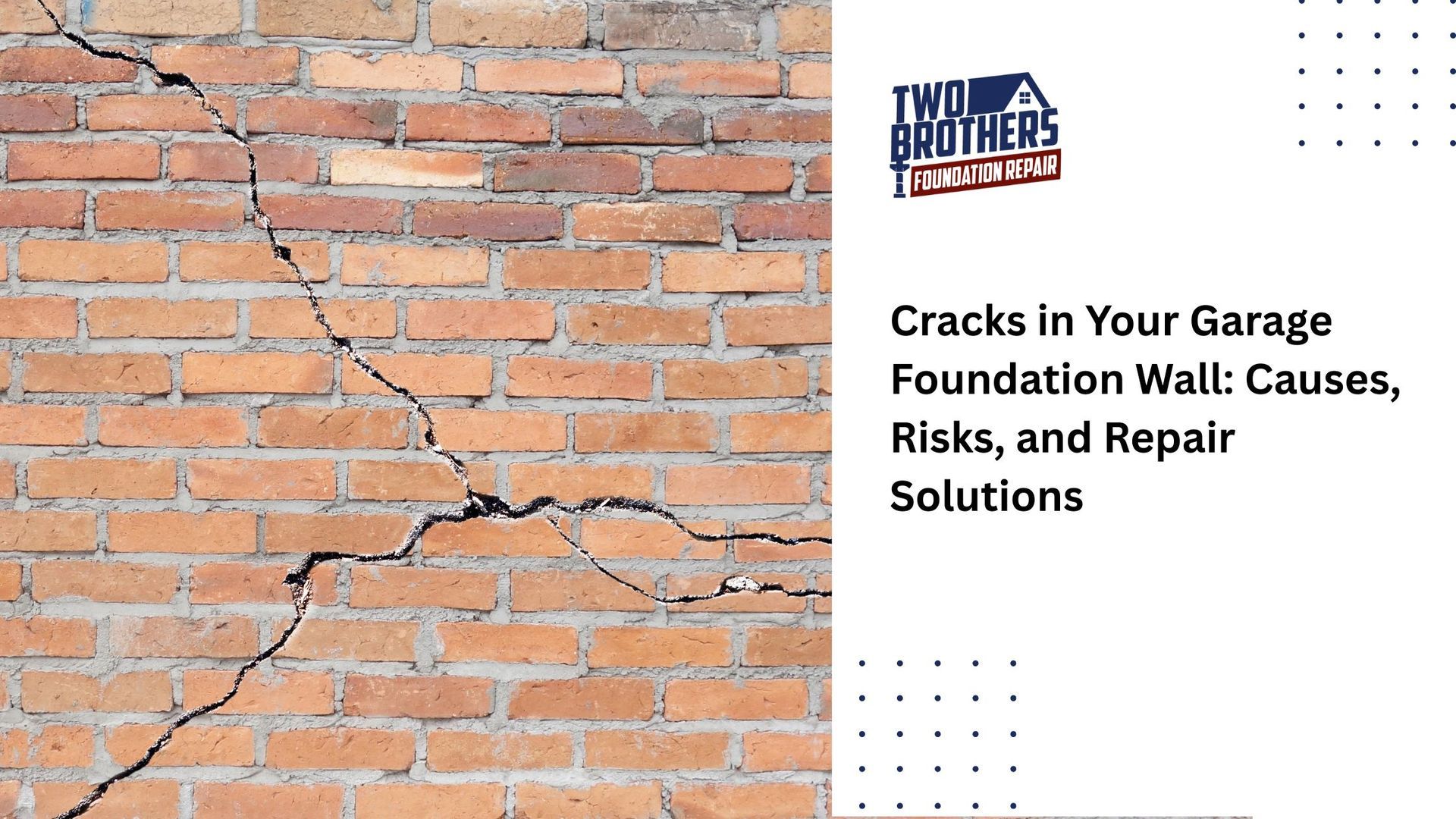
- Exterior Indicators: Brick veneer cracking (often in a characteristic stair-step pattern along mortar joints), separation around door and window frames, gaps between exterior walls and soffits, and tilting chimneys.
- Interior Indicators: Cracks in drywall or plaster (particularly emanating from the corners of doors and windows), doors and windows that stick or fail to latch properly, sloping or uneven floors, and gaps between baseboards and the floor.
- Plumbing and Structural Signs: Unexplained spikes in water bills that may indicate a sub-slab plumbing leak caused by shifting earth, or separation between interior walls and the ceiling.
Common Foundation Repair Methods Used in Decatur
When structural damage exceeds normal tolerance levels, professional intervention is required. Foundation repair contractors operating in the Decatur area typically employ engineered systems designed to transfer the weight of the structure down to stable load-bearing strata beneath the active clay zone.
Pressed Concrete Piling Systems
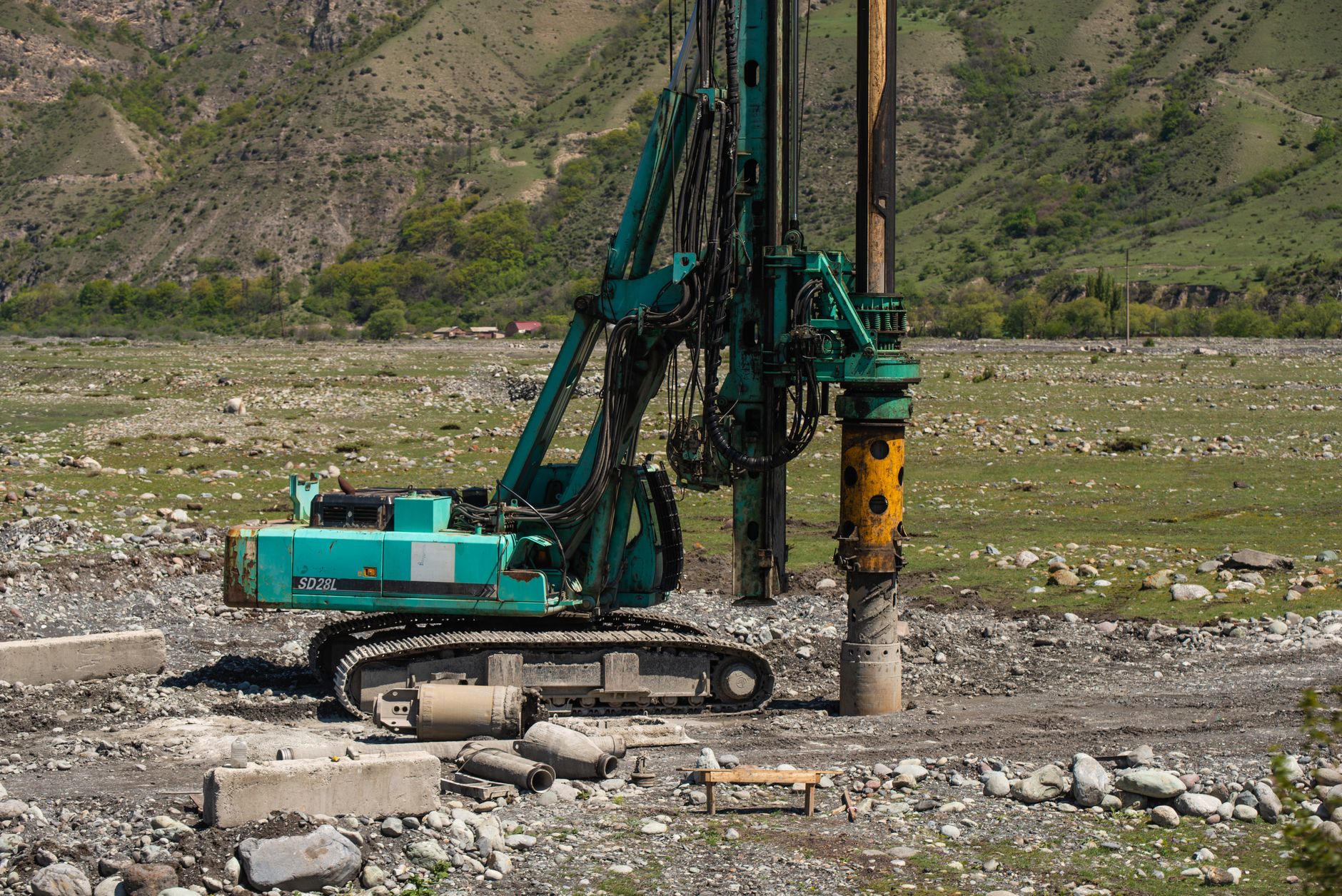
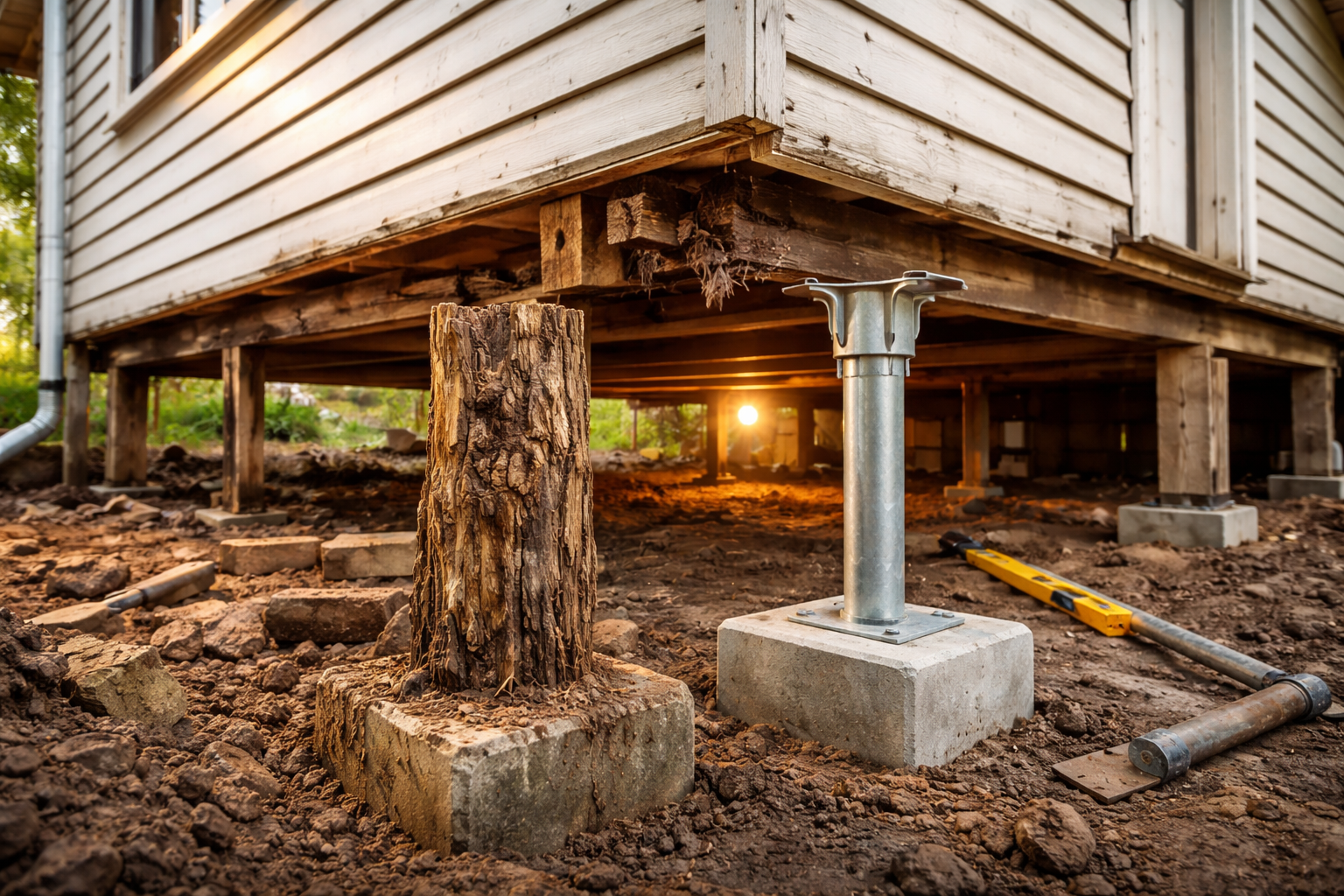
Pressed concrete pilings are a popular, cost-effective choice for many residential properties in North Texas. During this process, hydraulic equipment drives pre-cast concrete cylinders segments deep into the ground beneath the foundation until refusal—meaning they hit stable soil or rock. Once the pilings are driven to depth, the foundation is carefully lifted using steel shims and hydraulic jacks.
Steel Pier Systems
For heavier structures, commercial properties, or homes experiencing extreme settlement, steel piers are often the gold standard. These heavy-duty piers are driven deep into the earth, often anchoring directly into bedrock or exceptionally dense strata. Steel piers offer superior depth capabilities compared to concrete and can support significantly greater loads, making them ideal for severe structural shifts.
Mudjacking and Polyurethane Foam Injection
When concrete slabs settle due to localized soil compaction or minor sub-base erosion without severe structural cracking, slab lifting methods like mudjacking or polyurethane foam injection (poly jacking) are utilized. Polyurethane foam expands rapidly beneath the slab, filling voids, stabilizing the soil, and lifting the concrete back to its original grade with minimal disruption.
Comparing Decatur Foundation Repair Options
Choosing the right repair method depends on the severity of the damage, soil depth to load-bearing strata, and the structural design of the building. The following comparison outlines the primary characteristics of standard repair techniques used in the area.
| Repair Method | Best Suited For | Depth Capability | Typical Disruption | Longevity |
|---|---|---|---|---|
| Pressed Concrete Piers | Standard residential slab foundations on moderate clay soils | Moderate (12–20+ feet) | Moderate (some exterior digging) | High (decades with proper maintenance) |
| Steel Piers | Severe structural settlement, heavy homes, commercial buildings | Deep (often 30–60+ feet to bedrock) | Moderate to Low | Very High (permanent structural solution) |
| Polyurethane Foam Injection | Minor slab settlement, void filling, concrete lifting | Shallow (sub-slab void filling) | Minimal (small dime-sized injection holes) | High (stabilizes underlying base) |
| Helical Piers | New construction, lightweight structures, porches, and chimneys | Variable (engineered torque-driven depth) | Moderate | Very High |
The Foundation Repair Process: What to Expect
Executing a professional foundation repair project involves a structured sequence of engineering evaluation, physical installation, and post-repair stabilization. Property owners should expect a thorough, multi-step process when hiring a licensed structural specialist in Decatur.
- Initial Structural Evaluation: An independent structural engineer or a certified foundation specialist inspects the property, measures elevations using high-precision digital levels, maps crack patterns, and diagnoses the root cause of the distress.
- Engineering Plan Formulation: Based on elevation data and site conditions, a targeted repair plan is drafted, specifying the exact quantity, placement, and type of piers required.
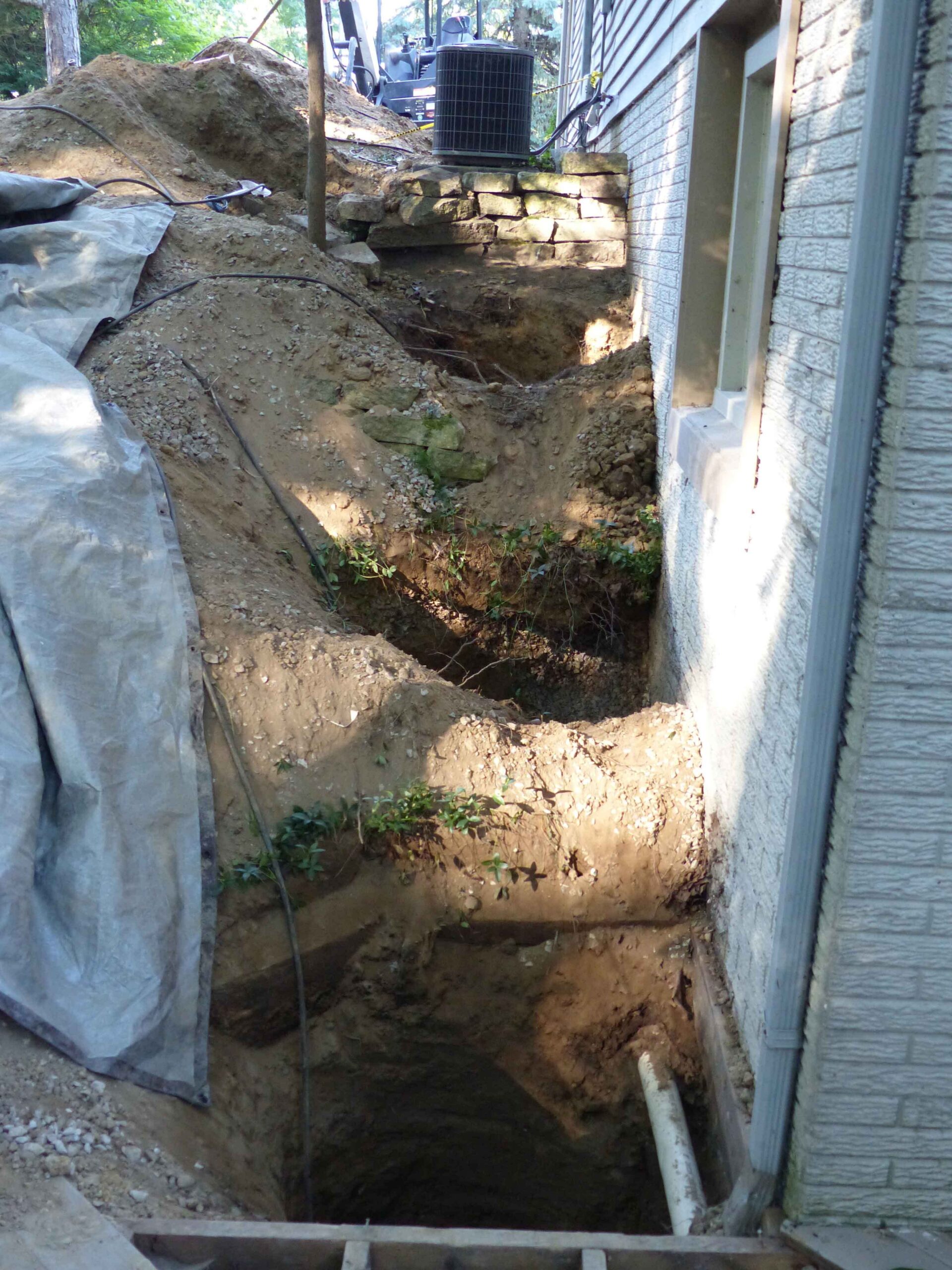
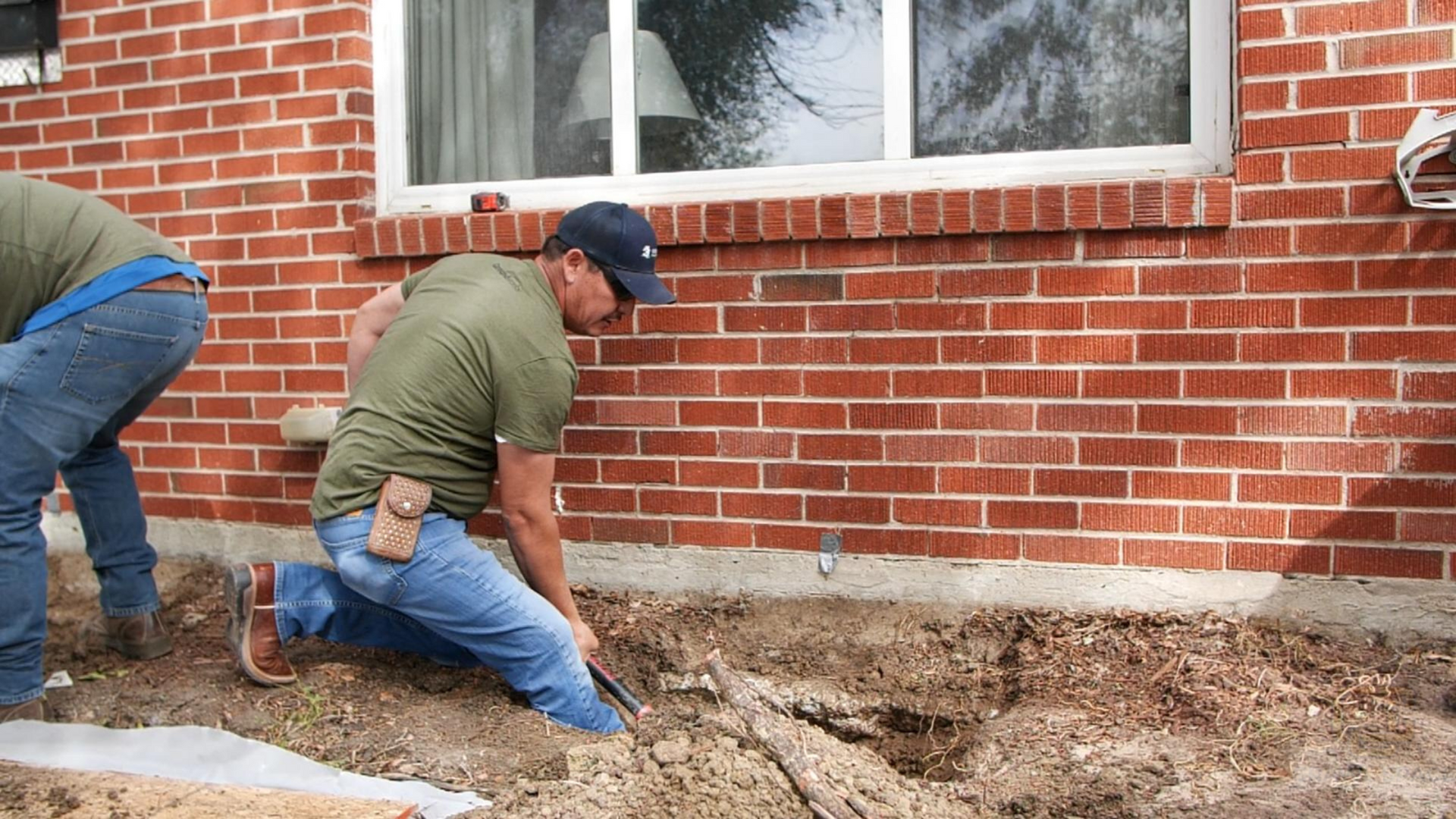
- Excavation: Crews dig small access holes (bell holes or working pits) around the perimeter of the foundation and occasionally through interior slab sections if deep interior piers are necessary.
- Pier Installation and Lifting: Pilings or steel piers are driven or pressed into the ground. Hydraulic jacks lift the structure safely back toward its original elevation, monitored closely to prevent secondary framing damage.
- Backfilling and Clean-up: Once the structure is stabilized and shimmed, excavations are backfilled, and the site is restored as closely as possible to its original condition.
Preventive Maintenance and Soil Management
Because Decatur's clay soils are the primary catalyst for foundation movement, proactive moisture management is vital for protecting structural integrity after repairs are completed. Property owners can mitigate future soil shrinkage and expansion by implementing consistent landscaping and drainage practices.
- Maintain Consistent Soil Moisture: During drought conditions, use a soaker hose system placed 12 to 18 inches away from the foundation perimeter to keep the clay soil from shrinking and pulling away from the slab.
- Ensure Proper Drainage: Grade soil away from the foundation walls so that rainwater flows outward rather than pooling against the slab. Clean gutters regularly and extend downspouts at least three to five feet away from the structure.
- Manage Large Trees: Large trees, such as oaks and elms, consume massive amounts of water from the soil. Planting trees a safe distance from the foundation or installing root barriers prevents localized dehydration of expansive clay soils.
Frequently Asked Questions About Foundation Repair in Decatur, TX
How do I know if my foundation issues are serious?
Hairline cracks in drywall or brick mortar under 1/16 of an inch are often normal settling. However, cracks wider than 1/4 inch, sticking doors, windows that will not lock, and stair-step brick cracks indicate serious differential movement requiring a professional structural evaluation.
Do I need a structural engineer before getting foundation repair?
While many foundation companies provide free initial estimates, hiring an independent structural engineer provides an unbiased assessment. In Texas, utilizing an engineer to draw up a repair plan ensures that the proposed fix meets rigorous structural standards.
How long does a typical foundation repair project take?
Most standard residential foundation repair projects in Decatur can be completed in one to three days, depending on the number of piers required and whether interior or exterior access is necessary.
Are foundation repairs covered by homeowners insurance?
Generally, standard homeowners insurance policies exclude foundation repairs because settling is considered normal wear and tear or maintenance-related. Coverage may only apply if the damage is directly caused by a covered peril, such as a sudden plumbing leak under the slab.
Will foundation repair fix my cracked drywall and sticking doors?
Foundation piers stabilize the structure and stop further movement, often allowing doors and windows to realign. However, cosmetic repairs like patching drywall, repainting, and re-stuccoed exterior brick are typically the responsibility of the homeowner after stabilization is complete.
Next Actions for Property Owners
If you observe warning signs of structural distress in your Decatur home or business, schedule an inspection with a reputable, licensed foundation specialist or structural engineer promptly. Delaying repairs allows differential settlement to worsen, leading to compounding damage across framing, plumbing, and roofing systems. Collect multiple estimates, verify engineering credentials, and ensure all work comes with a transferable warranty to protect your investment for years to come.
Image Gallery