Why the French Horror Film Eyes Without a Face Matters
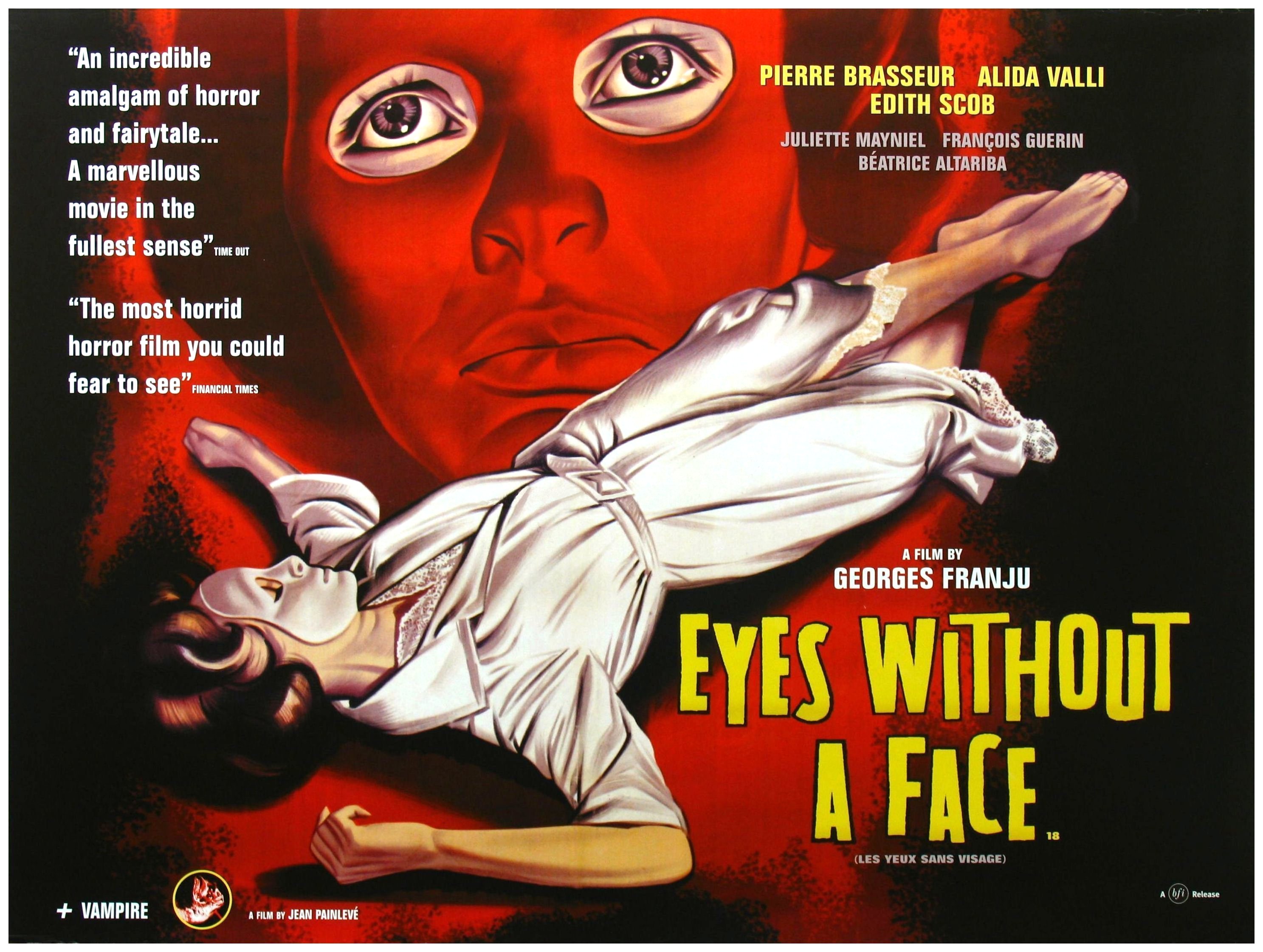
Released in 1960, Georges Franju’s French horror classic Eyes Without a Face (Les Yeux sans visage) redefined cinematic terror by marrying gruesome visceral horror with lyrical European art-house aesthetics. The film established founda...
Released in 1960, Georges Franju’s French horror classic Eyes Without a Face (Les Yeux sans visage) redefined cinematic terror by marrying gruesome visceral horror with lyrical European art-house aesthetics. The film established foundational tropes for modern body horror, proved that graphic violence could coexist with high cinematic art, and directly influenced generations of filmmakers.
Contents
Historical Context: Navigating Censorship and Redefining 1960s Horror
When director Georges Franju adapted Jean Redon’s novel Les Yeux sans visage in the late 1950s, horror cinema was strictly segregated. Anglo-American productions dominated the genre through Hammer Film Productions' gothic shockers and American B-movie creature features. European cinema authorities viewed horror with suspicion, considering graphic violence lowbrow or morally corrupting.
Franju faced severe regulatory constraints from multiple European censorship boards:
- French Censors: Warned against excessive blood, graphic surgical detail, and gruesome depictions of death.
- British Board of Film Censors (BBFC): Threatens strict bans or cuts if the film featured animal cruelty, mad scientists operating without consequences, or explicit gore.
- American Hays Code: Required clear moral retribution for criminal acts and strict limitations on graphic bodily harm.
Rather than diluting the narrative, Franju used these restrictions to invent a distinct subgenre: poetic horror. By maintaining an elegant, dreamlike atmosphere while delivering one undeniably visceral surgical sequence, Franju created a landmark work. When the film premiered at the 1960 Edinburgh International Film Festival, reports surfaced of audience members fainting during the face-transplant scene. Critical reaction was initially polarized—British critics expressed outrage over its clinical cruelty—but the film's reputation evolved rapidly into recognition as a masterpiece of French cinema.
Thematic Depth: Guilt, Obsession, and Medical Ethics
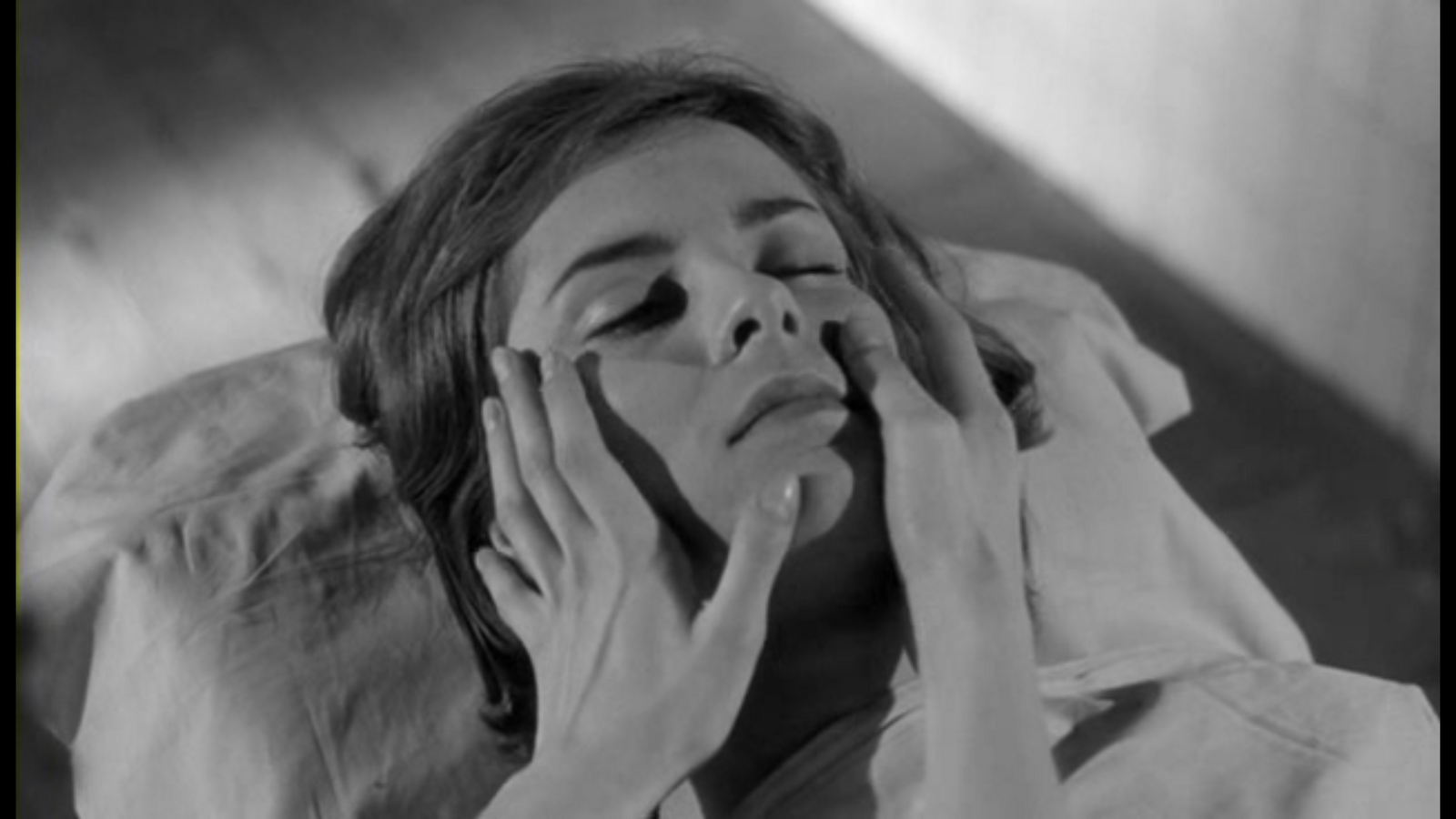
At its core, Eyes Without a Face is a tragic fable about paternal guilt, medical vanity, and the dehumanization of women. The plot follows Dr. Génessier (Pierre Brasseur), a prominent surgeon responsible for a car crash that disfigured his daughter, Christiane (Edith Scob). Consumed by guilt and scientific hubris, Génessier, aided by his loyal assistant Louise (Alida Valli), kidnaps young women to harvest their faces for skin graft surgeries ("heteroplasty") to restore Christiane’s appearance.
- Paternal Guilt & Hubris
- Abduction of Young Women
- Surgical Face Grafting
- Dehumanization & Biological Rejection
The film explores complex themes that remain highly relevant:
- The Objectification of the Female Body: Christiane is reduced to a clinical experiment and a monument to her father's pride. Her identity is stripped away alongside her facial features, rendering her a literal and figurative ghost within her own home.
- Medical Vanity and Unchecked Authority: Dr. Génessier embodies the post-World War II anxieties surrounding unchecked scientific experimentation. His mansion, equipped with a sterile subterranean operating theater and cages of barking dogs, serves as a metaphor for ethical detachment.
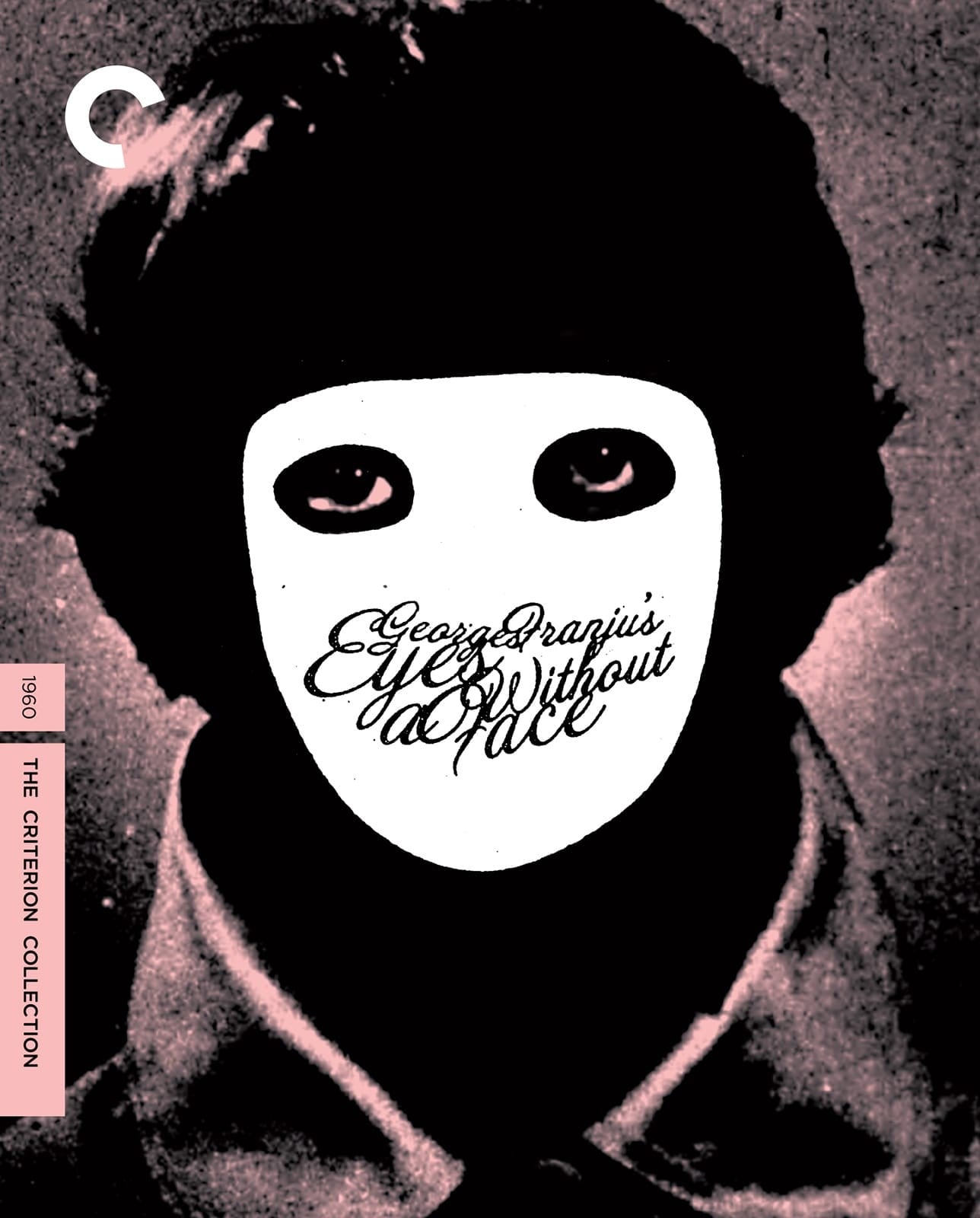
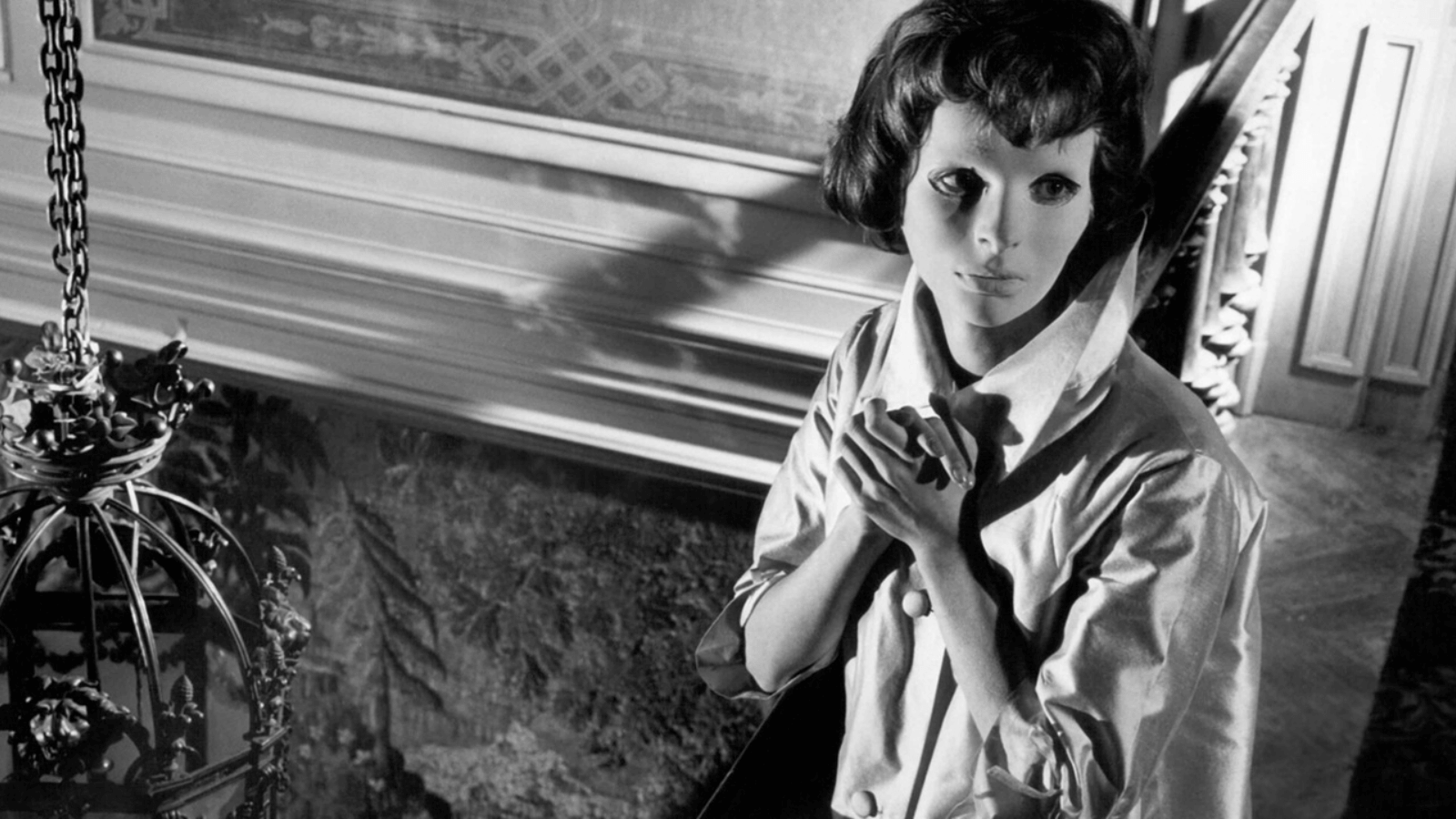
- Identity and the Face: The film examines how human identity relies on facial expression. Deprived of her original face, Christiane wears a seamless, rigid white alabaster mask. The mask masks her emotions, forcing the audience to read her suffering entirely through her expressive eyes.
Poetic Realism Meets Body Horror: Technical Craftsmanship
Eyes Without a Face achieved its haunting atmosphere through a rare synthesis of European poetic realism and groundbreaking practical effects. Franju collaborated with legendary technicians to build an unsettling contrast between clinical horror and romantic tragedy.
Eugen Schüfftan’s Chiaroscuro Cinematography
Cinematographer Eugen Schüfftan—famous for pioneering the Schüfftan optical effect in Fritz Lang’s Metropolis (1927)—shot the film in crisp black-and-white. Schüfftan utilized deep focus, stark shadows, and soft diffusion around Edith Scob to create a stark contrast between two distinct environments:
- The Clinical World: Hard, bright, shadowless lighting in the operating room emphasizing surgical precision and blood.
- The Lyrical World: Soft, foggy lighting around the estate’s grounds, framing Christiane in long flowing gowns like a tragic phantom floating through a gothic graveyard.
Maurice Jarre’s Dissonant Musical Score
Before achieving international fame with his score for Lawrence of Arabia (1962), composer Maurice Jarre crafted an unconventional soundtrack for Les Yeux sans visage. Instead of relying on typical gothic orchestration or sudden stingers, Jarre composed a carnival-like waltz played on a calliope and strings. This cheerful, ironic melody plays during moments of profound horror and body disposal, heightening the viewer's psychological discomfort through tonal dissonance.
Edith Scob’s Mask and Physical Performance
Edith Scob’s performance remains one of the most celebrated physical acting roles in film history. Wearing a tight-fitting plastic mask that restricted facial movements, Scob communicated profound anguish, longing, and horror through posture, delicate hand movements, and eyes visible through narrow eyeholes.
| Role | Name | Notable Contribution |
|---|---|---|
| Director | Georges Franju | Co-founder of Cinémathèque Française; combined realism with surrealism |
| Cinematographer | Eugen Schüfftan | Pioneer of optical visual effects; high-contrast B&W photography |
| Composer | Maurice Jarre | Oscar-winning composer; created jaunty, dissonant waltz theme |
| Screenplay | Boileau-Narcejac (Collaborators) | Screenwriting duo behind Vertigo and Les Diaboliques |
Cultural Impact: Influencing Generations of Directors
The legacy of Eyes Without a Face extends across decades of cinema, shaping the visual grammar of horror, thriller, and arthouse genres.
Directing Influences
- John Carpenter (Halloween, 1978): Carpenter explicitly credited Christiane’s rigid white mask as the primary inspiration for the unmoving, emotionless mask worn by Michael Myers.
- Pedro Almodóvar (The Skin I Live In, 2011): Almodóvar’s psychological thriller about a plastic surgeon creating synthetic skin pays direct homage to Franju’s narrative and themes of bodily manipulation.
- David Cronenberg: Franju’s explicit, clinical gaze during the skin-graft surgery laid the groundwork for Cronenberg’s visceral exploration of body horror in films like The Fly (1986) and Dead Ringers (1988).
- Guillermo del Toro: Del Toro has frequently cited Franju’s ability to turn monsters into sympathetic, poetic figures as a foundational influence on his dark fantasy cinema.
Musical and Pop Culture References
The film transcended cinema into popular music and fashion. Rock musician Billy Idol titled his 1983 hit single "Eyes Without a Face" after the film, incorporating the French phrase "Les yeux sans visage" into the song's backing vocals.
Comparative Analysis: 1960 Horror Milestones
The year 1960 was a watershed moment for modern horror cinema. Three major releases radically shifted the genre away from gothic monsters toward real-world human pathology and surgical/psychological violence.
| Film Attribute | Eyes Without a Face (Les Yeux sans visage) | Psycho | Peeping Tom |
|---|---|---|---|
| Director | Georges Franju | Alfred Hitchcock | Michael Powell |
| Country of Origin | France | United States | United Kingdom |
| Primary Horror Subgenre | Poetic Body Horror / Medical Thriller | Psychological Slasher / Thriller | Voyeuristic Psychological Horror |
| Antagonist Motivation | Paternal guilt and surgical obsession | Split personality and maternal trauma | Childhood trauma and psychological study |
| Visual Style | High-contrast B&W, surreal, lyrical | Low-budget B&W, TV-crew realism | Vibrant Technicolor, subjective camera |
| Censorship Impact | Fainting reports; controversial surgical scenes | Censored shower scene; bathroom toilet inclusion | Career-damaging British critical backlash |
| Long-Term Legacy | Foundation for body horror and iconic masks | Template for modern slasher and psychological thrillers | Pioneer of voyeuristic cinema and meta-horror |
How to Experience the Film Today
To fully appreciate why Eyes Without a Face matters, viewers should seek out high-quality restorations that preserve Eugen Schüfftan’s original black-and-white tonal scale and Maurice Jarre’s uncompressed audio score.
- Criterion Collection Edition: The 2K digital restoration available from The Criterion Collection offers uncompressed original French monaural audio, high-definition transfers, and supplemental documentaries including Franju's famous 1949 short film Hôtel des Invalides.
- British Film Institute (BFI) Releases: The BFI release provides historical context on European film censorship and archival commentary analyzing Franju’s role in co-founding the Cinémathèque Française.
- Key Details to Watch For During Viewing:
- The Face-Removal Scene: Observe how Franju uses naturalistic sound effects—the rasp of a scalpel cutting tissue—without dramatic musical accompaniment to heighten realism.
- The Finale: Note how the release of white doves and laboratory animals shifts the tone from clinical terror to surreal, fairytale-like redemption.
Frequently Asked Questions
Why was Eyes Without a Face so controversial upon its 1960 release?
The film broke unwritten European censorship rules by presenting explicit, clinical surgical gore within a narrative that did not explicitly condemn its protagonist through standard moral tropes. During its Edinburgh premiere, multiple audience members reportedly fainted during the realistic heteroplasty sequence, prompting fierce critical backlash in the United Kingdom and North America.
How did the film influence Michael Myers' mask in Halloween?
Director John Carpenter and production designer Tommy Lee Wallace sought a blank, expressionless mask for Michael Myers in Halloween (1978). They took visual inspiration from Edith Scob’s rigid, white alabaster mask in Eyes Without a Face, which conveyed terror precisely because it concealed human emotion behind a featureless surface.
Is Eyes Without a Face considered the first body horror movie?
While medical experiments appeared in early sci-fi and horror, Eyes Without a Face is widely regarded as an essential precursor to modern body horror. It shifted focus away from supernatural transformations (like werewolf films) to explicit, realistic surgical alterations of human flesh, paving the way for directors like David Cronenberg and Clive Barker.
Who composed the music for Eyes Without a Face?
The score was composed by Maurice Jarre. Rather than using conventional horror stingers, Jarre used a jaunty, calliope-driven waltz that creates an uncomfortable contrast with the dark narrative events. Jarre later won three Academy Awards for his scores on films such as Lawrence of Arabia and Doctor Zhivago.
Key Takeaways for Film Enthusiasts
Eyes Without a Face remains a pivotal masterwork in international cinema because it proved horror could operate as elevated visual art. By combining surgical realism with poetic surrealism, Georges Franju demonstrated that the most profound cinematic horror comes not from supernatural monsters, but from human grief, obsession, and the fragility of physical identity. Film scholars and horror fans studying the evolution of modern cinema must consider Les Yeux sans visage essential viewing.
Image Gallery