What Viruses Are Going Around in New York in 2026?
New York is currently experiencing a significant seasonal uptick in respiratory and gastrointestinal viruses, primarily driven by evolved strains of Influenza A, various COVID-19 subvariants, and Respiratory Syncytial Virus (RSV). Addi...
New York is currently experiencing a significant seasonal uptick in respiratory and gastrointestinal viruses, primarily driven by evolved strains of Influenza A, various COVID-19 subvariants, and Respiratory Syncytial Virus (RSV). Additionally, Norovirus activity has surged in high-density urban areas, including New York City and the surrounding metropolitan transit hubs.
Contents
The viral landscape in New York for the 2026 season reflects a complex interplay between endemic respiratory pathogens and seasonal gastrointestinal outbreaks. Public health surveillance conducted by the New York State Department of Health (NYSDOH) and the NYC Department of Health and Mental Hygiene (DOHMH) indicates that while transmission levels are high, they remain within manageable parameters for the state’s integrated healthcare systems. Understanding the specific characteristics, symptoms, and prevention strategies for these viruses is essential for residents navigating the current season.
Medical Disclaimer: The information provided in this article is for informational purposes only and does not constitute professional medical advice, diagnosis, or treatment. Always seek the advice of your physician or other qualified health provider with any questions you may have regarding a medical condition.
The Current Respiratory Landscape: Influenza and COVID-19
As of mid-2026, the dominant respiratory threat in New York remains the seasonal flu, specifically the Influenza A (H3N2) strain. Unlike previous years where Influenza B might have gained an early foothold, the H3N2 subtype has shown high virulence this season, particularly among older adults and immunocompromised individuals.
Influenza Trends in New York
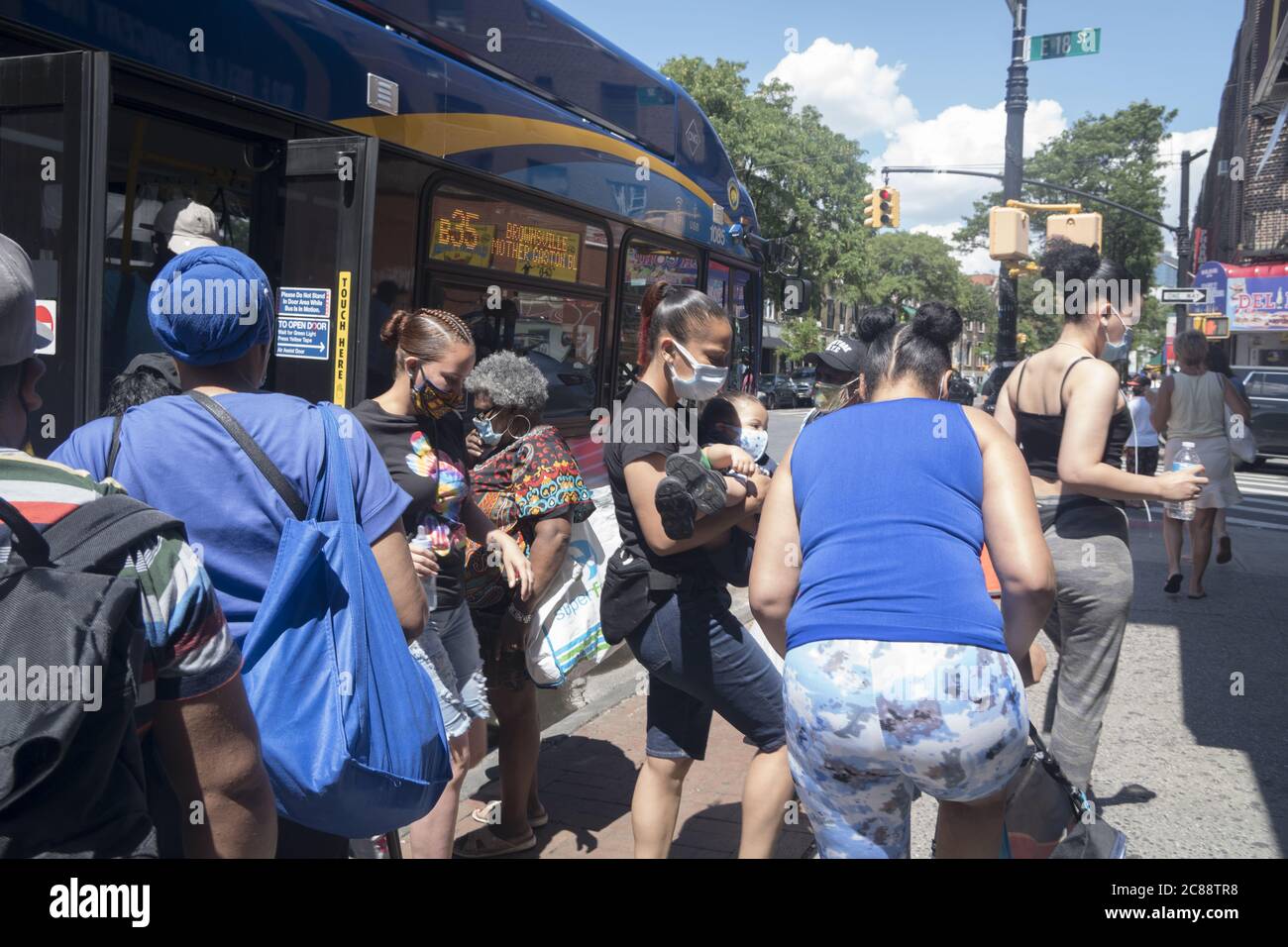
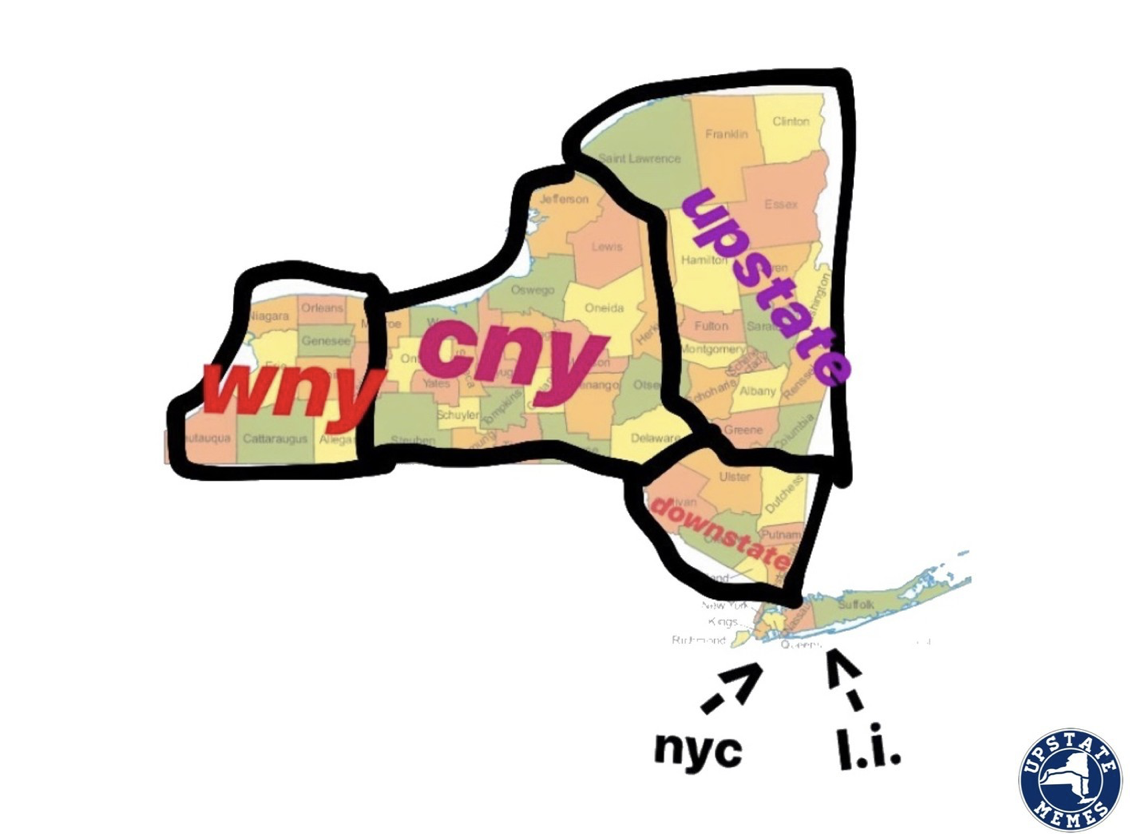
Influenza activity in New York typically follows a geographic progression, often beginning in the downstate region and New York City before migrating northward through the Hudson Valley and into Western New York. In 2026, the NYSDOH Influenza Surveillance Report shows that hospitalizations have peaked earlier than the five-year average. This is attributed to a combination of high population density in the MTA transit corridors and a slight mismatch in the early-season vaccine uptake.
COVID-19 and its Endemic Status
COVID-19 has transitioned into a fully endemic phase in 2026, yet it continues to produce "waves" of infection. The current circulating subvariants are descendants of the Omicron lineage, characterized by high transmissibility but generally lower severity in populations with high hybrid immunity (combined vaccine and prior infection protection). In New York, the NYC COVID-19 Data Dashboard tracks these variants through wastewater surveillance, a technique that has become the gold standard for early detection in high-density urban environments.
Wastewater surveillance involves testing sewage samples for viral RNA fragments. In 2026, this system provides a 7-to-10-day lead time before clinical cases appear in hospitals, allowing the New York healthcare infrastructure to adjust staffing and resource allocation.
Respiratory Syncytial Virus (RSV) and Pediatric Health
RSV continues to be a major concern for New York parents and pediatricians. While historically viewed as a childhood illness, the 2026 season has seen a "bimodal" distribution, where both very young children and adults over the age of 65 are being impacted.
Why RSV is Prevalent in New York
The prevalence of RSV in New York is exacerbated by the state's climate and social structure. During the colder months, the shift to indoor environments with poor ventilation facilitates the spread of large respiratory droplets. In 2026, the introduction of newer maternal vaccines and monoclonal antibody treatments for infants has mitigated the severity of the season, but the virus remains a leading cause of bronchiolitis and pneumonia in New York's pediatric wards.
Gastrointestinal Outbreaks: The Rise of Norovirus
Beyond respiratory issues, New York is currently grappling with a surge in Norovirus cases, often colloquially referred to as the "stomach flu." Norovirus is notoriously difficult to contain because of its extreme stability on environmental surfaces and its resistance to many common alcohol-based hand sanitizers.
Transmission Dynamics in NYC
In New York City, Norovirus often spreads rapidly through schools, long-term care facilities, and restaurant environments. The 2026 data indicates a high concentration of outbreaks in the hospitality sector. Public health guidelines emphasize the use of soap and water for handwashing, as the mechanical action of scrubbing is more effective at removing Norovirus particles than chemical sanitization alone.
Summary of Circulating Viruses in New York (2026)
The following table compares the primary viruses currently circulating in New York, highlighting their key characteristics to help residents differentiate between symptoms.
| Virus | Primary Symptoms | Incubation Period | Common Transmission | 2026 NY Status |
|---|---|---|---|---|
| Influenza A | High fever, body aches, dry cough, extreme fatigue. | 1–4 Days | Respiratory droplets / Aerosols | High Activity; widespread downstate. |
| COVID-19 | Sore throat, congestion, loss of taste/smell (rare now), fatigue. | 2–7 Days | Respiratory aerosols / Close contact | Moderate Activity; fluctuating by borough. |
| RSV | Wheezing, severe cough, runny nose, irritability. | 4–6 Days | Surface contact / Droplets | Moderate Activity; peaking in pediatric pop. |
| Norovirus | Projectile vomiting, watery diarrhea, stomach cramps. | 12–48 Hours | Fecal-oral / Contaminated surfaces | High Activity; institutional outbreaks. |
| hMPV* | Congestion, cough, shortness of breath. | 3–6 Days | Close personal contact | Low to Moderate; sporadic cases. |
*Human Metapneumovirus (hMPV) is a common but less discussed respiratory virus often mistaken for a cold or flu.
Public Health Infrastructure and Surveillance in New York
New York remains a leader in infectious disease surveillance through the Wadsworth Center, the state's public health laboratory. In 2026, the center’s genomic sequencing capabilities allow for the rapid identification of new viral mutations.
How New York Monitors Viral Spread
The state utilizes a multi-layered approach:
- ILINet (Influenza-Like Illness Network): A network of healthcare providers who report the percentage of patients seeking care for flu-like symptoms.
- Sentinel Surveillance: Specific hospitals in Albany, Buffalo, and NYC provide detailed samples for strain identification.
- Wastewater Epidemiology: Monitoring over 50 treatment plants across the state to track the viral load of COVID-19, Polio, and Influenza.
Residents can access the NYSDOH Respiratory Virus Dashboard for real-time updates on local transmission levels. This transparency is vital for individuals who are immunocompromised and need to make informed decisions about masking or attending large indoor gatherings.
Prevention and Treatment Strategies for 2026
Prevention remains the most effective tool against the viruses currently going around New York. For 2026, the public health focus has shifted toward "integrated respiratory protection."
Vaccination and Prophylaxis
The 2026-2027 respiratory season vaccines are designed to be highly specific to the circulating H3N2 and H1N1 flu strains. Healthcare providers in New York recommend "co-administration," where patients receive their flu shot and updated COVID-19 booster during the same visit to increase compliance. For older New Yorkers, the RSV vaccine is now a standard recommendation for those meeting specific health criteria.
Antiviral Access
For those who do contract a virus, early intervention is key. New York has streamlined the process for obtaining antivirals like Oseltamivir (Tamiflu) for influenza and Nirmatrelvir/Ritonavir (Paxlovid) for COVID-19. Many pharmacies across the state now operate under "test-to-treat" protocols, allowing pharmacists to prescribe these medications following a positive on-site test.
Frequently Asked Questions
Where can I see the latest virus maps for New York?
The most accurate and localized data can be found on the New York State Department of Health (NYSDOH) website under the "Respiratory Virus Dashboard." This tool provides a county-by-county breakdown of laboratory-confirmed cases, hospitalizations, and emergency department visits. Residents of the five boroughs should also consult the NYC Health "Daily Data" portal for city-specific trends, which often differ from upstate patterns.
Is the 2026 flu shot effective against the current strains?
Preliminary data for the 2026 season suggests a "good match" between the vaccine strains and the circulating Influenza A (H3N2) virus. The CDC and NYSDOH monitor vaccine effectiveness throughout the season. Even if a breakthrough infection occurs, vaccination significantly reduces the risk of severe complications, such as viral pneumonia or the exacerbation of chronic conditions like asthma or heart disease.
When should I seek emergency care for respiratory symptoms?
Emergency medical attention is required if you experience difficulty breathing, persistent pain or pressure in the chest, new confusion, inability to wake or stay awake, or pale, gray, or blue-colored skin or nail beds (depending on skin tone). In New York, the high volume of urgent care centers provides an intermediary step, but symptoms of low oxygen saturation should always be treated at an emergency department.
How long is Norovirus contagious?
Norovirus is highly contagious from the moment you begin feeling sick until at least three days after you have recovered. However, some individuals can shed the virus in their stool for two weeks or more. Because the virus is so resilient, New York health officials advise that anyone in a food service or healthcare role stay home for at least 48 to 72 hours after their symptoms have completely subsided to prevent community outbreaks.
Practical Recommendations for New York Residents
Given the current viral activity in New York, the most practical next step is to assess your household's vaccination status and hygiene supplies.
- Verify Vaccination: Ensure you and your family have received the 2026 formulations for Influenza and COVID-19.
- Monitor Local Data: Check the NYSDOH dashboard before planning large indoor events, particularly if vulnerable individuals are attending.
- Practice Hand Hygiene: Revert to traditional soap and water washing, especially after using public transit like the MTA or LIRR, to protect against Norovirus.
- Stay Home When Symptomatic: New York’s paid sick leave laws are designed to help workers stay home when ill, which is the single most effective way to break the chain of transmission in the workplace.
By staying informed and utilizing the surveillance tools provided by the state, New Yorkers can effectively manage the risks associated with the current viral season and protect the most vulnerable members of their communities.
Image Gallery