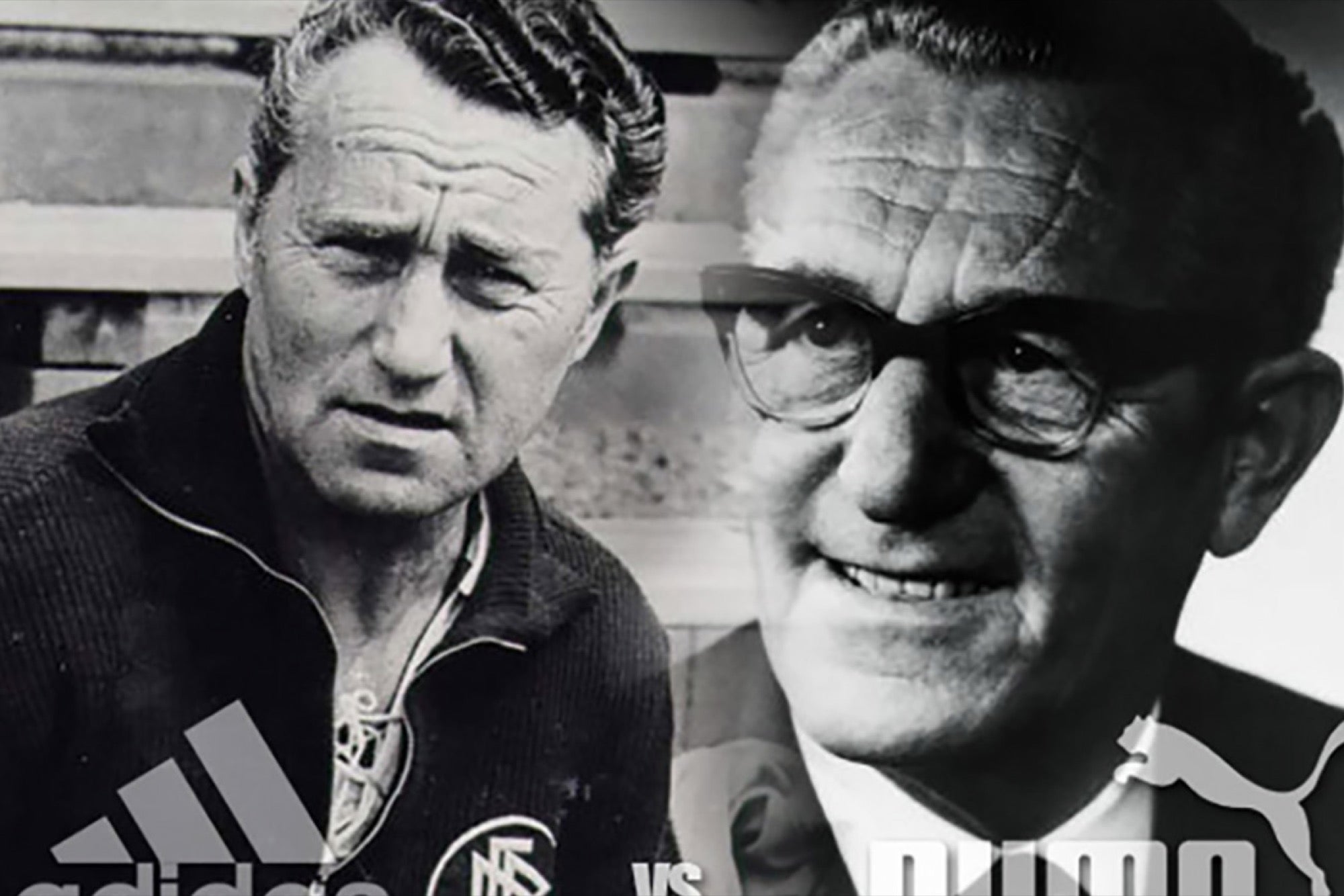
The Legendary Dassler Brother Feud: How the Split Created Adidas and Puma
In 1948, brothers Adolf and Rudolf Dassler split their joint shoe company, Gebrüder Dassler Schuhfabrik, following years of escalating personal and political tension. This division led to the birth of two global giants: Adidas and Puma...
In 1948, brothers Adolf and Rudolf Dassler split their joint shoe company, Gebrüder Dassler Schuhfabrik, following years of escalating personal and political tension. This division led to the birth of two global giants: Adidas and Puma, forever transforming the town of Herzogenaurach and the global sportswear industry through decades of intense rivalry.
Contents
The story of Adidas and Puma is not merely a tale of two corporate entities; it is a complex narrative of familial loyalty, ideological divergence, and the sheer power of competitive spite. What began in a small Bavarian laundry room in the 1920s evolved into a multi-billion-dollar duopoly that defined the modern athletic footwear market. To understand the landscape of sportswear in 2026, one must look back at the irreparable fracture between the two brothers who prioritized their feud over their shared legacy.
The Foundations of Gebrüder Dassler Schuhfabrik
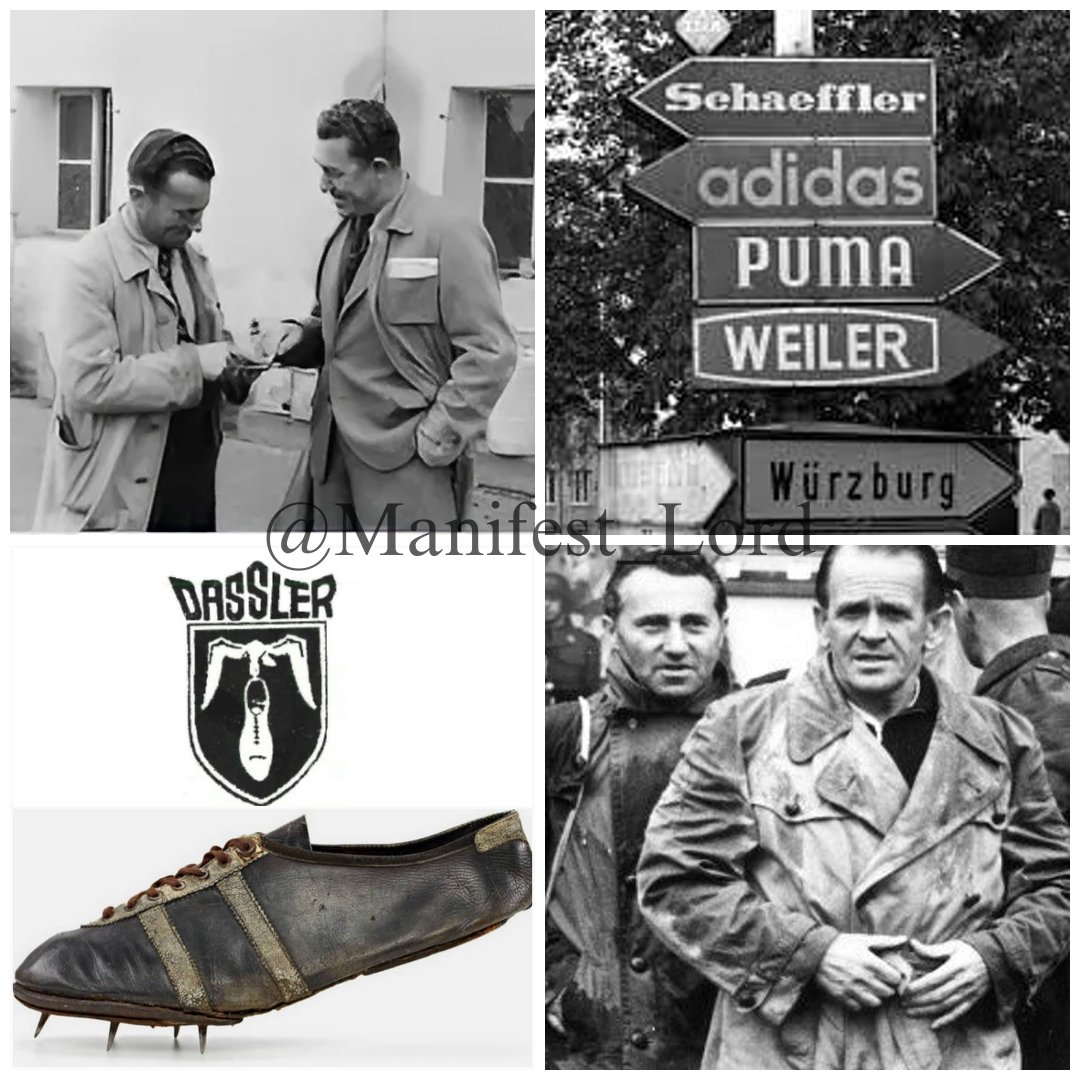
The story begins in the aftermath of World War I in Herzogenaurach, Germany. Adolf "Adi" Dassler, a quiet, inventive cobbler, began producing sports shoes in his mother’s laundry room. He was joined in 1924 by his older brother, Rudolf "Rudi" Dassler. While Adi was the introverted craftsman obsessed with technical performance, Rudi was the extroverted salesman with a natural talent for marketing and distribution.
Together, they formed Gebrüder Dassler Schuhfabrik (GDS). Their synergy was undeniable. Adi developed the world's first specialized spikes for track and field, while Rudi ensured these innovations reached the feet of the world's best athletes. Their biggest breakthrough came during the 1936 Berlin Olympics. Despite the prevailing political climate in Nazi Germany, the brothers persuaded American track star Jesse Owens to wear their handmade spikes. Owens went on to win four gold medals, providing the Dassler brand with an international platform that most manufacturers could only dream of.
However, the success of GDS masked growing internal friction. As the company grew, so did the differences between the brothers’ personalities and their visions for the future. The onset of World War II acted as the catalyst that would eventually turn these sibling tensions into a permanent divorce.
The Breaking Point: War, Politics, and Paranoia
The exact cause of the split remains a subject of historical debate, but it is widely attributed to a combination of political suspicion and a singular, devastating misunderstanding. During the 1930s, both brothers joined the Nazi Party, but their levels of commitment and their experiences during the war differed significantly.
The most famous anecdote cited by historians involves an Allied air raid in 1943. As Adi and his wife, Käthe, climbed into a bomb shelter already occupied by Rudi and his family, Adi reportedly remarked, "The dirty bastards are back again," referring to the Allied bombers. Rudi, however, was convinced his brother was referring to him and his family. This perceived insult was never forgiven.
The rift deepened during the post-war denazification process. Rudi was captured by American soldiers and suspected of being a member of the SS. He was convinced that Adi had turned him in to remove him from the business. While Rudi sat in a prisoner-of-war camp, Adi began rebuilding the company, further cementing Rudi's resentment. By the time Rudi returned, the relationship was beyond repair. In 1948, they decided to liquidate GDS and split the assets, employees, and even the town’s loyalties.
1948: The Birth of Adidas and Puma
The dissolution of Gebrüder Dassler Schuhfabrik was a logistical and emotional undertaking. The brothers divided the factory equipment and the workforce. Interestingly, the employees were forced to choose sides: the salesmen and administrative staff largely followed the charismatic Rudi, while the technicians and designers stayed with the visionary Adi.
Rudi moved his operations to the other side of the Aurach River, initially naming his new company Ruda (a portmanteau of Rudolf Dassler). Recognizing that the name lacked a certain athletic flair, he soon rebranded it as Puma, symbolizing the speed and agility of the predatory cat.
Meanwhile, Adi remained in the original factory and registered his company as Adidas (a combination of Adi Dassler) in August 1949. Along with the name, he registered the iconic "Three Stripes" logo, which he famously purchased from the Finnish footwear brand Karhu Sports for a small amount of money and two bottles of whiskey. This marked the beginning of a geographical and commercial divide that would split Herzogenaurach for the next seven decades.
The Town of "Bent Necks"
The feud did not stay within the confines of the two factories; it consumed the entire town of Herzogenaurach. For decades, the town was nicknamed the "town of bent necks" because residents would look at a person’s shoes before deciding whether to engage in conversation.
The rivalry dictated social life. Local businesses, including bakeries, butcher shops, and pubs, became known as either "Adidas shops" or "Puma shops." Intermarriage between families working for the rival companies was often frowned upon, and the town’s two football clubs—ASV Herzogenaurach and FC Herzogenaurach—became proxies for the corporate war, with each team exclusively wearing the gear of their respective benefactor.
This intense local competition fueled global innovation. Because the brothers were so focused on outdoing one another, they pushed the boundaries of sports technology faster than any other manufacturers in the world.
Technical and Historical Comparison: Adidas vs. Puma
| Feature | Adidas (Adolf Dassler) | Puma (Rudolf Dassler) |
|---|---|---|
| Founding Year | 1949 | 1948 |
| Philosophy | Technical innovation and athlete-specific design. | Marketing-led, lifestyle, and aggressive sales. |
| Early Success | 1954 World Cup "Miracle of Bern" (screw-in studs). | 1952 "Super Atom" (world's first screw-in stud boot). |
| Iconic Logo | The Three Stripes / The Trefoil. | The Leaping Cat / The Formstrip. |
| Key Cultural Impact | Run-D.M.C. (Superstar), Stan Smith, FIFA partnership. | Pelé (King boot), Walt "Clyde" Frazier, Usain Bolt. |
| Primary Location | Herzogenaurach (North of the river). | Herzogenaurach (South of the river). |
The 1954 World Cup and the Rise of Adidas
While both companies were successful, Adi Dassler secured a pivotal marketing victory in 1954 that gave Adidas an early lead in the global market. During the FIFA World Cup final in Switzerland, West Germany faced the seemingly invincible "Magnificent Magyars" of Hungary.
The pitch was rain-soaked and muddy. Adi had provided the German team with boots featuring revolutionary screw-in studs, which could be adjusted based on the pitch conditions. The Germans were able to maintain their footing while the Hungarians slipped. West Germany’s 3-2 victory, known as the "Miracle of Bern," was internationally credited in part to Adi’s technical genius. This event transformed Adidas from a local manufacturer into a global powerhouse of performance footwear.
The Pelé Pact and Puma’s Marketing Masterclass
Puma, under Rudi’s leadership, focused heavily on securing the world’s most charismatic athletes. Their most famous move came during the 1970 World Cup. Both companies had a "Pelé Pact," an informal agreement not to bid for the Brazilian superstar to avoid driving the price to astronomical levels.
However, Puma broke the pact. Just before the opening whistle of a match, Pelé asked the referee for a moment to tie his shoes. As the cameras zoomed in on the world’s greatest player, millions of viewers saw him adjusting his Puma King boots. It was a marketing coup that solidified Puma as the brand of champions and icons, proving that while Adi dominated the lab, Rudi dominated the headlines.
The Modern Era and the End of the Feud
Both brothers passed away in the 1970s—Rudolf in 1974 and Adolf in 1978. Reportedly, they never officially reconciled, and even in death, they were buried at opposite ends of the town cemetery to maintain as much distance as possible.
As of 2026, both Adidas and Puma have long since transitioned from family-owned businesses to publicly traded global corporations. The visceral hatred that once defined the companies has cooled into a standard, albeit fierce, commercial competition. In 2009, employees from both companies played a symbolic football match to mark the International Day of Peace, officially "ending" the feud.
However, the legacy of the split remains the bedrock of their corporate identities. Adidas continues to lean into its heritage of high-performance engineering and massive partnerships with organizations like FIFA and the NBA. Puma has successfully carved out a niche as a leader in "sportstyle," blending performance with high fashion and street culture.
Key Takeaways for Business and History Enthusiasts
The Dassler story serves as a masterclass in how competition—even when born from personal animosity—can drive industry-wide progress. Had the brothers remained together, the lack of an immediate, existential threat from across the river might have led to complacency. Instead, the need to out-innovate, out-sell, and out-market the other brother created the modern template for the sportswear industry.
For modern observers, the story highlights several critical factors:
- The Power of Narrative: The "Miracle of Bern" and the Pelé incident show how singular moments can define a brand for decades.
- Specialization: Adi’s focus on the product and Rudi’s focus on the person created two distinct paths to success that both remain viable in 2026.
- Cultural Integration: A brand is most powerful when it becomes part of the community’s identity, as seen in the social history of Herzogenaurach.
Frequently Asked Questions
Why did the Dassler brothers really split?
The split was caused by a combination of long-standing personality clashes, friction between their wives, and a specific incident during a 1943 air raid where Rudolf felt Adolf had insulted him. Post-war suspicions regarding each other's roles in the Nazi Party and subsequent denunciations to the Allies made the rift permanent.
Who is bigger today, Adidas or Puma?
In 2026, Adidas remains significantly larger than Puma in terms of total annual revenue, market capitalization, and global market share. However, Puma has seen substantial growth in the last decade, particularly in the North American market and the lifestyle segment.
Did the brothers ever speak again before they died?
There are no official records of a formal reconciliation. While some family members claim they may have had a secret meeting in the 1970s, they were buried in separate parts of the cemetery, and the companies remained bitter rivals for decades after their deaths.
Is the town of Herzogenaurach still divided?
While the social stigma of "bent necks" has largely vanished, Herzogenaurach remains the global headquarters for both Adidas and Puma. The town takes great pride in this unique history, and the rivalry is now viewed more as a point of historical interest rather than a cause for genuine social division.
What happened to the original factory?
The original "Dassler Brothers Shoe Factory" building remained under the control of Adolf Dassler and became part of the sprawling Adidas headquarters (the "World of Sports") in Herzogenaurach.
Final Recommendation
For those interested in the intersection of business history and sports, studying the Dassler split offers profound insights into brand development. The best way to experience this history today is to visit Herzogenaurach, where both companies have invested heavily in state-of-the-art corporate campuses and museums that document their journey from a shared laundry room to global dominance.
Image Gallery