Understanding the Steps in the Insurance Claim Process Life Cycle
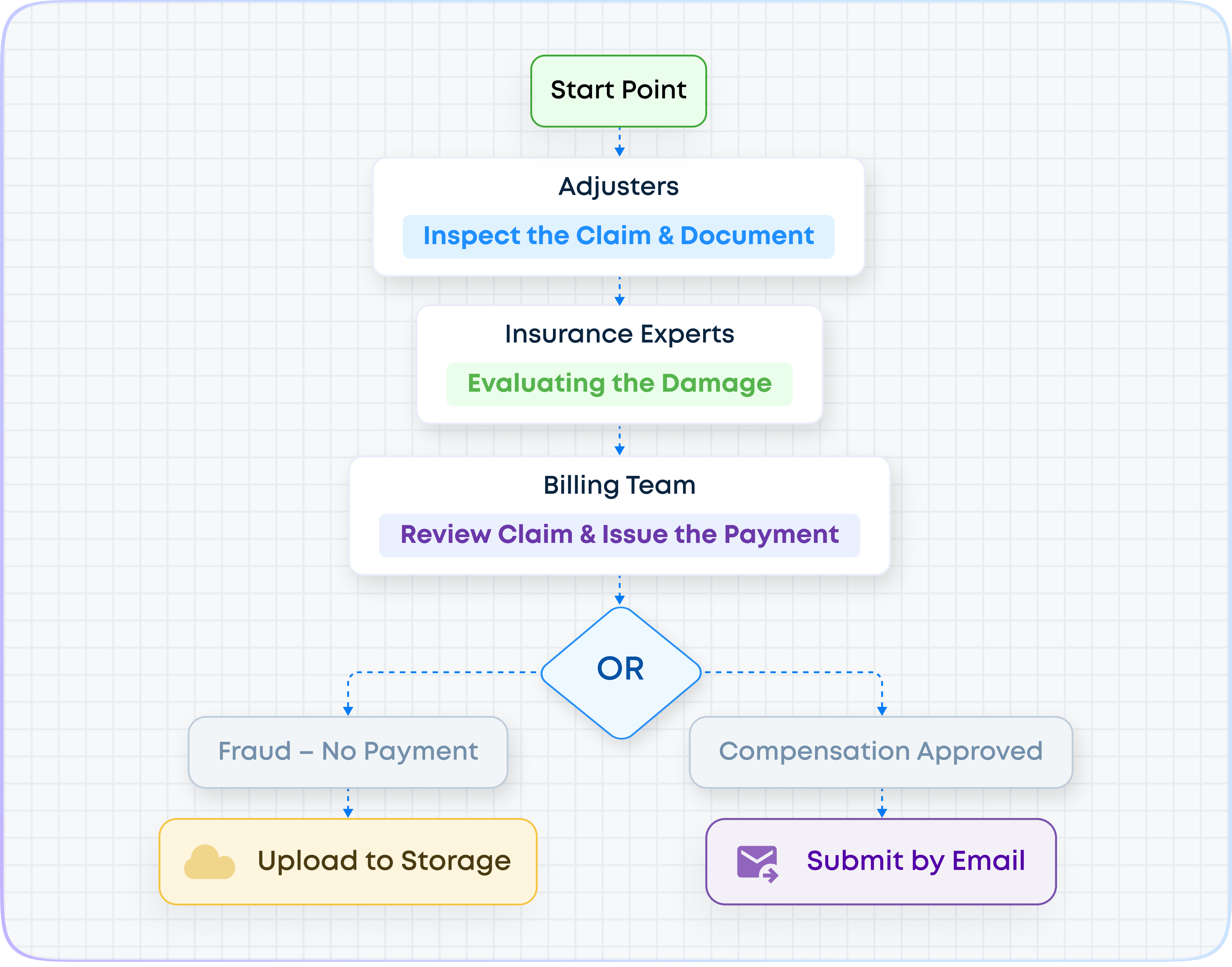
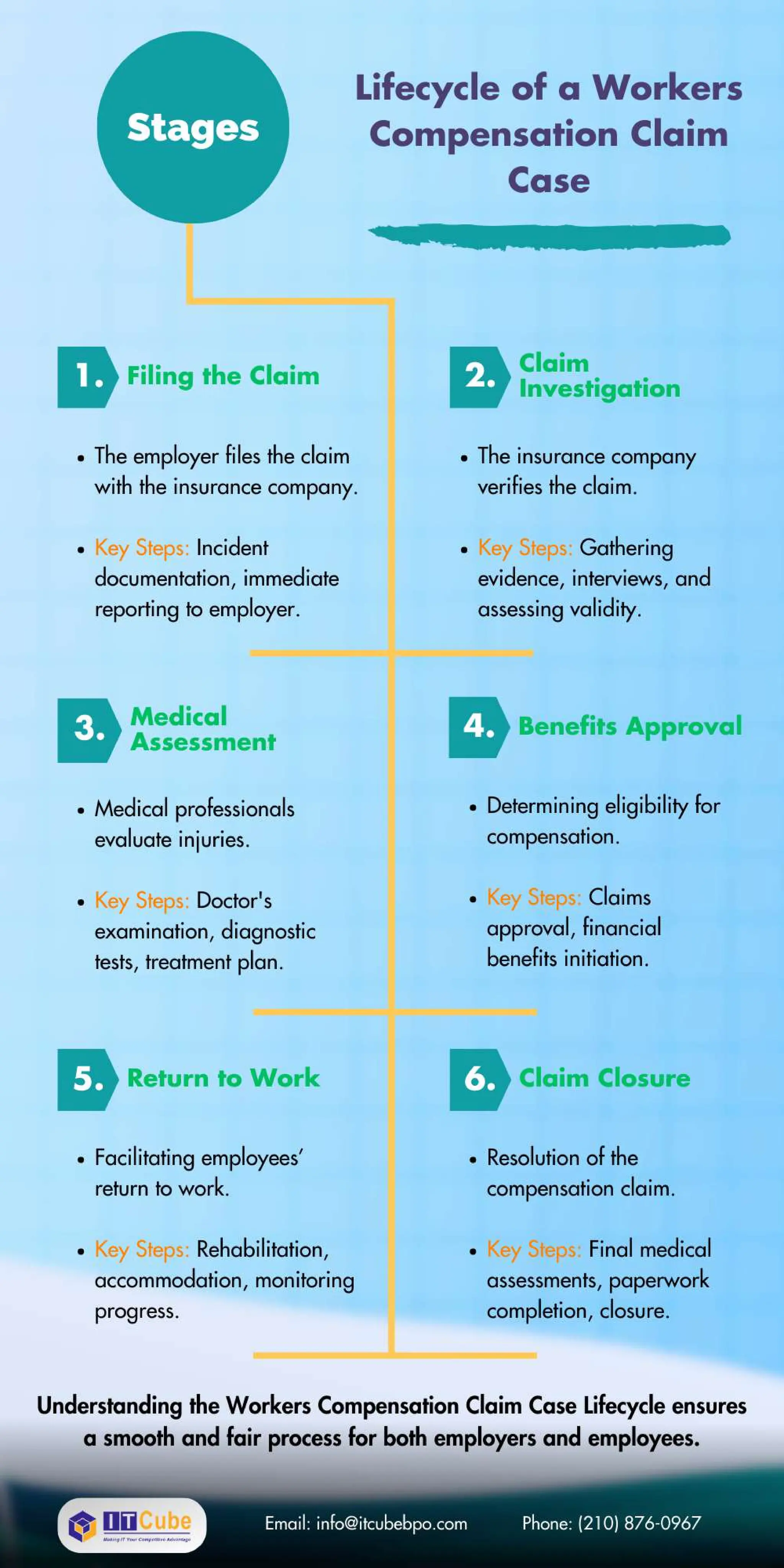
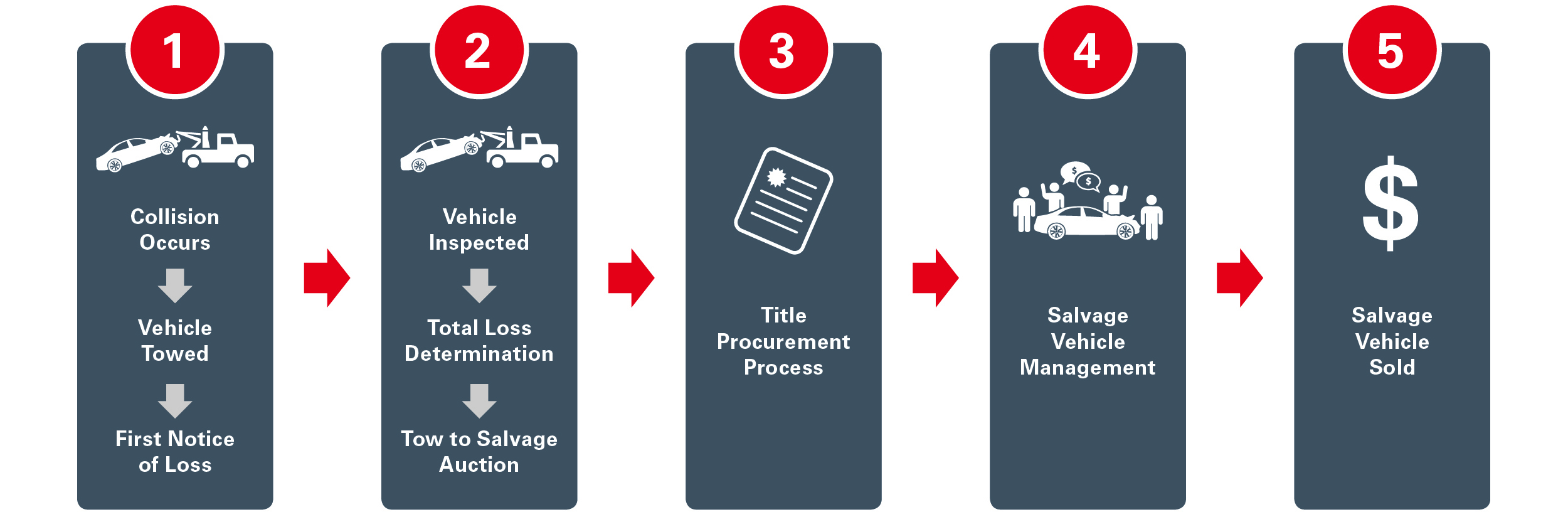
The insurance claim process life cycle is a systematic progression of stages starting from the initial report of a loss to the final resolution and closure of the claim file. This structured journey involves notification, detailed inve...
The insurance claim process life cycle is a systematic progression of stages starting from the initial report of a loss to the final resolution and closure of the claim file. This structured journey involves notification, detailed investigation, policy verification, damage evaluation, and financial settlement, ensuring that both the policyholder and the insurer fulfill their contractual obligations.
Contents
The Foundation of the Claims Life Cycle
In the insurance industry of 2026, the claims life cycle has evolved into a highly sophisticated workflow that balances human expertise with advanced digital automation. Whether dealing with a minor fender-bender, a significant property loss, or a complex commercial liability issue, the underlying architecture of the claim remains consistent. The primary objective of this life cycle is to restore the claimant to their pre-loss financial position—a principle known as indemnification—while preventing fraud and managing the insurer’s financial reserves.
Understanding these steps is crucial for policyholders, adjusters, and legal professionals alike. For the policyholder, it provides a roadmap for what to expect, reducing the stress associated with uncertainty. For the insurer, a standardized life cycle ensures regulatory compliance, data accuracy, and operational efficiency.
Step 1: First Notice of Loss (FNOL)
The life cycle begins the moment an incident occurs and is reported to the insurance carrier. This stage is technically referred to as the First Notice of Loss (FNOL). In 2026, FNOL is predominantly handled through multi-channel intake systems, including mobile apps, web portals, and traditional telephonic reporting.
During this phase, the claimant provides the fundamental details of the event:
- The Date and Time: Essential for determining if the policy was active at the time of the incident.
- The Location: Helps identify jurisdictional requirements and local repair costs.
- The Nature of the Loss: A description of what happened (e.g., fire, theft, collision).
- Parties Involved: Identification of witnesses, third parties, or other affected entities.
The quality of information gathered during FNOL dictates the efficiency of the entire subsequent process. Incomplete data at this stage often leads to "claims friction," where the process stalls while adjusters chase down missing details. Carriers now use AI-driven intake forms that prompt users for specific photos or documents based on the type of loss reported, effectively streamlining the transition to the next phase.
Step 2: Claim Acknowledgment and Assignment
Once the FNOL is recorded, the insurance company formally acknowledges receipt of the claim. This is a critical legal requirement in many jurisdictions, ensuring that the insurer cannot simply ignore a filing. Following acknowledgment, the claim is triaged and assigned to a Claims Adjuster.
The assignment process is rarely random. In 2026, sophisticated routing algorithms assign claims based on:
- Complexity: Simple "express" claims may be routed to automated systems, while high-value or catastrophic losses go to senior adjusters.
- Geography: Local adjusters are assigned when a physical inspection of property or vehicles is required.
- Specialization: Claims involving medical injuries, professional liability, or environmental damage require adjusters with specific technical expertise.
The adjuster becomes the primary point of contact and the "project manager" of the claim's life cycle. Their first task is to reach out to the policyholder to discuss the next steps and set expectations regarding timelines and required documentation.
Step 3: Initial Investigation and Information Gathering
The investigation phase is the heart of the claims life cycle. It is here that the adjuster determines the facts of the case. This stage is not merely about confirming that a loss occurred, but about understanding the "how" and "why" behind it.
Key activities during investigation include:
- Statements: Taking recorded statements from the policyholder, witnesses, and involved third parties.
- Site Inspection: Physical or virtual inspections of the damaged asset. In 2026, drones and 3D modeling are standard for property inspections, allowing for high-precision data gathering without the safety risks of manual roof inspections.
- Police and Fire Reports: Reviewing official documents to verify the sequence of events and any citations issued.
- Digital Forensics: In auto insurance, adjusters may pull data from a vehicle’s onboard telematics system to determine speed, braking patterns, and impact force.
The goal of the investigation is to build a comprehensive "claim file" that serves as the evidentiary basis for the coverage decision.
Step 4: Coverage Verification and Policy Review
While the investigation is ongoing, the insurer performs a rigorous review of the insurance contract. This step confirms that the loss is actually covered under the terms of the policy. Even if a loss is "real," it may not be "covered."
The adjuster examines several critical components:
- Policy Period: Was the policy in force at the exact minute the loss occurred?
- Insurable Interest: Does the person filing the claim actually have a financial stake in the damaged property?
- Exclusions: Does the policy specifically exclude the cause of loss? (e.g., many standard homeowners policies exclude "earth movement" unless a specific rider is purchased).
- Limits of Liability: What is the maximum amount the insurer is obligated to pay for this specific type of loss?
- Deductibles: How much must the policyholder pay out-of-pocket before the insurance coverage triggers?
If there is a potential conflict between the loss and the policy language, the insurer may issue a Reservation of Rights (ROR) letter. This document notifies the policyholder that the insurer is investigating the claim but reserves the right to deny coverage later based on specific policy provisions.
Step 5: Damage Evaluation and Estimation
Once coverage is confirmed, the focus shifts to the valuation of the loss. This is the "math" phase of the life cycle. The objective is to determine the exact dollar amount of the damages.
In property or auto claims, this involves creating a detailed estimate of repair costs. Adjusters use standardized software (like updated versions of Xactimate or CCC Intelligent Solutions) to ensure pricing reflects current 2026 market rates for labor and materials.
Common Valuation Methods:
- Actual Cash Value (ACV): The cost to replace the item minus depreciation based on its age and condition.
- Replacement Cost Value (RCV): The cost to replace the item with a new one of similar kind and quality, without a deduction for depreciation.
- Agreed Value: A set amount determined at the time the policy was written, common in classic car or fine art insurance.
For liability claims involving injuries, evaluation is more complex, involving the review of medical records, lost wage documentation, and potential "pain and suffering" assessments based on legal precedents.
Step 6: Settlement and Negotiation
The settlement phase is where the insurer makes a formal offer to resolve the claim. This is often a point of negotiation. The adjuster presents the findings from the evaluation phase and proposes a payment amount.
Potential Outcomes of the Settlement Phase:
- Full Payment: The insurer pays the full amount of the estimate minus the deductible.
- Partial Payment: The insurer pays for certain parts of the claim while denying others (e.g., paying for water damage but denying the underlying plumbing repair that caused it).
- Denial: The insurer concludes that the loss is not covered or that the policyholder breached the contract (e.g., through misrepresentation).
- Negotiation: The policyholder may present their own contractor’s estimate, leading to a discussion to bridge the gap between the insurer’s offer and the claimant’s expectations.
In 2026, many carriers offer "Instant Settlement" for low-complexity claims, where funds are transferred electronically to the claimant’s bank account or digital wallet within minutes of the damage assessment being approved.
Step 7: Subrogation and Final Recovery
For many policyholders, the process ends with the settlement check. However, for the insurance carrier, the life cycle continues into Subrogation. If the investigation reveals that a third party was responsible for the loss (e.g., another driver hit your car), your insurance company will seek to recover the money they paid you from the responsible party’s insurance.
Subrogation is vital because it helps keep premiums lower for everyone by ensuring the ultimate financial burden falls on the negligent party. If the insurer is successful in subrogation, they often reimburse the policyholder for the deductible they paid at the start of the process.
Summary Table: The Claims Life Cycle at a Glance
| Phase | Key Activity | Stakeholders Involved | 2026 Tech Integration |
|---|---|---|---|
| 1. FNOL | Initial loss reporting and data intake. | Policyholder, Agent, AI Bot | Mobile Apps, AI Image Analysis |
| 2. Triage | Claim assignment and prioritization. | Claims Manager, Adjuster | Automated Routing Algorithms |
| 3. Investigation | Fact-finding and evidence gathering. | Adjuster, Witnesses, Experts | Drones, Telematics, IoT Sensors |
| 4. Verification | Policy review and coverage analysis. | Adjuster, Legal Counsel | Smart Contract Verification |
| 5. Evaluation | Calculating the financial value of loss. | Adjuster, Estimators, Contractors | Real-time Market Pricing Software |
| 6. Settlement | Negotiation and fund disbursement. | Adjuster, Policyholder | Instant Digital Payments |
| 7. Subrogation | Recovery from negligent third parties. | Subrogation Specialists, Lawyers | Inter-company Arbitration Portals |
Common Challenges in the Claims Life Cycle
Despite the advancements in 2026, the claims process can still encounter hurdles. Understanding these challenges can help stakeholders navigate the life cycle more effectively.
Documentation Gaps
The most common cause of delay is missing documentation. Whether it is a forgotten police report or a lack of "before" photos for a property claim, gaps in evidence force the adjuster to pause the life cycle. Maintaining a digital inventory of assets is a recommended best practice for all policyholders.
Disputes Over Valuation
Conflict often arises when the policyholder’s contractor provides an estimate significantly higher than the insurance adjuster’s estimate. These disputes are typically resolved through an "Appraisal Clause" found in most policies, which allows both parties to hire independent appraisers to determine the true value of the loss.
Fraud Detection
Insurance fraud adds significant costs to the industry. Throughout the life cycle, insurers use predictive modeling to flag "red flag" behaviors. While this protects the pool of premiums, it can occasionally lead to additional scrutiny for legitimate claims that happen to trigger these models, slightly lengthening the investigation phase.
Frequently Asked Questions
How long does the entire insurance claim life cycle usually take?
The duration varies significantly by claim type. In 2026, a simple auto glass claim may be resolved in hours, while a complex house fire or liability lawsuit can take months or even years. Standard homeowners or auto collision claims typically reach settlement within 15 to 45 days, provided all documentation is readily available.
Can a claim be reopened after it has been settled and closed?
Yes, in many cases. If additional damage related to the original incident is discovered after the file is closed (for example, mold found behind a wall months after a pipe burst), the claim can often be reopened. However, this is subject to the statute of limitations in your jurisdiction and the specific "Proof of Loss" documents signed during the initial settlement.
What is the difference between a staff adjuster and an independent adjuster?
A staff adjuster is a full-time employee of the insurance company. An independent adjuster (IA) is a contractor hired by the insurance company to handle claims, often used during catastrophes when the insurer’s staff is overwhelmed or when local expertise is needed in a remote area. Both follow the same life cycle steps, but the IA’s report must be approved by the carrier before payment is issued.
What should I do if my claim is denied during the Verification step?
If a claim is denied, the insurer must provide a written explanation citing the specific policy language used to reach that decision. You have the right to appeal this decision internally with the insurance company's appeals department or externally through your state’s Department of Insurance or legal counsel.
Does filing a claim always increase my insurance premiums?
Not necessarily, but it is common. Premiums are based on risk. If the claim life cycle concludes that you were "not at fault" (such as a comprehensive claim for hail damage), the impact on your premium may be minimal or non-existent. However, frequent claims—regardless of fault—can label a policyholder as higher risk.
Final Recommendation for Policyholders
The most effective way to ensure a smooth progression through the insurance claim life cycle is proactive documentation. Before a loss ever occurs, maintain a digital archive of receipts, photos of high-value items, and videos of your property’s condition. In the event of a claim, act quickly to mitigate further damage—such as covering a broken window or stopping a leak—as most insurance contracts require the policyholder to take reasonable steps to prevent additional loss. By understanding each phase of the process, you can act as an informed partner with your adjuster, ensuring a fair and timely resolution.
Disclaimer: This article provides a general overview of the insurance claims process and is intended for informational purposes only. Insurance laws, policy terms, and claims handling regulations vary by jurisdiction and specific insurance carrier. For advice regarding a specific claim or legal matter, consult with a licensed insurance professional or qualified attorney.
Image Gallery