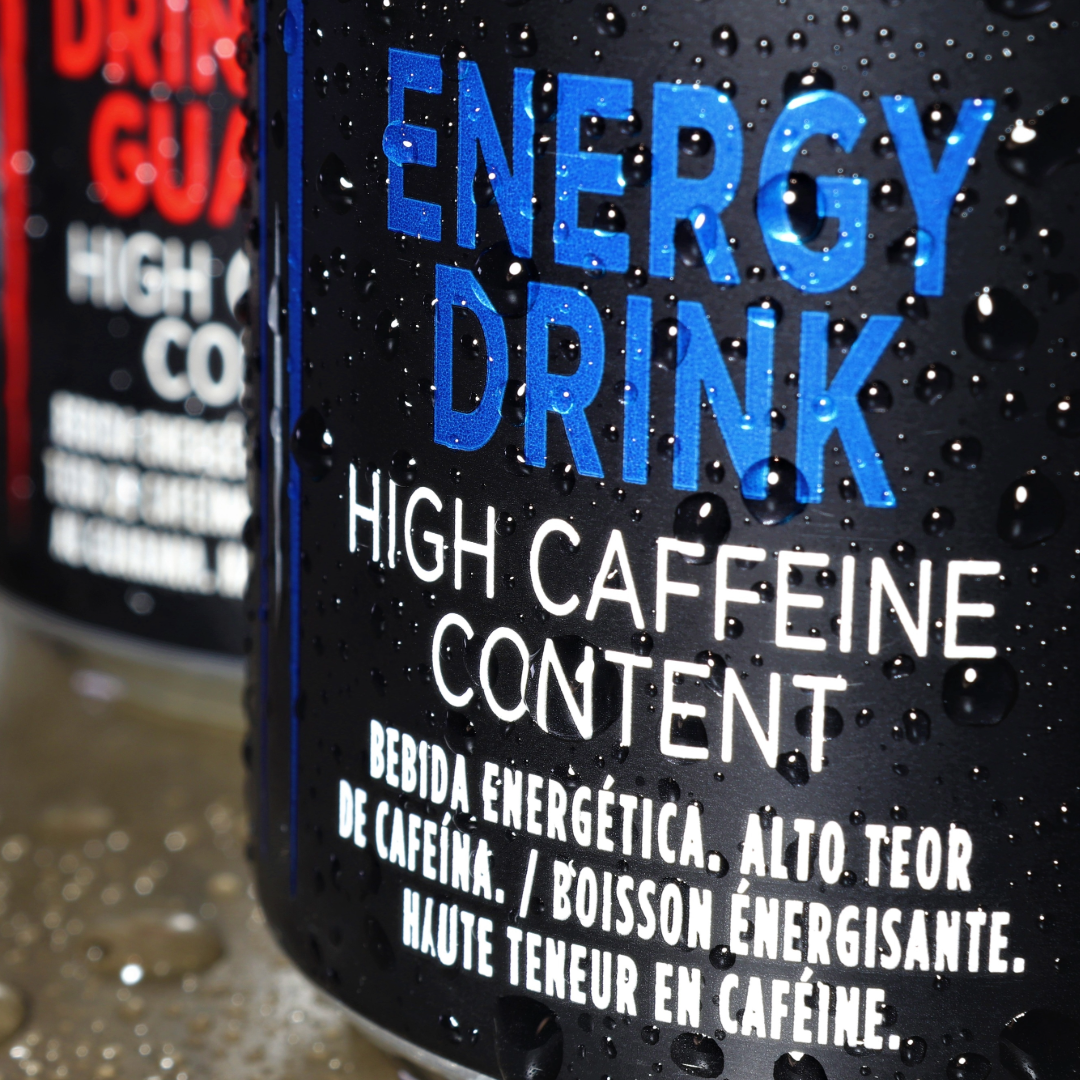
Exploring the Potential Link Between Energy Drink Consumption and Leukemia Risk
Current scientific evidence does not establish a direct, causal link between energy drink consumption and the development of leukemia. However, researchers are actively investigating specific ingredients—including artificial sweeteners...
Current scientific evidence does not establish a direct, causal link between energy drink consumption and the development of leukemia. However, researchers are actively investigating specific ingredients—including artificial sweeteners, high sugar concentrations, and certain synthetic dyes—that may contribute to oxidative stress and metabolic disruptions, which are known precursors to various hematological malignancies.
Contents
Medical Disclaimer: The following information is for educational purposes only and does not constitute medical advice. If you have concerns about your health, cancer risk, or dietary habits, consult a qualified healthcare professional or oncologist.
The Landscape of Energy Drink Consumption in 2026
As of 2026, the global energy drink market has reached unprecedented levels of consumption, particularly among adolescents and young adults. This rise has prompted the medical community to look closer at the long-term physiological impacts of these beverages. While the primary concerns historically centered on cardiovascular health and sleep disruption, the focus has expanded to include oncogenic potential, specifically regarding leukemia (cancer of the blood-forming tissues).
Leukemia involves the rapid production of abnormal white blood cells, which impairs the bone marrow's ability to produce healthy red blood cells and platelets. Because leukemia risk is often influenced by environmental triggers and dietary exposures that induce DNA damage or chronic inflammation, the complex chemical profile of modern energy drinks has become a subject of rigorous toxicological scrutiny.
Ingredient Analysis: The Primary Points of Concern
To understand the potential risk, one must deconstruct the energy drink into its constituent parts. It is rarely the caffeine itself that worries oncologists; rather, it is the matrix of additives and the metabolic impact of frequent consumption.
High Sugar Content and the Insulin-Cancer Axis
Many traditional energy drinks contain excessive amounts of sucrose or high-fructose corn syrup. Chronic high sugar intake leads to hyperinsulinemia (excess levels of insulin circulating in the blood). Insulin is a potent growth factor; it can stimulate the production of Insulin-like Growth Factor 1 (IGF-1).
In the context of leukemia, elevated IGF-1 levels have been associated with the proliferation of leukemic blasts (immature white blood cells). Furthermore, high sugar consumption contributes to obesity and systemic inflammation, both of which are established risk factors for several types of cancer. The "glucose-overload" environment can also lead to increased production of reactive oxygen species (ROS), which can damage the DNA of hematopoietic stem cells in the bone marrow.
Artificial Sweeteners and Aspartame
In 2023, the International Agency for Research on Cancer (IARC) classified aspartame—a common sweetener in "zero-sugar" energy drinks—as "possibly carcinogenic to humans" (Group 2B). As we evaluate the data in 2026, longitudinal studies such as the NutriNet-Santé cohort have continued to suggest a potential association between high intake of artificial sweeteners and increased cancer risk, including lymphoid malignancies.
The metabolism of aspartame results in the production of formaldehyde, a known human carcinogen. While the body processes these small amounts quickly, the cumulative effect of consuming multiple energy drinks daily over many years remains a point of significant concern for researchers studying leukemogenesis.
Synthetic Dyes and Food Coloring
Certain energy drinks utilize synthetic dyes like Red 40 (Allura Red AC) and Yellow 5 (Tartrazine). These dyes have been scrutinized for their potential to cause DNA damage (genotoxicity). In vitro studies have shown that some food dyes can bind to DNA and induce chromosome damage in white blood cells. While the concentrations in a single can are within regulatory limits set by the FDA and EFSA, the "cocktail effect"—the interaction of multiple synthetic additives consumed simultaneously—is still not fully understood.
Biological Mechanisms: How Risks Might Manifest
The transition from "healthy cell" to "leukemic cell" generally requires multiple genetic mutations. If energy drinks are to be implicated in this process, they likely act as "promoters" rather than direct "initiators."
Oxidative Stress and DNA Fragmentation
Energy drinks are often highly acidic and contain a variety of stimulants. Excessive consumption can lead to oxidative stress, a state where the body has too many free radicals and not enough antioxidants to neutralize them. Chronic oxidative stress is a known driver of DNA strand breaks. If these breaks occur in the genes that regulate blood cell production (such as the PAX5 or RUNX1 genes), it can trigger the onset of Acute Lymphoblastic Leukemia (ALL) or Acute Myeloid Leukemia (AML).
Impact on the Gut Microbiome
Emerging research in 2026 highlights the "gut-marrow axis." The artificial sweeteners and preservatives found in energy drinks can alter the gut microbiome (dysbiosis). A compromised microbiome can lead to "leaky gut," allowing pro-inflammatory cytokines to enter the bloodstream. These cytokines can migrate to the bone marrow, creating an inflammatory microenvironment that favors the survival of mutated pre-leukemic cells over healthy ones.
Summary of Ingredients and Potential Risks
The following table summarizes the key components of energy drinks and their theorized relationship with cancer risk pathways.
| Ingredient | Primary Use | Potential Biological Impact | Concern Level |
|---|---|---|---|
| Sucrose / HFCS | Sweetener | Hyperinsulinemia, IGF-1 stimulation, obesity-related inflammation | High (due to volume) |
| Aspartame | Zero-cal sweetener | Metabolizes to formaldehyde; Group 2B carcinogen | Moderate/High |
| Synthetic Dyes | Aesthetics | Potential genotoxicity; chromosomal interference | Low/Moderate |
| Sodium Benzoate | Preservative | Can form benzene (a known leukemogen) if combined with Vitamin C | Low (monitored) |
| Caffeine | Stimulant | Minimal direct cancer risk; primary risks are cardiovascular | Very Low |
Comparative Risk: Benzene and Soft Drinks
Historically, the most direct link between beverages and leukemia involved benzene. Benzene is a well-established human carcinogen known specifically to cause AML. In the past, the combination of sodium benzoate (a preservative) and ascorbic acid (Vitamin C) in some soft drinks and energy drinks could react to form trace amounts of benzene.
Regulatory agencies have largely mitigated this risk through reformulations. However, this historical context remains relevant because it demonstrates that the chemical synergy within a beverage can have unintended toxicological consequences. In 2026, quality control standards are stricter, but the "chemical burden" of modern diets continues to be a focal point for public health advocates.
Evaluating the Clinical Evidence
It is critical to distinguish between association and causation. Many studies that suggest a link between energy drinks and leukemia are observational. This means they look at groups of people who drink energy drinks and observe their health outcomes.
The challenge with these studies is the "lifestyle confounder." Frequent energy drink consumers often engage in other behaviors that increase cancer risk, such as:
- Higher rates of smoking or vaping.
- Poor dietary habits (high processed food intake).
- Sedentary lifestyles.
- Chronic sleep deprivation.
As of 2026, meta-analyses of these cohorts suggest that while there is a statistically significant correlation between high ultra-processed beverage consumption and hematological cancers, the specific contribution of energy drinks—independent of other lifestyle factors—is difficult to isolate.
Regulatory Status and Safety Guidelines
In 2026, the World Health Organization (WHO) and regional bodies like the FDA have not issued a specific warning linking energy drinks to leukemia. However, they have tightened guidelines on:
- Maximum Caffeine Concentration: To prevent acute toxicity.
- Labeling of Sweeteners: Providing clearer warnings for high-intake consumers.
- Marketing to Minors: Due to the vulnerability of the developing hematopoietic system in children and adolescents.
Public health experts recommend a "precautionary principle" approach. Given that these beverages offer no essential nutritional value, reducing consumption is a low-risk, high-reward strategy for long-term health preservation.
FAQs: Common Questions About Energy Drinks and Cancer
Can drinking one energy drink a day cause leukemia?
There is no evidence that moderate consumption (one drink occasionally) directly causes leukemia. Leukemia is typically the result of a complex interplay between genetics, environmental exposures, and long-term habits. However, daily consumption increases the cumulative exposure to additives like artificial sweeteners and high sugar loads.
Is sugar-free energy drink safer than regular energy drink?
Not necessarily regarding cancer risk. While sugar-free versions eliminate the risks associated with hyperinsulinemia and obesity, they introduce high levels of artificial sweeteners like aspartame or acesulfame potassium, which have their own sets of ongoing safety evaluations regarding carcinogenicity.
Which ingredient is the most concerning for blood health?
From a toxicological perspective, benzene is the most dangerous, but it is rarely found in modern drinks due to regulation. In the current market, the combination of high sugar (promoting inflammation) and artificial additives (potential genotoxicity) represents the primary area of concern for bone marrow health.
Are children at higher risk for leukemia from these drinks?
Children and adolescents are more susceptible to environmental toxins because their cells are dividing more rapidly and their metabolic pathways for detoxification are still developing. Because leukemia is the most common cancer in children, pediatricians strongly advise against energy drink consumption in this age group.
Does caffeine itself cause cancer?
No. In fact, some studies suggest that caffeine may have antioxidant properties that could be protective against certain types of cancer. The concerns regarding energy drinks are almost entirely focused on the other ingredients and the metabolic effects of the drink as a whole.
Practical Recommendations for Risk Reduction
To minimize any potential risk associated with energy drinks and hematological health, consider the following actions:
- Prioritize Hydration Alternatives: Replace energy drinks with green tea or black coffee (if caffeine is needed), which provide antioxidants without synthetic dyes or excessive sweeteners.
- Audit Your Sweetener Intake: If you consume "zero-sugar" products, track your total daily intake of aspartame to stay well below the Acceptable Daily Intake (ADI) levels.
- Monitor Bone Marrow Health: Regular blood work (Complete Blood Count or CBC) during annual check-ups can help monitor for early signs of abnormalities in white blood cell counts.
- Focus on an Anti-Inflammatory Diet: Consuming cruciferous vegetables, berries, and omega-3 fatty acids can help mitigate the oxidative stress caused by occasional processed food or beverage intake.
Final Action: If you are a heavy consumer of energy drinks (more than two per day), the most effective step you can take for cancer prevention is a gradual reduction in intake. Switch to natural caffeine sources and ensure your diet is rich in whole foods to support your body's natural DNA repair mechanisms.
Image Gallery