Richard Simmons: The Enduring Legacy of the Original Fitness Guru
Richard Simmons was a pioneering fitness personality and weight-loss advocate who revolutionized the industry by emphasizing radical empathy, inclusivity, and low-impact aerobic exercise. Through his "Sweatin' to the Oldies" series and...
Richard Simmons was a pioneering fitness personality and weight-loss advocate who revolutionized the industry by emphasizing radical empathy, inclusivity, and low-impact aerobic exercise. Through his "Sweatin' to the Oldies" series and his Beverly Hills studio, Slimmons, he created a safe space for those often excluded from traditional gym culture, leaving a multi-generational legacy of body positivity.
Contents
The Evolution of Milton Teagle Simmons
Born Milton Teagle Simmons in New Orleans in 1948, the man the world would come to know as Richard Simmons did not begin his journey as a fitness icon. His early life was defined by a profound struggle with obesity, reaching a peak weight of 268 pounds during his adolescence. This personal history was the foundational element of his career; unlike the many fitness trainers who appeared naturally athletic, Simmons understood the psychological and physical burden of being overweight.
After trying dangerous "fad" diets and weight-loss pills that left him hospitalized, Simmons moved to Los Angeles in the early 1970s. Finding that the gym culture of the era was focused primarily on the already-fit and "beautiful people," he saw a massive void in the market. In 1974, he opened Slimmons, an exercise studio in Beverly Hills. The mission was simple but revolutionary: provide a place where people of all shapes and sizes could exercise without judgment.
By 2026, the principles Simmons established at Slimmons—community support, accessible movement, and emotional vulnerability—have become the standard for "boutique" fitness, yet few have matched the genuine fervor he brought to the classroom for over 40 years.
The Richard Simmons Philosophy: Fitness Through Empathy
While his contemporaries in the 1980s, such as Jane Fonda or the "no pain, no gain" bodybuilders, focused on intensity and aesthetics, Simmons focused on the heart. His fitness philosophy was built on three distinct pillars that continue to influence the wellness industry in 2026.
1. Radical Inclusivity
Simmons was perhaps the first fitness guru to feature "real people" in his workout videos. His background performers weren't professional dancers or fitness models; they were his students from Slimmons. They had stretch marks, sweat through their shirts, and occasionally missed a step. This visual representation told the viewer at home that fitness was for them, regardless of their starting point.
2. Emotional Connection
Simmons famously spent hours every day personally calling fans who had written to him about their struggles. He recognized that obesity was often a symptom of emotional pain, loneliness, or low self-esteem. By addressing the "why" behind the weight, he fostered a level of loyalty and success that technical trainers rarely achieved.
3. Low-Impact Joy
The "Sweatin' to the Oldies" workouts utilized rhythmic, low-impact aerobics set to 1950s and 60s rock and roll. This was a strategic choice. The music was nostalgic and uplifting, and the movements were designed to be safe for those with joint pain or significant excess weight. It transformed the "chore" of exercise into a celebratory social activity.
Iconic Products and the Business of Wellness
Richard Simmons was not just a personality; he was a master of the fitness business model. He understood how to bridge the gap between media entertainment and practical home health tools.
Sweatin' to the Oldies
Launched in 1988, this home video series became a cultural phenomenon. It eventually grew into a multi-million dollar franchise. The brilliance of the series lay in its simplicity. It required no expensive equipment—only a pair of sneakers and enough floor space to move. In an era before YouTube and digital streaming, these tapes were the primary way millions of Americans engaged with physical activity.
Deal-a-Meal
Long before the advent of sophisticated calorie-tracking apps, Simmons introduced Deal-a-Meal. This was a weight-loss program that used a wallet with cards representing different food groups (proteins, fats, carbohydrates). Users would "deal" their cards throughout the day, physically removing them from the wallet as they ate. This tactile method simplified the complex science of nutrition and portion control, making it accessible to those who were overwhelmed by traditional dieting.
Media Presence and the "Clown" Persona
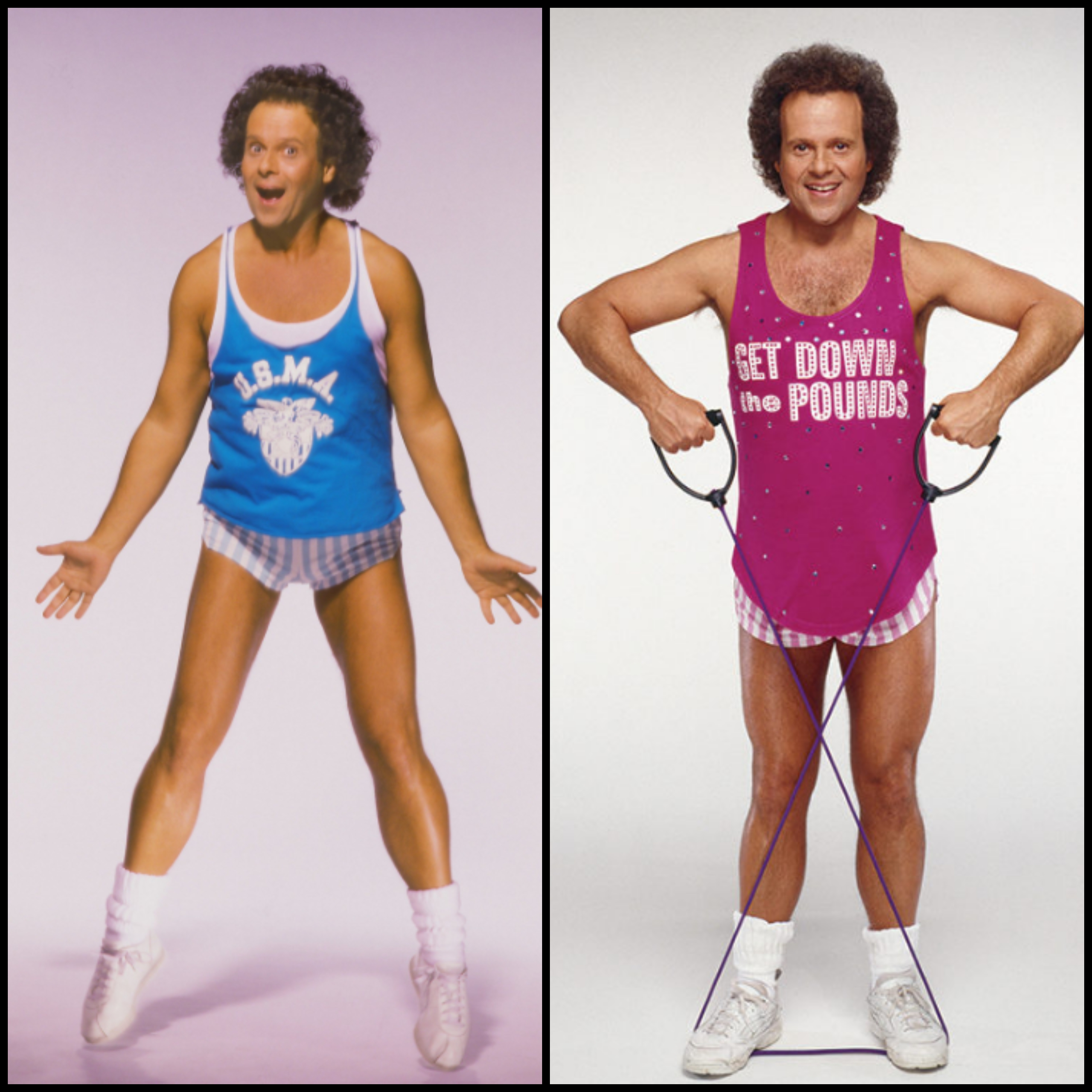
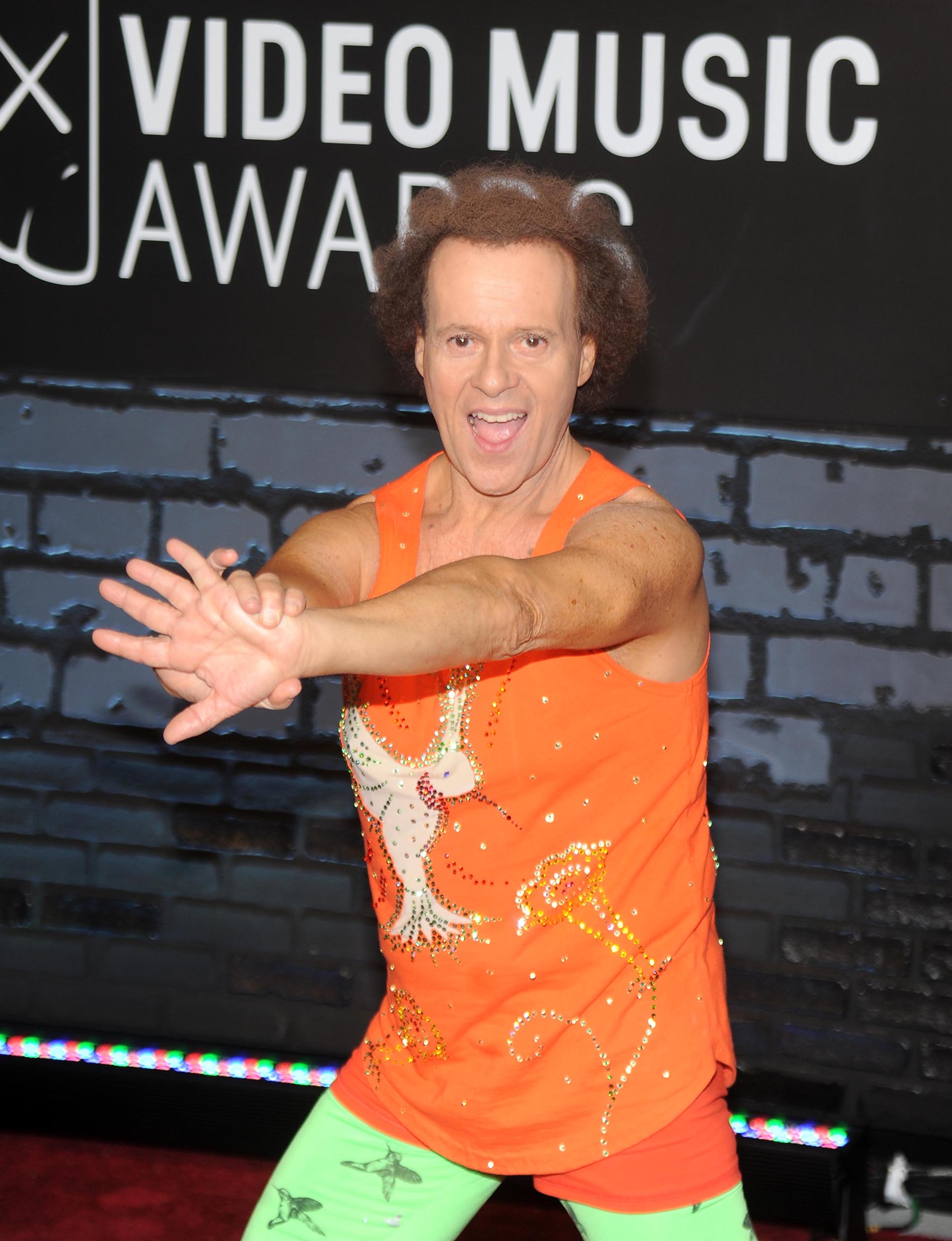
Simmons was a frequent guest on late-night talk shows, most notably Late Night with David Letterman. While he often played the role of the hyper-energetic, flamboyant "clown" for laughs, he used every platform to sneak in messages of self-worth. His ability to maintain a high-energy persona—complete with Swarovski-encrusted tank tops and dolphin shorts—made him unforgettable, ensuring his brand remained relevant for decades.
Comparison of Fitness Philosophies: 1980s vs. Modern Legacy
To understand why Richard Simmons remains a central figure in fitness history, it is helpful to compare his approach with the broader trends of his era and how those trends have evolved by 2026.
| Feature | The Simmons Approach | Traditional 80s/90s Fitness | Modern Wellness (2026) |
|---|---|---|---|
| Primary Goal | Self-love and health | Weight loss and aesthetics | Holistic health and longevity |
| Target Audience | The "Invisible" (obese, elderly) | The "Already Fit" | Personalization via AI/Data |
| Exercise Style | Low-impact Aerobics | High-impact / Bodybuilding | Functional movement / Yoga |
| Emotional Component | High (Empathy-led) | Low (Instructional-led) | Moderate (Mindfulness-led) |
| Visual Representation | Diverse body types | Fitness models | High diversity and body neutrality |
The Later Years and the Legacy of "The Missing Guru"
In 2014, Richard Simmons abruptly withdrew from the public eye. His sudden disappearance from his studio and social circles sparked intense media speculation, including a viral podcast, Missing Richard Simmons. Despite the rumors, Simmons eventually clarified through representatives that he was simply choosing to live a more private life after decades in the spotlight.
His passing in July 2024 marked the end of an era. However, in 2026, his impact is more visible than ever. The "Body Positivity" movement, which gained massive traction in the 2020s, owes much of its DNA to Simmons. He was advocating for the inherent value of every body long before the term "body neutrality" was coined.
His legacy is preserved through:
- Digital Archives: Many of his original workouts have been remastered for streaming platforms, allowing a new generation to experience "Sweatin' to the Oldies."
- Inclusive Fitness Standards: Modern certification programs for personal trainers now frequently include modules on empathy and psychological support, a direct reflection of Simmons’ methods.
- The Simmons Style: His influence is still felt in the "retro" fitness aesthetics that periodically trend in fashion and social media.
Applying the Simmons Method in 2026
Even in an age of wearable technology and AI-driven workout plans, the core tenets of Richard Simmons’ work provide a necessary balance to the often-cold nature of digital fitness.
Focus on "Moving for Joy" If you are struggling with a fitness routine, the Simmons approach suggests shifting the focus from "burning calories" to "celebrating movement." This involves choosing music that triggers positive memories and engaging in activities that feel like play rather than work.
Community and Vulnerability One of Simmons’ greatest strengths was his ability to make people feel seen. In 2026, this can be replicated by seeking out fitness communities that prioritize support over competition. Whether online or in person, the "Simmons Effect" is found in spaces where participants are encouraged to share their struggles as openly as their successes.
Frequently Asked Questions
Why did Richard Simmons stop teaching at Slimmons?
After teaching for 40 years, Simmons decided to retire from public life in 2014. He had dealt with several physical injuries, including knee issues, and expressed a desire for privacy after a lifetime of intense public engagement and emotional labor on behalf of his fans.
Did Richard Simmons have formal training?
Simmons was largely self-taught in the realm of aerobics, but he was a pioneer in studying the relationship between nutrition and psychology. He opened Slimmons because he found that traditional gyms of the 1970s did not cater to the needs of overweight individuals, forcing him to create his own methodology.
Is "Sweatin' to the Oldies" still effective?
Yes. Aerobic exercise remains one of the most effective ways to improve cardiovascular health and manage weight. The low-impact nature of his workouts makes them particularly suitable for beginners, seniors, or those recovering from injury, as they minimize stress on the joints while keeping the heart rate elevated.
What happened to the Slimmons studio?
Slimmons officially closed its doors in late 2016. While the physical location in Beverly Hills is gone, the "Slimmons style" of inclusive, high-energy group fitness continues to inspire countless boutique studios and community center programs globally.
How did Richard Simmons handle critics?
Simmons was often parodied for his flamboyant personality and emotional displays. He generally handled criticism with grace, often leaning into the "character" while remaining steadfast in his mission. He famously said that he didn't mind being the "clown" if it meant someone felt comfortable enough to join his class and change their life.
Final Recommendation
For those looking to improve their health in 2026, the best way to honor the legacy of Richard Simmons is to start where you are. You do not need the latest technology or a perfect physique to begin. Find a form of movement that makes you smile, treat yourself with the same empathy Simmons offered his students, and remember that your value is not defined by a number on a scale. If you are feeling overwhelmed, look for remastered Simmons content online; his message of self-love is as vital and effective today as it was in 1974.
Image Gallery