Ray J Tech Company Net Worth Explained: The Business of Raycon in 2026
As of 2026, Ray J’s primary tech venture, Raycon Global, remains a dominant force in the direct-to-consumer electronics market, with a valuation estimated between $200 million and $500 million. Ray J’s personal net worth, fueled largel...
As of 2026, Ray J’s primary tech venture, Raycon Global, remains a dominant force in the direct-to-consumer electronics market, with a valuation estimated between $200 million and $500 million. Ray J’s personal net worth, fueled largely by his ownership stake in the company and various media ventures, is estimated at approximately $100 million.
Contents
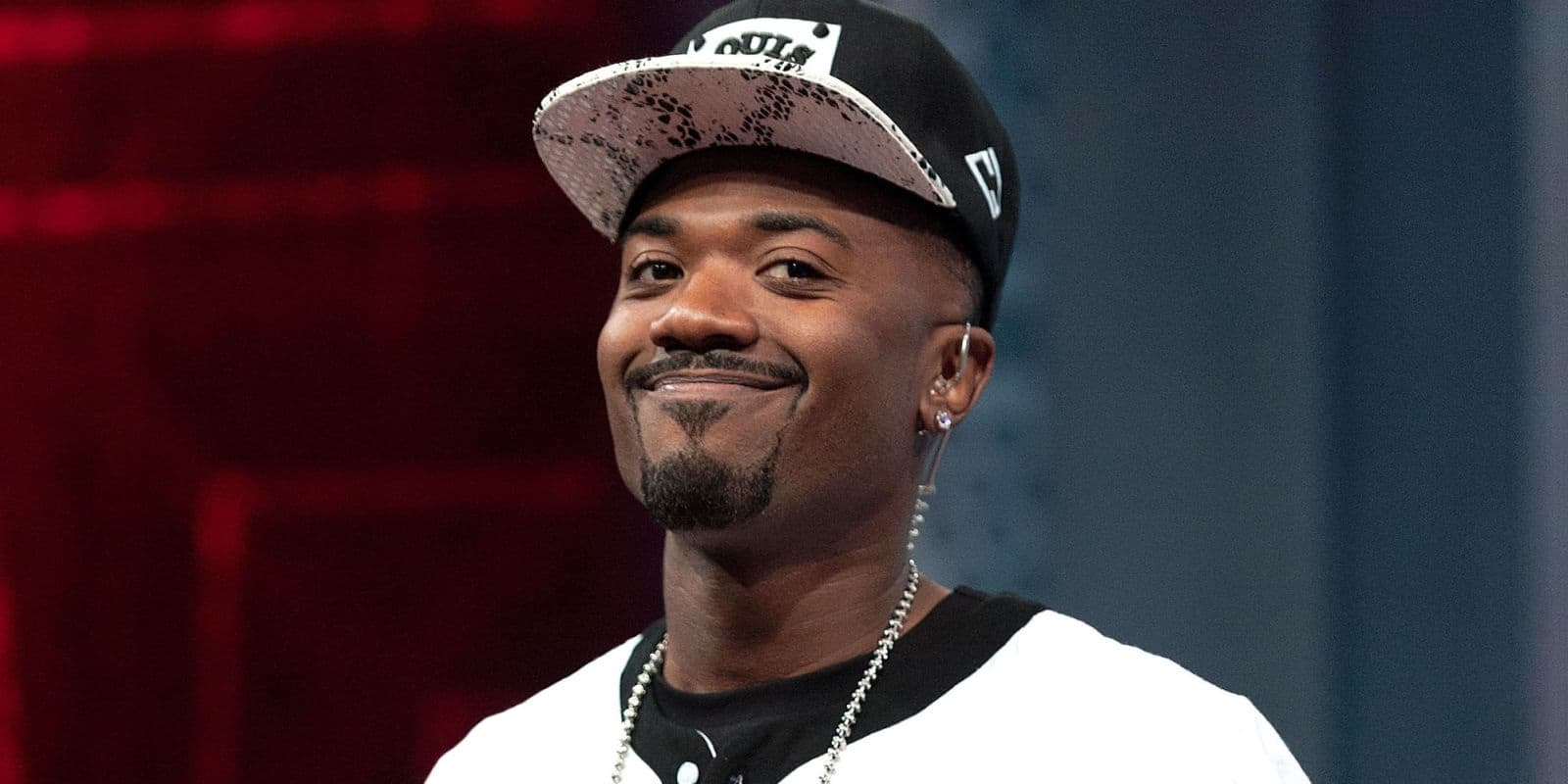
Ray J, born William Ray Norwood Jr., has undergone one of the most successful brand transformations in modern entertainment history. Once known primarily as an R&B singer and reality television star, he has spent the last decade solidifying his reputation as a tech mogul. The centerpiece of this transformation is Raycon Global, a wireless audio brand that disrupted the industry by offering high-quality earbuds at a fraction of the cost of premium competitors. To understand Ray J’s tech company net worth in 2026, one must look at the strategic partnerships, marketing brilliance, and product diversification that elevated a celebrity-endorsed brand into a legitimate electronics powerhouse.
The Genesis of Ray J’s Tech Ambitions: Raytronics and the Scoot-E-Bike
Before the massive success of Raycon, Ray J’s foray into the tech world began with Raytronics. This venture focused on the "Scoot-E-Bike," a foldable electric scooter that gained viral traction in 2016. By leveraging his massive network of celebrity friends—including Sean "Diddy" Combs, Justin Bieber, and Chris Brown—Ray J managed to generate millions of dollars in organic marketing.
While the Scoot-E-Bike was a trend-driven product, it served as a proof of concept for Ray J's business model: identifying a high-demand tech niche, streamlining the manufacturing process, and using influencer marketing to bypass traditional advertising costs. This early success caught the attention of Cowboy Wholesale, a leading distributor of consumer electronics.
In late 2017, a pivotal $31 million deal was announced. This was not a simple cash buyout; rather, it was a partnership and acquisition merger where Raytronics assets were folded into a new entity: Raycon Global. Ray J took on the role of Chief Strategy Officer, bringing his marketing instincts to the table, while his partners provided the global distribution infrastructure and manufacturing expertise.
Raycon Global: Building a Multi-Million Dollar Brand
Raycon Global officially launched in November 2017 with a focused mission: to make high-end wireless audio accessible to everyone. By 2026, the company has expanded its catalog significantly, but its growth trajectory was built on the success of its "Everyday Earbuds."
The Strategic Pivot to Audio
The decision to move from electric scooters to audio was calculated. The wireless earbud market exploded following the removal of headphone jacks from major smartphones. Unlike the scooter market, which faced regulatory hurdles and logistical shipping challenges, earbuds were small, high-margin items with a global consumer base.
Influencer Marketing as a Core Engine
Ray J’s genius lay in his "influencer-first" approach. Long before "micro-influencers" became a standard marketing term, Raycon was blanketing YouTube and social media. By 2026, Raycon has collaborated with thousands of content creators across gaming, lifestyle, and tech review niches. This strategy allowed the company to reach hundreds of millions of viewers without the overhead of traditional TV or billboard campaigns.
Financial Performance and Company Valuation
As we analyze the "Ray J tech company net worth explained" topic in 2026, we must look at the revenue milestones. Raycon reportedly surpassed $100 million in cumulative sales within its first few years of operation. By 2026, steady annual growth and expansion into retail giants like Target, Walmart, and Best Buy have significantly increased the company’s enterprise value.
Revenue Streams in 2026
- Direct-to-Consumer (DTC): The primary driver, with high profit margins through the official Raycon website.
- Retail Partnerships: Global distribution in physical electronics stores.
- Corporate Gifting: A growing segment where businesses purchase branded audio gear in bulk.
- Product Expansion: The introduction of the Raycon "Work" and "Fitness" lines, as well as home audio speakers.
Based on industry standard multiples for consumer electronics companies (typically 2x to 4x annual revenue), Raycon Global’s valuation in 2026 is estimated to be in the mid-to-high nine figures. While Ray J’s exact equity percentage is private, his role as a co-founder and the face of the brand suggests a substantial holding that accounts for the majority of his personal wealth.
Comparing Raycon to Market Leaders (2026 Data)
To understand Raycon's market position, it is helpful to see how it stacks up against the "Big Three" of the audio world: Apple, Sony, and Bose.
| Feature | Raycon (Everyday Series) | Apple AirPods Pro | Sony WF-Series | Bose QuietComfort |
|---|---|---|---|---|
| Typical Price (2026) | $79 - $99 | $249 | $199 - $279 | $299 |
| Primary Target | Budget-Conscious / Youth | iOS Ecosystem Users | Audiophiles | Frequent Travelers |
| Battery Life | 32+ Hours | 24 - 30 Hours | 30+ Hours | 24 Hours |
| Marketing Strategy | Influencer / Social Media | Brand Ecosystem | Technical Excellence | Premium Heritage |
| Water Resistance | IPX6 (High) | IPX4 (Standard) | IPX4 (Standard) | IPX4 (Standard) |
Raycon occupies the "Affordable Luxury" space. While it may not offer the proprietary spatial audio of Apple or the industry-leading noise cancellation of Sony, it provides 80% of the performance at 30% of the price. This "value-to-performance" ratio is the cornerstone of its financial success.
Beyond Earbuds: The Tronix Network and Diversification
Ray J has not limited his tech interests to hardware. In recent years leading up to 2026, he has heavily invested in the Tronix Network, a subscription-based streaming service. This venture bridges the gap between his entertainment background and his tech-savviness.
The Tronix Network focuses on original reality programming and exclusive content, utilizing a SaaS (Software as a Service) model. While the valuation of Tronix is currently lower than Raycon, it represents a strategic move into digital media equity. By owning the platform on which he produces content, Ray J avoids the "talent-for-hire" trap, ensuring he retains the intellectual property and subscription revenue.
Ray J’s Personal Net Worth Breakdown in 2026
Estimating a celebrity’s net worth requires looking at liquid assets, equity, and royalties. Ray J’s financial portfolio is diverse:
- Raycon Global Equity: The largest contributor. Even a conservative 20% stake in a $300 million company results in $60 million in paper wealth.
- Music Royalties: As the artist behind hits like "Sexy Can I" and "One Wish," Ray J continues to earn significant passive income from streaming.
- Real Estate: Investments in luxury properties in California and Florida.
- Media Contracts: Revenue from appearances on reality TV (e.g., Love & Hip Hop) and executive producer credits.
- Tronix Network: Growth-stage equity in the streaming space.
In 2026, experts estimate his total net worth to be approximately $100 million, though some aggressive estimates suggest it could be higher if Raycon undergoes an IPO (Initial Public Offering) or a major acquisition by a conglomerate like Samsung or Logitech.
Frequently Asked Questions
Did Ray J actually invent the Raycon earbuds?
Ray J is a co-founder and the Chief Strategy Officer, not the lead engineer. While he is heavily involved in the aesthetic design, sound profile (the "Ray J Bass"), and marketing direction, the technical engineering is handled by a dedicated team of electronics experts and manufacturing partners.
How much was the original Raycon deal worth?
The initial deal in 2017 was valued at $31 million. This consisted of a mix of cash, equity, and assets as Raytronics merged with Cowboy Wholesale to form the entity now known as Raycon Global.
Is Raycon a "white-label" brand?
In its early days, critics accused Raycon of being a white-label brand (rebranding existing generic products). However, since 2020, the company has moved toward proprietary designs, custom sound engineering, and unique features that distinguish its products from generic alternatives.
What is Ray J’s role in the company today?
As of 2026, Ray J remains the Chief Strategy Officer. He focuses on brand expansion, high-level partnerships, and product launches. He is the "face" of the brand but is supported by a full C-suite of executives who manage day-to-day operations.
Does Ray J own 100% of Raycon?
No. Raycon was formed as a partnership. Ray J holds a significant equity stake, but shares ownership with his business partners and potentially private investors or employee stock pools.
Final Summary and Next Actions
The story of Ray J’s tech company net worth is a masterclass in modern brand building. By moving away from the volatile nature of the music industry and into the scalable world of consumer electronics, Ray J secured his financial future. Raycon Global succeeded because it solved a specific problem: the lack of affordable, stylish, and functional wireless earbuds for the average consumer.
For those looking to follow in these footsteps or understand the market:
- For Entrepreneurs: Study Raycon’s influencer marketing strategy; it remains the gold standard for DTC brands.
- For Consumers: If you are looking for high-value audio, Raycon's 2026 lineup offers competitive specs (especially battery life and durability) for under $100.
- For Investors: Watch for potential exit signals from Raycon, such as an acquisition by a larger tech firm, which would be the final "payout" in Ray J's tech journey.
Image Gallery