The DC Girls: A Historical Overview of Female Icons in the DC Universe
A historical overview of the "DC Girls"—encompassing the female superheroes, anti-heroes, and civilians within DC Comics—reveals a trajectory from secondary sidekicks to central pillars of a multi-billion dollar media empire. Since Won...
A historical overview of the "DC Girls"—encompassing the female superheroes, anti-heroes, and civilians within DC Comics—reveals a trajectory from secondary sidekicks to central pillars of a multi-billion dollar media empire. Since Wonder Woman’s 1941 debut, these characters have evolved through distinct editorial eras, reflecting shifts in societal gender roles, feminist movements, and the expansion of the "DC Super Hero Girls" brand for younger audiences.
Contents
While the term "DC Girls" is occasionally used to describe the "Code Girls" (the thousands of women who served as cryptographers in Washington, D.C., during World War II), in the context of popular culture and historical media overviews, it predominantly refers to the pantheon of female characters in the DC Universe (DCU). This overview focuses on the evolution of these fictional icons and their impact on the comic book industry from 1934 to 2026.
The Dawn of the Heroine: The Golden Age (1934–1955)
The early years of DC Comics, then known as National Allied Publications, were dominated by masculine archetypes. However, the Golden Age laid the foundation for female representation, moving from "damsels in distress" to the first iterations of the female lead.
Wonder Woman and the Feminist Roots
In 1941, psychologist William Moulton Marston created Wonder Woman (Diana Prince), debuting in All Star Comics #8. Marston intended her to be a "feminine character with all the strength of Superman plus all the allure of a good and beautiful woman." Her origin on Paradise Island (Themyscira), an island of Amazons free from men, was a radical concept. Historically, Wonder Woman was more than a hero; she was a symbol of the early mid-century feminist movement, advocating for peace and justice while breaking physical barriers previously reserved for male characters.
Secondary Pioneers: Black Canary and Hawkgirl
Following the success of Wonder Woman, other female characters began to emerge. Black Canary (Dinah Drake) debuted in 1947 in Flash Comics #86. Originally a supporting character in "Johnny Thunder" stories, she quickly eclipsed her male counterpart in popularity due to her hand-to-hand combat skills and distinctive aesthetic. Similarly, Hawkgirl (Shiera Sanders Hall) evolved from a romantic interest to a formidable warrior. Despite these gains, many Golden Age female characters remained tethered to male-centric narratives or were retired as the industry contracted post-WWII.
Domestication and Sidekicks: The Silver Age (1956–1970)
The Silver Age brought a more restrictive environment for female characters, partly due to the implementation of the Comics Code Authority, which enforced conservative family values. During this period, "DC Girls" were often relegated to "Girlfriend" tropes or younger "sidekick" roles.
The Birth of Supergirl and Batgirl
The late 1950s saw the introduction of female "counterparts" to established male icons. Supergirl (Kara Zor-El) first appeared in Action Comics #252 (1959). While she possessed powers equal to Superman, her early stories often focused on her being a "secret weapon" or a student, emphasizing her youth and dependence on Superman’s guidance.
In 1967, Batgirl (Barbara Gordon) was introduced in Detective Comics #359. Unlike earlier iterations of "Bat-Woman," Barbara Gordon was a career-oriented librarian with a PhD. Her inclusion was a strategic move to boost the popularity of the Batman television show and appeal to female readers. Despite the restrictive era, Barbara Gordon represented a shift toward more educated, independent female characters.
Social Relevance and Radical Shifts: The Bronze Age (1970–1985)
As the 1970s progressed, the Bronze Age of comics began to reflect the "second-wave" feminism of the real world. The DC Girls became more politically active, autonomous, and complex.
The "White Jumpsuit" Era and Rebirth
In a controversial move, Wonder Woman briefly lost her superpowers in the late 1960s and early 70s, becoming a martial arts expert in a white jumpsuit. While intended to make her "modern," it was criticized for stripping her of her divine strength. Public pressure, led by feminist icon Gloria Steinem, eventually resulted in DC restoring her classic Amazonian powers and costume.
Expanding the Roster
This era introduced characters who challenged traditional hero tropes. Zatanna, a powerful magician, and Vixen, one of the first prominent Black female superheroes at DC, brought diversity in both power sets and ethnic backgrounds. The Bronze Age also saw the rise of the Teen Titans, which featured female leads like Starfire and Raven, who were treated as equals to their male peers in combat and leadership.
Crisis and Rebirth: The Modern Age (1986–2011)
The "Modern Age" began with Crisis on Infinite Earths (1985–1986), a massive continuity reboot that streamlined the DC Universe. This period was characterized by "darker" storytelling and a more mature exploration of female identity.
The Birds of Prey: A Strategic Collective
One of the most significant developments for the DC Girls was the formation of the Birds of Prey. After Barbara Gordon was paralyzed by the Joker in The Killing Joke, she reinvented herself as Oracle, the world's premier information broker. Alongside Black Canary and later Huntress, the Birds of Prey became the first major female-led team in DC history that operated without a male lead. This shift proved that female-led titles could sustain long-term commercial and critical success.
The Rise of the Anti-Hero: Catwoman and Harley Quinn
The 1990s and early 2000s saw the transformation of female villains into complex anti-heroes. Catwoman (Selina Kyle) received a solo series that explored her role as a protector of Gotham’s East End. Meanwhile, Harley Quinn, who debuted in Batman: The Animated Series, moved into the comics and eventually broke away from her abusive relationship with the Joker, becoming one of DC's most profitable and recognizable female icons.
The Contemporary Era: New 52, Rebirth, and the DC Super Hero Girls (2011–2026)
In the last fifteen years, DC has prioritized diversity and accessibility, recognizing the growing female demographic in the comic book market.
The DC Super Hero Girls Brand
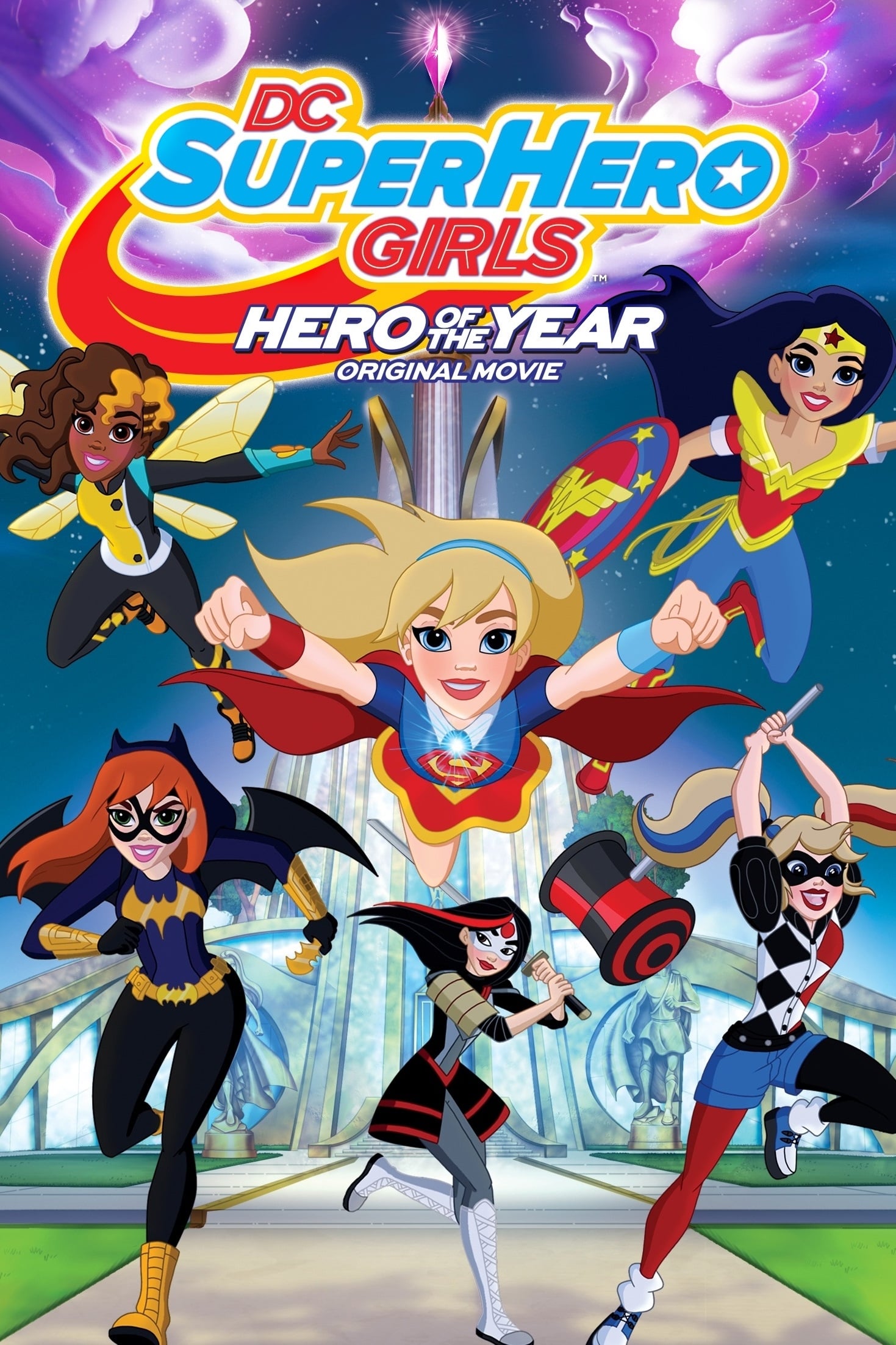
In 2015, DC launched the DC Super Hero Girls initiative. This was a multi-platform franchise specifically designed for young girls, reimagining characters like Wonder Woman, Batgirl, and Supergirl as high school students. This "historical" pivot was crucial because it moved the DC Girls out of the niche comic shop market and into mainstream retail, toy aisles, and global animation. By 2026, this brand has cemented its place as the primary entry point for young female fans into the DC Universe.
The DCU on Screen
The 2020s marked a surge in female-led cinematic projects. Following the success of the Wonder Woman films, DC transitioned into a new era under the leadership of James Gunn and Peter Safran. As of 2026, the "DCU" film slate has prioritized complex portrayals of characters like Supergirl (in Supergirl: Woman of Tomorrow) and the ensemble cast of Paradise Lost, a political drama focusing on the Amazons of Themyscira.
Summary of Key Era Transitions
| Era | Primary Theme | Key Characters Introduced/Redefined | Editorial Focus |
|---|---|---|---|
| Golden Age (1938-1955) | Foundation & Empowerment | Wonder Woman, Black Canary | War efforts, mythological roots |
| Silver Age (1956-1970) | Domestication & Legacy | Supergirl, Batgirl (Barbara Gordon) | Sidekicks, family-friendly values |
| Bronze Age (1971-1985) | Social Justice & Agency | Huntress, Zatanna, Vixen | Feminism, political relevance |
| Modern Age (1986-2011) | Complexity & Teamwork | Oracle, Harley Quinn, Birds of Prey | Mature themes, deconstruction |
| Contemporary (2012-2026) | Diversity & Global Brand | Jessica Cruz (Green Lantern), Naomi | New 52, Rebirth, Multi-media synergy |
Frequently Asked Questions
Who was the first female superhero in DC Comics?
While several minor characters appeared in the mid-1930s, Wonder Woman (1941) is widely recognized as the first major female superhero to headline her own title. Prior to her, female characters like the original Hawkgirl (1940) appeared but often in a supporting capacity to their male counterparts.
What is the significance of "The Birds of Prey" in DC history?
The Birds of Prey were revolutionary because they established a female-only team that didn't rely on "feminized" versions of male heroes. Led by Oracle and Black Canary, the team focused on espionage, street-level crime-fighting, and deep character development, proving that female-led ensembles were commercially viable in the male-dominated direct market.
How did the "DC Super Hero Girls" franchise change the brand?
Launched in 2015, the franchise shifted the "DC Girls" from being characters viewed through a male lens to characters designed specifically for a young female audience. It focused on themes of friendship, self-discovery, and empowerment, expanding DC's market share in the toy and apparel industries significantly.
Who are the "Code Girls" and are they related to DC Comics?
The "Code Girls" were real-life female cryptographers in Washington, D.C., during WWII. While they share the "DC" and "Girls" moniker, they are a historical entity, not a comic book team. However, their real-life heroics in D.C. have often been compared to the intelligence-gathering roles of characters like Oracle in comic book scholarship.
How has Harley Quinn’s role evolved in the historical overview?
Harley Quinn is one of the most drastic examples of character evolution. She began as a one-off sidekick for the Joker in 1992 and evolved into a central protagonist by 2026. Her "historical" journey is defined by her reclamation of agency, moving from a victim of domestic abuse to an independent leader of the Suicide Squad and a standalone anti-hero.
Next Steps for Historians and Fans
To further explore the history of these characters, readers should consult the official DC Comics archives for digital collections of Golden and Silver Age titles. For academic research, the Library of Congress Comic Art Collection provides primary source materials regarding the cultural impact of female characters on American society. Those interested in the modern 2026 status of these icons can follow the latest developments in the James Gunn-led DCU cinematic universe, which continues to redefine these legendary figures for a new generation.
Image Gallery