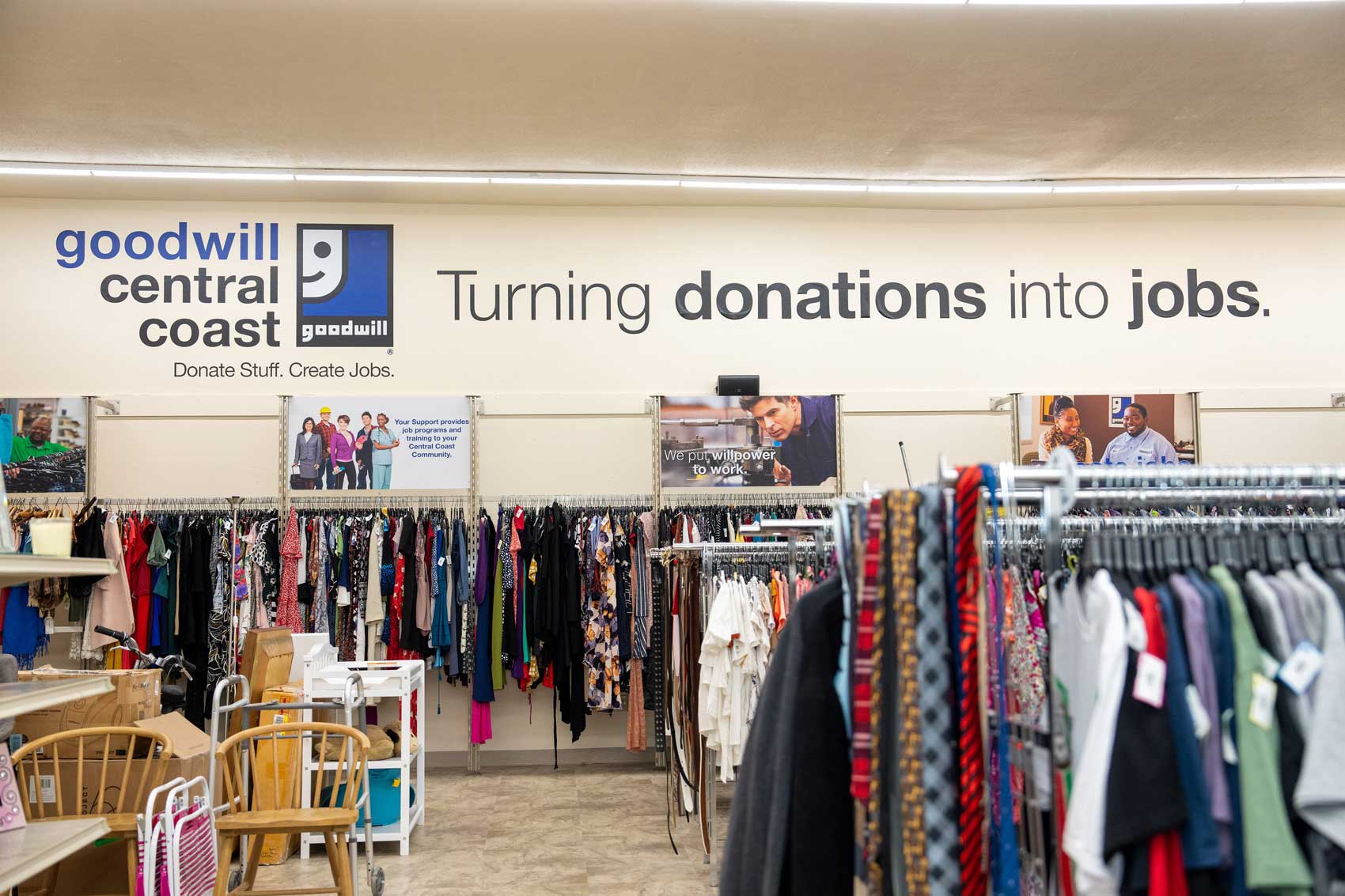
Why Goodwill is a Leading Choice for Thrifting and Social Impact
Goodwill is considered a premier thrift store because it operates a sophisticated non-profit model that converts donated goods into funded community workforce development. Unlike for-profit resellers, Goodwill reinvests its retail reve...
Goodwill is considered a premier thrift store because it operates a sophisticated non-profit model that converts donated goods into funded community workforce development. Unlike for-profit resellers, Goodwill reinvests its retail revenue into job training, placement services, and classes for individuals facing barriers to employment, while simultaneously diverting millions of pounds of waste from landfills annually.
Contents
Thrifting has undergone a massive cultural shift. By 2026, the secondhand market is no longer just a way to save money; it is a primary pillar of the circular economy. Goodwill Industries International remains at the forefront of this movement. Whether you are a dedicated "reseller," a budget-conscious shopper, or an environmental advocate, understanding the mechanics of why Goodwill is a "good" thrift store requires looking beyond the racks of clothing. It involves examining its social mission, its massive logistics network, and its role in local economic stabilization.
The Social Mission: How Retail Funds Human Services
The primary reason Goodwill stands out from many other thrift chains is its status as a 501(c)(3) non-profit organization. When you shop at a for-profit thrift store, the margin between the cost of operations and the sale price goes to shareholders or private owners. At Goodwill, that margin is redirected toward mission-based services.
Workforce Development and Job Training
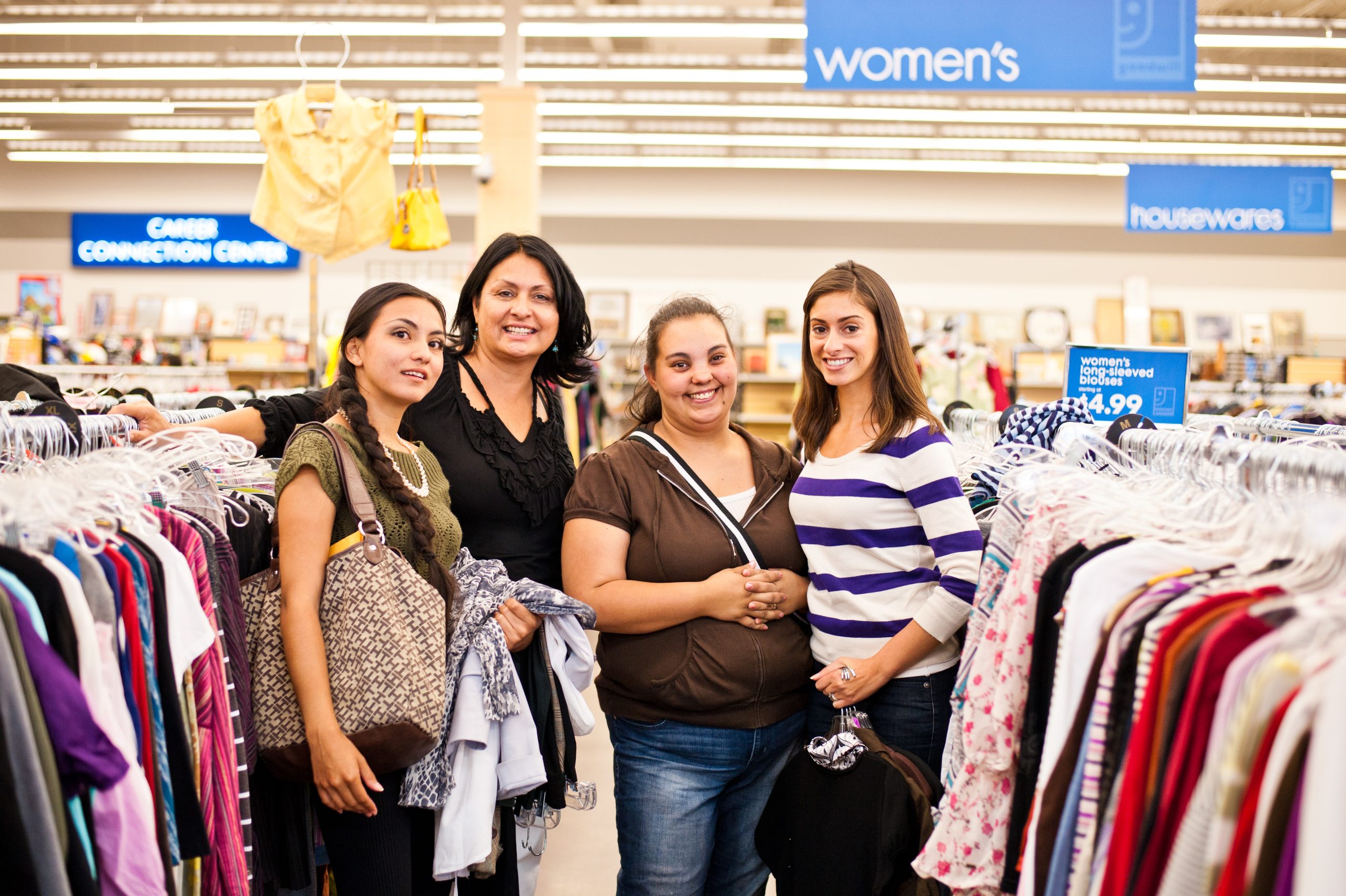
In 2026, the labor market continues to evolve with rapid technological changes. Goodwill uses its retail profits to fund "Goodwill Career Centers." These centers provide:
- Skill Training: Courses in high-demand fields like IT, healthcare, and advanced manufacturing.
- Resume Assistance: Helping individuals bridge gaps in their employment history.
- Credentialing: Assisting people in obtaining official certifications that lead to higher-paying roles.
- Support Services: In many regions, Goodwill provides childcare or transportation assistance to help people maintain steady employment.
Serving Vulnerable Populations
Goodwill specifically targets help toward individuals with disabilities, those with prior criminal records seeking a fresh start, and people who have been historically marginalized in the workforce. By providing an entry-level job within the thrift store itself, Goodwill acts as a training ground where employees can build the "soft skills" and "hard skills" necessary to transition into other industries.
The Logistics of Inventory: The "Thrill of the Hunt"
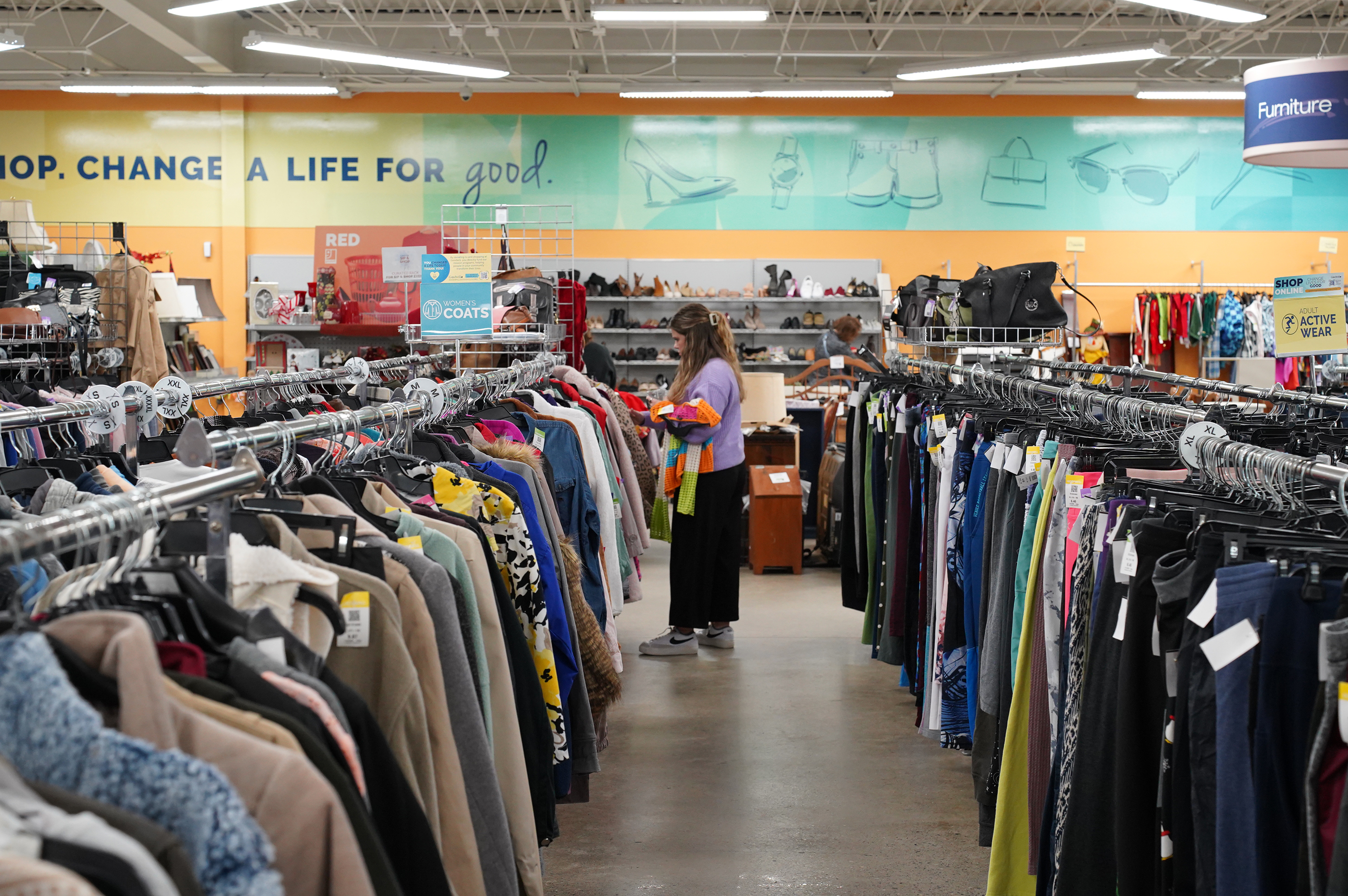
A major factor in why shoppers prefer Goodwill is the sheer volume and variety of inventory. Because Goodwill has thousands of donation drop-off points across North America, the turnover rate of items is higher than almost any other retail sector.
Consistent Restocking Cycles
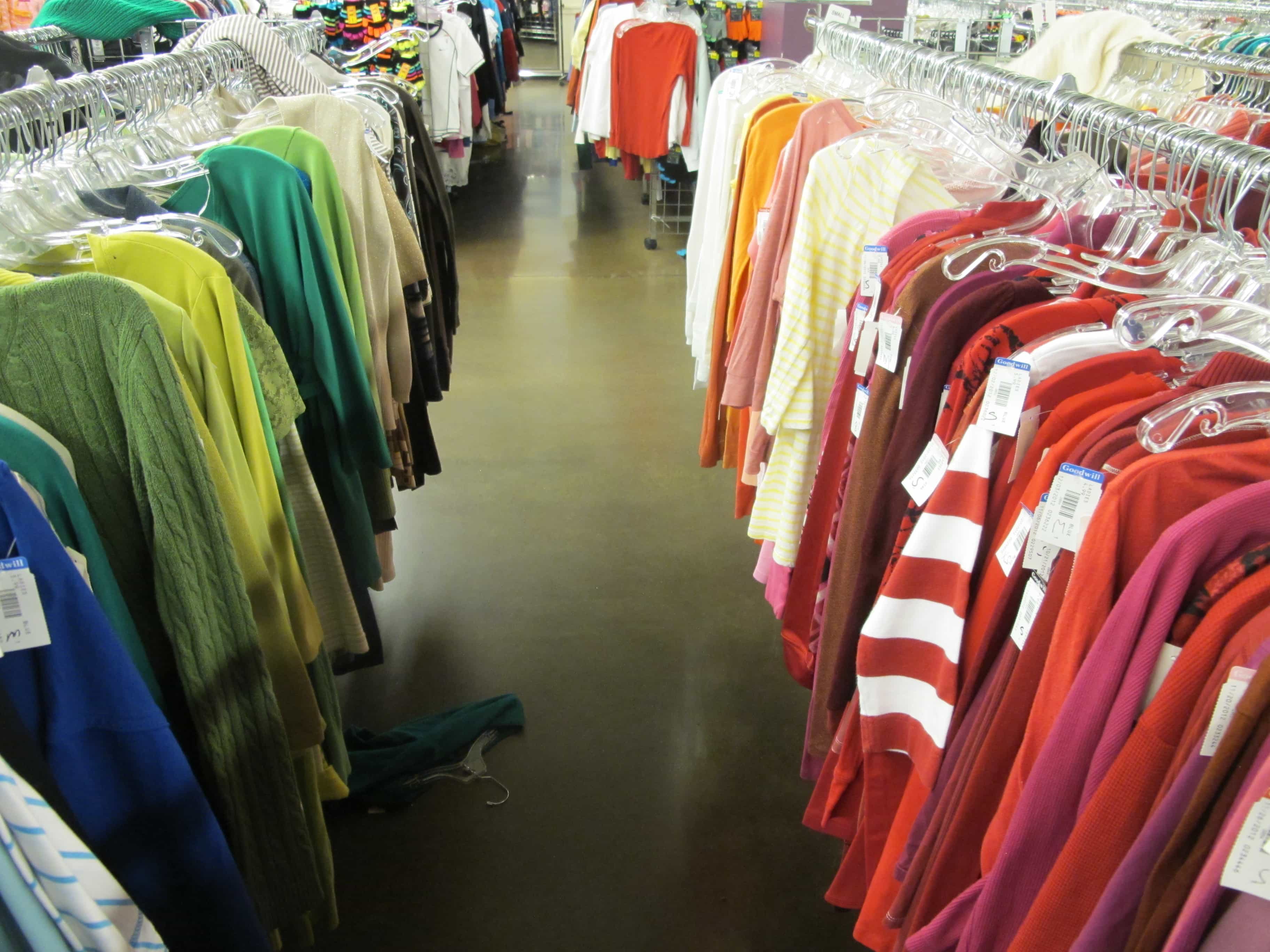
Most Goodwill locations restock their floors daily, often hourly. This creates a high-frequency shopping environment where the inventory at 9:00 AM may be entirely different by 4:00 PM. For regular shoppers, this "freshness" of inventory is a major draw. In 2026, many locations have implemented sophisticated inventory management systems that track "pull dates," ensuring that items don't sit on the floor for more than a few weeks.
The Tiered Sales System
Goodwill maximizes the value of donations through a multi-tiered sales strategy:
- Retail Stores: The primary destination for high-quality used goods.
- Boutique Locations: Some regions operate "Goodwill Blue" or boutique stores that feature curated, high-end designer brands at a slightly higher price point.
- Online Auctions: Rare collectibles, jewelry, and high-value electronics are often moved to ShopGoodwill.com, allowing the organization to get the maximum market value for a donation, which in turn provides more funding for their mission.
- The Outlets (The Bins): Items that do not sell in retail stores are sent to "Goodwill Outlets." Here, items are sold by the pound. This is the final stop for goods before they are moved to the salvage or recycling stage.
Environmental Sustainability and the Circular Economy
In 2026, environmental impact is a critical metric for consumers. Goodwill serves as one of the largest textile recyclers in the world, playing a fundamental role in the "Circular Economy"—a system designed to eliminate waste and the continual use of resources.
Diverting Waste from Landfills
The fashion industry is one of the largest polluters globally. By extending the lifecycle of a garment, Goodwill significantly reduces the carbon footprint associated with manufacturing new clothing. When an item is donated to Goodwill, it is given a second, third, or even fourth life.
The Salvage and Textile Recycling Stream
A common question is: What happens to the clothes that don't sell? Unlike some retailers that discard unsold inventory, Goodwill has a robust secondary market. Items that are not fit for sale or fail to sell at the outlets are sold to textile recyclers. These items are then:
- Converted into industrial wiping cloths or rags.
- Shredded into fiber for insulation or carpet padding.
- Exported to developing nations to support local micro-economies.
This ensures that even the "unsellable" items contribute revenue to the mission while staying out of the local waste stream.
Economic Accessibility in a Changing Market
As of 2026, the cost of living remains a primary concern for many households. Goodwill provides an essential service by offering "needs-based" pricing. While some specialized vintage shops have seen prices skyrocket, Goodwill generally maintains a pricing structure that keeps basic necessities—like children's clothing, kitchenware, and professional attire—accessible to low-income families.
Comparison of Thrift Models
To understand why Goodwill is often the "good" or preferred choice, it helps to compare it against other common resale models.
| Feature | Goodwill (Non-Profit) | For-Profit Resale (e.g., Savers) | Boutique/Vintage Shops |
|---|---|---|---|
| Primary Goal | Social services & job training | Corporate profit | Curation & profit |
| Pricing | Low to Moderate | Moderate | High |
| Inventory Source | Community donations | Bulk buys & donations | Selective "picks" |
| Tax Benefits | Receipts provided for donors | No tax deduction for donors | Rare/Selective |
| Waste Diversion | High (Textile recycling focus) | Moderate | Low (Highly selective) |
| Community Impact | Reinvests revenue locally | Corporate social responsibility | Small business support |
Transparency and the "CEO Salary" Debate
A recurring point of discussion regarding Goodwill involves the compensation of its executives. To evaluate if Goodwill is a "good" store, it is important to look at the facts behind these claims.
Goodwill Industries International is a network of 150+ independent local organizations. Each local Goodwill has its own CEO and Board of Directors. While some CEOs of very large regions (like Southern California or New York) may have high salaries, these are typically commensurate with managing organizations that have thousands of employees and hundreds of millions in revenue.
More importantly, the vast majority of local Goodwills maintain a "Mission-to-Profit" ratio where over 82 cents of every dollar earned goes directly into community programs. When evaluating the "goodness" of a Goodwill, looking at the local impact report—which most regions publish annually—is the most accurate way to verify their efficacy.
Tips for Getting the Most Out of Your Goodwill Experience
To truly benefit from what makes Goodwill a great thrift store, shoppers should adopt a strategic approach. In 2026, the savviest shoppers use these methods:
- Shop the Color Tags: Most Goodwills use a color-coded rotation system. On certain days, a specific color tag will be 50% off or even $1.00. This is the most effective way to save money on already low prices.
- Know Your Neighborhoods: Because Goodwill relies on local donations, the inventory often reflects the surrounding community. Shopping in high-income ZIP codes can lead to more designer and high-end furniture finds.
- Visit Early and Often: High turnover means that "diamonds in the rough" are found by those who visit frequently.
- Use the "Goodwill Find" App: By 2026, many regional Goodwills have integrated with digital platforms that allow you to browse curated local inventory before you even leave your house.
Common Misconceptions About Thrifting at Goodwill
"It’s only for people who can’t afford new things." This is a dated perspective. In 2026, thrifting is a lifestyle choice for people across all income levels who are concerned about sustainability and unique style. Buying used is a "badge of honor" for the eco-conscious.
"Goodwill picks out all the good stuff for the online store." While high-value items are often sent to ShopGoodwill.com, the sheer volume of donations means that plenty of high-quality items still hit the retail floor. Staff members at the donation door are trained to spot high-value items, but the "miss rate" is high, leaving treasures for the diligent shopper.
"Donations are just sold for profit." As a non-profit, "profit" is a misnomer. Any revenue exceeding operational costs is reinvested. There are no private shareholders taking dividends from Goodwill’s success.
Frequently Asked Questions
Is Goodwill better than a local independent thrift store?
"Better" is subjective, but Goodwill offers a larger scale of social services. While local independent stores often support a specific cause (like a local animal shelter or church), Goodwill’s massive infrastructure allows it to provide specialized job training and certification programs that smaller organizations cannot sustain.
Are my donations at Goodwill tax-deductible in 2026?
Yes. Because Goodwill is a 501(c)(3) organization, your donations of clothing and household goods are tax-deductible. You should always ask for a receipt at the time of donation and consult with a tax professional regarding the valuation of your items.
How does Goodwill help the environment?
Goodwill acts as a massive "interceptor" for the waste stream. By providing a convenient place to drop off unwanted goods, they prevent those items from being thrown in the trash. Furthermore, their partnerships with textile recyclers ensure that even damaged goods are reused in industrial applications.
Does Goodwill provide jobs for people with disabilities?
Yes. One of Goodwill’s core founding principles is providing vocational opportunities for people with physical, intellectual, and developmental disabilities. They provide "supported employment" where individuals can gain work experience in a safe and accommodating environment.
Why have prices at some Goodwills increased recently?
Like all retail sectors, Goodwill faces rising costs for labor, rent, and transportation. Additionally, the rise of "reseller culture" has forced some locations to adjust prices to closer match market value, though they generally remain significantly cheaper than buying new.
Final Recommendation
Goodwill remains a "good" thrift store because it balances three critical needs: economic relief for shoppers, environmental protection through recycling, and social equity through job training. If you are looking to maximize the impact of your dollar, shopping at or donating to Goodwill ensures that your transaction supports more than just a retail exchange—it supports the livelihood of individuals in your own community. For the best experience, find your local Goodwill's "tag of the week" schedule and visit during weekday mornings when new inventory is most frequently pushed to the floor.
Image Gallery