Is Benadryl an Anticholinergic? Pharmacology, Risks, and Alternatives
Yes, Benadryl (diphenhydramine) is a potent anticholinergic drug. While primarily marketed as a first-generation antihistamine to relieve allergy symptoms and induce sleep, diphenhydramine actively blocks muscarinic acetylcholine recep...
Yes, Benadryl (diphenhydramine) is a potent anticholinergic drug. While primarily marketed as a first-generation antihistamine to relieve allergy symptoms and induce sleep, diphenhydramine actively blocks muscarinic acetylcholine receptors throughout the brain and body. This anticholinergic mechanism causes significant side effects, including dry mouth, drowsiness, urinary retention, cognitive impairment, and long-term health risks.
Contents
Understanding the Pharmacology: Why Benadryl Is an Anticholinergic
To understand why Benadryl behaves as an anticholinergic, it is necessary to examine how the drug interacts with the human nervous system. Diphenhydramine was developed in the 1940s as one of the earliest synthetic antihistamines. Because early drug design lacked targeted receptor specificity, diphenhydramine binds broadly to several types of cellular receptors rather than isolating a single pathway.
The active ingredient in standard Benadryl is diphenhydramine hydrochloride. Pharmacologically, it operates through two primary mechanisms:
- Histamine H1 Receptor Antagonism: It blocks histamine H1 receptors, which inhibits allergic response symptoms such as itching, sneezing, rhinorrhea (runny nose), and hives.
- Muscarinic Acetylcholine Receptor Antagonism: It blocks muscarinic acetylcholine receptors (specifically M1 through M5 subtypes), preventing the neurotransmitter acetylcholine from binding to its target sites.
Acetylcholine is a critical chemical messenger in both the central nervous system (the brain and spinal cord) and the peripheral nervous system. In the brain, acetylcholine regulates memory, learning, attention, and executive function. In the rest of the body, it controls involuntary muscle contractions, tear production, salivation, heart rate, and gastrointestinal motility.
Because diphenhydramine is highly lipophilic (fat-soluble), it readily crosses the blood-brain barrier. Once inside the central nervous system, its simultaneous suppression of histamine (which maintains wakefulness) and acetylcholine (which maintains cognitive processing) causes profound sedation, slowed thinking, and altered memory formation.
The Anticholinergic Toxidrome: Short-Term Side Effects
When acetylcholine receptors are blocked, normal physiological functions slow down or dry up. Medical professionals frequently use a classic mnemonic to describe acute anticholinergic effects: "Blind as a bat, mad as a hatter, red as a beet, hot as a hare, dry as a bone, the bowel and bladder lose their tone, and the heart runs alone."
While severe toxicity usually occurs only with high doses or overdoses, standard over-the-counter doses of diphenhydramine can trigger many of these peripheral and central side effects.
Peripheral Side Effects (Body)
- Dry Mouth and Eyes: Reduced secretion from salivary and lacrimal glands.
- Urinary Retention: Relaxation of the bladder detrusor muscle combined with sphincter contraction, making urination difficult.
- Constipation: Decreased smooth muscle peristalsis in the gastrointestinal tract.
- Blurred Vision and Mydriasis: Dilation of the pupils and paralysis of the eye's accommodation muscle (cycloplegia), impairing near vision focus.
- Tachycardia: Increased heart rate due to loss of parasympathetic vagal tone on the heart.
- Reduced Sweating: Inability to thermoregulate effectively, which can elevate body temperature in warm environments.
Central Side Effects (Brain)
- Sedation and Drowsiness: Strong feeling of fatigue and slowed reaction times.
- Cognitive Dysfunction: Brain fog, impaired short-term memory, and reduced executive concentration.
- Motor Impairment: Dizziness, unsteadiness, poor coordination, and increased risk of physical falls.
- Confusion and Delirium: Particularly in vulnerable populations, diphenhydramine can trigger acute agitation, disorientation, or hallucinations.
Comparing Antihistamine Generations
Not all allergy medications carry the strong anticholinergic properties found in Benadryl. Antihistamines are broadly divided into first-generation and second- (or third-) generation compounds.
First-generation antihistamines cross the blood-brain barrier easily and exert strong anticholinergic activity. Second- and third-generation antihistamines were engineered to be peripherally selective: they do not readily enter the central nervous system, nor do they bind significantly to muscarinic acetylcholine receptors.
| Drug Name (Brand / Generic) | Generation | Anticholinergic Activity | Blood-Brain Barrier Penetration | Drowsiness Risk | Primary Use Cases |
|---|---|---|---|---|---|
| Diphenhydramine (Benadryl) | First-Generation | High | High | High | Acute allergic reactions, short-term sleep aid, motion sickness |
| Chlorpheniramine (Chlor-Trimeton) | First-Generation | High | High | Moderate to High | Allergy relief, multi-symptom cold formulas |
| Doxylamine (Unisom SleepTabs) | First-Generation | Very High | High | High | Over-the-counter sleep aid, morning sickness (with Pyridoxine) |
| Loratadine (Claritin) | Second-Generation | Low to None | Low | Non-Drowsy | Daily seasonal allergies, chronic hives |
| Cetirizine (Zyrtec) | Second-Generation | Very Low | Minimal | Low to Moderate | Seasonal allergies, allergic rhinitis |
| Fexofenadine (Allegra) | Second-Generation | None | Extremely Low | Non-Drowsy | Seasonal allergies, outdoor/indoor allergy control |
| Levocetirizine (Xyzal) | Third-Generation | Minimal | Minimal | Low | Chronic allergic rhinitis, persistent urticaria |
Long-Term Health Risks: Cognitive Decline and Cumulative Burden
Over the past two decades, extensive epidemiological research has evaluated the long-term impact of cumulative anticholinergic exposure. Because acetylcholine is vital for keeping neural networks healthy and memory processes intact, blocking these pathways repeatedly over long periods poses significant risks to brain health.
Increased Risk of Dementia and Cognitive Decline
Observational studies—such as landmark research published in JAMA Internal Medicine—have documented a statistically significant association between high cumulative use of strong anticholinergic drugs and an increased risk of developing Alzheimer’s disease and other forms of dementia.
This risk is driven by cumulative anticholinergic burden: the total combined impact of taking one or more anticholinergic medications over months or years. Taking diphenhydramine nightly as a sleep aid for several years contributes directly to this accumulated exposure, just as taking prescription anticholinergics (such as certain tricyclic antidepressants or bladder antispasmodics) would.
Sleep Architecture Disruptions
Although diphenhydramine induces drowsiness, it does not promote high-quality, restorative sleep. It tends to suppress Rapid Eye Movement (REM) sleep and alter slow-wave deep sleep patterns. Over time, users can develop rapid physical tolerance to its sedative properties, often within 3 to 7 days of continuous use. This leads to escalating doses without added sleep benefit, increasing the risk of daytime grogginess, residual cognitive deficits, and dependency.
High-Risk Populations and the AGS Beers Criteria
Certain patient populations are uniquely vulnerable to the adverse effects of anticholinergic medications like Benadryl.
Older Adults (Ages 65 and Older)
The American Geriatrics Society (AGS) explicitly lists diphenhydramine and other first-generation H1 antihistamines on the AGS Beers Criteria®—a clinical guideline detailing medications that are potentially inappropriate for older adults.
As the human body ages, several physiological changes take place:
- The blood-brain barrier becomes more permeable.
- Natural acetylcholine production in the brain gradually declines.
- Hepatic metabolism and renal clearance of drugs slow down, extending the medication's half-life in the body.
In older individuals, diphenhydramine use is strongly associated with an elevated risk of confusion, delirium, urinary retention, severe constipation, and falls leading to fractures.
Individuals with Pre-existing Medical Conditions
Diphenhydramine can directly exacerbate several underlying medical conditions:
- Benign Prostatic Hyperplasia (BPH): By inhibiting bladder detrusor muscle contraction, it can trigger acute, painful urinary retention.
- Narrow-Angle Glaucoma: Pupillary dilation (mydriasis) can block fluid drainage pathways in the eye, raising intraocular pressure.
- Dementia or Mild Cognitive Impairment (MCI): Pre-existing memory impairments worsen significantly when acetylcholine pathways are blocked.
- Asthma or COPD: Anticholinergic drying effects can thicken bronchial secretions, making airway clearance more difficult for some individuals.
- Cardiovascular Disease: Tachycardia and blood pressure fluctuations can strain sensitive cardiac tissue.
Safer Alternatives for Allergies and Insomnia
If you currently rely on Benadryl for allergy management or sleep support, several safer, evidence-based alternatives are available over the counter and by prescription.
Alternatives for Allergy Relief
For seasonal or year-round allergies, modern guidelines recommend second- and third-generation oral antihistamines or targeted nasal sprays over first-generation drugs:
- Second-Generation Antihistamines: Fexofenadine (Allegra), Loratadine (Claritin), and Cetirizine (Zyrtec) offer effective relief from histamine-driven symptoms without blocking muscarinic receptors or causing heavy sedation.
- Corticosteroid Nasal Sprays: Fluticasone (Flonase), Budesonide (Rhinocort), or Triamcinolone (Nasacort) treat localized nasal inflammation directly at the site of exposure with minimal systemic absorption.
- Antihistamine Nasal Sprays: Azelastine sprays target nasal pathways directly without widespread systemic anticholinergic activity.
Alternatives for Sleep and Insomnia
Over-the-counter sleep aids containing diphenhydramine or doxylamine are intended strictly for temporary, short-term use (less than 7 to 10 consecutive days). For persistent sleep difficulties:
- Cognitive Behavioral Therapy for Insomnia (CBT-I): Clinical guidelines establish CBT-I as the standard first-line treatment for chronic insomnia. It addresses underlying behavioral and psychological drivers of poor sleep without medication risks.
- Non-Pharmacological Sleep Hygiene: Maintaining a consistent sleep schedule, eliminating evening screen exposure, managing ambient temperature, and limiting caffeine intake after mid-day.
- Melatonin and Melatonin Receptor Agonists: For circadian rhythm disruptions or short-term sleep onset issues, low-dose melatonin (0.5 mg to 3 mg) offers a non-anticholinergic option.
- Targeted Medical Therapies: If non-pharmacological methods fail, a healthcare provider can evaluate underlying causes (such as sleep apnea or restless legs syndrome) and prescribe safer, non-anticholinergic sleep medications when clinically appropriate.
Practical Guidance: How to Manage Anticholinergic Exposure
Reducing your overall anticholinergic burden involves carefully managing over-the-counter and prescription products.
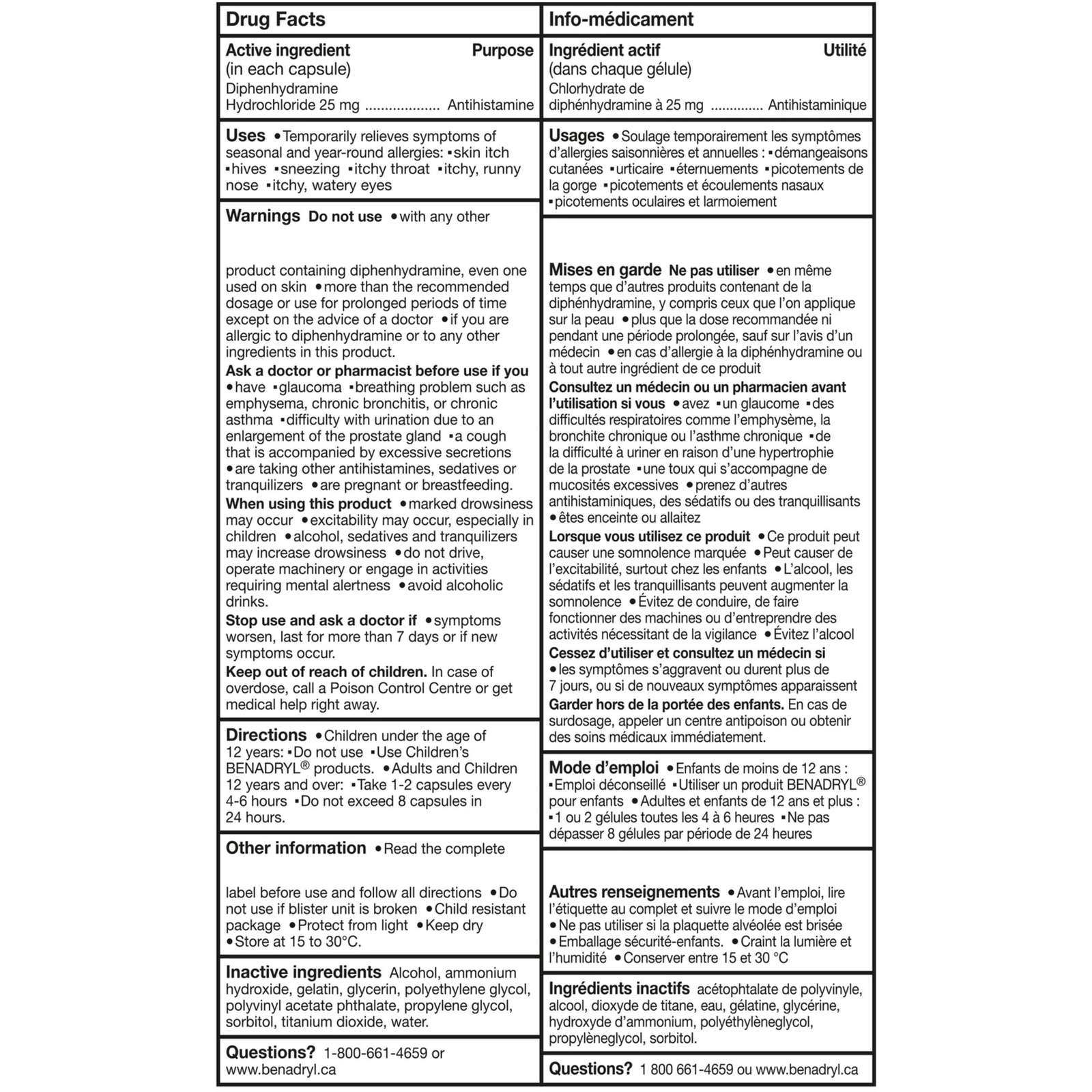
- Read Product Labels Carefully: Diphenhydramine is frequently packaged under store brand names and added to combination medications labeled as "Nighttime," "PM," "Cold & Flu," or "Sleep Aid." Check the active ingredients panel on all OTC products.
- Avoid Combining Anticholinergics: Do not take diphenhydramine alongside other medications with anticholinergic properties (such as PM pain relievers, certain muscle relaxers, or tricyclic antidepressants) without clinical oversight.
- Consult a Pharmacist or Physician: Ask your pharmacist to perform a medication review to calculate your cumulative anticholinergic burden, particularly if you take multiple daily prescriptions.
- Transition Gradually: If you have used diphenhydramine daily for extended periods to fall asleep, stopping abruptly may cause rebound insomnia. Work with a medical professional to establish a gradual taper and adopt supporting sleep strategies.
Frequently Asked Questions
Is Benadryl considered a high-risk anticholinergic?
Yes. Diphenhydramine exhibits strong affinity for muscarinic acetylcholine receptors and crosses the blood-brain barrier easily. Because of these factors, clinical risk models categorize diphenhydramine as a high-potency anticholinergic medication.
Does taking Benadryl occasionally cause long-term brain damage?
Infrequent, occasional use of diphenhydramine (such as treating an acute, sudden allergic reaction or severe bug bite) has not been demonstrated to cause permanent cognitive damage in healthy young adults. Long-term risks, such as cognitive decline and elevated dementia risk, are primarily linked to cumulative, long-term exposure over months or years, particularly in older individuals.
Why is diphenhydramine still sold over the counter if it has anticholinergic risks?
Diphenhydramine was approved by regulatory bodies mid-century, long before modern targeted receptor design existed. It remains available over the counter because it is highly effective for acute allergic emergency relief (such as sudden hives) and short-term symptom relief when taken according to package instructions. However, medical organizations continuously update safety warnings emphasizing that it should not be used long-term for chronic insomnia or everyday allergies.
Are second-generation antihistamines like Zyrtec or Claritin anticholinergic?
Second-generation antihistamines have minimal to no anticholinergic activity at standard therapeutic doses. They were chemically engineered to target peripheral H1 histamine receptors specifically and do not cross the blood-brain barrier in significant amounts, preventing the dry mouth, urinary retention, and cognitive blunting associated with Benadryl.
What should I take instead of Benadryl for a sudden allergic reaction?
For acute allergic reactions involving severe swelling, difficulty breathing, or anaphylaxis, emergency medical care and an epinephrine auto-injector (EpiPen) are required immediately; antihistamines alone are insufficient. For mild to moderate acute allergic reactions (such as localized hives or mild itching), second-generation antihistamines like cetirizine or fexofenadine provide effective relief with a lower risk of central nervous system side effects. Consult a healthcare provider for personalized guidance on emergency allergy plans.
Key Recommendations
- Recognize the Mechanism: Diphenhydramine (Benadryl) acts as both an H1 antihistamine and a strong anticholinergic agent that affects both the body and the brain.
- Limit Continuous Use: Avoid using diphenhydramine as a daily, long-term sleep aid. Limit its use to short-term, acute situations.
- Switch to Modern Alternatives: For routine seasonal allergies, choose second- or third-generation non-drowsy antihistamines (fexofenadine, loratadine, cetirizine) or corticosteroid nasal sprays.
- Protect Vulnerable Individuals: Older adults (65+) and individuals with cognitive decline, glaucoma, or urinary obstruction should avoid diphenhydramine in favor of safer alternatives listed under the AGS Beers Criteria.
- Review Cumulative Medications: Check all over-the-counter "PM" and multi-symptom cold formulations for hidden diphenhydramine to lower your overall anticholinergic burden.
Disclaimers: This article is for informational and educational purposes only and does not constitute formal medical advice, diagnosis, or treatment. Always seek the advice of a qualified physician, pharmacist, or other credentialed healthcare provider with any questions regarding a medical condition, drug interaction, or medication regimen.
Image Gallery