The Biggest Colleges in Tennessee: A 2026 Guide to Enrollment and Campus Scope
As of 2026, the largest colleges in Tennessee are primarily led by the University of Tennessee, Knoxville, which maintains a total enrollment exceeding 36,000 students. Other major institutions following closely include Middle Tennesse...
As of 2026, the largest colleges in Tennessee are primarily led by the University of Tennessee, Knoxville, which maintains a total enrollment exceeding 36,000 students. Other major institutions following closely include Middle Tennessee State University and the University of Memphis, both of which serve student populations ranging between 20,000 and 22,000. These institutions define the state's educational landscape through their extensive research facilities, diverse academic offerings, and significant economic impact.
Contents
Choosing a university often involves balancing academic prestige with campus environment. In Tennessee, "size" is not merely a measure of the student headcount but also a reflection of available resources, faculty depth, and the breadth of the alumni network. For the 2026 academic year, the state’s higher education system continues to see a consolidation of growth in major metropolitan hubs, particularly in Knoxville, Murfreesboro, and Memphis.
Understanding Enrollment Trends in Tennessee Higher Education
The landscape of Tennessee’s higher education in 2026 is shaped by the "Tennessee Promise" and "Tennessee Reconnect" initiatives, which have stabilized enrollment pipelines into community colleges and subsequently into four-year public universities. While national trends have shown some volatility in college attendance, Tennessee’s largest public institutions have remained resilient due to competitive tuition rates and aggressive campus expansions.
Enrollment figures typically distinguish between undergraduate headcount, graduate headcount, and full-time equivalent (FTE) students. The "biggest" schools are generally ranked by total headcount, which includes part-time learners and those enrolled in professional programs. This distinction is vital for prospective students to understand, as a high headcount often correlates with larger lecture halls, more expansive student unions, and a wider variety of extracurricular organizations.
The Top 5 Largest Public Universities in Tennessee
Public universities in Tennessee operate under two primary governance structures: the University of Tennessee (UT) System and various independent boards for schools formerly under the Tennessee Board of Regents. These institutions receive state funding, allowing them to maintain larger capacities than most private colleges.
1. University of Tennessee, Knoxville (UTK)
As the state's flagship land-grant institution, the University of Tennessee, Knoxville remains the largest university in the state by a significant margin. In 2026, UTK continues to see record-breaking application numbers, driven by its status as a top-tier research university and its prominence in the Southeastern Conference (SEC).
- Campus Character: UTK offers a classic "mega-campus" experience. The university is deeply integrated into the city of Knoxville, with the iconic Neyland Stadium and Thompson-Boling Arena serving as focal points for campus culture.
- Academic Scope: It hosts over 900 programs of study. The relationship with the nearby Oak Ridge National Laboratory provides unique research opportunities in nuclear engineering, materials science, and supercomputing that few other institutions globally can match.
- 2026 Context: The university has recently expanded its housing infrastructure to accommodate the surge in enrollment, ensuring that the "Volunteer" experience remains accessible despite the growing student body.
2. Middle Tennessee State University (MTSU)
Located in Murfreesboro, just south of Nashville, MTSU consistently ranks as one of the largest undergraduate institutions in the state. Its proximity to the rapidly growing Nashville metropolitan area makes it a primary choice for students seeking a large-campus feel with strong professional pipelines.
- Specialized Excellence: MTSU is nationally recognized for its College of Media and Entertainment, particularly its Recording Industry program. It also houses one of the most respected Aerospace programs in the United States.
- Student Demographics: MTSU traditionally serves a high number of transfer students and adult learners, contributing to a diverse and pragmatic student body.
- Infrastructure: The campus is expansive and relatively flat, characterized by modern facilities like the Science Building and the Student Union, which serve as the social heart of the university.
3. University of Memphis (UofM)
The University of Memphis serves as the primary urban research hub for West Tennessee. As a Carnegie R1 research institution, its size is matched by its academic intensity and its role in the economic development of Memphis.
- Urban Integration: Unlike the self-contained feel of UTK, the University of Memphis is woven into the city’s fabric. This provides students with direct access to internships and employment with Fortune 500 companies like FedEx, AutoZone, and St. Jude Children’s Research Hospital.
- Growth Areas: The university has seen significant growth in its Fogelman College of Business and Economics and its Kemmons Wilson School of Hospitality and Resort Management.
- Online Presence: A significant portion of the UofM’s "bigness" comes from its robust UofM Global platform, which allows thousands of students to pursue degrees remotely while remaining part of the official enrollment count.
4. East Tennessee State University (ETSU)
Situated in Johnson City, ETSU is the largest institution in the Appalachian region of the state. It serves a critical role in providing healthcare education and regional leadership.
- Health Sciences Focus: ETSU is unique because it hosts a comprehensive Academic Health Sciences Center, including the Quillen College of Medicine and the Bill Gatton College of Pharmacy. This focus draws a large population of graduate and professional students.
- Regional Impact: The university is a cultural anchor for the Tri-Cities area, emphasizing rural medicine, Appalachian studies, and bluegrass music.
- Campus Environment: Students at ETSU enjoy a campus that feels smaller than UTK or MTSU despite its large enrollment, thanks to its scenic location and more decentralized layout.
5. University of Tennessee at Chattanooga (UTC)
UTC has experienced steady growth over the last decade, firmly cementing its place among the state’s largest schools. It is often praised for balancing the resources of the UT System with the accessibility of a mid-sized metropolitan university.
- Economic Hub: Chattanooga’s "Gig City" reputation for high-speed internet and tech startups has fueled the university’s computer science and engineering departments.
- Student Life: UTC is known for its outdoor-centric lifestyle, with easy access to the Tennessee River and surrounding mountains, making it a popular choice for students who value both academics and recreation.
Comparison of Major Tennessee Institutions (2026 Data)
The following table provides a snapshot of the primary metrics for Tennessee's largest universities for the 2026 academic cycle.
| University | Location | Estimated Total Enrollment | Primary Type | Notable Strength |
|---|---|---|---|---|
| UT Knoxville | Knoxville | 36,500+ | Public Research | Engineering, Supply Chain |
| Middle Tennessee State | Murfreesboro | 21,200+ | Public | Aerospace, Recording Industry |
| University of Memphis | Memphis | 21,000+ | Public Research | Health Sciences, Business |
| Vanderbilt University | Nashville | 13,800+ | Private Research | Medicine, Law, Education |
| East Tennessee State | Johnson City | 13,500+ | Public | Rural Healthcare, Pharmacy |
| UT Chattanooga | Chattanooga | 11,400+ | Public | Computer Science, Nursing |
| Tennessee Tech | Cookeville | 10,200+ | Public | STEM, Cyber-security |
Notable Large Private Institutions
While public universities dominate the top of the list in terms of sheer numbers, several private institutions in Tennessee are large enough to rival the size and scope of mid-sized public schools.
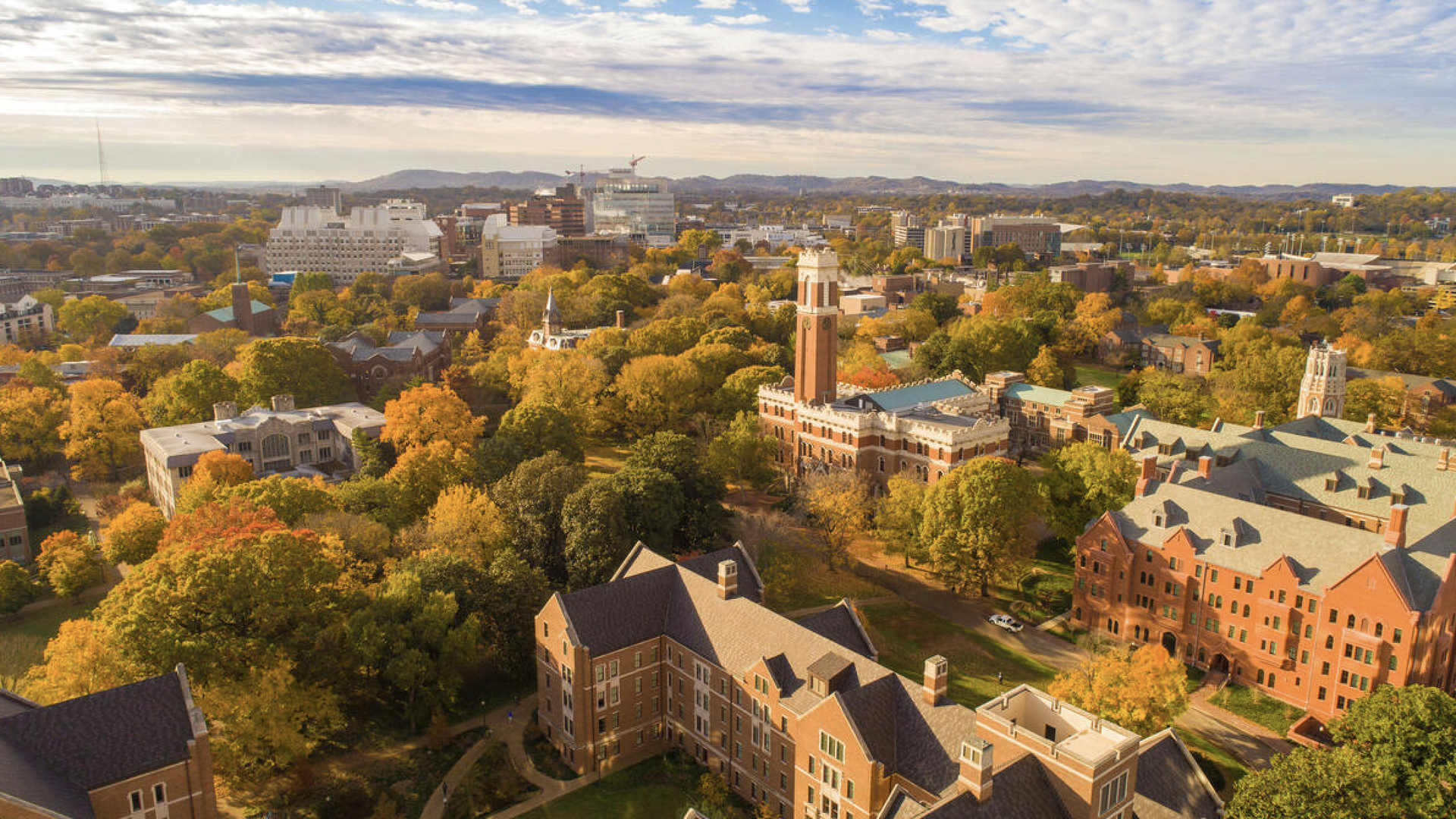
Vanderbilt University
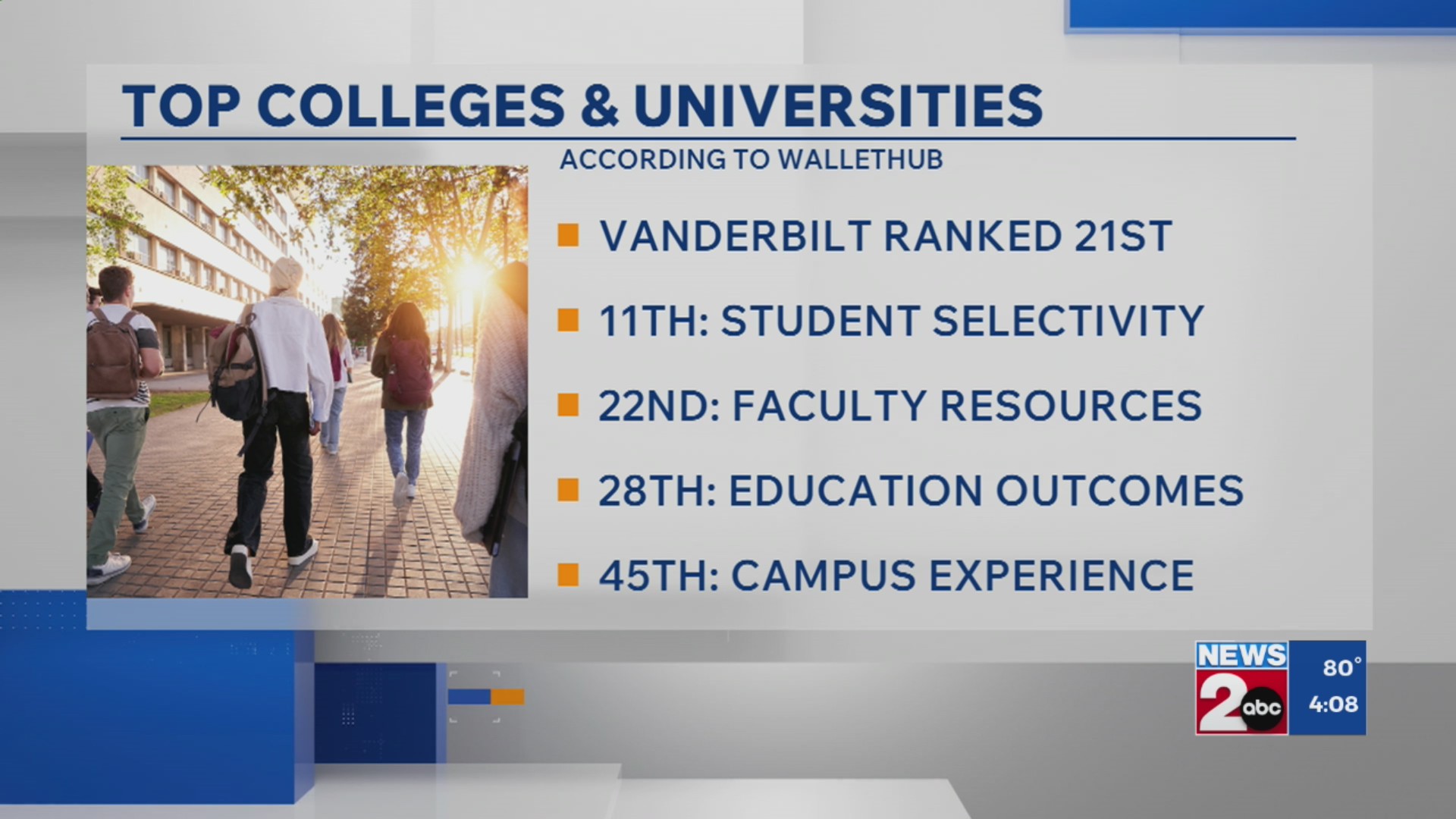
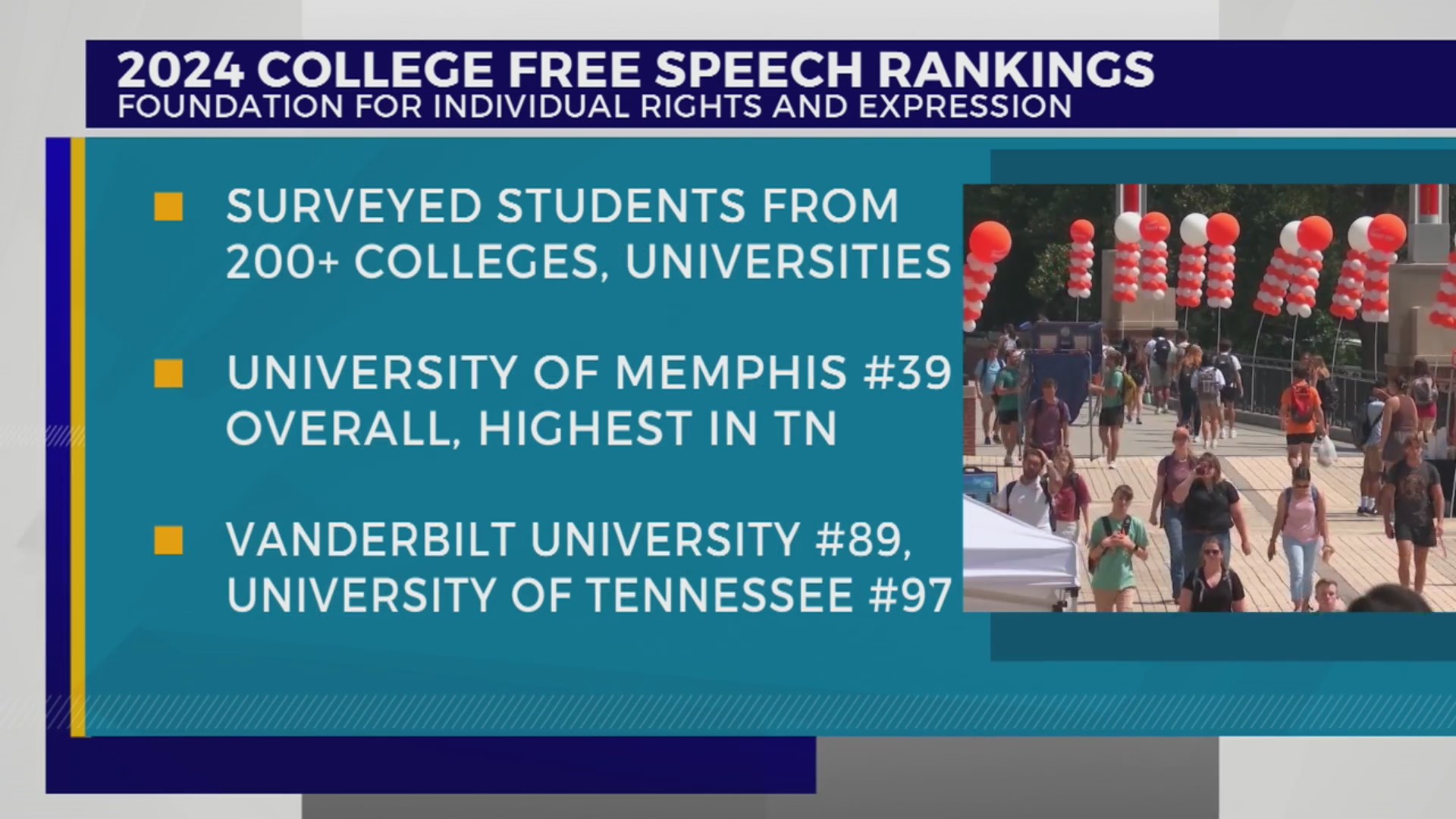
Vanderbilt, located in the heart of Nashville, is the state’s most prestigious and largest private university. With an enrollment approaching 14,000, it manages to maintain a low student-to-faculty ratio despite its significant headcount. Vanderbilt's "size" is best measured by its massive endowment and the international reach of its medical center and research programs.
Belmont University
Also located in Nashville, Belmont has seen explosive growth over the last two decades. Now serving nearly 9,000 students, it is one of the largest Christian universities in the region. It is particularly well-known for its Mike Curb College of Entertainment and Music Business, which rivals MTSU’s program in terms of industry influence.
Navigating Large vs. Small Campuses: Which is Right for You?
Size brings both opportunities and challenges. Prospective students evaluating the biggest colleges in Tennessee should consider the following operational realities:
The Advantages of Large Enrollment:
- Resource Breadth: Larger schools like UTK or UofM offer more student organizations, more robust career centers, and a wider variety of elective courses.
- Alumni Networks: Graduating from a large state school provides an immediate connection to a massive network of professionals. For instance, the UT Alumni Association has hundreds of thousands of members worldwide.
- Research Infrastructure: Only the largest schools have the budget to maintain high-level laboratories, extensive library archives, and specialized equipment.
The Challenges of Large Enrollment:
- Administrative Hurdles: Navigating financial aid, registration, and housing in a system with 30,000 other people requires a higher degree of self-advocacy and organization.
- Class Size: While upper-level courses are smaller, introductory "gen-ed" classes at schools like MTSU or UTK may take place in large lecture halls with hundreds of students.
- Social Navigation: Finding a community can take more effort in a large environment. Joining "living-learning communities" (LLCs) or specialized clubs is often necessary to make a large campus feel small.
Key Factors Influencing Campus Size and Growth
The current enrollment levels in 2026 are not accidental; they are the result of several regional factors:
- Urban Migration: Cities like Nashville, Murfreesboro, and Knoxville are among the fastest-growing in the Southeast. Universities in these areas naturally attract more local students and more out-of-state interest.
- Affordability Programs: The state’s commitment to funding higher education through lottery-funded scholarships like the HOPE Scholarship makes large public universities more accessible to Tennessee residents than smaller, private alternatives.
- Capital Improvements: Institutions like Tennessee Tech and Austin Peay State University have invested heavily in new dormitory and laboratory construction over the last five years to compete for students who might otherwise choose the flagship in Knoxville.
FAQs About Tennessee’s Largest Colleges
Which Tennessee college has the largest physical campus?
The University of Tennessee, Knoxville, occupies the largest contiguous campus, but the University of Tennessee System as a whole manages the most acreage across the state, including agricultural research centers and satellite campuses.
Is the University of Memphis bigger than MTSU?
Enrollment numbers between the University of Memphis and Middle Tennessee State University often fluctuate within a few hundred students of each other. As of 2026, they are effectively tied for the second-largest public university spot, with Memphis often having more graduate students and MTSU having a larger undergraduate presence.
What is the largest community college in Tennessee?
Pellissippi State Community College, with multiple campuses in the Knoxville area, and Nashville State Community College are consistently the largest two-year institutions in the state, each serving over 8,000 students.
Does a larger university cost more to attend?
Not necessarily. Tuition is determined by the university’s board of trustees and state funding levels. Large public universities often have more scholarship funds and lower "per-student" overhead costs than small private colleges, making them some of the most affordable options in the state.
How does Vanderbilt compare to the big public schools?
While Vanderbilt is the fourth or fifth largest university overall, its high tuition and highly selective admissions (often below a 5% acceptance rate) create a very different environment from the broad-access public universities like UTK or MTSU.
Final Recommendation for Prospective Students
If you thrive in high-energy environments with diverse social circles and extensive research opportunities, the University of Tennessee, Knoxville or the University of Memphis are the premier choices. For those seeking a blend of large-school resources with a more specialized, professional focus—particularly in media or aviation—Middle Tennessee State University offers an unparalleled value proposition. Always visit the campus during a regular school day to gauge the "feel" of the population density before making a final decision.
Image Gallery