Comprehensive Overview of the Scripps Prebys Cardiovascular Institute
The Scripps Prebys Cardiovascular Institute (SPCI) is a premier center for heart care located on the Scripps Memorial Hospital La Jolla campus in San Diego, California. As of 2026, it remains a global leader in treating complex heart c...
The Scripps Prebys Cardiovascular Institute (SPCI) is a premier center for heart care located on the Scripps Memorial Hospital La Jolla campus in San Diego, California. As of 2026, it remains a global leader in treating complex heart conditions through a combination of advanced surgical technology, pioneering clinical research, and a patient-centered design that integrates inpatient and outpatient services into a single high-tech hub.
Contents
The Vision and Foundation of the Scripps Prebys Cardiovascular Institute
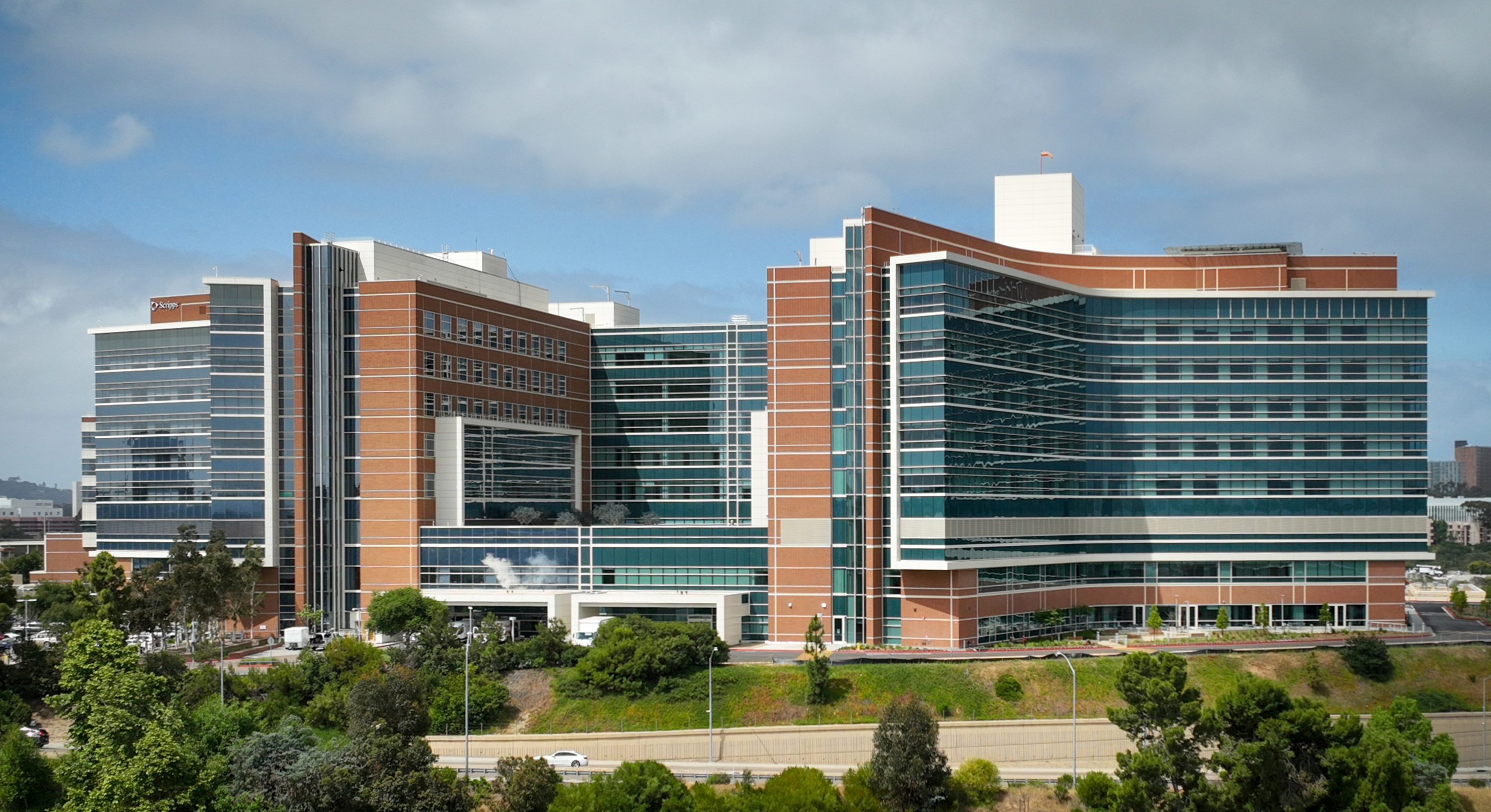
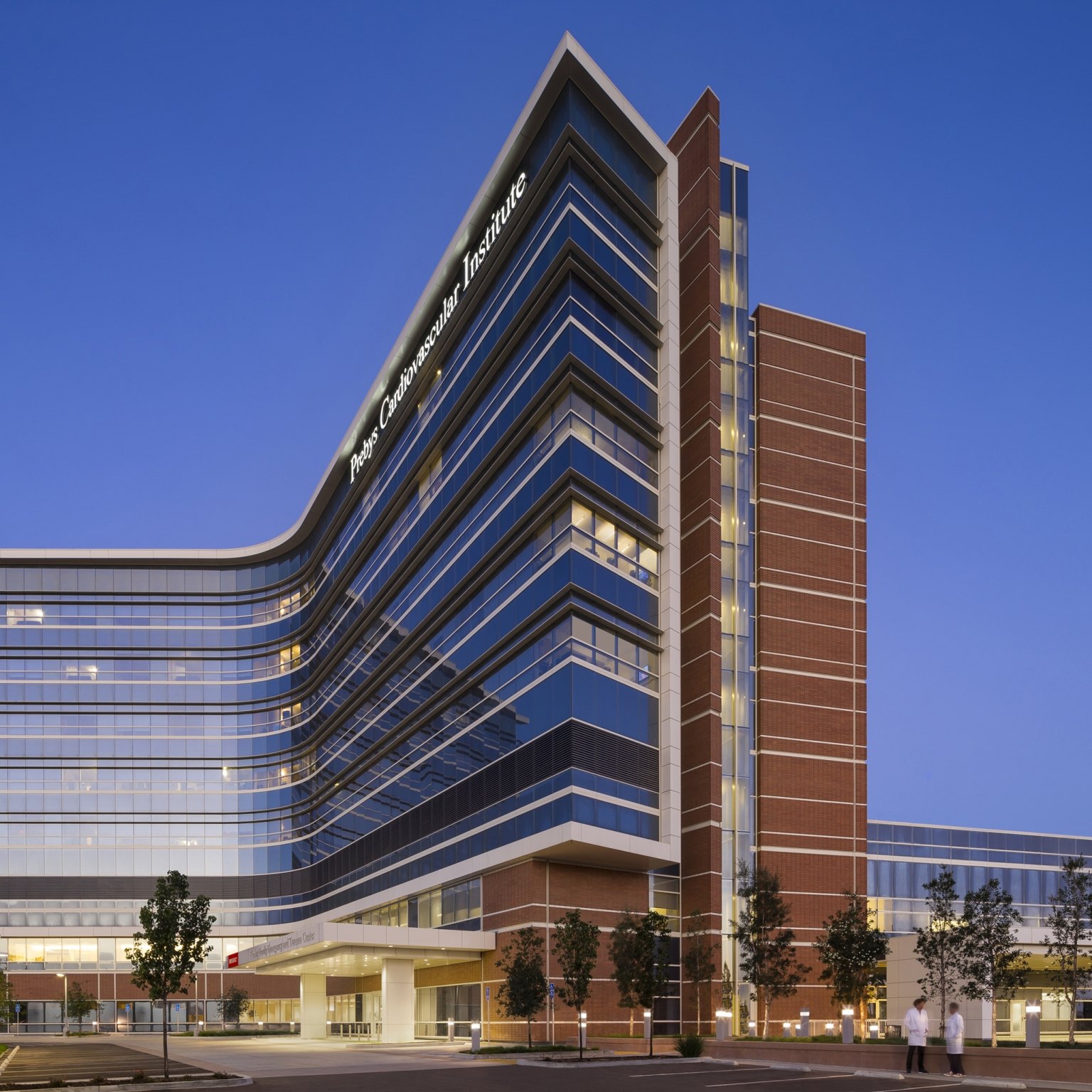
Established in 2015 following a landmark $45 million gift from philanthropist Conrad Prebys, the Institute was the centerpiece of a $456 million project aimed at consolidating Scripps Health’s heart care expertise. In 2026, the facility stands as the most advanced center for cardiovascular medicine on the West Coast, serving as a model for "evidence-based design" in healthcare.
The architectural philosophy behind the 383,000-square-foot, seven-story tower was to create an environment that actively promotes healing. This is achieved through the use of natural light, noise-reducing materials, and a layout that minimizes the physical distance between medical staff and patient beds. For patients, this means a reduction in stress and an increase in the frequency of clinician interactions. For the medical team, the building’s design facilitates a multidisciplinary approach where cardiologists, surgeons, and researchers collaborate under one roof.
The Institute functions as the hub for the Scripps Heart, Lung and Vascular Center, bringing together the resources of Scripps Memorial Hospital La Jolla and Scripps Clinic. This integration allows for a seamless transition of care, whether a patient is visiting for a routine diagnostic screening or undergoing an emergency heart transplant.
Specialized Clinical Programs and Centers of Excellence
The Scripps Prebys Cardiovascular Institute is structured around specialized centers of excellence, each focusing on specific aspects of heart and vascular health. This structure ensures that patients receive care from experts who possess deep specialized knowledge in their respective fields.
Structural Heart and Valve Program
One of the most active segments of the Institute is the Structural Heart and Valve Program. This program specializes in minimally invasive treatments for patients with valvular diseases who may be too high-risk for traditional open-heart surgery. In 2026, the Institute continues to lead in Transcatheter Aortic Valve Replacement (TAVR) and transcatheter mitral valve repair (such as the MitraClip). These procedures allow surgeons to repair or replace heart valves via a small catheter in the groin, significantly reducing recovery times and improving outcomes for elderly or frail patients.
Electrophysiology and Arrhythmia Management
The Heart Rhythm Center within the SPCI is dedicated to diagnosing and treating cardiac arrhythmias, including atrial fibrillation (AFib). The facility is equipped with specialized electrophysiology (EP) labs that utilize advanced mapping systems to pinpoint the source of irregular heartbeats. Treatments range from medication management and pacemaker implantation to complex catheter ablation. The use of robotic-assisted navigation in these labs allows for higher precision during ablation procedures, minimizing damage to healthy heart tissue.
Advanced Heart Failure and Transplant Services
For patients with end-stage heart disease, the Institute offers comprehensive heart failure management. This includes the implantation of Left Ventricular Assist Devices (LVADs) as a "bridge to transplant" or as "destination therapy" for those ineligible for a transplant. The program utilizes a multidisciplinary team approach, involving cardiologists, transplant surgeons, social workers, and nutritionists to manage the long-term health of heart failure patients.
Cutting-Edge Infrastructure and Medical Technology
The technical depth of the Scripps Prebys Cardiovascular Institute is most evident in its surgical and diagnostic infrastructure. The facility was built to accommodate not only the technology of today but the medical innovations of the future.
Hybrid Operating Rooms
A cornerstone of the SPCI is its suite of "Hybrid Operating Rooms." These rooms combine the capabilities of a traditional sterile surgical environment with the high-resolution imaging equipment of a cardiac catheterization lab. In a Hybrid OR, a team of interventional cardiologists and cardiothoracic surgeons can work simultaneously. If a minimally invasive procedure requires a sudden transition to open surgery, there is no need to move the patient; the room is already equipped for both.
Advanced Diagnostic Imaging
Accuracy in heart care begins with imaging. The Institute houses dedicated cardiovascular MRI (CMR) and CT suites. These tools provide 3D visualizations of the heart’s anatomy and function without the need for invasive exploration. In 2026, the use of AI-driven imaging analysis has become standard at SPCI, allowing clinicians to detect minute changes in heart muscle health and blood flow patterns that might be missed by the human eye alone.
Wireless Patient Monitoring
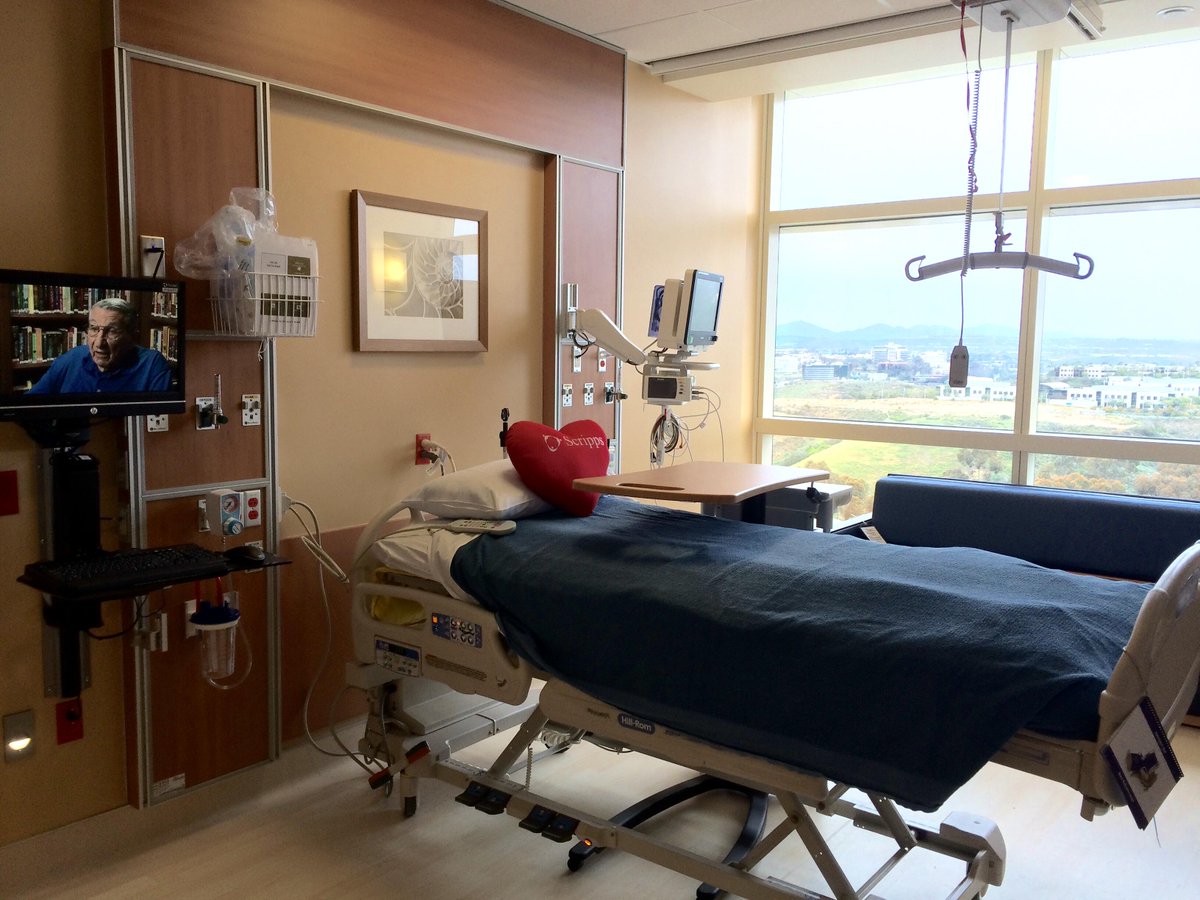
The Institute utilizes a sophisticated "telemetry-capable" infrastructure. Every patient room is equipped with wireless monitoring technology, allowing patients to be mobile while their vital signs—including heart rate and rhythm—are continuously transmitted to a central monitoring station. This "hospital without walls" approach ensures patient safety while encouraging the early mobilization that is critical for post-surgical recovery.
Research and Clinical Trials: Shaping the Future of Cardiology
The Scripps Prebys Cardiovascular Institute is not merely a treatment center; it is a research powerhouse. In collaboration with Scripps Research (formerly The Scripps Research Institute), the SPCI participates in hundreds of clinical trials annually.
Research at the Institute often focuses on:
- Genomics and Personalized Medicine: Using a patient’s genetic profile to predict their response to specific medications, such as blood thinners or cholesterol-lowering drugs.
- Stem Cell Therapy: Investigating the use of stem cells to repair damaged heart tissue following a myocardial infarction (heart attack).
- Digital Health and Wearables: Validating the accuracy of consumer-grade wearables in detecting arrhythmias and monitoring chronic heart failure patients remotely.
Patients at SPCI often have access to investigational devices and therapies years before they become available to the general public. This integration of research into clinical practice ensures that the standard of care is constantly evolving.
Patient Experience and Facility Amenities
Recognizing that heart surgery is a major life event, the Institute was designed with significant attention to the patient and family experience.
| Feature | Description | Patient Benefit |
|---|---|---|
| All-Private Rooms | 167 private inpatient beds with floor-to-ceiling windows. | Reduces infection risk and enhances privacy/rest. |
| Family Zones | Dedicated space in each room for family members to stay overnight. | Promotes emotional support and involvement in care. |
| Acoustic Design | Sound-absorbing ceiling tiles and silent alarm systems. | Improves sleep quality and reduces "hospital delirium." |
| Navigation Hub | Centralized check-in and concierge-style patient navigation. | Reduces stress when arriving for complex procedures. |
| Gazaile Pavilion | Outdoor spaces and rooftop gardens for patients and visitors. | Provides a calming environment away from clinical zones. |
Accessing Care: Referrals and Insurance
As a tertiary care center, the Scripps Prebys Cardiovascular Institute often receives patients through referrals from primary care physicians or other cardiologists throughout Southern California and beyond.
Prerequisites for Treatment
Patients typically enter the SPCI system through one of three routes:
- Specialist Referral: A community cardiologist refers a patient for a specific advanced procedure (e.g., TAVR or complex ablation).
- Emergency Admission: Patients presenting with acute cardiac events (heart attacks) at Scripps emergency departments are often transferred to SPCI for specialized intervention.
- Self-Referral for Second Opinions: Many patients seek out the Institute specifically for a second opinion on complex surgical recommendations.
Insurance and Costs
The Institute accepts a wide range of insurance plans, including Medicare, PPO, and some HMO plans. Because it is a specialized facility, costs for procedures may be higher than at community hospitals; however, this is often balanced by lower complication rates and shorter hospital stays. Patients are encouraged to verify "in-network" status specifically for both the facility (Scripps Memorial) and the medical group (Scripps Clinic or Scripps Coastal).
Frequently Asked Questions
What makes the Scripps Prebys Cardiovascular Institute different from other heart centers?
The SPCI is unique in its "integrated" model, where clinical care, research, and advanced imaging are physically and operationally combined. Unlike many hospitals where departments are fragmented, SPCI was built from the ground up specifically for heart and vascular patients, ensuring every staff member and piece of equipment is specialized for cardiac care.
Is the Scripps Prebys Cardiovascular Institute part of a university?
While Scripps Health is a private, non-profit health system, the Institute maintains a close academic and research partnership with Scripps Research. This allows SPCI to function with the scientific rigor of a university hospital while maintaining the efficiency and patient-service focus of a private healthcare system.
How do I get a second opinion from the Institute?
Patients can contact the Scripps Heart and Vascular Center directly to schedule a consultation. It is recommended to have your current imaging (echocardiograms, CT scans, or angiograms) available digitally to expedite the review process by SPCI specialists.
Does the Institute treat pediatric heart conditions?
The Scripps Prebys Cardiovascular Institute primarily focuses on adult cardiovascular care. Pediatric heart conditions in the San Diego region are typically handled through partnerships with Rady Children’s Hospital, though there is significant collaboration regarding adult congenital heart disease.
What are the visiting hours for the Cardiovascular Intensive Care Unit (CVICU)?
As of 2026, Scripps maintains a flexible visitation policy designed to support patient recovery. While the CVICU has more restricted hours than general floors to allow for critical procedures, family involvement is encouraged, and the private rooms are designed to accommodate overnight stays for one designated family member.
Practical Recommendation for Patients
For those facing a new diagnosis or preparing for a procedure at the Scripps Prebys Cardiovascular Institute, the most effective next step is to engage with a Patient Navigator. These staff members are specifically trained to help you manage the logistics of cardiac care, from gathering medical records to understanding the layout of the La Jolla campus. If you are traveling from outside the San Diego area, ask about the "Scripps Health travel program," which can sometimes assist with lodging recommendations near the campus for family members.
Image Gallery