Choosing a Florida Independent Broker for Life Insurance
Choosing an independent life insurance broker in Florida requires verifying their active licensure through the Florida Department of Financial Services, evaluating their access to multiple A-rated carriers, and confirming their experti...
Choosing an independent life insurance broker in Florida requires verifying their active licensure through the Florida Department of Financial Services, evaluating their access to multiple A-rated carriers, and confirming their expertise in local probate and estate laws. Unlike captive agents, independent brokers compare various policies to ensure your coverage aligns with Florida’s specific regulatory and tax environments.
Contents
Navigating the life insurance landscape in Florida is uniquely complex due to the state’s diverse demographic needs and rigorous regulatory framework. As of 2026, Florida remains one of the most active insurance markets in the United States, driven by a combination of a growing young professional population and a significant retiree base. For consumers, the choice between a captive agent—who represents a single insurance company—and an independent broker can mean the difference between a generic policy and a highly optimized financial strategy.
The Role of an Independent Broker in Florida’s 2026 Market
In the Florida insurance ecosystem, an independent broker acts as an intermediary who works on behalf of the consumer rather than the insurance carrier. This distinction is critical. Under Florida law, brokers are often held to high standards regarding suitability, ensuring that the product recommended actually fits the financial profile of the applicant.
Independent brokers have contracts with dozens of different insurance providers. This allows them to "shop the market" for the best rates and terms. In 2026, with the integration of advanced AI-driven underwriting, independent brokers utilize sophisticated software to input a client’s health data and instantly receive preliminary quotes from various carriers. This saves the consumer from filling out multiple applications and undergoing redundant medical examinations.
Fiduciary Responsibility vs. Suitability Standard
When selecting a broker, it is vital to understand the standard of care they provide. While many brokers operate under a "suitability" standard—meaning the product must be appropriate for your needs—some independent advisors in Florida also hold certifications that require a fiduciary duty. A fiduciary is legally obligated to put your interests above their own, which is particularly relevant when discussing high-commission products like Indexed Universal Life (IUL) or Whole Life insurance.
Key Steps to Verify a Florida Independent Broker
Before sharing sensitive personal or medical information, you must perform due diligence on the professional you are considering. Florida’s regulatory environment is transparent, providing consumers with several tools to verify a broker's standing.
1. Verify Licensure via the Florida Department of Financial Services (DFS)
The first step is to visit the Florida DFS "Licensee Search" portal. Every life insurance professional in the state must hold a valid 214 (Life including Variable Annuity) or 215 (Life, Health, and Variable Annuity) license.
- Check for Administrative Actions: The portal will show if the broker has faced any disciplinary actions or license suspensions.
- Appointment Check: An independent broker should have "appointments" with multiple carriers. If you see only one or two carrier appointments, they may effectively be acting as a captive agent despite their "independent" branding.
2. Evaluate Carrier Portfolio
A major advantage of an independent broker is variety. Ask for a list of the carriers they represent. In 2026, reputable brokers should work with a mix of "Big Mutual" companies (like Northwestern Mutual or New York Life, if they have brokerage channels) and specialized carriers known for aggressive pricing in specific niches, such as Banner Life or Protective.
- Financial Strength Ratings: Ensure the broker primarily recommends carriers with an A- (Excellent) rating or higher from A.M. Best or Demotech.
3. Assess Technical Expertise in Florida Statutes
Florida has specific statutes that affect life insurance, particularly regarding how proceeds are handled in probate. A qualified Florida broker should understand Florida Statute 222.13, which generally protects life insurance proceeds from the claims of the deceased's creditors when the policy is payable to a specific beneficiary.
Comparing Independent Brokers vs. Captive Agents
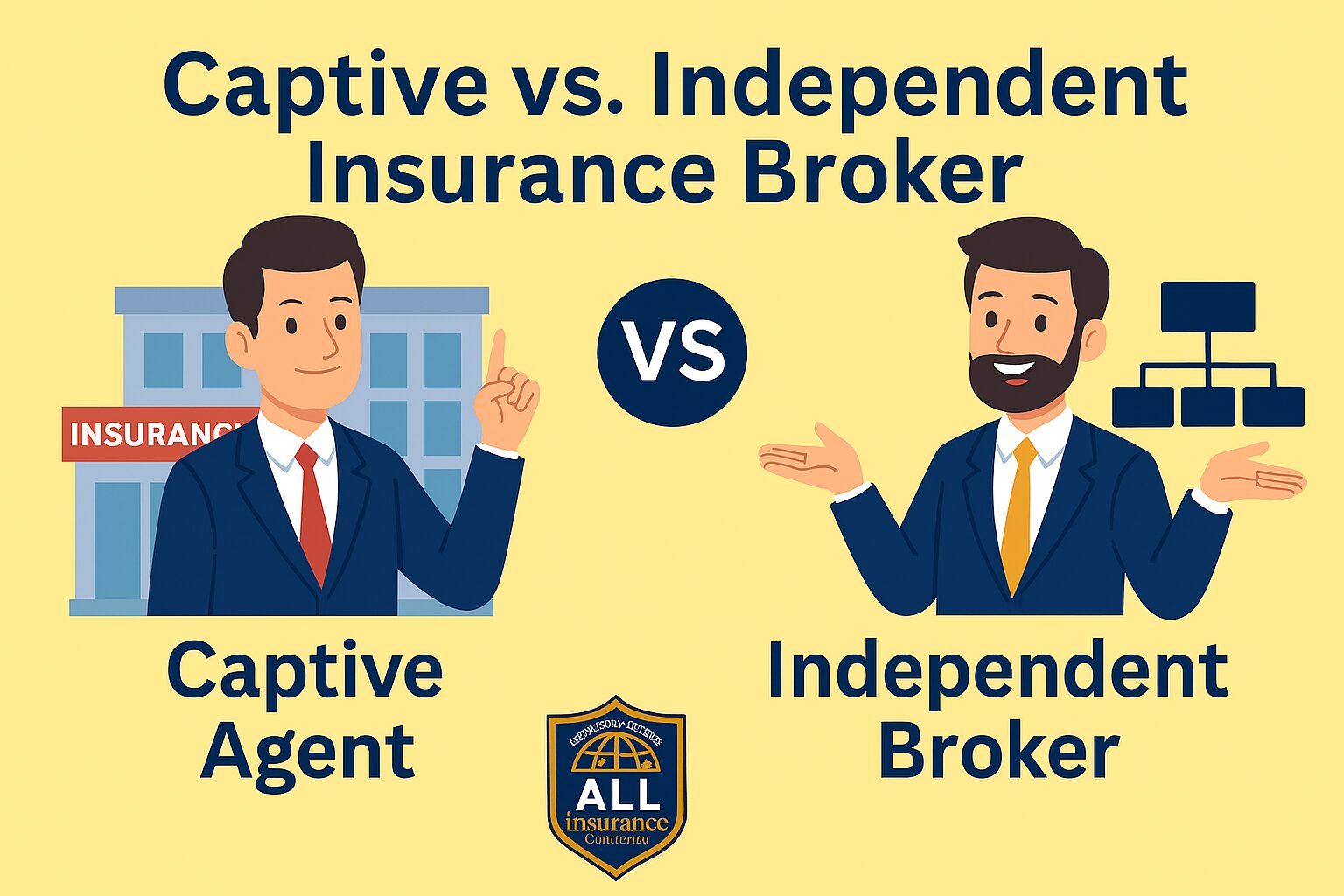
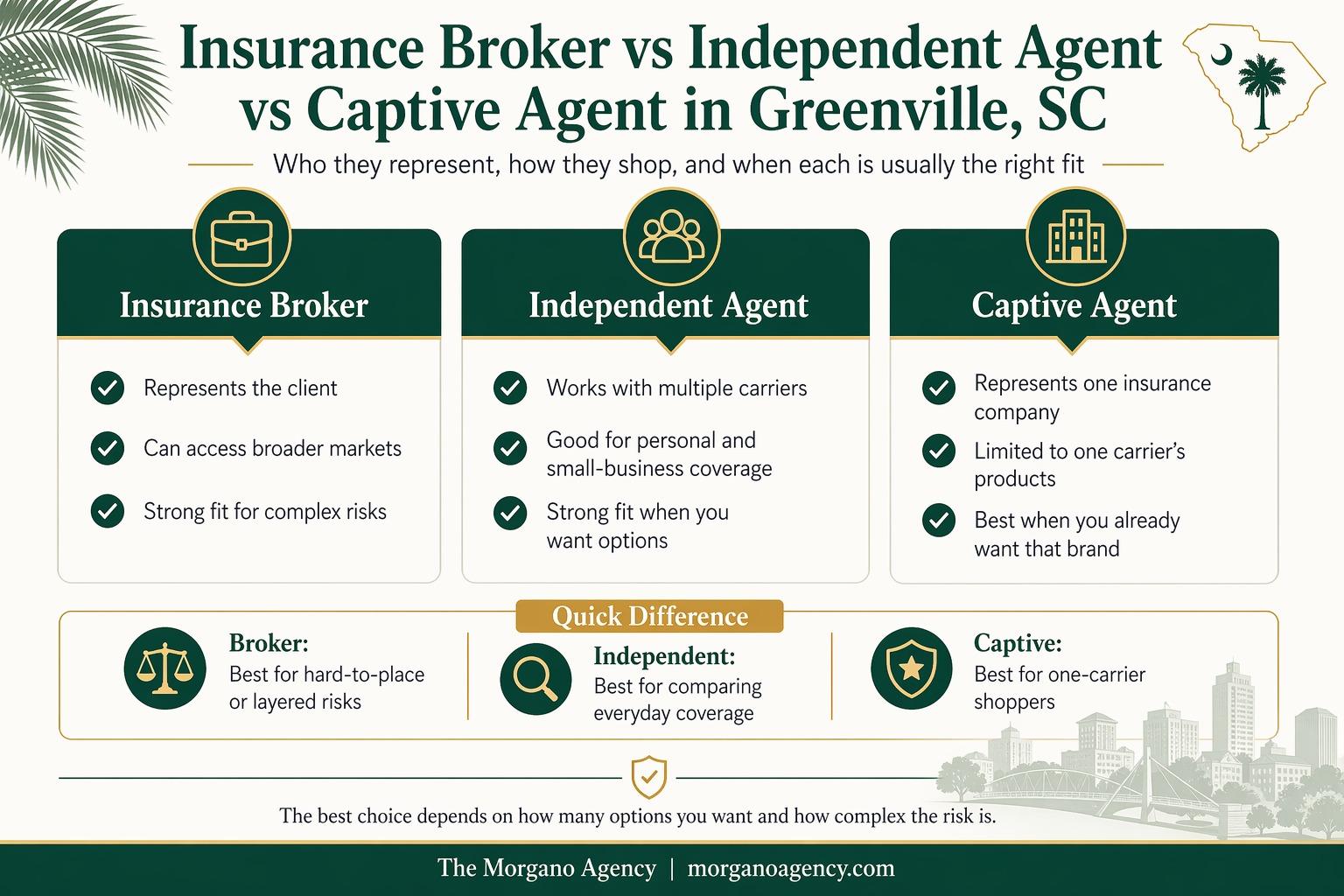
To make an informed decision, it is helpful to visualize how the service delivery differs between these two professional models.
| Feature | Independent Broker | Captive Agent |
|---|---|---|
| Carrier Selection | Unlimited (typically 20-50+ carriers) | Single carrier only |
| Primary Loyalty | To the Client (Buyer) | To the Insurance Company |
| Pricing Optimization | High; can compare multiple price points | Limited to company-set rates |
| Underwriting Niche | Can find carriers for specific health risks | Limited by the parent company's risk appetite |
| Claims Support | Acts as an advocate against the carrier | Limited by company policy |
| Product Range | Broad (Term, UL, IUL, Whole, Final Expense) | Limited to parent company’s offerings |
Why "Impaired Risk" Clients Need Independent Brokers
One of the most compelling reasons to choose an independent broker in Florida is if you have a pre-existing medical condition, often referred to as "impaired risk." Carriers have wildly different views on conditions like Type 2 diabetes, sleep apnea, or cardiovascular issues.
A captive agent at "Company A" might see a heart murmur and automatically issue a "Substandard" or "Table Rated" policy with high premiums. An experienced independent broker, however, knows that "Company B" might have more lenient underwriting for that specific condition. The broker can perform an "anonymous trial application," sending your de-identified medical data to multiple underwriters to see who offers the most favorable terms before you ever officially apply.
Navigating 2026 Life Insurance Trends in Florida
As we move through 2026, the Florida market is seeing a surge in "Accelerated Underwriting." This process uses data from the Medical Information Bureau (MIB), prescription drug databases, and motor vehicle records to approve policies in minutes without a blood draw or physical exam.
The Rise of Living Benefits
Florida residents are increasingly seeking "Living Benefits"—riders that allow the policyholder to access the death benefit while still alive if diagnosed with a chronic, critical, or terminal illness. Independent brokers are essential here because the definitions of "chronic illness" vary significantly between carriers. Some require a permanent disability, while others offer more flexible triggers.
Florida’s Senior Market and Final Expense
With a large percentage of residents over the age of 65, Florida is a primary market for Final Expense insurance. Independent brokers help seniors navigate the "Simplified Issue" and "Guaranteed Issue" markets. They can distinguish between a policy that has a two-year waiting period (graded benefit) and one that provides first-day coverage, which is a critical distinction for those with managed health conditions.
Common Pitfalls to Avoid When Choosing a Broker
Even among independent professionals, there are red flags that Florida consumers should watch for:
- The "One-Size-Fits-All" Recommendation: If a broker suggests an Indexed Universal Life (IUL) policy before even asking about your debt, income, or existing retirement accounts, they may be chasing higher commissions rather than providing a solution.
- Ignoring the "Free Look" Period: In Florida, you have a mandatory 14-day "Free Look" period for life insurance and annuity contracts (and 30 days for certain others). A reputable broker will remind you of this right, allowing you to cancel the policy for a full refund if you change your mind.
- Twisting and Churning: Be wary of a broker who encourages you to drop an existing permanent life insurance policy to buy a new one without a clear, documented financial benefit. In Florida, this can be considered "churning" or "twisting," which are prohibited trade practices under Florida Statute 626.9541.
Professional Advice Limitation
This article provides general information regarding insurance selection and should not be construed as legal, financial, or tax advice. Life insurance regulations and tax implications (such as the federal estate tax or Florida’s lack of a state inheritance tax) are subject to change. Always consult with a licensed Florida insurance professional and a tax advisor to discuss your specific circumstances.
Frequently Asked Questions
Does it cost more to use an independent broker in Florida?
No. In almost all cases, the premium you pay is the same whether you buy directly from a carrier, through a captive agent, or via an independent broker. Brokers are compensated via commissions paid by the insurance companies. Because they can compare multiple companies, using an independent broker often results in lower costs for the consumer.
How do I check if a Florida broker is authorized to sell variable products?
You must verify that they hold a "Variable Contract" authority on their DFS license. This requires them to also be registered with FINRA (Financial Industry Regulatory Authority) and hold a Series 6 or Series 7 securities license. This is essential if you are considering Variable Universal Life insurance, where the cash value is invested in the stock market.
Can a broker licensed in another state sell me insurance in Florida?
Only if they hold a Florida Non-Resident License. However, it is often beneficial to work with a resident broker who understands Florida’s specific probate codes and the regional nuances of the state’s financial landscape.
What is the "Medical Information Bureau" (MIB) and how do brokers use it?
The MIB is a database used by insurance companies to exchange de-identified medical information. When you apply for a policy through a broker, the carrier will check the MIB to see if you have applied elsewhere or if you have reported health conditions in the past. An independent broker helps you navigate this by ensuring your application is accurate and consistent across potential carriers.
How often should I have my independent broker review my policy?
A professional review is recommended every two to three years, or whenever a major life event occurs, such as marriage, the birth of a child, a divorce, or the purchase of a new home in Florida. As term lengths expire or interest rates shift (affecting permanent policy performance), a broker can help you adjust coverage to maintain financial security.
Practical Recommendation: Your Next Steps
To choose the right Florida independent broker in 2026, start by defining your primary goal: Is it mortgage protection, estate liquidity, or income replacement for your family? Once defined, use the Florida Department of Financial Services Licensee Search to find a local professional with at least five years of experience and a clean disciplinary record. During your first consultation, ask the broker to demonstrate their "Needs Analysis" process. A quality broker will spend more time asking about your financial obligations and long-term goals than they will talking about specific product brands.
Image Gallery