Navigating the Biggest Global Health Care Issues in 2026
The most significant global health care issues in 2026 center on the convergence of aging populations, the rising burden of non-communicable diseases, persistent inequality in access to essential medicines, and the systemic strain plac...
The most significant global health care issues in 2026 center on the convergence of aging populations, the rising burden of non-communicable diseases, persistent inequality in access to essential medicines, and the systemic strain placed on clinical infrastructure by workforce shortages and emerging infectious disease threats.
Contents
The Demographic Shift and Aging Populations
As of 2026, the global demographic landscape has shifted significantly toward an older population. This "silver tsunami" places unprecedented pressure on health care systems originally designed for acute care rather than chronic, long-term management. In many developed nations, the ratio of working-age individuals to retirees has contracted, limiting the tax base available to fund public health initiatives.
The primary challenge here is the increased prevalence of multimorbidity. Older adults frequently manage two or more chronic conditions simultaneously, such as hypertension, diabetes, and neurodegenerative diseases. This complexity necessitates a move away from siloed specialist care toward integrated, multidisciplinary models. Health systems that fail to pivot toward geriatric-focused preventative care face skyrocketing costs associated with emergency hospitalizations and long-term institutional support.
The Surge of Non-Communicable Diseases (NCDs)
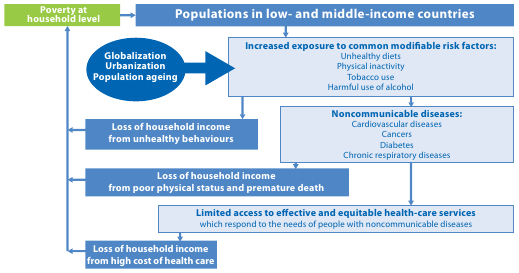
Non-communicable diseases—including cardiovascular diseases, cancers, chronic respiratory diseases, and diabetes—remain the leading cause of mortality worldwide. Unlike infectious diseases, which often have a defined trajectory, NCDs require lifelong management and behavioral interventions.
The global burden is exacerbated by urbanization and the globalization of sedentary lifestyles and dietary habits. In middle-income countries, the transition is particularly stark; health systems are struggling to cope with the "double burden" of persistent infectious diseases alongside a rapid rise in lifestyle-related chronic conditions. Addressing this requires investment in primary health care that focuses on early detection through screening programs and the management of modifiable risk factors like tobacco use, unhealthy diets, and physical inactivity.
Universal Health Coverage and Economic Inequality
Despite advancements in medical technology, universal health coverage (UHC) remains an elusive goal for a significant portion of the global population. Inequality persists not only between high-income and low-income countries but also within national borders. Access to high-quality care is often dictated by socioeconomic status, geographic location, and legal status.
Financial risk protection is the cornerstone of UHC. When individuals are forced to pay out-of-pocket for essential services, they are often pushed into poverty. In 2026, the focus has shifted toward digital health solutions to bridge the gap in remote areas; however, the "digital divide" risks creating a new layer of inequality. High-speed connectivity, digital literacy, and reliable power are prerequisites for modern health care access, yet these remain luxury resources in many parts of the developing world.
Health Care Workforce Crises
The depletion of the health care workforce is perhaps the most immediate threat to stability. A combination of post-pandemic burnout, migration of skilled professionals from the Global South to the Global North, and an aging cohort of doctors and nurses has led to severe staffing shortages.
This shortage compromises patient safety and the continuity of care. In many regions, the reliance on temporary or under-trained staff to fill gaps has increased operational risks. Solving this requires more than just recruitment; it demands improvements in workplace safety, competitive compensation structures, and a shift toward task-shifting—empowering nurses, pharmacists, and community health workers to perform services traditionally reserved for physicians—to extend the reach of limited human resources.
Comparative Analysis of Global Health Challenges
| Challenge Area | Primary Driver | Impact on Health Systems |
|---|---|---|
| Aging Populations | Increased longevity | Demand for long-term/geriatric care |
| NCD Burden | Lifestyle/Urbanization | Need for lifelong chronic disease management |
| Workforce Shortage | Burnout/Migration | Reduced capacity and patient safety risks |
| Infectious Threats | Globalization/Zoonosis | Periodic systemic shocks and economic loss |
Emerging Infectious Threats and Antimicrobial Resistance
While chronic diseases dominate the long-term outlook, the threat of infectious diseases remains constant. The risk of zoonotic spillover—diseases jumping from animals to humans—is heightened by climate change and the encroachment of human populations into wildlife habitats.
Simultaneously, antimicrobial resistance (AMR) is increasingly recognized as a "silent pandemic." The misuse and overuse of antibiotics in both clinical and agricultural settings have rendered common infections harder to treat, threatening the efficacy of standard medical procedures like surgeries and chemotherapy. Global coordination on antibiotic stewardship and the development of new diagnostic tools are critical to prevent a future where routine infections become life-threatening.
Environmental Health and Climate Change
Health care is inextricably linked to the environment. Climate-related health issues, such as heat-related illnesses, the expansion of vector-borne disease habitats (like malaria and dengue), and air pollution-related respiratory issues, are placing direct burdens on emergency services. Furthermore, health care facilities themselves are major consumers of energy and producers of waste. The sector is now under pressure to decarbonize while simultaneously building "climate-resilient" infrastructure that can withstand extreme weather events.
Frequently Asked Questions
1. What is the biggest challenge to global health in 2026? The biggest challenge is arguably the systemic fragility of health care delivery. This encompasses workforce shortages, the inability to finance universal access, and the transition of disease burdens from acute, infectious issues to chronic, lifelong conditions that the current infrastructure is not prepared to manage.
2. Why does antimicrobial resistance (AMR) threaten health care systems? AMR undermines the effectiveness of modern medicine. When bacteria become resistant to standard antibiotics, procedures like organ transplants, hip replacements, and cancer treatments become significantly more dangerous due to the increased risk of untreatable infection.
3. How does the "digital divide" affect global health access? The digital divide creates a barrier to telehealth and digital health records. In areas without consistent internet access, patients cannot leverage remote diagnostics or mobile health applications, effectively excluding them from modern, efficient care pathways and worsening existing health disparities.
4. What is meant by the "double burden" of disease? The double burden refers to countries that simultaneously face high rates of infectious diseases (like tuberculosis or HIV) alongside an escalating surge of non-communicable diseases (like diabetes and cancer). This forces health ministries to split already limited budgets between two very different types of health care models.
5. How can countries improve their health care workforce retention? Retention is improved through a combination of better working conditions, reduced administrative burdens, mental health support, and clear career progression pathways. Governments must also address the "brain drain" by incentivizing medical professionals to stay in their home countries through improved salaries and infrastructure.
Recommendations for Addressing Global Health Issues
Addressing these issues requires a multi-faceted approach. Policy makers should prioritize the strengthening of primary health care as the backbone of the system, rather than focusing solely on hospital-based services. Investing in preventive care, including vaccination programs and health education, yields higher long-term returns than crisis-based spending. Furthermore, global cooperation on data sharing and research is essential to tackle AMR and prepare for future pandemic threats. For stakeholders, the immediate next action is to integrate sustainability into health care planning—ensuring that systems are not only robust enough to handle the current load but flexible enough to adapt to the environmental and demographic realities of the coming decade.
Image Gallery