Comprehensive Guide to Workers’ Compensation Insurance in Monmouth County (2026)
In Monmouth County, New Jersey, workers' compensation insurance is a mandatory legal requirement for virtually all employers with one or more employees. This no-fault insurance system provides medical treatment, wage replacement, and p...
In Monmouth County, New Jersey, workers' compensation insurance is a mandatory legal requirement for virtually all employers with one or more employees. This no-fault insurance system provides medical treatment, wage replacement, and permanent disability compensation to employees injured on the job, while protecting business owners from most negligence-based lawsuits.
Contents
New Jersey’s Mandatory Insurance Framework for Monmouth Employers
As of 2026, the New Jersey Workers’ Compensation Act remains one of the most comprehensive sets of labor regulations in the United States. In Monmouth County—stretching from the tech hubs of Holmdel and the healthcare corridors of Neptune to the retail centers of Freehold and the agricultural stretches of Upper Freehold—every business entity must comply with these statutes.
The law (N.J.S.A. 34:15-1) stipulates that any employer not covered by federal programs must provide workers' compensation coverage. This mandate applies regardless of whether the employees are full-time, part-time, or even seasonal workers. For Monmouth County’s diverse economy, this means a small boutique in Red Bank faces the same fundamental insurance obligation as a large logistics firm near the Garden State Parkway.
The No-Fault System Explained
The primary mechanism of workers’ compensation in New Jersey is its "no-fault" nature. This means an injured worker does not need to prove the employer was negligent to receive benefits. Conversely, the employer is generally immune from civil lawsuits regarding workplace injuries, even if the employer’s negligence caused the accident. This "exclusive remedy" provides a predictable financial environment for Monmouth County businesses, preventing the catastrophic legal costs associated with personal injury litigation.
Coverage Requirements for Different Business Structures
Understanding who counts as an "employee" is the most common point of confusion for local business owners. New Jersey law is particularly strict regarding how it defines employment status to prevent companies from misclassifying workers to avoid premiums.
Corporations and LLCs
In Monmouth County, if your business is incorporated or formed as an LLC, officers and members who perform services for the entity are generally considered employees. Even if you are the sole owner and only employee of a professional corporation in Manalapan, you are required to carry workers’ compensation insurance for yourself.
Sole Proprietorships and Partnerships
For sole proprietors and partners, coverage is optional for the owners themselves. However, as soon as a sole proprietor hires their first employee—even a part-time administrative assistant—they must secure a policy. It is a common mistake for contractors in Middletown or Howell to assume that because they "only use subs," they don't need coverage. In New Jersey, if those subcontractors do not have their own workers' comp insurance, the hiring contractor may be held liable for their injuries, and the state may deem them employees for premium purposes.
The Domestic Servant Exception
Monmouth County has a high concentration of residential estates. New Jersey law requires that homeowners’ insurance policies include a provision for workers’ compensation coverage for "domestic servants" (nannies, housekeepers, or gardeners) who are not covered under a separate policy.
The Cost of Workers' Comp in Monmouth County
Premiums are not arbitrary. They are governed by the New Jersey Compensation Rating and Inspection Bureau (NJ CRIB), which is a state-mandated agency that sets the classifications and base rates for all insurance carriers in the state.
How Rates Are Calculated
The formula for your annual premium is generally: (Payroll / 100) × Class Code Rate × Experience Modification Factor = Estimated Premium
- Class Codes: Every type of work is assigned a four-digit code. For example, a clerical worker in an office in Tinton Falls (Code 8810) carries a much lower rate than a roofing contractor in Long Branch (Code 5551) because the risk of injury is significantly lower.
- Payroll: This is the total gross compensation paid to employees.
- Experience Modification Factor (Ex-Mod): This is a multiplier based on your individual business’s claims history. If your Monmouth County business stays accident-free, your Ex-Mod drops below 1.0, giving you a discount. If you have frequent claims, it rises above 1.0, acting as a surcharge.
Local Economic Variables
While the base rates are set statewide, the specific industries dominant in Monmouth County influence local costs. The high density of healthcare facilities (like Hackensack Meridian Jersey Shore University Medical Center) means many local businesses fall under healthcare class codes, which have specific safety protocols and risk profiles.
| Industry Segment | Common NJ CRIB Code | Typical Risk Level | Primary Focus Area |
|---|---|---|---|
| Clerical / Professional | 8810 | Low | Red Bank / Holmdel Offices |
| Retail / Boutique | 8017 | Low-Moderate | Freehold Mall / Asbury Park |
| Healthcare / Nursing | 8833 | Moderate | Neptune / Long Branch |
| Landscaping / Maintenance | 0042 | High | Marlboro / Colts Neck |
| Restaurant / Food Service | 9079 | Moderate | Belmar / Sea Girt |
The Claims Process and Local Medical Networks
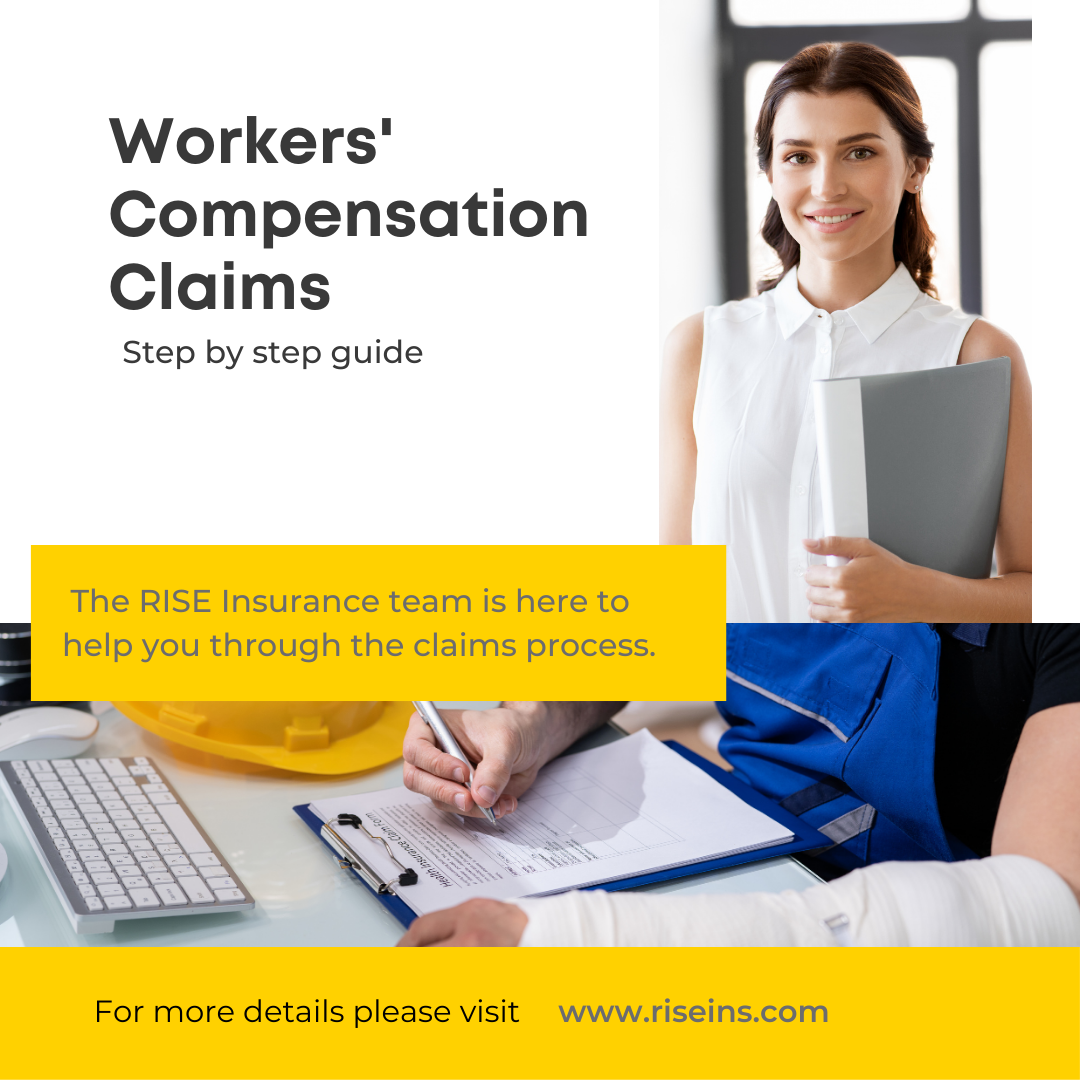
When an injury occurs in a Monmouth County workplace, the employer is responsible for directing medical care. This is a critical distinction in New Jersey law: the employer (through their insurance carrier) has the right to select the physicians who will treat the injured worker.
Immediate Steps for Employers
- Report the Injury: The employee must notify the employer as soon as possible.
- First Report of Injury (FROI): The employer must file a report with their insurance carrier immediately. Under NJ law, the carrier then notifies the Division of Workers' Compensation.
- Direct Treatment: Provide the employee with the contact information for an authorized medical provider. Monmouth County has an extensive network of occupational health clinics and urgent care centers that specialize in workers' comp cases.
Benefits Provided to Workers
- Medical Benefits: All necessary and reasonable medical treatment, prescriptions, and hospital stays related to the injury.
- Temporary Disability Benefits: If the worker is unable to work for more than seven days, they are eligible for approximately 70% of their average weekly wage (subject to state minimums and maximums).
- Permanent Benefits: If the injury results in a permanent impairment, the worker may receive a monetary award based on the "schedule" of disabilities or "non-scheduled" losses (like back or heart injuries).
Finding a Policy: Voluntary Market vs. Assigned Risk
Most Monmouth County businesses obtain coverage through the "voluntary market." This is where private insurance companies compete for your business. In 2026, the market remains robust, with several national and regional carriers specializing in New Jersey's unique regulatory environment.
The Assigned Risk Pool
If a business has a high-risk profile or a poor loss history, they may be unable to find a carrier willing to write a policy voluntarily. In this case, they must apply to the New Jersey Workers’ Compensation Insurance Plan (the "assigned risk pool"). While this ensures every business can get coverage, premiums in the assigned risk pool are generally higher and lack the flexible payment terms found in the voluntary market.
The Role of Independent Brokers
Navigating NJ CRIB classifications requires technical expertise. Working with a local Monmouth County insurance broker allows business owners to ensure their employees are classified correctly. Misclassification can lead to "premium audits" at the end of the year, resulting in massive, unexpected bills if the auditor determines your "secretaries" were actually performing higher-risk duties.
Compliance, Penalties, and the Second Injury Fund
New Jersey takes workers' compensation compliance extremely seriously. The Office of Special Compensation Funds monitors employers across the state to ensure coverage is maintained.
Penalties for Non-Compliance
Failing to carry workers' compensation insurance in Monmouth County is a disorderly persons offense and can escalate to a fourth-degree crime if the failure is determined to be willful.
- Fines: Up to $5,000 for the first ten days of non-compliance and up to $5,000 for each subsequent ten-day period.
- Personal Liability: In the event of an injury, the officers of a corporation or members of an LLC can be held personally liable for medical expenses and disability benefits.
- Uninsured Employer’s Fund (UEF): If an uninsured worker is injured, the UEF may pay benefits, but the state will then aggressively pursue the employer for reimbursement of all costs plus significant penalties.
Frequently Asked Questions
Does a small business in Monmouth County need workers' comp for one part-time employee?
Yes. New Jersey law does not have a "minimum number of employees" threshold for workers' compensation. If you have one employee who works five hours a week, you are legally required to provide coverage. The only exception is if the worker is a true independent contractor under the "ABC Test" used by the NJ Department of Labor, but this is a very difficult standard to meet.
Can I use my health insurance instead of workers' compensation?
No. Standard health insurance policies typically exclude coverage for work-related injuries. If a doctor in a Monmouth County hospital notes that an injury occurred at work, your private health insurer will likely deny the claim, leaving the employer or the employee with the full bill. Workers' compensation is the primary and exclusive payer for workplace injuries.
Are remote workers in Monmouth County covered?
Yes. If you have an employee living and working from a home office in Middletown or Marlboro, they are covered under your workers' compensation policy. Injuries that occur "in the course and scope of employment" are compensable, even if they happen in a home office environment.
What is the "Second Injury Fund" in New Jersey?
The Second Injury Fund (SIF) is designed to encourage employers to hire workers with pre-existing disabilities. If a worker with a pre-existing permanent impairment suffers a second work-related injury that renders them totally and permanently disabled, the employer is only responsible for the portion of the disability caused by the second injury. The SIF pays the remainder.
How can a Monmouth County business lower its premiums?
The most effective way to lower premiums is to implement a safety program to reduce the frequency and severity of claims, which improves your Experience Modification Factor. Additionally, ensuring accurate payroll reporting and proper classification of employees during the annual audit can prevent overpayment.
Practical Next Steps for Business Owners
To ensure your Monmouth County business is protected and compliant in 2026, you should first audit your current workforce to identify all individuals who may be legally classified as employees. Gather your payroll records and job descriptions, then consult with a licensed New Jersey insurance professional to review your NJ CRIB class codes.
If you are starting a new venture in areas like the Bell Works complex or the Monmouth Mall redevelopment, secure your workers' compensation policy before the first employee starts their first shift. Proof of insurance is often required to obtain local business licenses or to sign commercial leases in Monmouth County.
Image Gallery