How to Hunt in the Ocala National Forest: A Comprehensive Guide for 2026
To hunt in the Ocala National Forest, you must possess a valid Florida hunting license, a Management Area Permit, and any specific permits for the game you are pursuing (such as deer or turkey). Most hunting occurs within the Ocala Wil...
To hunt in the Ocala National Forest, you must possess a valid Florida hunting license, a Management Area Permit, and any specific permits for the game you are pursuing (such as deer or turkey). Most hunting occurs within the Ocala Wildlife Management Area (WMA). You must also secure quota permits for high-demand periods and strictly adhere to seasonal weapon restrictions and safety-orange requirements.
Contents
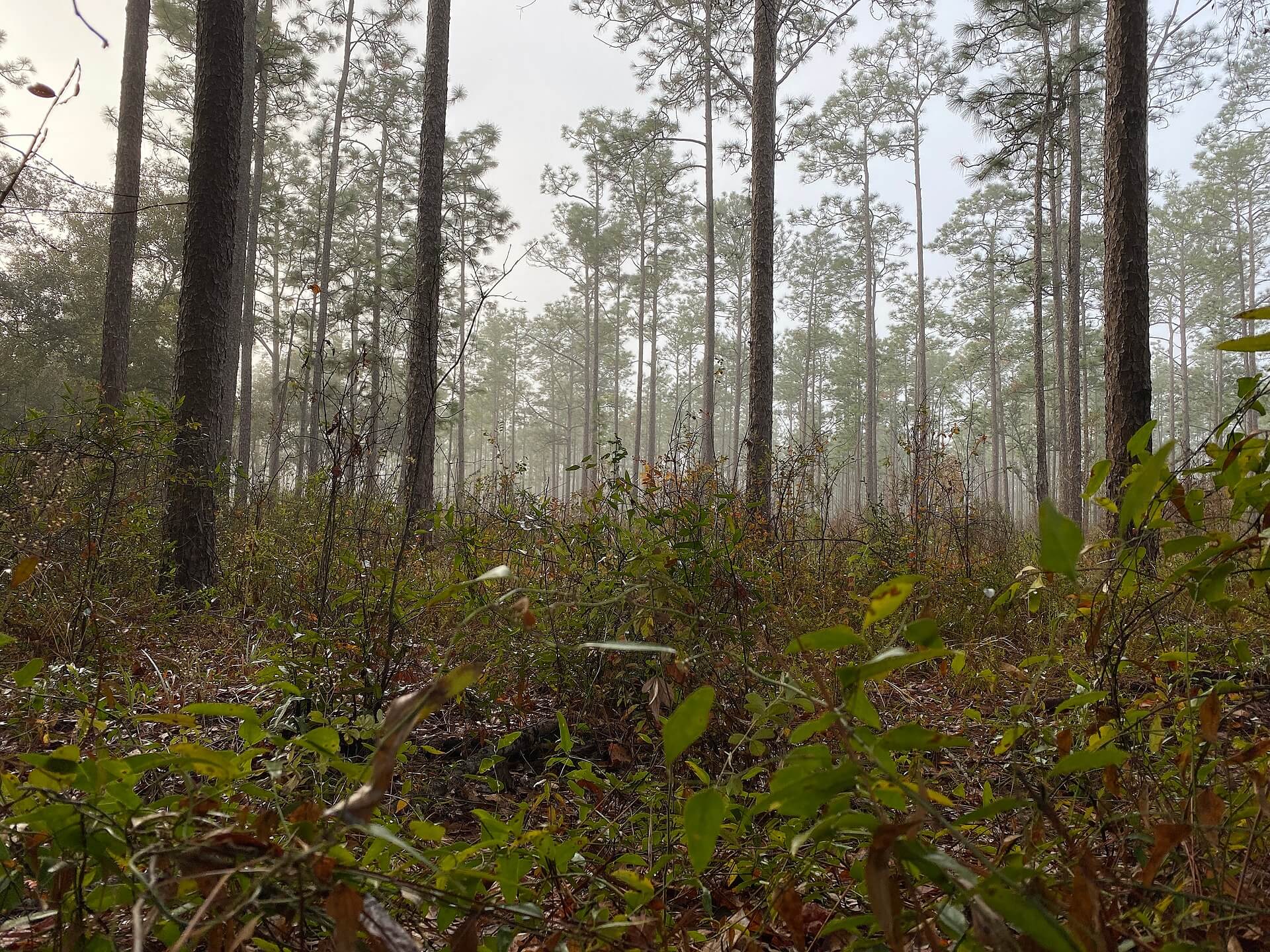
The Ocala National Forest, spanning over 380,000 acres in Central Florida, represents one of the most significant public hunting opportunities in the southeastern United States. Often referred to as the "Big Scrub," this landscape is a complex tapestry of sand pine scrub, longleaf pine flatwoods, and hardwood hammocks. Because the forest is managed jointly by the U.S. Forest Service (USFS) and the Florida Fish and Wildlife Conservation Commission (FWC), hunters must navigate two sets of regulations: federal land-use rules and state wildlife harvest laws.
Essential Licensing and Permit Requirements for 2026
Before entering the woods in 2026, every hunter must ensure their paperwork is in order. Hunting in the Ocala National Forest is not as simple as holding a general state license; the "Management Area" designation adds layers of requirements designed to fund habitat restoration and manage hunter density.
The Basic Documentation Stack
To legally hunt most game species in the Ocala National Forest, you generally need the following:
- Florida Resident or Non-Resident Hunting License: This is the baseline requirement for any person taking or attempting to take game.
- Management Area Permit: This specific permit is required to hunt on WMAs, including the Ocala WMA.
- Deer, Turkey, or Migratory Bird Permits: These are "add-ons" required depending on your target species.
- Quota Permits: For the first phase of archery, muzzleloading, and general gun seasons, the FWC limits the number of hunters via a lottery system. If you do not have a quota permit for these specific dates, you cannot hunt in the Ocala WMA during those periods.
2026 Estimated Costs and Fees
Pricing for licenses is subject to annual legislative adjustments. For the 2026 season, the following table outlines the standard costs for Florida residents and non-residents.
| Permit/License Type | Resident Fee (Approx.) | Non-Resident Fee (Approx.) |
|---|---|---|
| Annual Hunting License | $17.00 | $151.50 |
| Management Area Permit | $26.50 | $26.50 |
| Deer Permit | $5.00 | $5.00 |
| Turkey Permit | $10.00 | $125.00 |
| Archery Season Permit | $5.00 | $5.00 |
| Muzzleloading Season Permit | $5.00 | $5.00 |
| 5-Year Hunting License | $79.00 | N/A |
Note: Prices do not include small administrative processing fees. You can purchase these through the FWC Go Outdoors Florida portal.
Navigating the Wildlife Management Areas (WMAs)
While the Ocala National Forest is a single geographic entity, it is partitioned into several management units. The primary unit is the Ocala WMA, but portions of the forest also fall under the Lake George WMA and Pinecastle Wildlife Management Area.
The Ocala WMA
The Ocala WMA is the largest and is further divided into the "Pipeline" and "Hopkins Prairie" units. These divisions are crucial because rules regarding the use of dogs for deer hunting vary between them. For instance, the use of dogs to trail deer is traditionally permitted in certain sections of the Ocala WMA during general gun season, while other areas are strictly "still hunting" (no dogs allowed).
Lake George WMA
Located on the eastern edge of the forest along the St. Johns River, the Lake George WMA offers a different habitat—primarily wet flatwoods and oak hammocks. This area is often preferred by turkey hunters and those looking for hogs in lower-lying, damp terrain.
Pinecastle WMA
This area is unique because it surrounds a live bombing range used by the U.S. Navy. Hunting here is subject to sudden closures based on military activity. Hunters must check the USFS Ocala National Forest alerts for real-time access updates.
2026 Hunting Seasons and Key Dates
The Ocala National Forest follows the schedule for Hunting Zone C in Florida. While exact dates shift slightly by the calendar year, the 2026 structure remains consistent with traditional management cycles.
- Archery Season: Typically runs from mid-September through mid-October. This is the first opportunity to harvest deer and turkey.
- Muzzleloading Gun Season: Usually a two-week window in late October. This season allows for black-powder rifles or modern muzzleloaders.
- General Gun Season: Opening in early November and running through January. This is the busiest time in the forest and requires a quota permit for the initial weeks.
- Small Game Season: Running from December through early March. This is an excellent time for hunting gray squirrels, rabbits, and quail without the need for a quota permit.
- Spring Turkey Season: Generally opens the third Saturday in March. Ocala is famous for its Osceola turkey hybrids, making this a highly competitive season.
Rules of Engagement: Equipment and Safety Regulations
The Ocala National Forest has strict enforcement regarding what you can carry and how you must identify yourself.
Hunter Safety Requirements
All hunters must wear at least 500 square inches of daylight fluorescent orange material as an outer garment, above the waistline. This is mandatory during any deer hunting season involving firearms. Even if you are hunting with a bow during a muzzleloading or gun season, the orange requirement applies to you.
Weapon Restrictions
- Centerfire Rifles/Pistols: Allowed during general gun season. There are no magazine capacity limits for non-migratory game, but fully automatic weapons and silencers (unless specifically permitted) are prohibited.
- Muzzleloaders: Must be loaded through the muzzle and use a flintlock, percussion cap, or electronic ignition.
- Archery: Bows must have a minimum draw weight of 35 pounds. Crossbows are legal during all firearms seasons and specifically designated crossbow seasons.
Feral Hog Regulations
In the Ocala National Forest, feral hogs are considered a game species when hunting within a WMA. Unlike private land where hogs have no season or bag limit, in the ONF, you may only take hogs during established hunting seasons (Archery, Muzzleloader, General Gun, or Small Game). There is typically no daily bag limit, but hunters must have a management area permit.
Scouting Strategies for the "Big Scrub"
Hunting in Ocala is notoriously difficult due to the density of the vegetation and the nomadic nature of the deer population. Success requires more than just sitting in a stand; it requires understanding the unique Florida ecosystem.
Identifying Food Sources
The Ocala National Forest lacks the cornfields or soybean plots of the Midwest. Instead, look for:
- Scrub Oaks: Acorns are the primary draw. Look for "white oak" varieties if possible, as they are more palatable to deer than "red oak" varieties.
- Palmetto Berries: While often overlooked, palmettos provide a significant caloric source for bears and hogs, and deer will occasionally browse them.
- Clear-cuts: The USFS performs extensive timber management. Freshly cleared areas (1–3 years old) offer tender new growth that attracts deer under the cover of darkness.
Water and Heat Management
Central Florida remains hot well into November. Deer in the Ocala Forest are rarely active during the heat of the day. Focus your efforts on the first 90 minutes of light and the final 45 minutes of the evening. Because the soil is primarily sand, water drains quickly. Locating "depressional wetlands" or hidden ponds within the scrub can be the key to finding concentrated game activity.
Logistics: Camping and Navigating the Forest
The Ocala National Forest offers both developed campgrounds and dispersed camping (primitive camping).
Dispersed Camping
During hunting seasons, many hunters choose to "boondock" or camp in non-designated areas. You must follow the Motor Vehicle Use Map (MVUM), which dictates where vehicles can be driven and where you can set up camp. In many areas, you must be at least 100 feet away from any water source or designated recreation site.
Vehicle Access
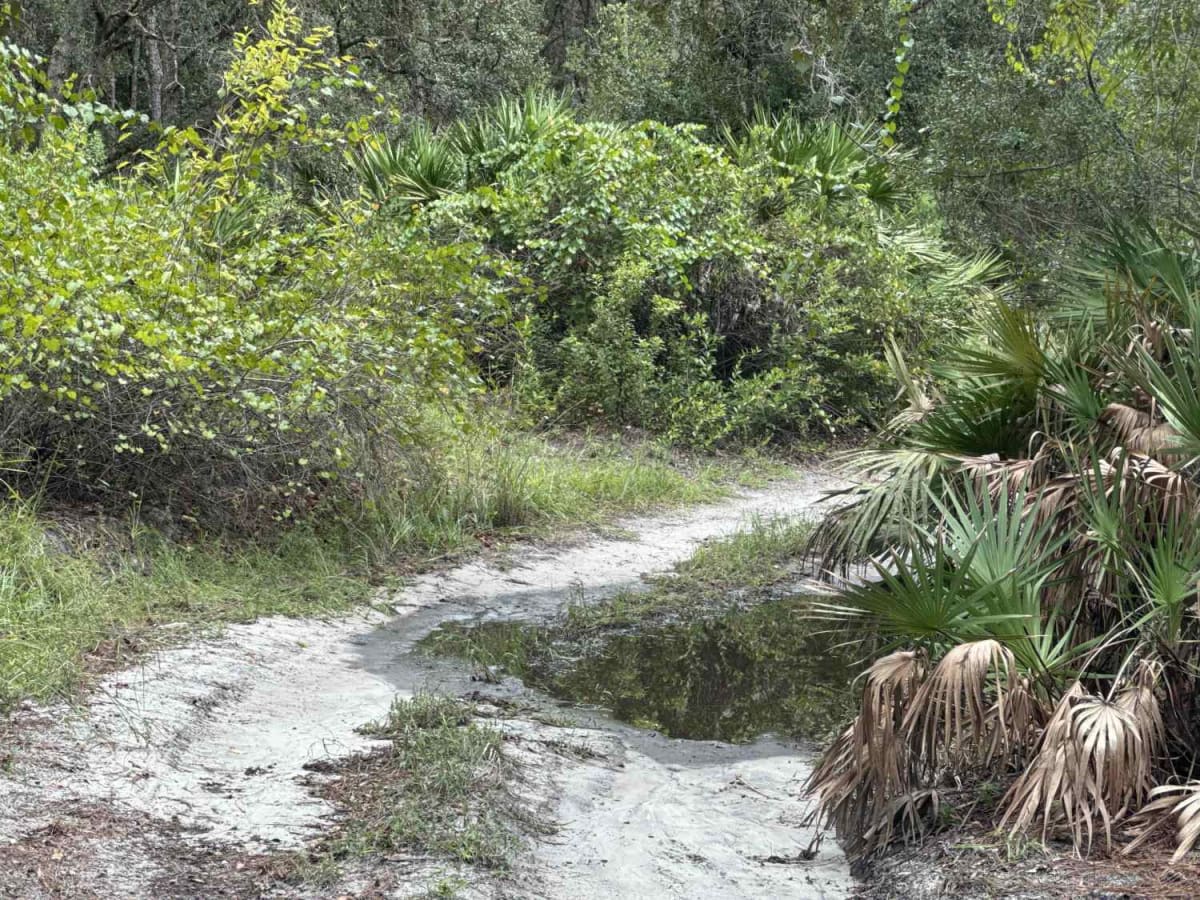
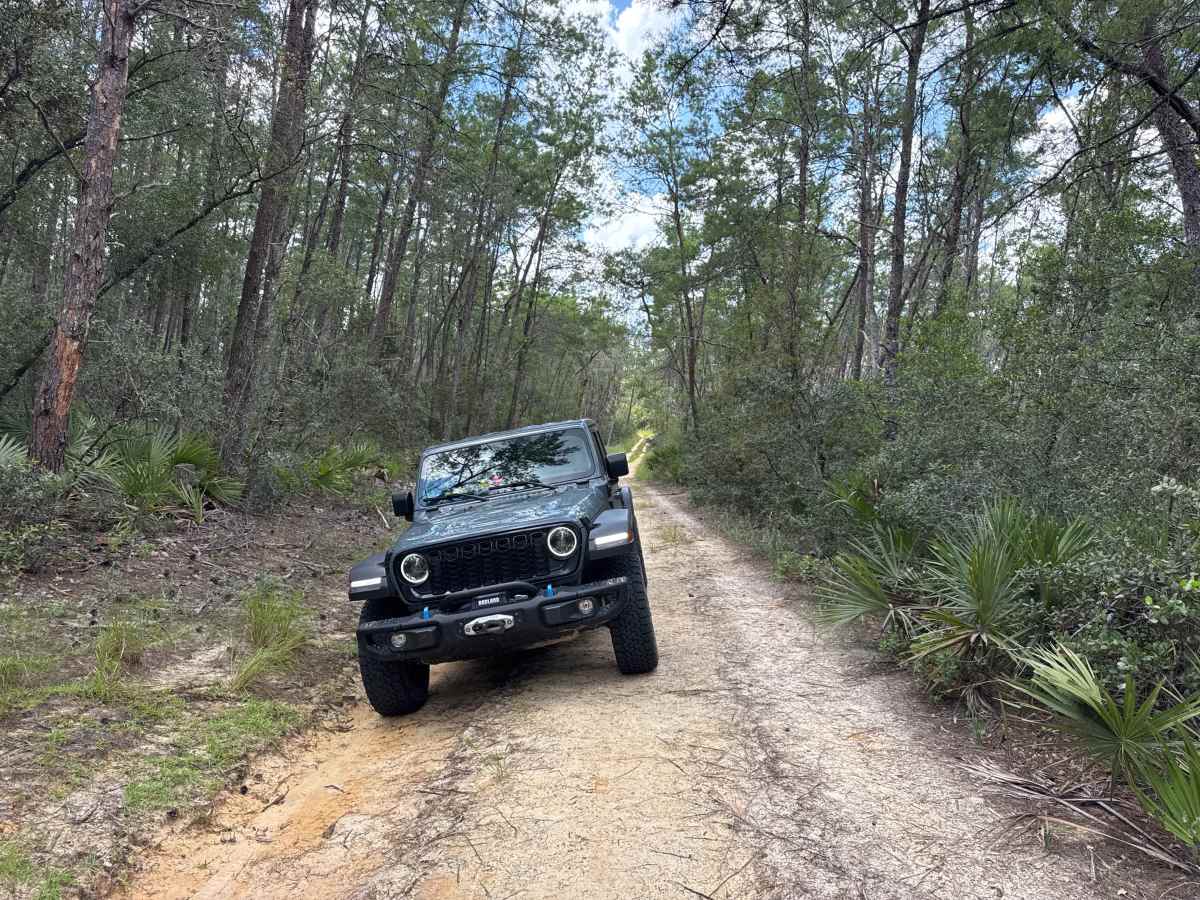
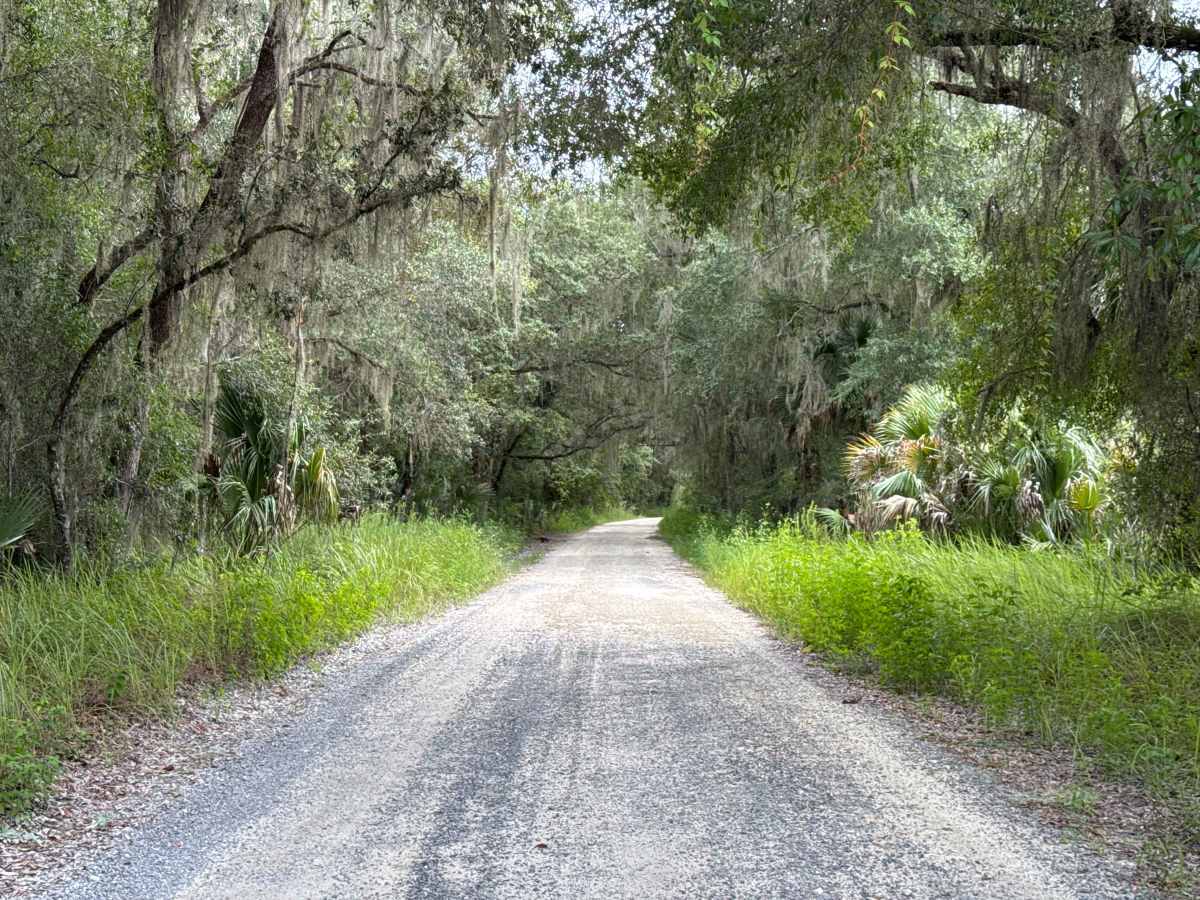
The forest is crisscrossed by "Forest Roads" (FR). Some are well-maintained lime-rock roads, while others are deep, soft sugar sand. A 4WD vehicle is highly recommended for anyone venturing off the main arteries like SR 40 or SR 19. If your vehicle is not street-legal (such as an ATV or UTV), you must obtain an OHV Permit and stick to designated OHV trails; you cannot legally hunt from these vehicles or use them on standard forest roads.
Frequently Asked Questions
Do I need a quota permit to hunt every day in Ocala?
No. Quota permits are typically only required for the first 9 to 13 days of the general gun season and specific weekends during archery and muzzleloader seasons. After the quota period ends, anyone with a valid license and WMA permit can hunt in the Ocala WMA for the remainder of the season.
Can I hunt feral hogs at night in the Ocala National Forest?
No. While night hunting for hogs is legal on some private lands in Florida with landowner permission, it is strictly prohibited within the Ocala National Forest and all WMAs. Hunting hours are generally defined as one-half hour before sunrise to one-half hour after sunset.
Are there any specific rules for hunting with dogs?
Yes. The Ocala WMA is one of the few places where "deer dogs" are still permitted in specific units during the general gun season. If you are still-hunting, it is advisable to check the WMA brochure maps to ensure you are in a "Still Hunt Only" zone to avoid conflict with dog hunters.
Is there a limit on the number of deer I can harvest?
Florida has a statewide bag limit of five deer per hunter per year, of which only two can be antlerless. Within the Ocala WMA, specific antler point regulations (such as the "three-point rule") usually apply, meaning a buck must have at least three points on one side to be legal for harvest.
Can I use a tree stand in the national forest?
Yes, you may use portable tree stands. However, you cannot nail or screw steps into trees, and you cannot leave stands overnight in a way that "claims" a spot. Most hunters recommend taking your stand with you each day to prevent theft and comply with USFS "Leave No Trace" policies.
Practical Recommendation for Success
For those new to the Ocala National Forest in 2026, the most effective first step is to download the Avenza Maps app and load the official FWC WMA brochures and USFS Motor Vehicle Use Maps. These maps use your phone's GPS to show your exact location even when you have no cellular service. Spend at least two days scouting the "edges"—where the thick sand pine scrub meets the lower hardwood hammocks. This is where the highest concentration of game movement occurs. Always verify the current year’s specific WMA brochure, as boundaries and specific dates are updated annually by the FWC.
Image Gallery